


The tundish crane is a high-performance overhead crane specifically designed for handling tundishes in steelmaking operations. Built to operate in extreme heat and demanding environments, it ensures safe, precise, and efficient lifting, transport, and replacement of tundishes in continuous casting processes. With robust construction and advanced control systems, tundish cranes help steel plants maintain uninterrupted production while guaranteeing consistent steel quality.
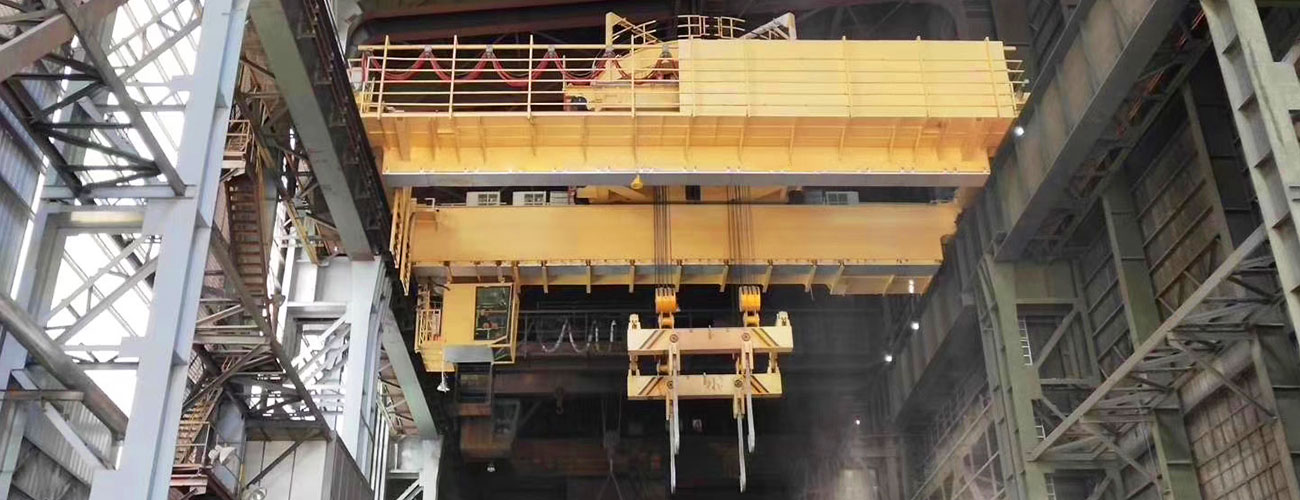
Technical Specifications of Tundish Crane for Sale
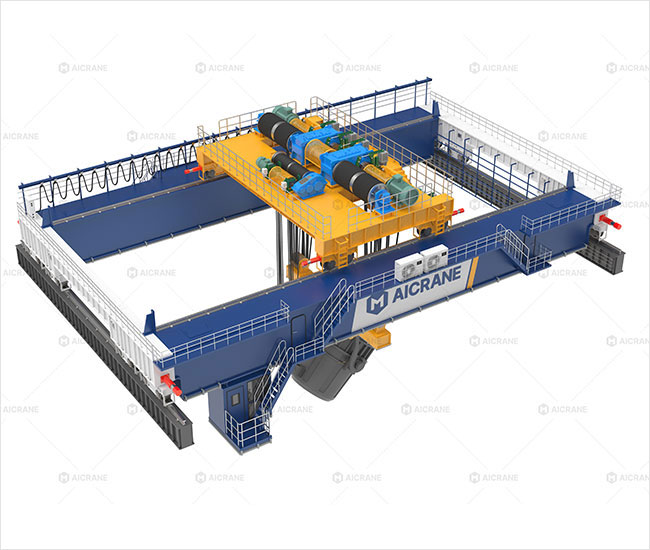
- Lifting Capacity: 10-320 tons, customizable according to tundish weight and production requirements.
- Span: 10.5-31.5 meters, adaptable to different continuous casting bay layouts.
- Lifting Height: 6-24 meters, ensuring proper clearance for preheating stations and casting machines.
- Operating Duty: Designed for heavy-duty continuous operation (A6-A8).
These tundish handling overhead crane specifications can be customized to meet unique production layouts, tundish sizes, and lifting requirements, ensuring optimal performance and safety for each steelmaking operation.
Key Tundish Crane Features Driving Safe and Efficient Steelmaking
High Heat ResistanceKey components, including motors, electrical systems, and structural elements, are designed to withstand high-temperature environments. This ensures stable operation near molten steel and reduces downtime caused by heat-related failures.
Precise PositioningSmooth hoisting, travel, and fine-tuned controls enable accurate tundish placement. This reduces errors during alignment with the casting machine, maintaining consistent steel flow and product quality.
Advanced Safety SystemsEquipped with dual brakes, overload protection, anti-sway technology, and emergency stop mechanisms, the tundish handling crane enhances operator safety and protects expensive equipment in high-risk environments.
Durable and Low MaintenanceHigh-strength structural design and premium electrical components minimize maintenance needs, extends service life, and lowers total cost of ownership.
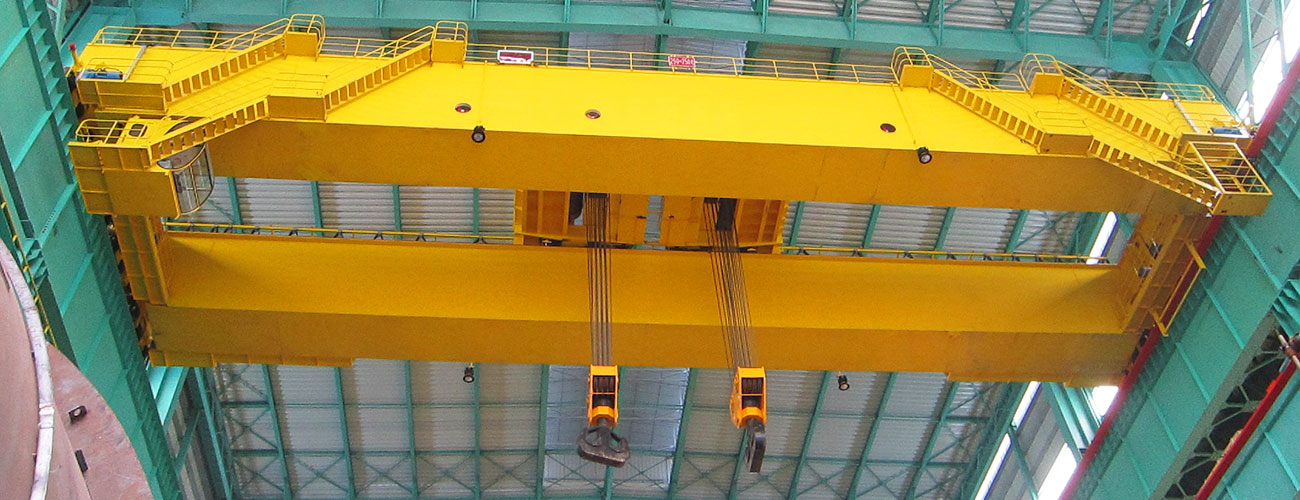
These features ensure our tundish bridge cranes operate safely and efficiently in demanding steelmaking environments. To further enhance precision, safety, and operational efficiency, our tundish handling crane can be equipped with intelligent features. In the following section, let’s take a closer look at these smart design innovations and how they optimize steelmaking performance.
Tundish Crane Intelligent Features for Smarter Steel Plant Operations
Our tundish cranes can be equipped with intelligent features that enhance operational safety, optimize workflow, and deliver consistent, high-quality performance in even the most demanding environments.
Automated Positioning SystemsEnables precise tundish placement over the molds with minimal manual intervention and reduces errors during casting, ensuring consistent steel quality.
Anti-Sway ControlMinimizes load swing during lifting and traveling, and improves operator safety and protects both the tundish and surrounding equipment.
Overload Protection and Safety MonitoringReal-time sensors monitor load weight, travel speed, and operational parameters, which automatically prevents overload and triggers alarms, reducing the risk of accidents.
Automated Remote ControlEnables operators to manage the crane remotely with automated functions for precise lifting, positioning, and travel, enhancing safety by keeping operators away from high-temperature or hazardous areas.
These intelligent features transform a standard tundish crane into a highly efficient, safe, and smart lifting solution, perfectly suited for modern steel plants seeking both productivity and reliability.
Next, explore how these cranes are utilized across metal smelting workflows to enhance productivity and safety.
Tundish Crane Applications Across Steelmaking Processes
Tundish cranes are essential lifting equipment in modern steel plants, designed to handle molten steel with precision, safety, and efficiency. They play a critical role in multiple stages of production, including transporting preheated tundishes, positioning them over molds, and performing quick replacements – all while minimizing downtime and protecting operators. Key applications include:
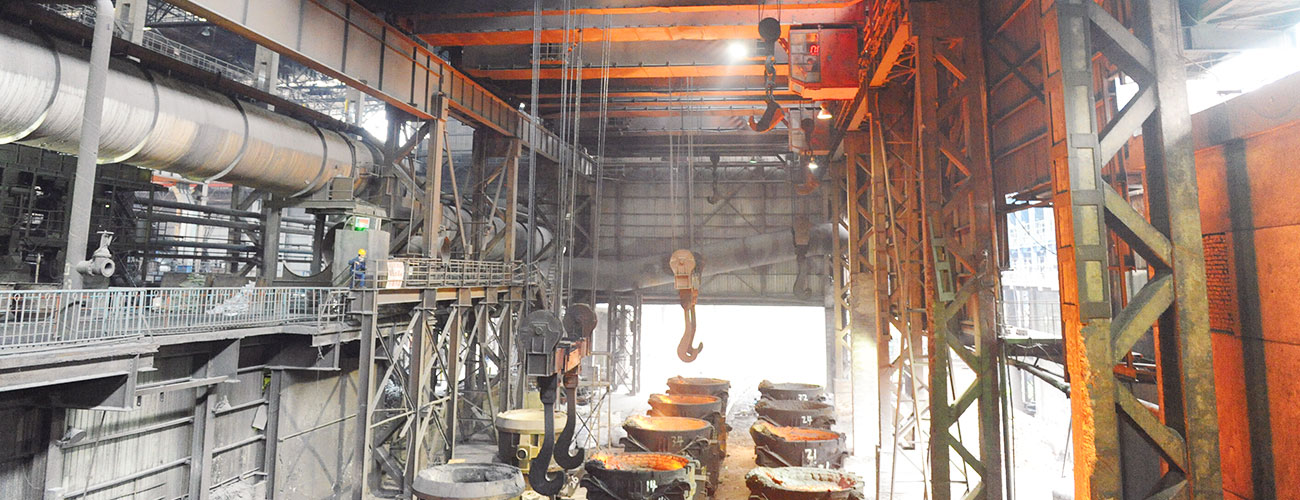
Preheating Stations
Tundish cranes transport empty or preheated tundishes to the casting area with precision and stability, ensuring smooth workflow while minimizing handling risks and exposure to high temperatures.
Continuous Casting Bays
These cranes position tundishes accurately over molds, providing a stable and controlled flow of molten steel, reducing steel loss and maintaining consistent quality across multiple casting strands.
Tundish Replacement Operations
The tundish handling crane quickly and safely replaces tundishes during long casting sequences without interrupting production, enhancing operational efficiency while protecting operators and equipment.
By serving key stages of steel production, our tundish cranes ensure safe, efficient, and reliable operations. To fully meet the unique demands of each plant, our tundish cranes can be customized based on specific plant layouts and production processes. Read on to discover how our tailored solutions adapt to diverse steelmaking environments.
Customizing Tundish Cranes to Adapt to Diverse Steelmaking Environments
Our tundish overhead cranes are designed with flexibility in mind, allowing them to adapt to these diverse environments and meet the specific needs of each facility:
- Tailored Structural Design for Your Steel Plant Layout: Crane span, lifting height, and bridge configuration are customized to fit the plant’s physical layout.
- Lifting Attachments Adapted to Your Tundish Sizes: Adjustable hooks, spreader beams, and tundish clamps accommodate different tundish shapes and sizes.
- Rotating Trolley for Flexible Tundish Positioning: The rotating trolley allows the crane to change direction and access multiple casting strands or workstations without repositioning the entire bridge.
- Operational Performance Customization for Your Workflow: Lifting speed, travel speed, and control responsiveness are configured to match the production workflow.
- Adaptation for Environmental and Safety Requirements: Components and materials are selected to withstand heat, dust, or corrosive conditions specific to each steelmaking environment.
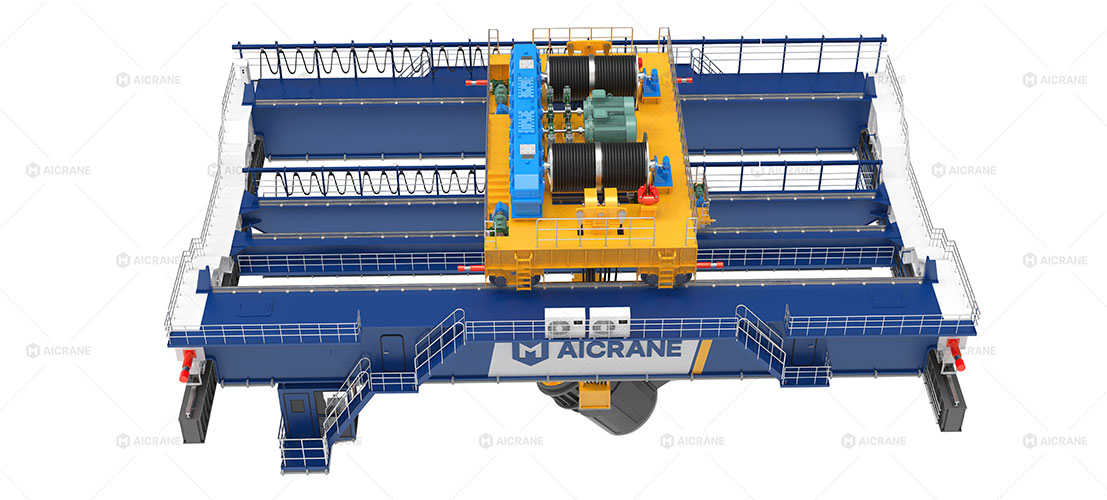
By customizing these aspects, our tundish overhead cranes can adapt seamlessly to a wide range of steelmaking environments, delivering safe, efficient, and reliable performance tailored to each plant’s unique requirements. To guarantee long-term reliability and continued operational efficiency, we also provide comprehensive after-sales support, detailed in the following section.
Expert After-sale Support for Ongoing Tundish Crane Operations
Our commitment doesn’t end with delivery – we provide specialized after-sales services tailored to tundish cranes and the demanding conditions of steelmaking operations.
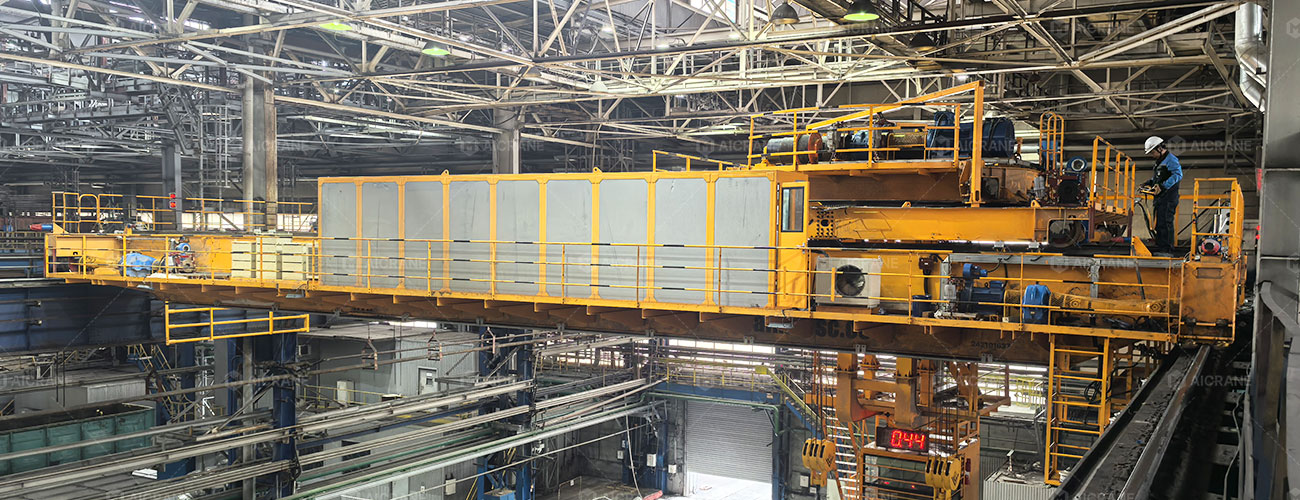
On-site Installation Support for Reliable Tundish Crane Setup
Proper installation is the foundation of safe and efficient tundish handling. Our after-sale team provides full installation guidance, ensuring the crane is assembled correctly and safely. This includes:
- Verification of bridge alignment and rail leveling
- Precise calibration of the hoist and rotating trolley
- Testing movement along the bridge and crane span
By overseeing installation, we ensure the crane operates smoothly from day one, reducing early-stage mechanical issues and production delays.
Tailored Maintenance Plans for Continuous Tundish Handling Operation
Every steel plant has unique requirements. Aicrane offers custom maintenance schedules designed to extend crane lifespan and maintain operational efficiency. Our preventive maintenance includes:
- Mechanical inspections of hoists, trolleys, and bridge structures
- Lubrication of rotating and sliding components
- Safety device testing, including overload protection and limit switches
A structured maintenance plan helps prevent unexpected breakdowns and keeps molten steel handling safe and reliable.
Real-time Technical Support for Rapid Troubleshooting
Tundish cranes work in high-temperature, high-stress environments. Even small issues can interrupt production. Our remote technical support enables rapid diagnosis and problem-solving:
- Real-time guidance to operators for minor adjustments
- Immediate troubleshooting of electrical, hydraulic, or mechanical issues
- Remote monitoring of crane performance for predictive maintenance
This ensures steel plants minimize downtime and maintain consistent casting operations.
Operator Training for Safe and Efficient Tundish Handling
We provide comprehensive training programs focused on:
- Safe handling of molten steel
- Precise operation of rotating trolleys and hoists
- Routine inspection and preventive maintenance techniques
Well-trained personnel reduce the risk of accidents and improve operational efficiency, ensuring continuous production.
Spare Parts and Component Support for Minimal Downtime
High-temperature environments cause wear on critical components like hoists, trolleys, and rotating mechanisms. Aicrane maintains a global supply of genuine spare parts, ensuring:
- Quick replacement of worn or damaged components
- Minimal interruption to steelmaking operations
- Continuous support for both standard and customized crane configurations
Fast access to parts keeps tundish handling operations uninterrupted, even under heavy production demands.
With Aicrane’s expertise in design, installation, and specialized after-sale support, your steel plant crane will deliver reliable, safe, and efficient tundish handling every day. Reach out today to customize your tundish handling solution and keep your molten steel operations running smoothly and efficiently.
Beyond Tundish Cranes: Specialized Cranes for Complete Steelmaking Workflows
In addition to specialized tundish cranes, we provide a variety of bridge cranes designed for different stages of steel production, ensuring safe, efficient, and reliable handling of materials throughout the plant.
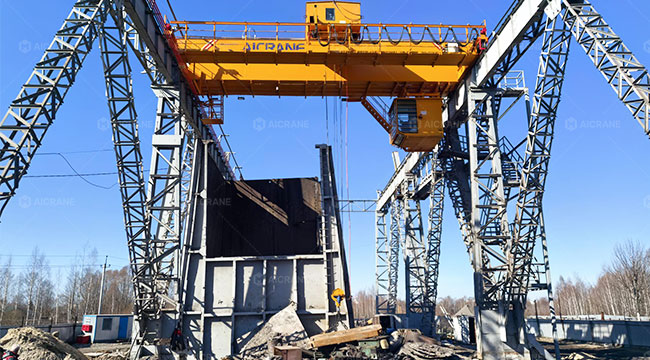
Scrap Handling Cranes
This type of steel plant crane is used at the very beginning of the steelmaking process to transport and charge scrap metal into furnaces. The scrap handling cranes are equipped with strong grab attachments or electromagnets for safe and efficient handling of heavy, irregularly shaped scrap.
Furnace Charging Cranes
The charging cranes are used for loading raw materials, alloys, or steel into furnaces with precision. The customizable lifting attachments ensure accurate placement, reducing waste and improving safety.
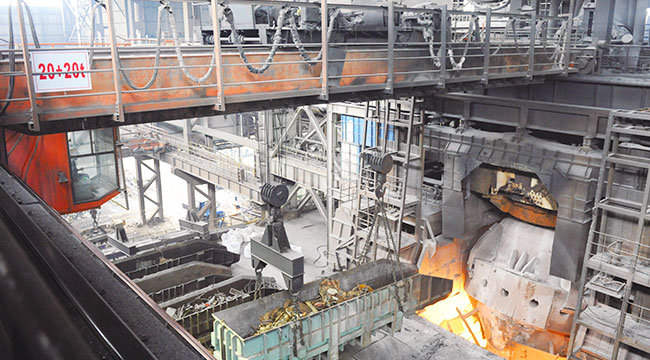
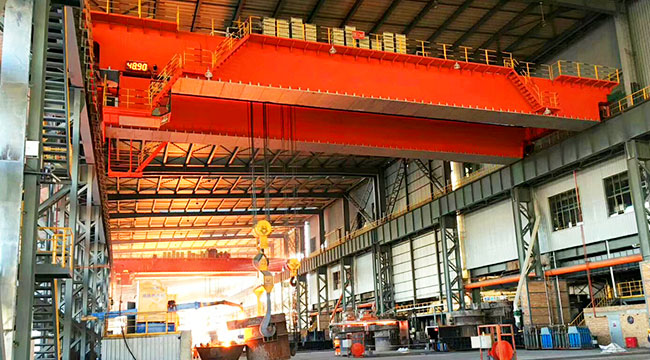
Ladle Cranes
This type of crane handles molten steel ladles during refining, transport, and pouring operations. The ladle cranes ensure precise positioning over tundishes or casting areas, reducing spillage and maintaining steel quality.
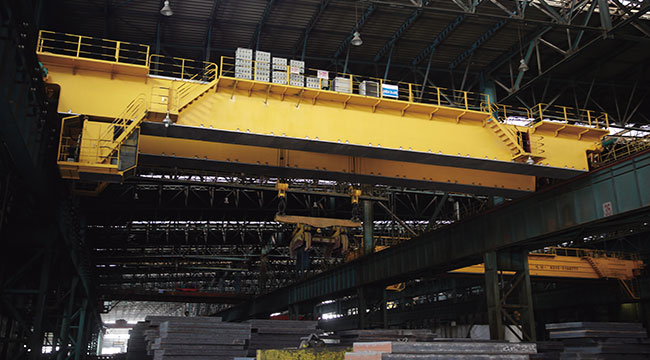
Slab and Billet Handling Cranes
The slab and billet handling cranes transport slabs or billets from the caster to cooling beds, storage, or rolling lines. They are equipped with tongs, electromagnets, or special gripping devices to prevent surface damage and ensure smooth, continuous handling.
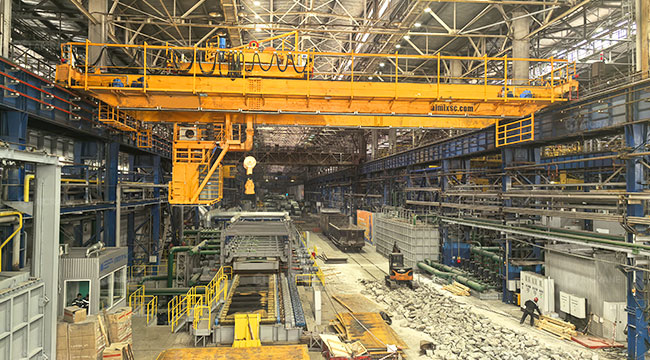
Hot Strip/Plate and Coil Handling Cranes
The hot strip/plate and coil handling cranes manage hot or cold steel plates, coils, and rolls during downstream processing. These cranes are equipped with C-hooks, coil grabs, or magnet attachments for precise lifting, rotation, and positioning.
By offering a full range of bridge cranes tailored to each stage of production, we help steel plants maximize efficiency, ensure safe handling, and maintain consistent product quality from raw materials to finished steel.