


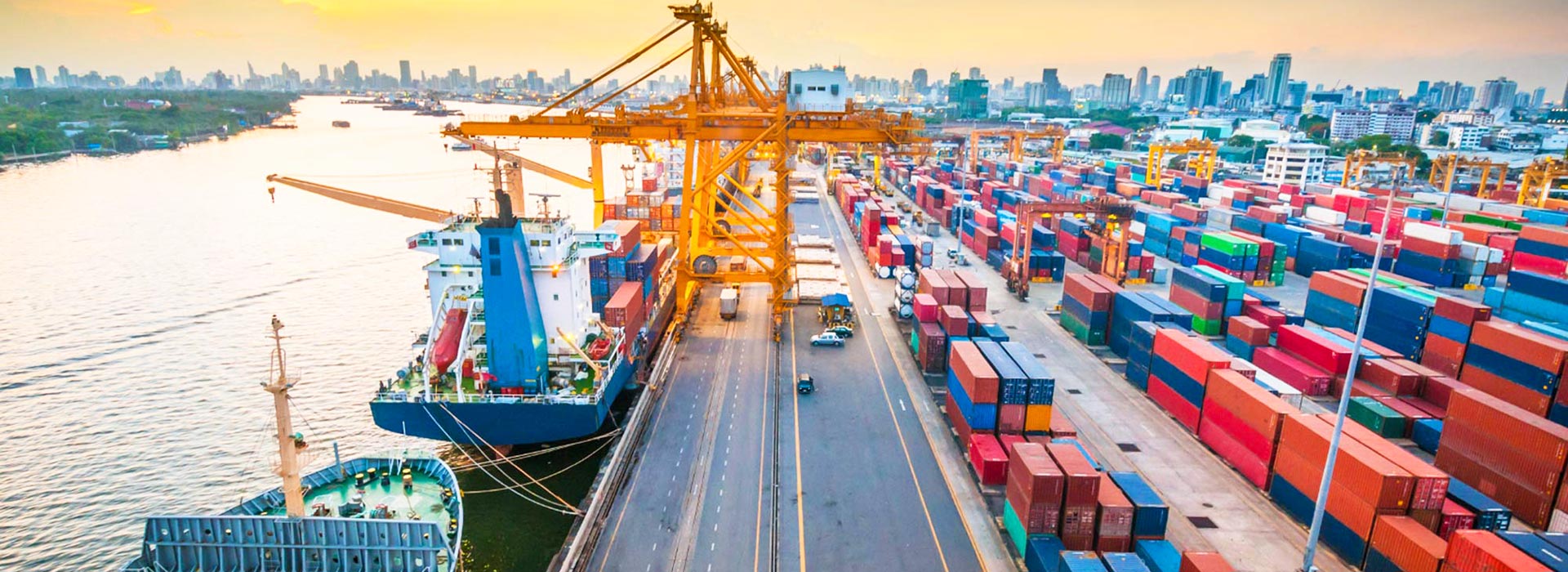
Modern ports are evolving from traditional cargo handling hubs into integrated logistics centers, where container terminals, storage yards, intermodal transport, and value-added logistics parks operate as a coordinated system. Efficient logistics and port operations now rely on the seamless interaction of material handling equipment, transport infrastructure, and yard layout design to ensure safety, throughput, and long-term cost optimization.
Industry Overview: Logistics & Port Transportation
The logistics and port transportation sector underpins global trade by connecting maritime gateways with inland transport networks and warehousing systems, enabling the efficient movement, storage, and distribution of goods across regional and international markets. As a system-oriented industry integrating multiple transport modes, material handling solutions, and storage infrastructure, the effectiveness of this sector directly influences supply chain resilience, operational efficiency, and trade competitiveness at both regional and global levels.
Ports as Strategic Trade Hubs
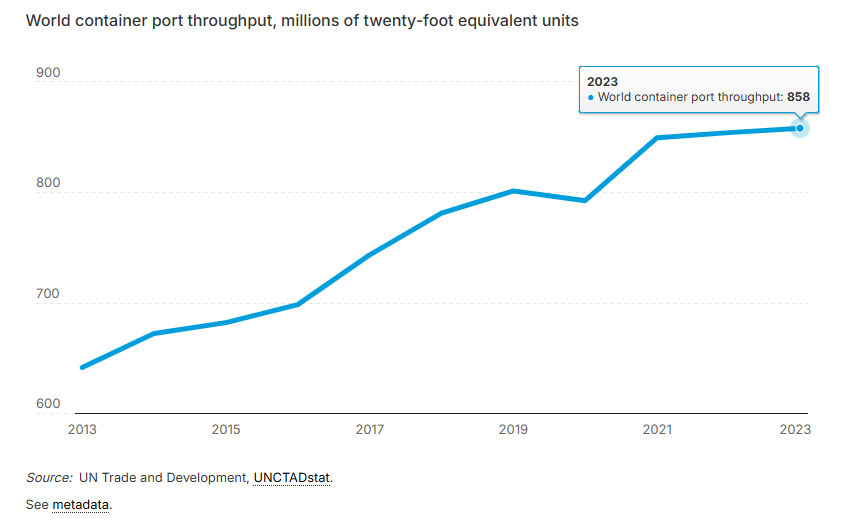
As the key junction between maritime and inland logistics, ports play a central role in global trade. With maritime transport accounting for more than 80% of international merchandise volumes, and global container throughput reaching around 858 million TEUs in 2023 (UNCTAD), ports remain critical gateways for large-scale cargo flows.
Ports perform multiple operational functions critical to supply chains, including:
- Cargo handling: Managing containers, bulk materials, and specialized goods with precision and speed.
- Storage and staging: Temporary holding, sorting, and consolidation of shipments for onward transport.
- Coordination and scheduling: Dock management, vessel berthing, and interface with inland transport to minimize delays and maximize throughput.
Ports serve as critical nodes in global supply chains, enabling international trade, supporting regional economic growth, and influencing shipping efficiency.
Integrated Inland Transportation
A port’s global connectivity must be complemented by efficient inland logistics networks to extend cargo movement across domestic and regional markets. This intermodal infrastructure forms the backbone of supply chains once goods leave the port:
- Rail transport: High-capacity corridors move containers and bulk goods efficiently over long distances.
- Road networks: Trucks provide flexible, last-mile delivery and intermodal connectivity between terminals, warehouses, and industrial zones.
- Inland terminals and logistics parks: Function as consolidation, transfer, and storage points, supporting smooth cargo flow across multiple transport modes.
Integration between ports and inland networks ensures continuous, end-to-end supply chain operations, reduces bottlenecks, and optimizes transit times.
Warehousing and Material Handling Systems
Warehousing is a critical operational layer in logistics, enabling inventory management, cargo processing, and value-added services:
- Storage optimization: Facilities employ high-density racking, automated storage systems, and flexible layouts to manage diverse cargo types.
- Processing and distribution: Sorting, packaging, assembly, and labeling services prepare goods for downstream delivery.
- Material handling systems: Cranes, forklifts, automated guided vehicles (AGVs), and conveyors move cargo efficiently while maintaining safety and accuracy.
Efficient warehousing and handling systems support throughput, reduce operational risk, and enhance supply chain visibility.
System-Level Coordination and Operational Complexity
Logistics and port transportation are multi-layered systems where equipment, personnel, and processes must function cohesively:
- Operational orchestration: Synchronized scheduling of vessels, cranes, trucks, and railcars prevents congestion and maintains high throughput.
- Data-driven management: Real-time monitoring, inventory tracking, and logistics analytics provide actionable insights for decision-making.
- Risk and compliance management: Safety protocols, customs regulations, and environmental standards are integrated into daily operations.
The industry’s system-level complexity highlights the importance of strategic infrastructure planning and professional expertise in achieving operational excellence.
Typical Operations in Logistics And Port Transportation Systems
At ports and container terminals, operations span multiple stages, from vessel unloading and yard stacking to inland transport and distribution. Each stage requires precise coordination of cranes, transport vehicles, storage systems, and yard layout, ensuring containers move efficiently from ship to final destination. These processes are critical for maintaining high throughput, minimizing dwell times, and supporting the seamless integration of ports with adjacent logistics facilities.
Ship-to-Shore Operations
The first critical stage is vessel unloading and loading:
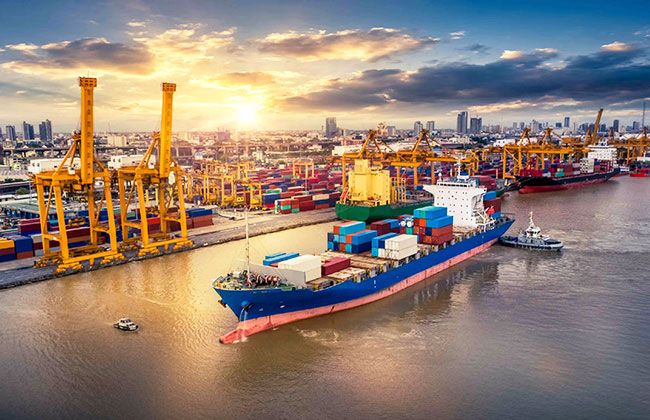
- Ship-to-shore (STS) cranes lift containers from vessels and place them onto quay vehicles or directly onto the yard.
- Modern terminals increasingly employ semi-automated or automated STS cranes to improve speed and precision, especially for large container vessels.
- Efficiency at this stage directly affects berth turnaround time and overall port throughput.
Yard Operations and Container Stacking
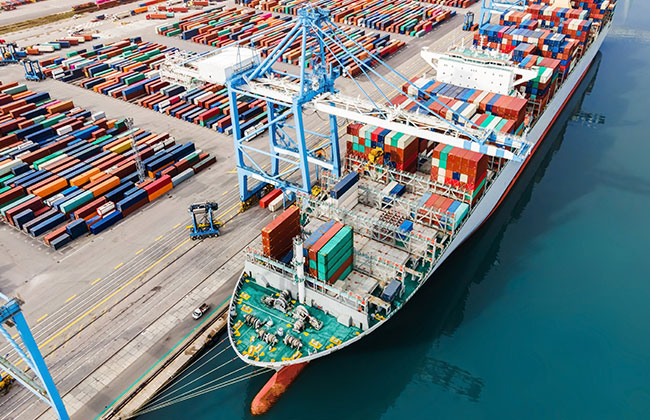
Once containers are unloaded, yard operations take over:
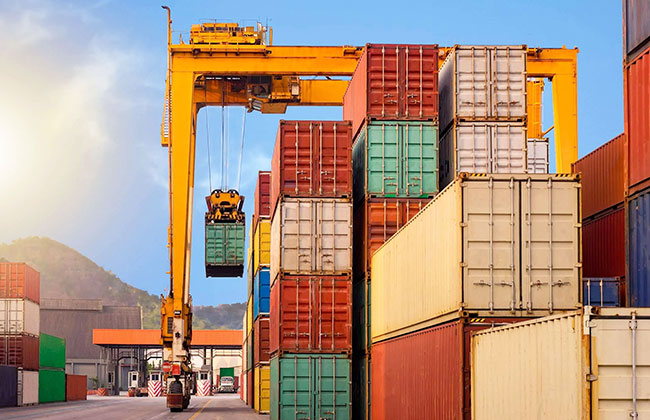
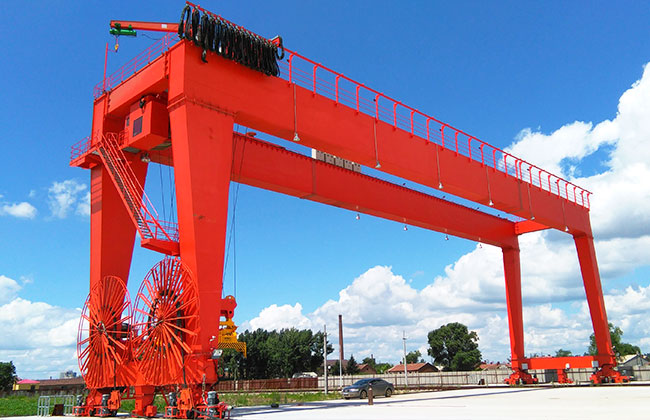
- Rubber-Tyred Gantry (RTG) and Rail-Mounted Gantry (RMG) cranes move containers to storage blocks.
- Containers are stacked efficiently based on size, destination, and retrieval priority.
- Yard management systems schedule crane movements, optimize stacking patterns, and reduce idle time.
- High-density yards require careful planning to maximize space utilization while maintaining safety.
Horizontal Transport and Gate Operations
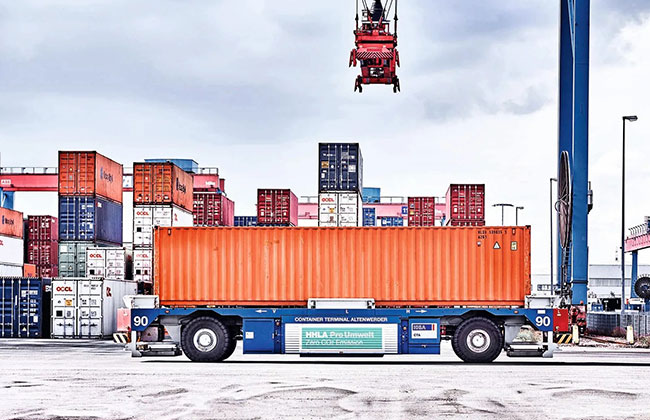
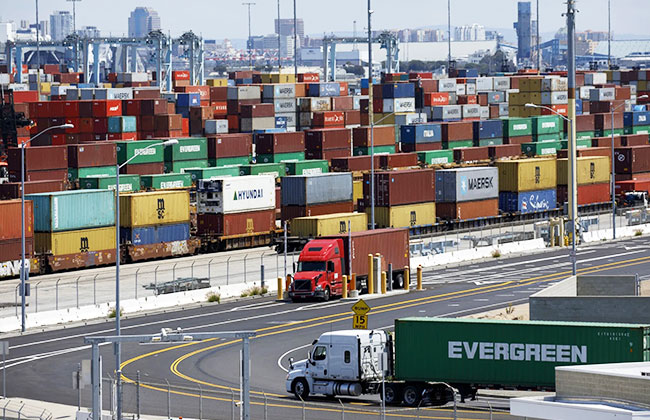
Containers are transported between the quay, yard, and gate via trucks, AGVs, or automated shuttle systems:
- Horizontal transport systems ensure timely delivery to inland terminals or distribution centers.
- Gate operations manage incoming and outgoing trucks, scanning containers, verifying documentation, and preventing congestion.
- Real-time scheduling and traffic management improve throughput and reduce dwell time.
Integration with Logistics Parks
Many modern ports have adjacent logistics parks or inland distribution centers:
- These facilities handle cargo consolidation, temporary storage, repackaging, and value-added services.
- Integration with port operations allows containers to move seamlessly from ship to terminal to final distribution.
- System-level planning ensures smooth interaction between port terminals, logistics parks, and inland transport, improving overall supply chain efficiency.
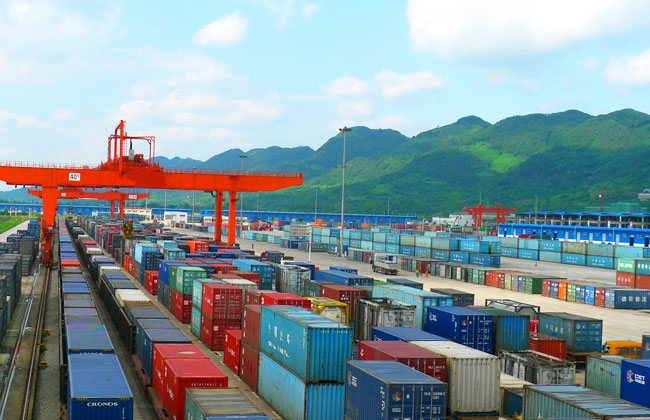
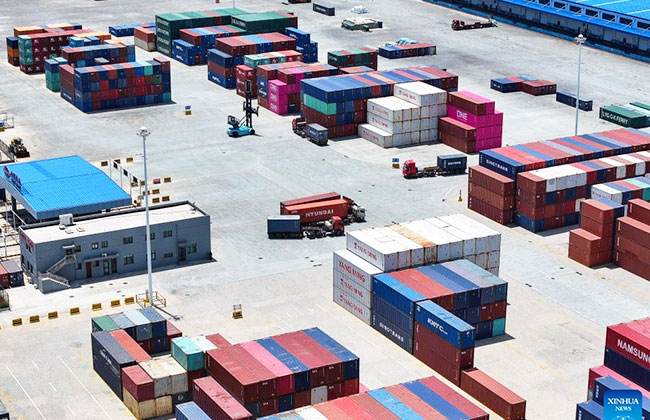
Smooth port operations rely on efficient material handling, where cranes play a central role in moving containers between ship, yard, and inland transport. This highlights the importance of crane systems as a core part of port and logistics infrastructure, which we will examine next.
Crane Systems as a Core Part of Port and Logistics Infrastructure
Crane systems are essential components of modern port and logistics infrastructure. They streamline material handling, improve operational efficiency, and support high-throughput workflows. Each Aicrane crane type has a specialized role in warehouse, yard, and port operations.
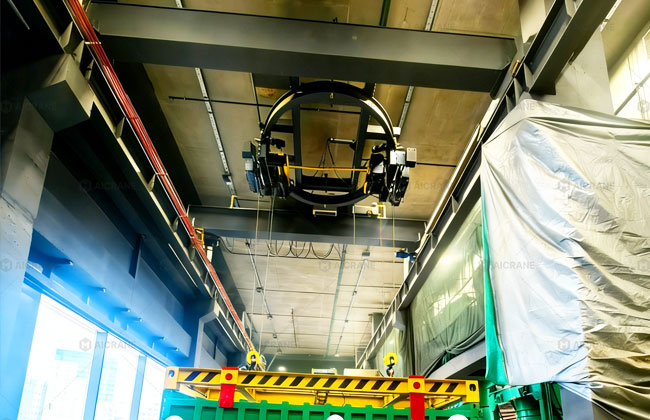
Overhead Cranes in Logistics Facilities
- Role: Facilitate precise horizontal and vertical transport of heavy loads inside warehouses and production halls.
- Benefits: Reduce manual handling, prevent floor congestion, and support continuous operations.
- Integration: Work with conveyors, AGVs, and warehouse management systems for synchronized material flow.
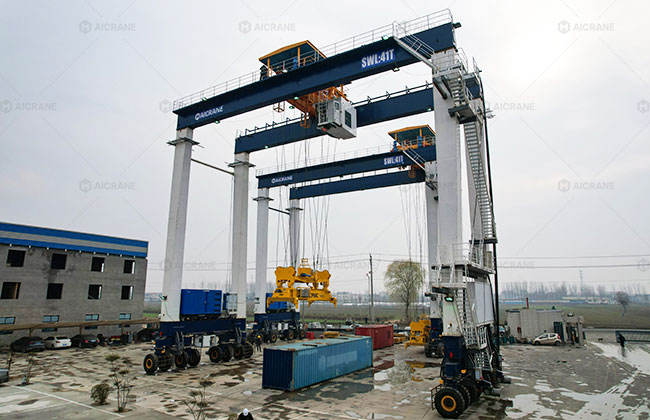
RTG Cranes in Port & Yard Operations
- Role: Handle container stacking and retrieval in outdoor yards and port terminals.
- Benefits: Maximize yard density, speed up container flow, and ensure high throughput.
- Flexibility: Mobile RTG design allows operation over large areas, bridging quay cranes and storage zones efficiently.
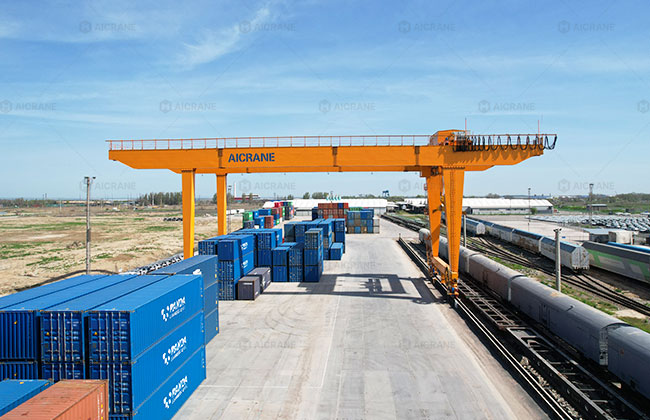
RMG Cranes in Container Yards
- Role: Support high-volume container handling along fixed rail tracks.
- Benefits: Enable multi-row stacking, precise scheduling, and reliable handoffs between rail, truck, and storage.
- Integration: Coordinate with yard management systems for inventory tracking and operational predictability.
Operational Challenges Across Port and Logistics Transportation
Despite advanced crane systems and streamlined yard operations, ports and logistics facilities face a series of operational challenges that directly affect efficiency, safety, and throughput. Understanding these challenges is critical for planning, investment, and process optimization.
Congestion and Bottlenecks
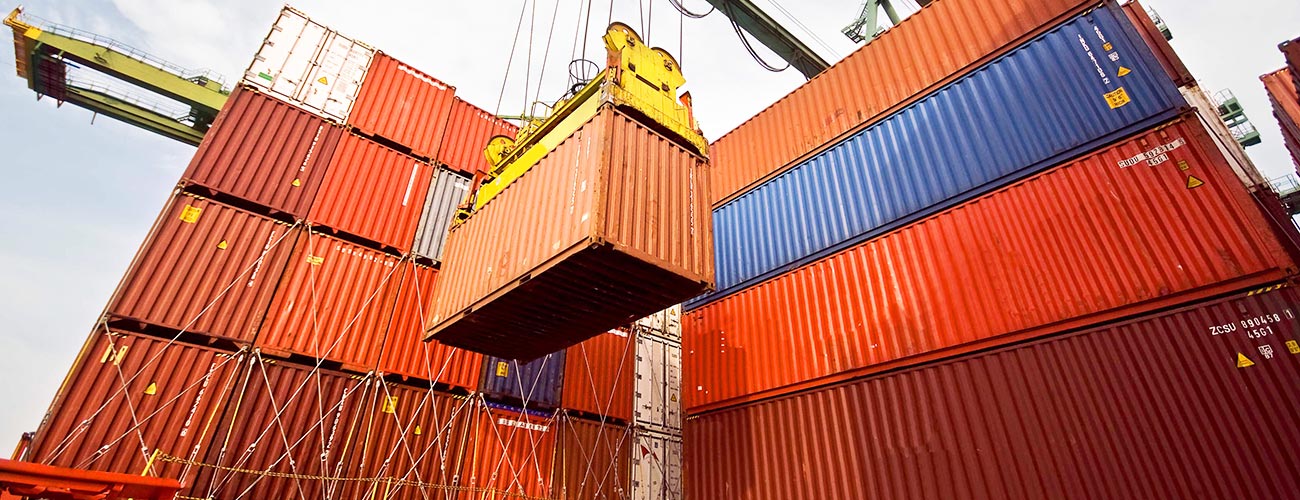
One of the most common challenges is traffic congestion within the port or logistics yard:
- Berth congestion: Delays in unloading/loading vessels due to limited quay availability or slow crane operations can create cascading effects across the terminal.
- Yard congestion: Inefficient container placement or scheduling may block crane access, reduce stacking efficiency, and increase dwell times.
- Gate delays: High inbound/outbound truck volumes without adequate coordination can create long queues, slowing overall cargo movement.
Addressing these bottlenecks requires integrated yard management systems, real-time monitoring, and coordinated scheduling across cranes, transport vehicles, and terminal gates.
Equipment Downtime and Maintenance
Cranes and material handling equipment are high-capacity systems, but they require regular maintenance to ensure reliability:
- Unexpected breakdowns can halt container handling, causing significant operational delays.
- Maintenance planning must balance preventive upkeep and operational demands, minimizing impact on throughput.
- Automated monitoring systems can predict potential failures, allowing proactive maintenance and reducing unplanned downtime.
This highlights the importance of viewing intermodal crane systems as part of a resilient infrastructure network, where equipment reliability directly affects operational continuity.
Environmental and Regulatory Pressures
Modern port operations are increasingly subject to environmental and regulatory requirements:
- Emission reduction goals push the adoption of electric-powered gantry cranes, shore power, and low-emission vehicles.
- Noise and dust management in densely populated areas may limit operational hours or equipment types.
- Compliance with safety regulations adds complexity to planning, training, and execution of port operations.
Balancing operational efficiency with sustainability and regulatory compliance requires strategic planning, investment in green technologies, and staff training.
Ports that proactively address these challenges maintain higher throughput, reduced costs, and improved service reliability, strengthening their role in global supply chains.
How Lifting Equipment Addresses Key Port and Logistics Challenges
Given the operational challenges faced by modern ports, lifting equipment plays a critical role in maintaining smooth and efficient cargo flow. By combining robust design, intelligent control, and environmentally conscious technologies, cranes and material handling systems help ports address these challenges directly, improving throughput, reliability, and compliance.
High-Speed Precision LiftingAdvanced container cranes with fast hoisting speeds, precise trolley movements, and anti-sway control enable quicker container handling and accurate placement. Optimized yard crane layouts and integration with terminal management systems reduce vessel turnaround time and alleviate yard and berth congestion.
Intelligent Monitoring and MaintenanceModular designs, condition monitoring, and predictive maintenance improve durability and minimize unexpected downtime. Continuous tracking of motor loads, brake status, and operational cycles allows early detection of potential issues, keeping equipment available during peak operations.
Energy-Efficient Safe OperationElectric drives, regenerative systems, and low-noise design reduce emissions, energy use, and environmental impact. Integrated load protection and safety monitoring ensure regulatory compliance while supporting smooth and secure container handling in complex port environments.
Future Trends: Smart, Green, and System-Oriented Port Logistics
Port and logistics operations are evolving rapidly under the influence of technology, sustainability, and integrated system thinking. The next generation of terminals emphasizes intelligent automation, environmental responsibility, and optimized material flow, transforming how cargo moves from ship to inland destinations.
Smart Ports and Digital Integration
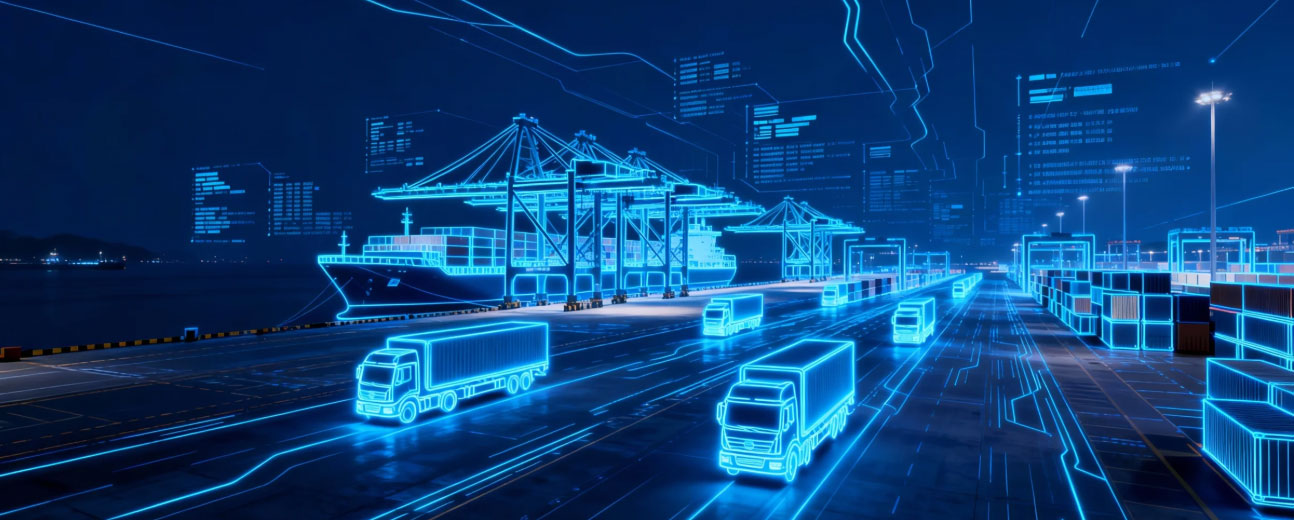
Smart ports leverage advanced digital technologies to enhance operational efficiency and visibility:
- IoT-enabled equipment and sensors allow real-time monitoring of cranes, vehicles, and yard conditions, enabling predictive maintenance and operational optimization.
- AI-driven scheduling systems optimize container stacking, retrieval, and transport routes, reducing bottlenecks and minimizing dwell time.
- Digital twin technology simulates terminal operations, allowing planners to test layout changes, equipment deployment, and contingency scenarios before physical implementation.
By integrating these technologies, ports can improve throughput, reduce operational errors, and increase decision-making speed, positioning themselves as central hubs in global supply chains.
Green and Sustainable Logistics
Environmental sustainability is becoming a mandatory component of modern port strategy:
- Electric and hybrid container handling cranes reduce greenhouse gas emissions while maintaining lifting efficiency.
- Energy recovery systems in cranes and automated vehicles capture and reuse braking or load-handling energy, reducing operational costs.
- Eco-friendly yard design – including dust and noise control measures – enhances compliance with environmental regulations and community standards.
Green logistics initiatives not only reduce environmental impact but also improve long-term operational resilience and cost efficiency, aligning with global sustainability goals.
System-Oriented Infrastructure
The future of port logistics emphasizes a holistic, system-oriented approach:
- Integrated planning of cranes, transport vehicles, and yard layout ensures seamless material flow across terminals, warehouses, and inland transport nodes.
- Intermodal connectivity between sea, rail, and road is optimized using real-time tracking and predictive analytics.
- Flexible infrastructure supports changing cargo volumes, peak season demands, and diverse cargo types, maintaining efficiency under variable conditions.
System-oriented thinking transforms gantry crane systems, yard management, and logistics vehicles from standalone assets into coordinated operational networks, enabling ports to respond dynamically to global trade demands.
Terminals that align with these developments are building the foundation for faster, safer, and more sustainable logistics operations. For operators planning long-term capacity upgrades or system optimization, now is the right time to reassess crane integration and infrastructure strategies to stay competitive in an increasingly demanding global supply chain.