


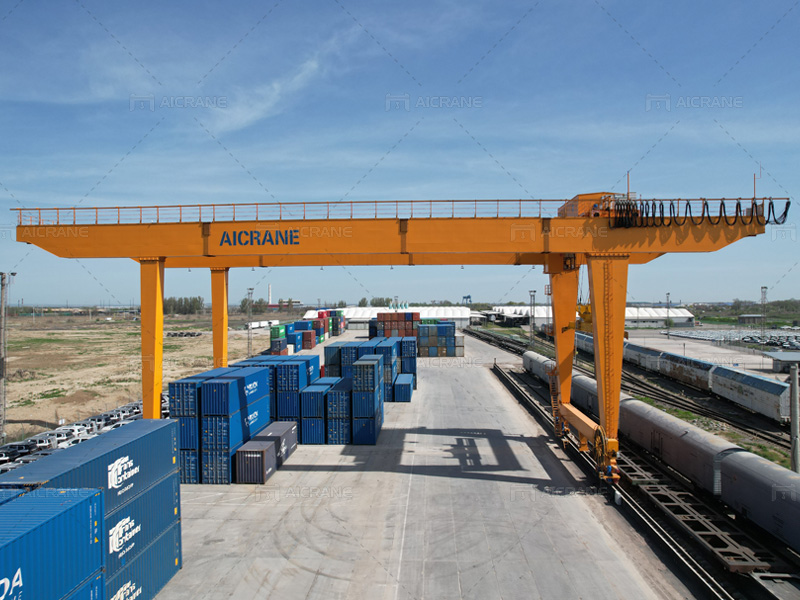
In the dynamic realm of logistics transportation, efficiency, speed, and reliability are paramount. Gantry cranes have emerged as indispensable tools in modern logistics, revolutionizing the movement and handling of heavy loads in diverse environments such as ports, manufacturing facilities, and logistics hubs.

Understanding Gantry Cranes in Logistics Transportation
Gantry cranes are specialized lifting equipment characterized by their overhead structure supported by legs or other frameworks. They are designed to handle heavy loads with precision and efficiency, making them ideal for various logistics applications. There are several types of gantry cranes tailored to specific operational needs:
Double Girder Gantry Cranes: These cranes feature two girders on which the trolley and hoist are mounted, providing superior stability and lifting capacity. Double girder gantry cranes are well-suited for heavy-duty applications where high precision and reliability are required.
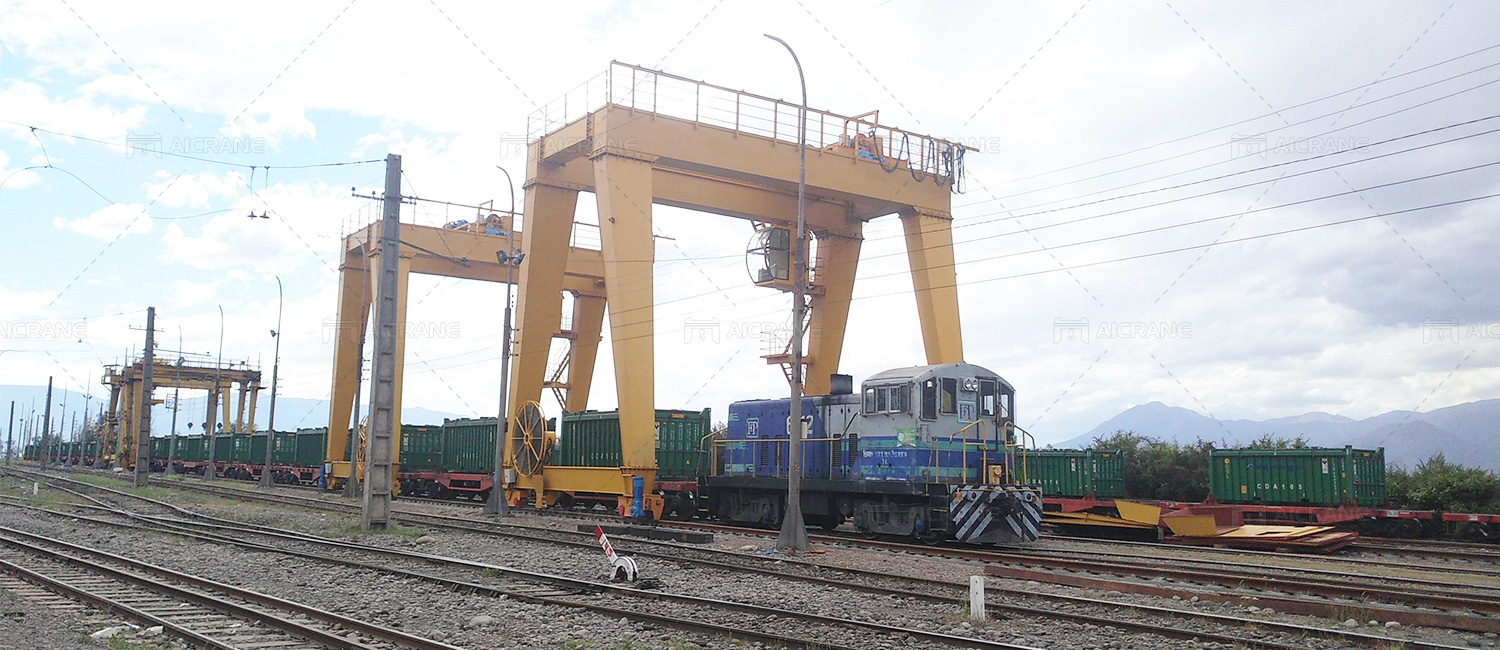
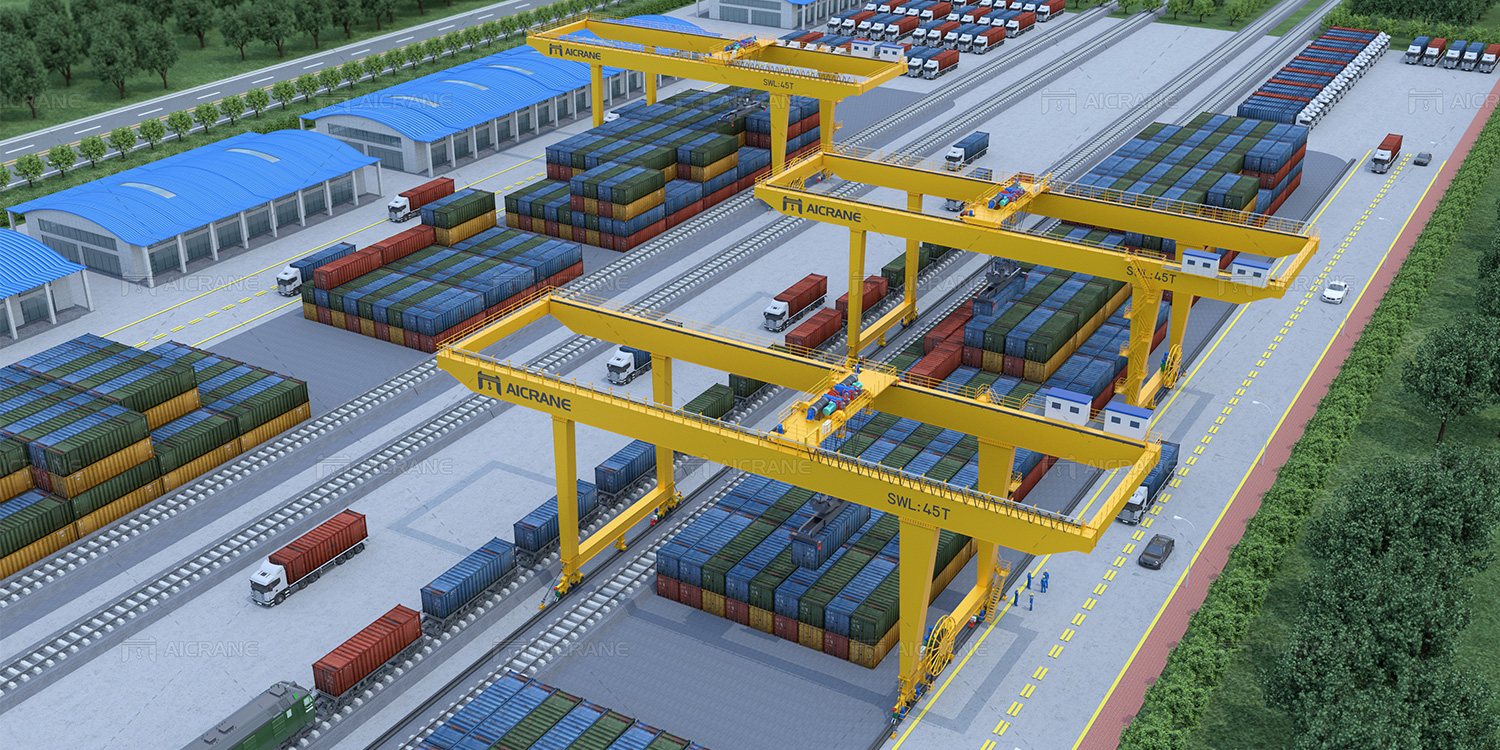
Rail Mounted Gantry Cranes: RMGs are used extensively in container terminals and intermodal yards. They run on rails, offering exceptional maneuverability and efficiency in stacking and moving containers. Their automated operation capability further enhances productivity in logistics operations.
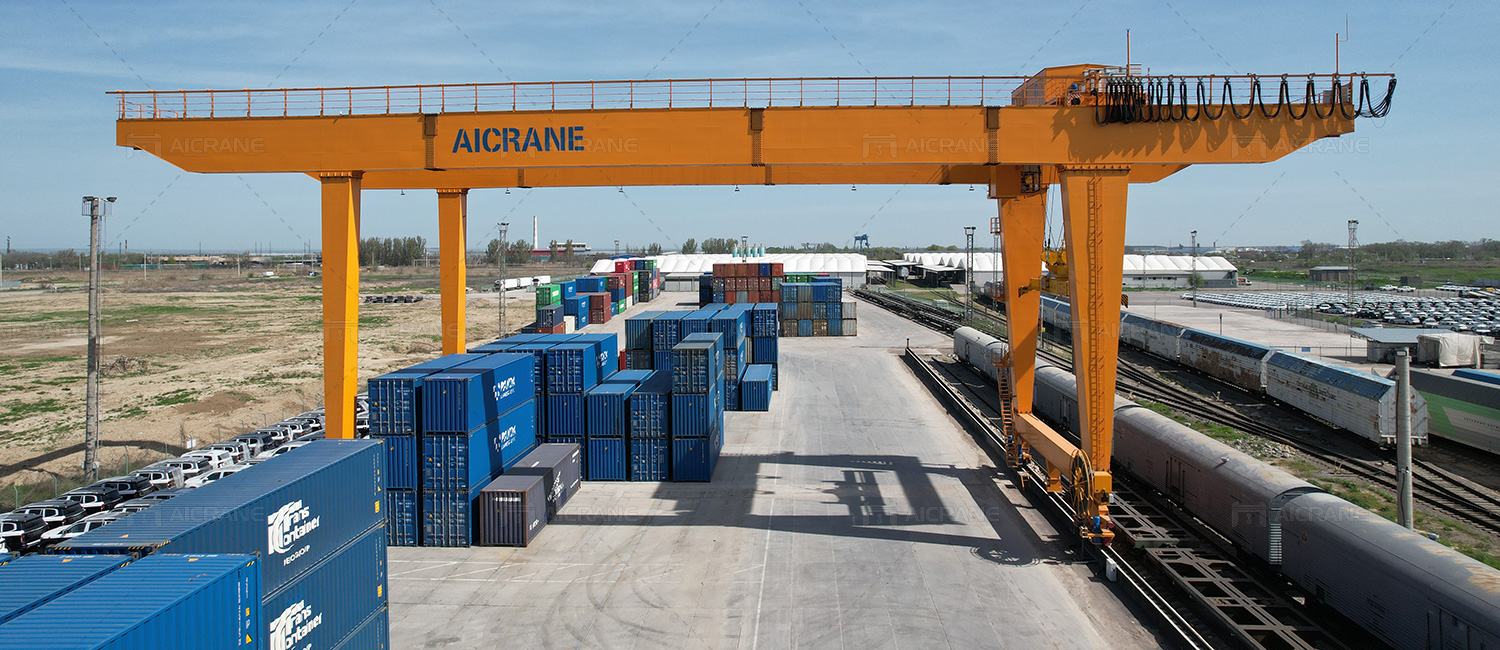
Rubber-Tyred Gantry Cranes: Rubber tyre gantry cranes are versatile cranes used primarily in container terminals and logistics stations for handling containers and other loads. They move on rubber tires, providing flexibility in load handling, especially in terminals where space is at a premium.
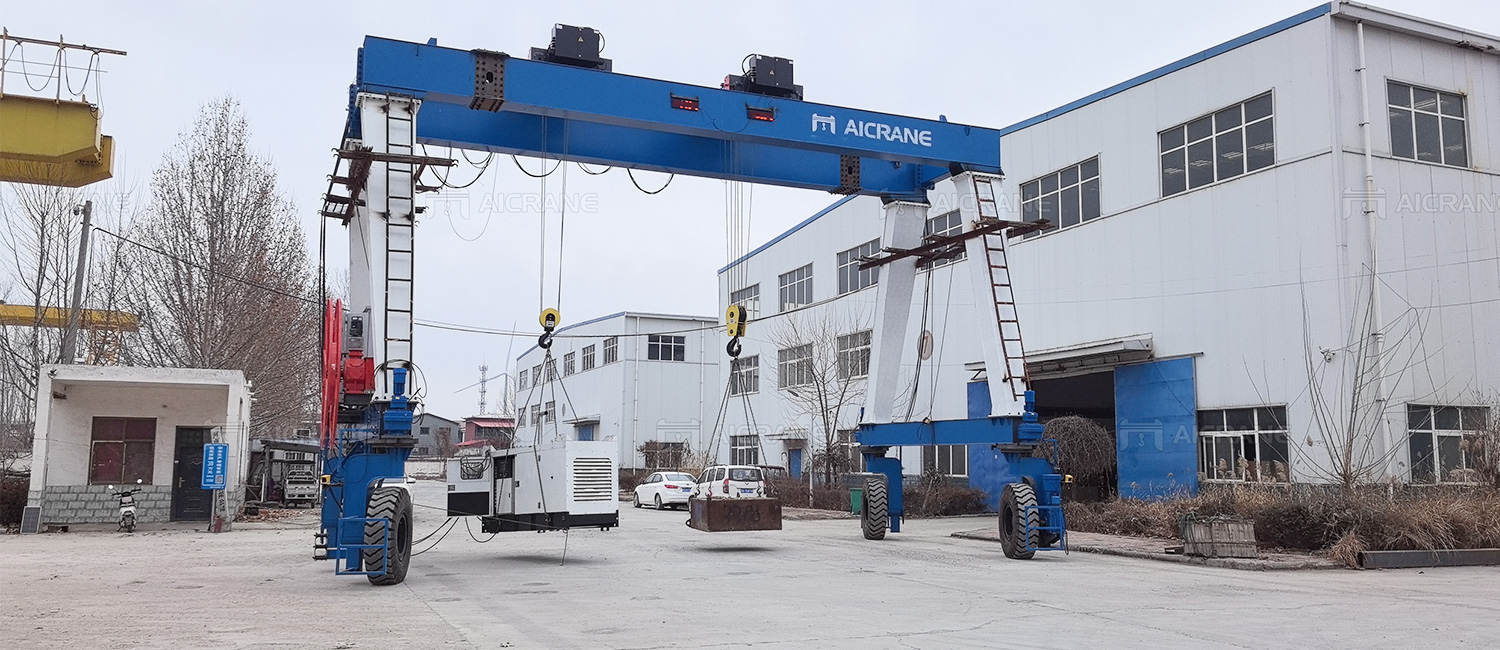
Each type of gantry crane plays a pivotal role in optimizing logistics operations by facilitating efficient cargo handling, reducing downtime, and improving overall throughput.
Role of Gantry Cranes in Logistics Transportation
- Efficiency in Cargo Handling: Gantry cranes significantly enhance efficiency by reducing loading and unloading times. In ports and terminals, where speed is crucial to maintaining throughput, gantry cranes excel in swiftly transferring containers between ships, trucks, and storage yards. The ability to handle heavy loads with precision ensures minimal disruption to supply chains.
- Versatility and Adaptability: The adaptability of gantry cranes across various environments contributes to their widespread adoption in logistics. Whether in rail-mounted gantry crane configurations navigating tight spaces of container yards or rubber-tyred models moving containers, these cranes are engineered to perform optimally in diverse conditions, thereby supporting seamless logistics operations.
- Safety and Reliability: Safety is paramount in logistics transportation, especially when dealing with large and heavy containers or materials. Gantry cranes adhere to stringent safety standards, equipped with advanced features such as overload protection, anti-sway technology, and precise control systems. These features not only ensure the safety of personnel and cargo but also minimize operational risks and downtimes.
- Cost Efficiency: By streamlining operations and reducing handling times, gantry cranes contribute to cost efficiency in logistics transportation. The ability to handle larger volumes of cargo in a shorter timeframe translates into lower operational costs per unit, thereby improving the overall profitability of logistics operations.
Future Trends and Innovations of Cranes for Logistics Transportation
The future of logistics transportation is increasingly shaped by technological advancements and innovations in lifting equipment design. Gantry cranes are no exception, with ongoing developments aimed at enhancing automation, integrating IoT (Internet of Things) capabilities for predictive maintenance, and improving energy efficiency through advanced power management systems.
- Automation and Robotics: Automation is revolutionizing logistics with the introduction of automated gantry cranes that can operate independently, guided by sophisticated software and sensor systems. Automated gantry cranes optimize workflows, reduce human error, and enhance operational efficiency, particularly in high-volume environments.
- IoT Integration: IoT-enabled gantry cranes provide real-time data on performance metrics, maintenance requirements, and operational insights. This data-driven approach allows for proactive maintenance scheduling, minimizing unplanned downtime and optimizing crane utilization.
- Green Logistics: With an increasing focus on sustainability, gantry crane manufacturers are developing eco-friendly solutions that prioritize energy efficiency and emission reduction. Hybrid power systems and regenerative braking technologies are examples of innovations aimed at minimizing environmental impact while maintaining high performance standards.

Conclusion
Gantry cranes are pivotal in advancing logistics transportation by enhancing efficiency, safety, and sustainability across various industries. As global trade continues to grow and supply chains become more complex, the role of gantry cranes will only become more critical in ensuring seamless cargo handling and transportation. Embracing technological advancements and innovations will further empower logistics stakeholders to meet evolving demands and challenges in the years to come.
By investing in state-of-the-art gantry crane solutions, logistics providers can position themselves at the forefront of industry advancements, driving operational excellence and maintaining competitive advantage in the global marketplace.