


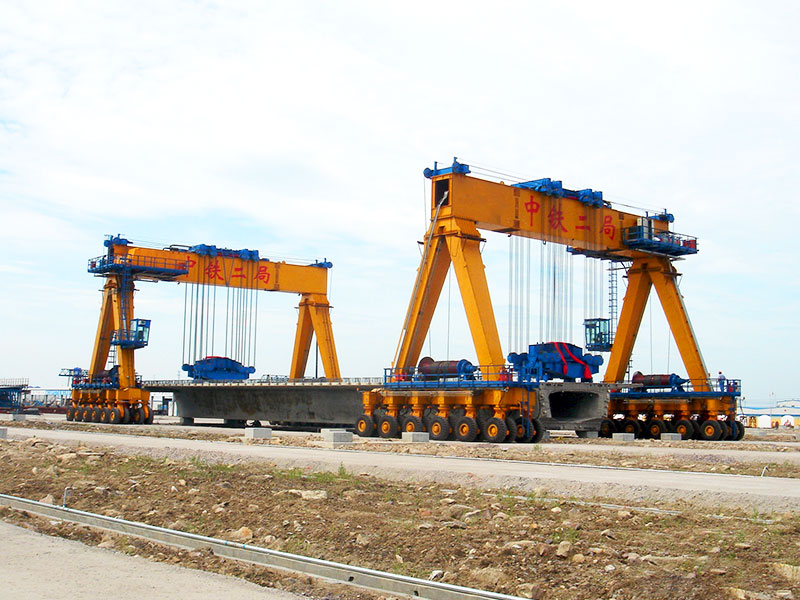
In the precast concrete industry, efficient and safe handling of components is a critical step from factory production to on-site assembly. Precast elements such as wall panels, beams, slabs, and columns vary widely in size, shape, and weight, making a one-size-fits-all lifting approach impractical. Implementing tailored lifting strategies not only ensures structural integrity but also improves operational efficiency and reduces safety risks.
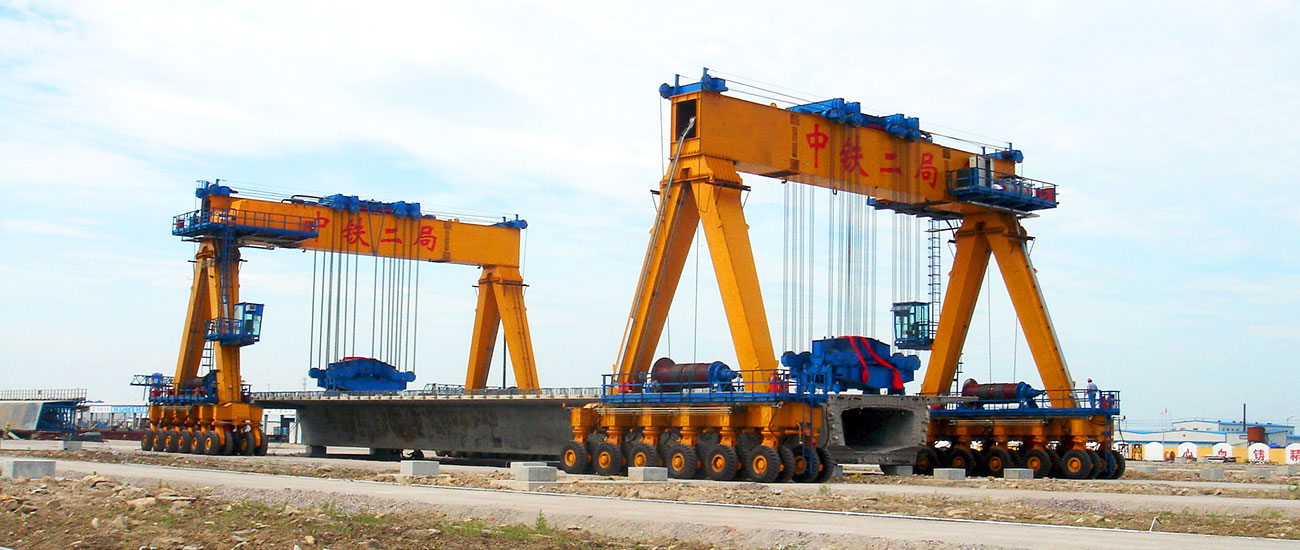
Key Principles of Lifting Precast Concrete Components
Safe and efficient lifting of precast concrete components relies on a combination of engineering expertise, precise planning, and adherence to established industry standards. Several principles guide handling operations across factory and site environments:
Component Assessment and Weight DistributionEach precast element must be evaluated for weight, geometry, and center of gravity before lifting. Accurate assessment ensures that cranes and lifting equipment are not overloaded, and that lifting points are positioned to prevent bending or torsional stress on the component.
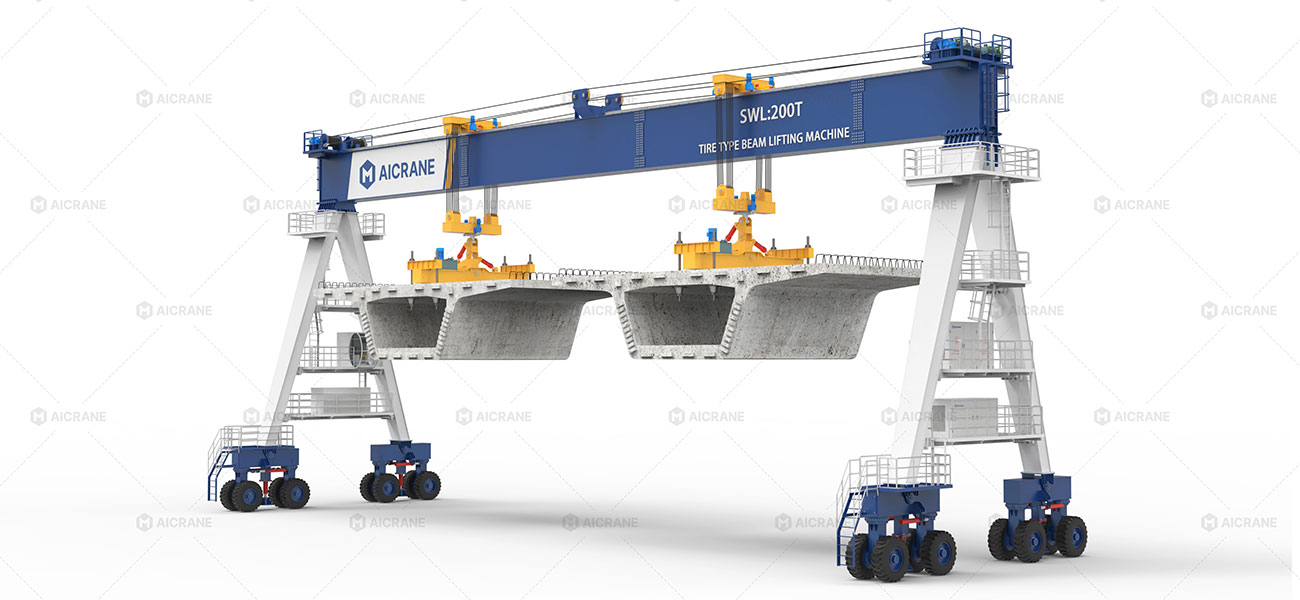
Equipment Selection and MatchingThe choice of lifting machinery – overhead cranes, gantry cranes, rubber tyred gantry cranes, or specialized cranes – must match the component type, size, and operational environment. For example, bridge or gantry cranes are preferred for moving large wall panels within the plant, while mobile rubber tyred gantry cranes may be required for on-site placement of long beams or columns.
Tailored Lifting MethodsPrecast components require lifting strategies suited to their shape and weight distribution. Multi-point lifting, spreader beams, and vacuum-assisted lifters are commonly used to minimize stress concentrations. Long or heavy components may require synchronized dual-crane operations to maintain stability during transport.
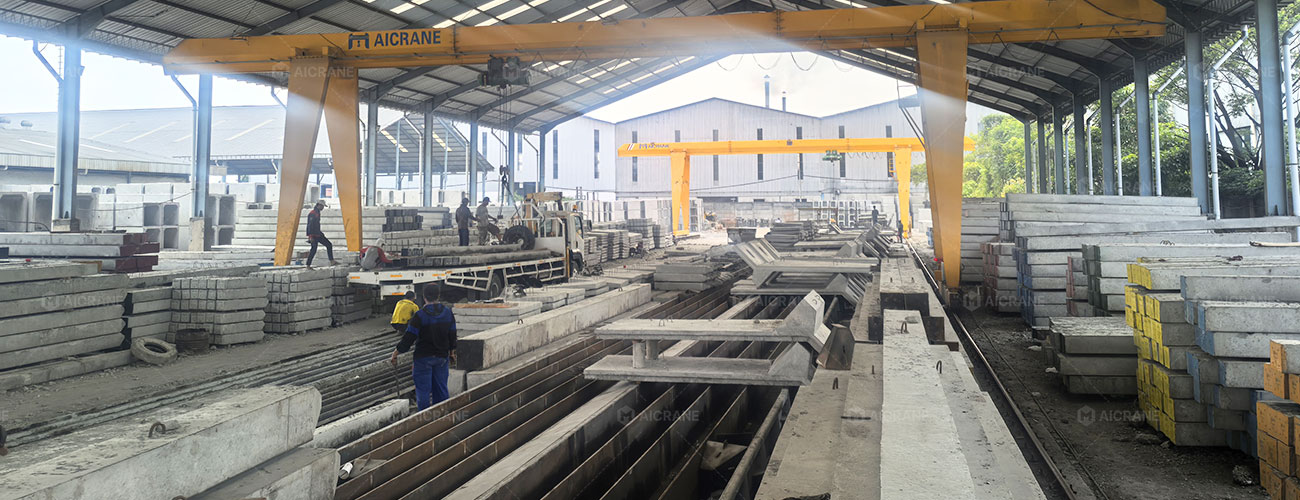
Workflow and Spatial PlanningIn precast plants, layout design directly affects lifting efficiency. Clear pathways between casting beds, curing areas, storage yards, and loading zones allow cranes to operate without obstruction. On-site, careful planning of lifting zones and transport routes reduces handling time and prevents collisions or accidental damage.
Safety Protocols and Quality ControlStrict safety measures are mandatory at every stage. This includes pre-lift inspections of lifting gear, verification of rigging angles, use of tag lines for stability, and supervision by experienced operators. Quality control measures – such as monitoring for cracks or surface damage – ensure that handling does not compromise component integrity.
Building on these principles, the following lifting strategies are specifically tailored to different types of precast components – such as wall panels, beams, slabs, columns, and specialized elements – to ensure safe handling and precise placement across both factory and site operations.
Tailored Lifting Approaches for Different Precast Concrete Components
Handling precast concrete components requires strategies tailored to each type, considering geometry, weight distribution, and structural sensitivity. Clear, component-specific methods help ensure safety, efficiency, and integrity throughout both plant and site operations.
Wall Panels
Wall panels are typically thin, rectangular, and large in surface area. They may include openings for windows, doors, or utilities, making them relatively fragile and susceptible to bending or cracking during handling.
Lifting Approach:
- Attachment Points: Use embedded lifting anchors or lifting loops placed near the panel’s edges, avoiding openings.
- Lifting Orientation: Panels are usually lifted in a vertical orientation to minimize bending stresses.
- Stability Measures: Employ spreader beams or vacuum lifters to distribute forces evenly across the panel surface.
- Movement Control: Utilize taglines and guide ropes to prevent rotation or swaying during hoisting.
Key Consideration: Avoid lifting panels by a single anchor or near weak points, as uneven load distribution can lead to cracking.
Beams and Girders
Precast beams and girders are long, slender, and heavy. They often have a high length-to-depth ratio, which makes them prone to bending and deflection during lifting.
Lifting Approach:
- Dual-Point Lifting: Use two or more lifting points along the length of the beam to reduce bending moments.
- Spreader Bars: Employ spreader bars to maintain horizontal alignment and prevent twisting.
- Temporary Supports: For very long beams, consider temporary lifting frames to support the ends.
- Hoisting Speed: Lift slowly to minimize dynamic forces, especially in windy conditions.
Key Consideration: Always calculate the beam’s center of gravity and ensure lifting points are symmetrically placed to prevent torsion.
Hollow-Core Slabs
Hollow-core slabs are lightweight relative to their length but structurally sensitive due to internal voids. They are commonly used for flooring and roofing.
Lifting Approach:
- Multiple Lifting Points: Use lifting anchors along the slab edges and occasionally near the midspan.
- Edge Protection: Protect slab edges with padding or spreader bars to avoid chipping or cracking.
- Orientation: Slabs are often lifted horizontally but may require slight angling for insertion into support frames.
- Handling Rigidity: Maintain slab rigidity with temporary bracing to prevent sagging during transport.
Key Consideration: Avoid placing lifting points in hollow voids, as this compromises structural integrity.
Columns and Piers
Precast columns are vertical, elongated elements that are often slender and heavily reinforced. Their height and weight require specialized lifting control.
Lifting Approach:
- Vertical Lifting: Use top-mounted lifting anchors designed for vertical hoisting.
- Stabilization: Employ temporary bracing or guiding frames to prevent lateral movement.
- Rigging Inspection: Ensure slings, shackles, and lifting points are rated for eccentric loads.
- Assembly Consideration: Columns may need rotation from horizontal transport to vertical installation, requiring precise pivoting techniques.
Key Consideration: Never lift columns from a single mid-height anchor, as this induces bending stresses and potential damage.
Special or Irregular Components
Special components include curved panels, architectural facades, uniquely shaped cladding, and custom modular units. Their geometry often defies standard lifting assumptions, and their structural weak points may be unpredictable.
Lifting Approach:
- Custom Lifting Frames: Design temporary lifting frames or cradles that match the component’s unique shape.
- Multi-Point and Distributed Lifting: Use several lifting points to balance irregular loads and avoid stress concentrations.
- Dynamic Monitoring: Employ sensors or manual inspection to monitor deflection and rotation during hoisting.
- Temporary Reinforcement: Consider adding temporary bracing, straps, or padding at delicate points.
- Controlled Movements: Slow and precise crane operation is essential; taglines or guide personnel may be required for maneuvering in tight spaces.
Key Consideration: Every irregular component is essentially a custom lift. Engineers should model its center of gravity, rigidity, and potential weak points before deciding lifting points or straddle crane configuration.
In summary, the diverse characteristics of precast concrete components require carefully tailored lifting approaches to ensure safety, structural integrity, and operational efficiency. Implementing these methods effectively depends on selecting the appropriate cranes, spreader bars, and rigging equipment, which will be discussed in the following section.
Lifting Equipment and Rigging Selection Strategies in Precast Concrete Operations
Choosing the right lifting equipment and rigging systems is critical to ensure safe, efficient, and precise handling of precast concrete components. Selection must be guided by the component’s size, weight, geometry, and the operational environment in both the precast plant and on-site installation.
Crane Selection For Safe Precast Concrete Handling
Choosing the right crane is the foundation of safe precast handling. The selection should consider capacity, reach, precision, and mobility.
Capacity and Safety Margin
- Always choose a crane whose rated load exceeds the maximum component weight, factoring in dynamic forces during lifting.
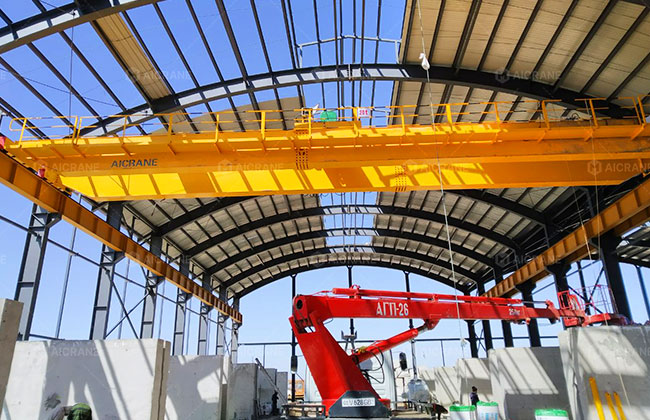
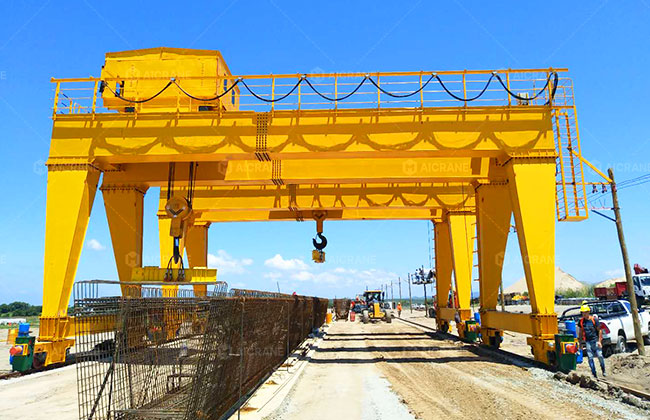
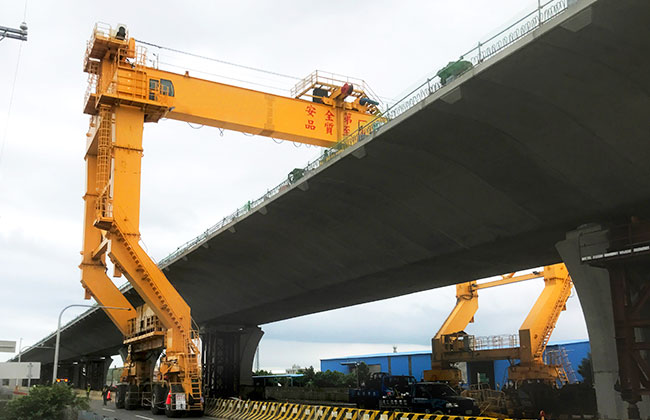
- For heavy beams, girders, or modular units, heavy duty double girder gantry cranes often provide the required lifting power.
Reach and Spatial Constraints
- Indoor factory operations typically rely on overhead cranes for precise horizontal and vertical positioning.
- Yard or truck-loading areas require gantry cranes or RTG cranes to handle large spans or navigate confined spaces.
Precision and Control
- Components with delicate surfaces or complex geometry demand cranes with smooth motion and fine control capabilities.
- Variable speed controls, slow hoist functions, and steady horizontal travel reduce the risk of component damage.
Mobility
- Fixed gantry cranes are ideal for repetitive factory workflows.
- Mobile gantry cranes provide flexibility for irregular layouts or components needing rotation during installation.
Precast Concrete Rigging Selection
Rigging directly interfaces with precast components and determines whether the lift is safe and damage-free. Selection is based on load distribution, component geometry, and surface protection.
Load Distribution
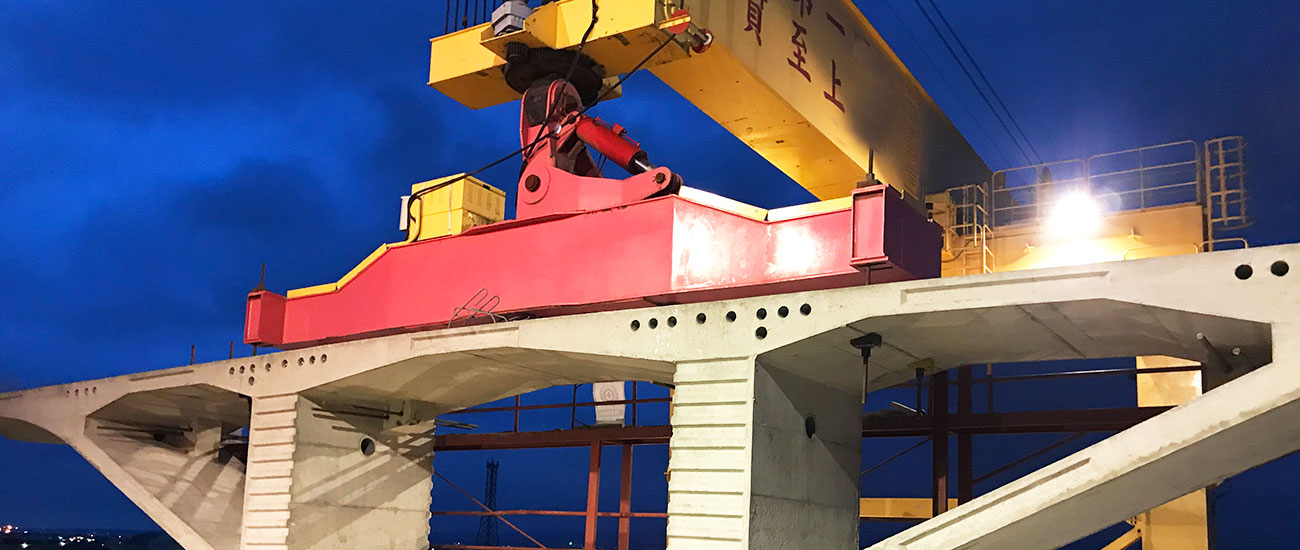
- Use spreader bars or lifting beams to distribute weight evenly, particularly for long beams, slabs, or wall panels.
- Multi-point slings are necessary for components with high length-to-depth ratios or irregular shapes.
Material and Durability
- Wire rope or chain slings suit heavy and long components.
- Synthetic slings are preferred for delicate surfaces to prevent chipping or scratching.
- Shackles, hooks, and lifting rings must be rated for the maximum load with an appropriate safety factor.
Component Geometry and Protection
- Custom lifting frames are often required for asymmetrical or curved elements, such as façade panels, or modular units.
- Vacuum lifters can handle thin panels without stressing embedded anchors.
- Padding or protective mats prevent direct contact between slings and sensitive surfaces.
Proper selection of lifting equipment and rigging ensures safe and efficient handling of precast concrete components. With the right tools in place, the next step is to focus on lifting operations, including handling procedures, coordination, and on-site placement techniques.
Lifting Operations for Precast Concrete Components
Effective lifting operations combine proper planning, skilled execution, and real-time monitoring to ensure safe and precise handling of precast concrete elements. Each stage, from plant handling to on-site installation, requires tailored procedures based on component type, weight, and geometry.
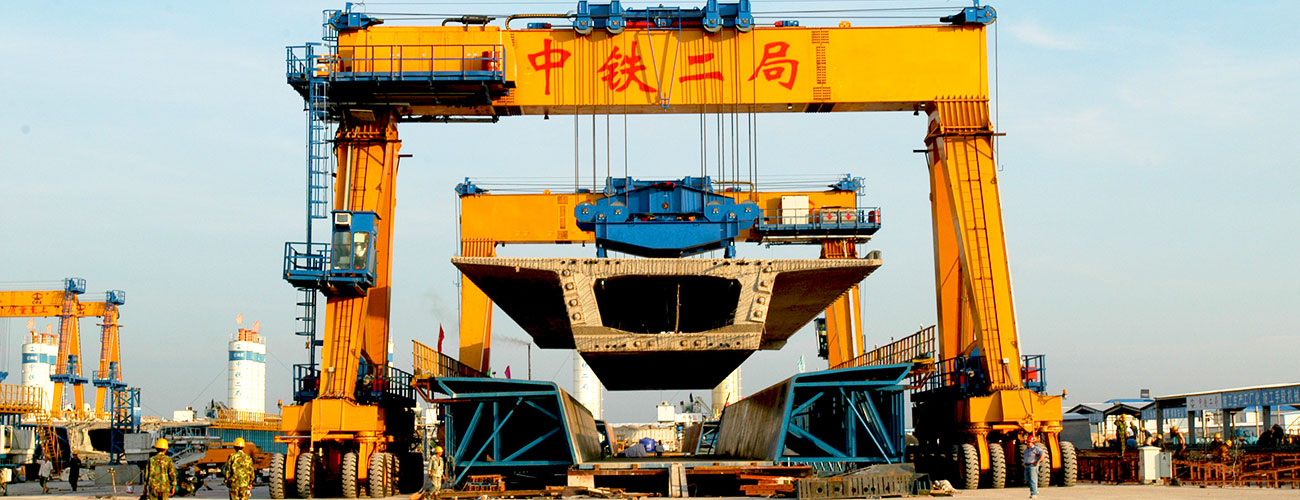
Pre-Lift Planning
- Component Assessment: Verify dimensions, weight, center of gravity, and structural sensitivities of the element.
- Lift Path Planning: Identify crane positioning, travel path, and potential obstructions. Ensure sufficient clearance for both horizontal and vertical movement.
- Rigging Verification: Confirm that slings, clamps, vacuum devices, and multi-point systems are correctly positioned and rated for the load.
- Safety Protocols: Establish communication signals, emergency stop procedures, and assign personnel to guide movement and monitor swing.
Controlled Lifting Procedures
- Gradual Load Application: Lift slowly to prevent sudden stress on the component. Avoid jerks or rapid acceleration.
- Swing and Rotation Control: Use tag lines or guide ropes to stabilize tall, slender, or asymmetrical elements.
- Monitoring Deflection and Stress: Continuously observe beam or slab flexing during the lift, especially for long or thin components.
Transport and Positioning
- Smooth Movement: Maintain a steady, level lift when moving components from storage to loading points or from crane to placement.
- Height and Clearance Management: Adjust crane height carefully to avoid collisions with overhead structures or other components.
- On-Site Placement: Align with prepared foundation, support points, or connections. Use temporary supports as needed to prevent tilting or bending.
Post-Lift Checks
- Component Inspection: Verify no visible cracks, bending, or surface damage occurred during lifting.
- Rigging Review: Inspect slings, clamps, and lifting devices for wear or deformation before the next operation.
- Documentation: Record lift details, including weight, personnel, equipment used, and any incidents, to support safety and quality management.
Executing precise lifting operations, combined with tailored lifting approaches and properly selected equipment, ensures that precast concrete components are safely handled from production to installation. Our wide range of cranes and tailored solutions are designed to support efficient and safe precast concrete operations – contact AICRANE today to optimize your lifting workflow.