


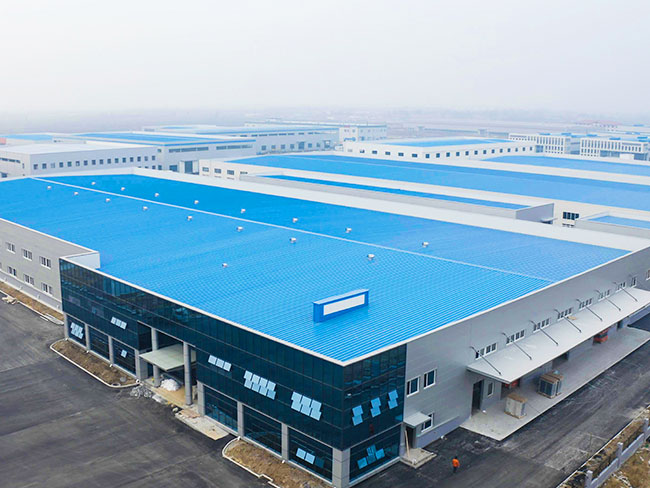
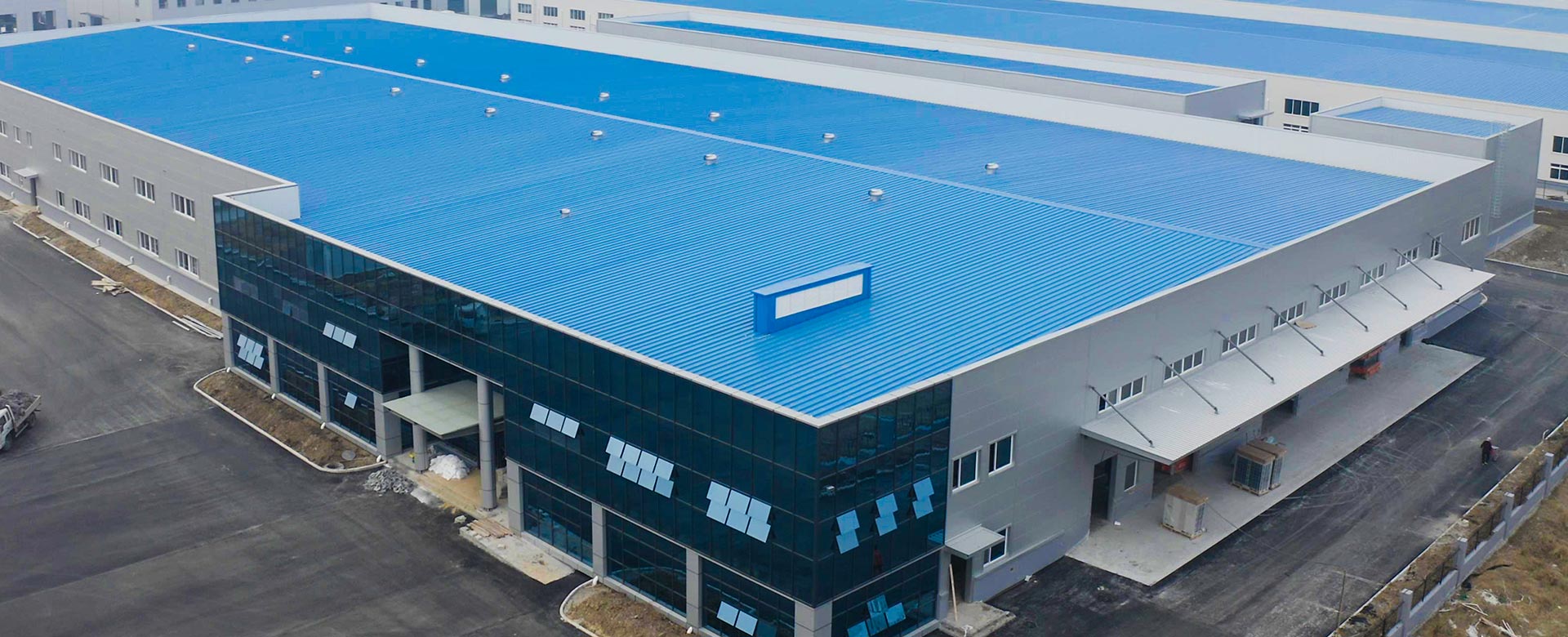
In today’s fast-paced industrial and logistics sectors, steel structure warehouse is a preferred choice for businesses seeking durable, cost-effective, and flexible storage solutions. These warehouses feature high-strength steel frameworks combined with modern construction techniques, enabling large spans, heavy load capacities, and seamless integration of overhead or gantry cranes. Designed for rapid construction and long-term durability, steel frame warehouses provide scalable layouts that meet the specific needs of manufacturing plants, logistics centers, and heavy-duty industrial operations.
Common Structural Types of Steel Structure Warehouse Buildings
The structure of a steel warehouse determines its span, load capacity, crane compatibility, and operational efficiency. Choosing the right type ensures durability, cost-efficiency, and operational flexibility.
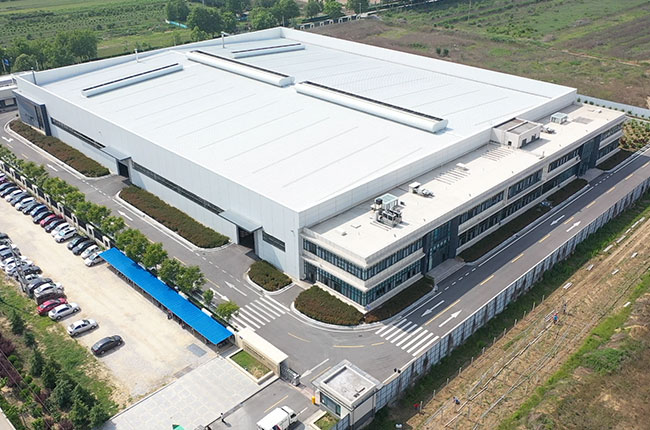
Steel Portal Frame Warehouses
- Portal frame warehouses, also known as rigid frame warehouses, use high-strength steel columns and beams to form a rigid, load-bearing frame.
- Supports large clear spans, heavy loads, and crane operations, ideal for industrial steel warehouses.
- The portal frame design allows prefabricated assembly, modular expansions, and fast construction.
- Recognized for structural stability, long service life, and compliance with industry standards.
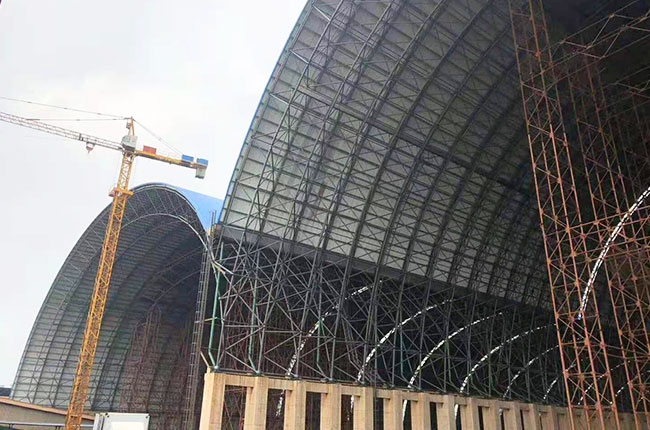
Grid Steel Structure Warehouses
- A three-dimensional steel grid structure framework providing uniform load distribution and exceptional strength.
- Ideal for very large steel structure for warehouses, automated high-bay warehouses, and prefab metal warehouse buildings.
- Lightweight yet robust, supporting cranes, conveyor systems, and automated material handling.
- Flexible layout allows modular expansions and specialized industrial configurations.
These prefabricated steel warehouses are fully prefabricated in factories, ensuring high quality, precision, and durability. This approach enables fast on-site assembly, reducing construction costs and labor. Warehouse prefabricated buildings support modular, temporary, or expandable designs and also offer flexible layouts to meet the diverse needs of industrial, logistics, and specialized storage applications.
Typical Applications of Steel Structure Warehouses
Warehoue steel structures provide durable, flexible, and scalable storage solutions for a wide range of industrial and logistics applications. With high-strength steel frameworks and prefabricated designs, these warehouses offer scalable solutions for a wide range of applications:
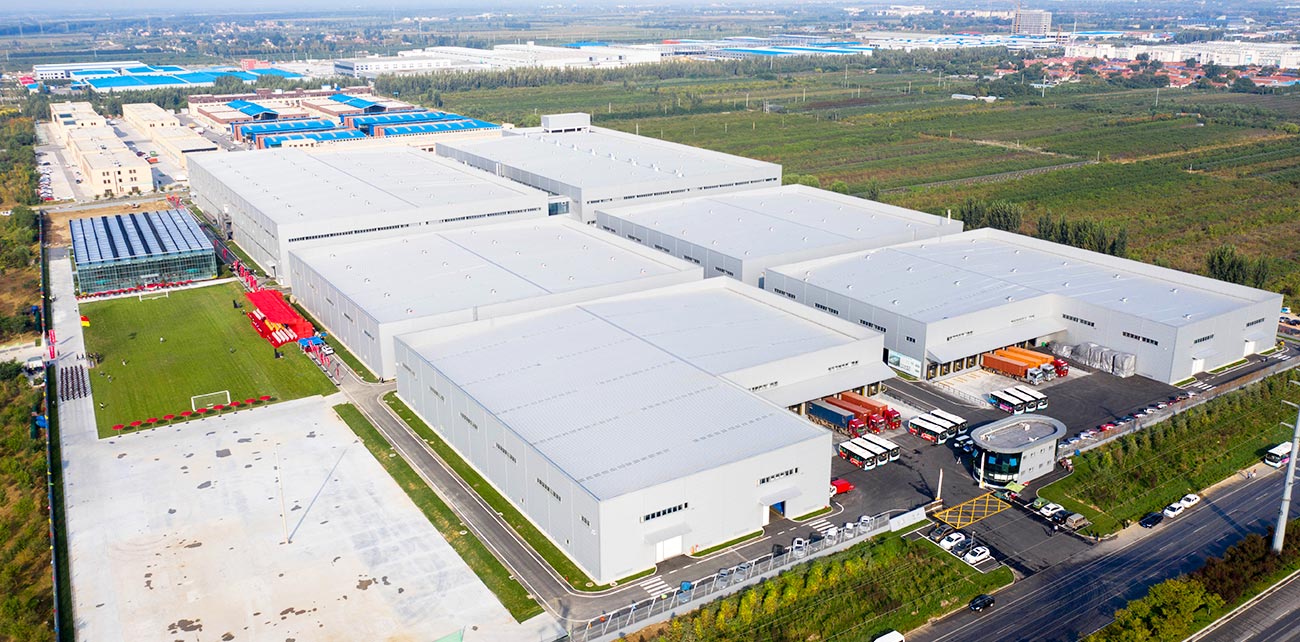
General Storage and Logistics
- Maximize storage efficiency for warehouses, distribution centers, and e-commerce fulfillment.
- Flexible layouts adapt to high-volume operations and seasonal demands.
- Compatible with forklifts, conveyors, and automated systems.
- Prefabricated designs enable rapid construction and easy future expansion.
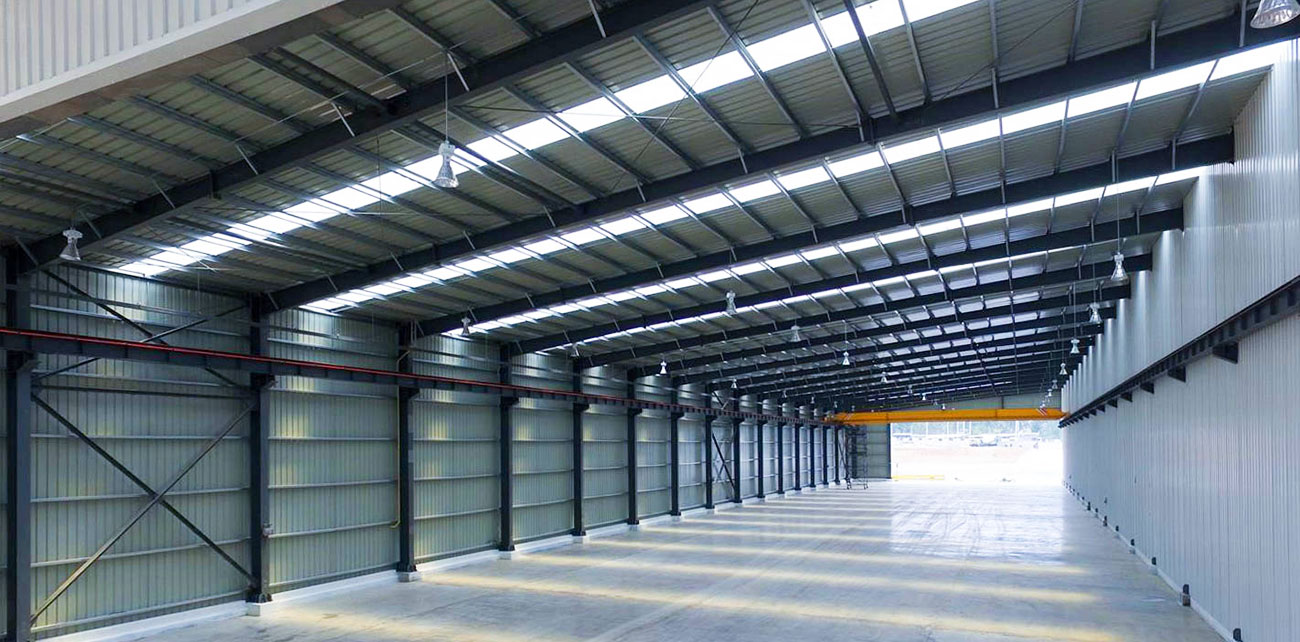
Industrial Warehouses
- Ideal for manufacturing plants, workshops, and heavy machinery storage.
- Supports overhead and gantry cranes for safe, efficient material handling.
- Spans up to 50 meters with high-strength steel frameworks for heavy-duty operations.
- Custom layouts accommodate assembly lines, production areas, and high-load storage.
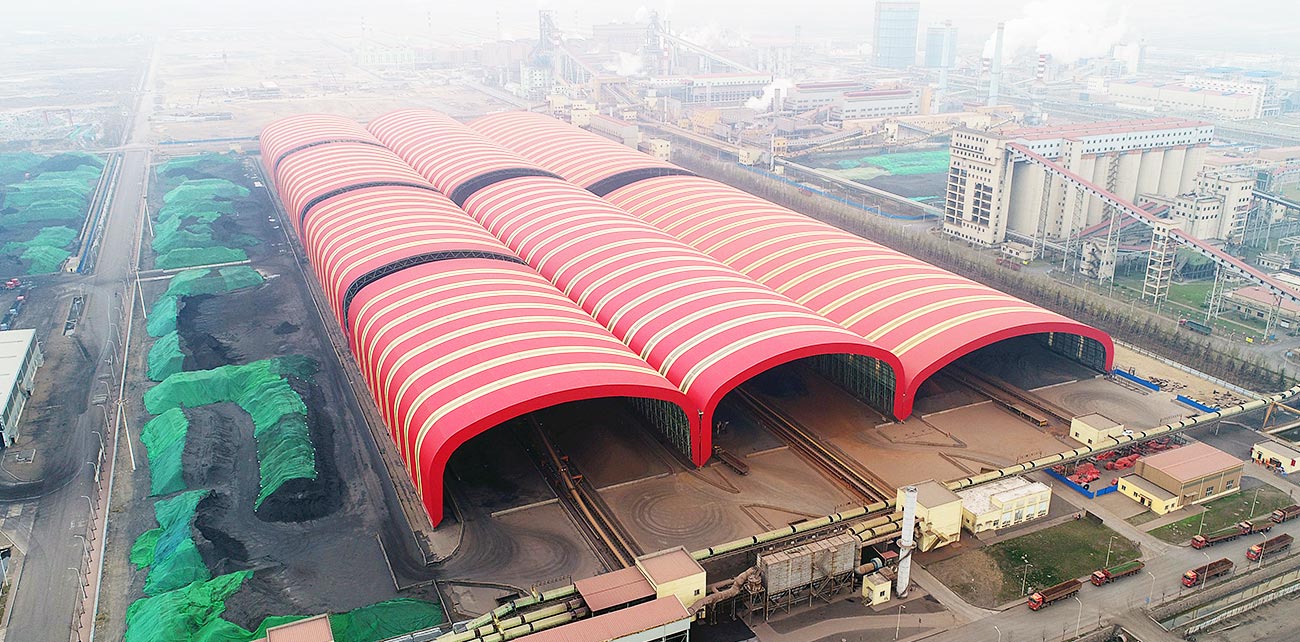
Specialized Warehouses
- Designed for cold storage, chemical storage, hazardous materials, coal storage, or automated high-bay warehouses.
- Engineered to meet specific environmental or operational requirements.
- Supports prefabricated or modular solutions with crane-ready structures.
- Ensures durability, safety, and compliance with industry regulations.
Steel structure warehouses serve diverse industries with varying operational demands. But what makes them so effective and reliable? The answer lies in their engineering design, material quality, and structural advantages.
Engineering Features and Benefits of Steel Structure Design for Warehouse
A high-quality warehouse steel structure is defined not only by materials, but by professional structural engineering, accurate analysis, and proven design standards. Our prefabricated metal warehouse solutions are developed based on advanced engineering methods to ensure safety, efficiency, and long-term value.
| Engineering Feature | What It Means in Practice | Advantage | Benefit to You |
|---|---|---|---|
| Load-based structural design | Structure is calculated based on actual loads and usage | Accurate structural strength | Safe and reliable long-term operation |
| Crane-ready structure | Design coordinated with warehouse overhead cranes | Stable crane operation | Smooth lifting and material handling |
| Optimized steel sections | Steel sizes selected through engineering analysis | Reduced unnecessary steel usage | Better cost efficiency without sacrificing safety |
| Prefabricated components | Steel members manufactured in factory | High fabrication accuracy | Faster installation and shorter project schedule |
| Flexible span and column layout | Column spacing designed for storage and traffic needs | Efficient space utilization | More usable warehouse area |
| Modular design concept | Structure allows future expansion or upgrades | High adaptability | Easier capacity or crane upgrades |
| Environmental adaptability | Design adjusted for local climate and conditions | Improved durability | Longer service life in real operating conditions |
| Maintenance-oriented design | Simple, accessible structural layout | Easier inspection and maintenance | Lower long-term operating costs |
To better illustrate how these engineering principles are implemented in practice, the following section presents selected Steel Structure Warehouse Projects, showcasing real-world applications across different industries and regions.
Steel Structure Warehouse Building Projects
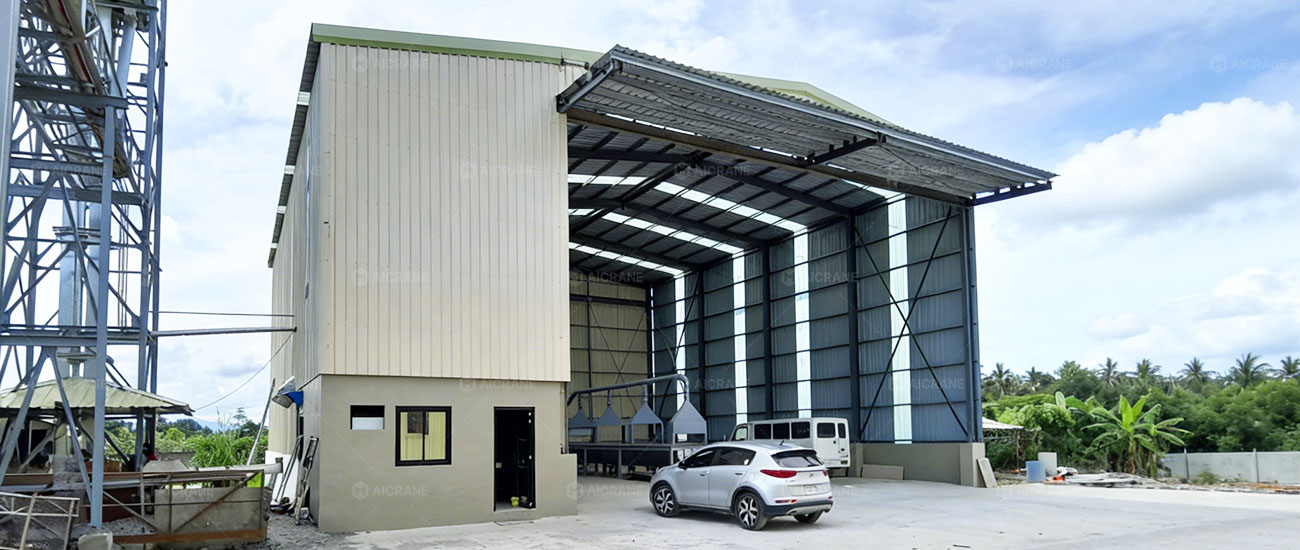
Grain Storage Warehouse in the Philippines
Dimensions: 20 m (W) × 20.5 m (L) × 9 m (H)
Primary Use: Bulk grain storage and management
Project Requirements:
- Efficient handling of bulk grain with support for trucks, forklifts, and logistics equipment
- Reliable performance under high temperature, high humidity, and heavy rainfall conditions
Design Highlights:
- Large-span steel warehouse building design provides a wide, column-free interior space for flexible operations
- Optimized ventilation, waterproofing, and corrosion protection for tropical climate durability
- Door design improves loading efficiency, ventilation, rain protection, and internal traffic flow
Client Benefits:
- Safe and hygienic grain storage meeting operational and safety standards
- Improved loading and unloading efficiency for bulk grain logistics
- Durable, low-maintenance steel warehouse frame structure with long service life
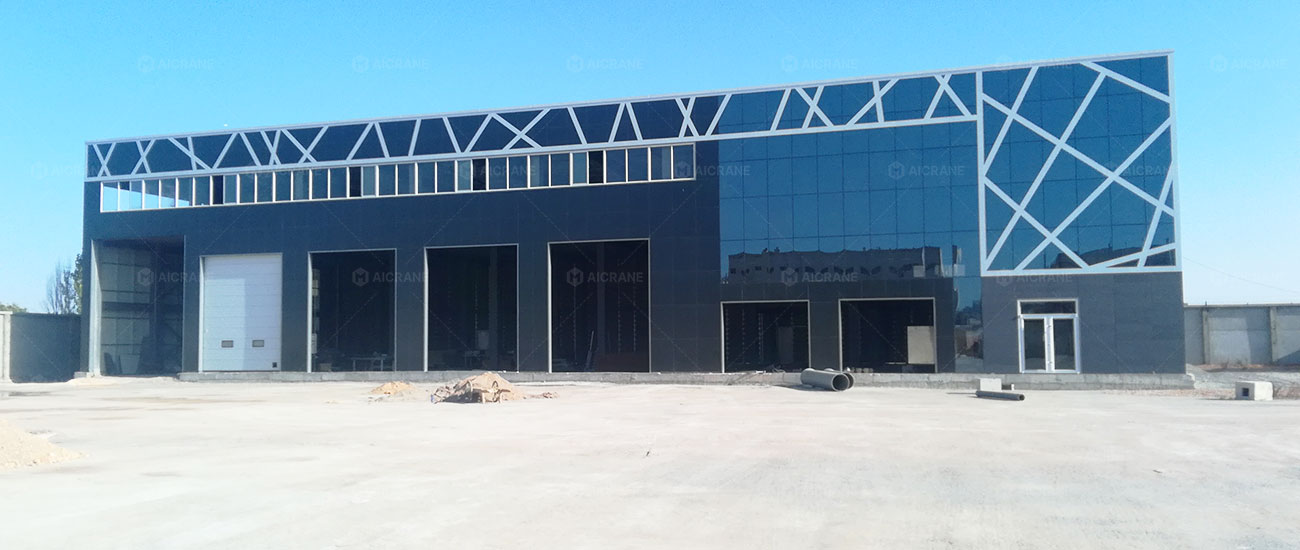
Logistics Warehouse in Algeria
Dimensions: Around 3,000 m² across three floors, including office areas.
Primary Use: Integrated logistics and office functions, supporting storage, cargo handling, and administrative operations.
Project Requirements:
- Efficiently support logistics operations, including loading, unloading, and internal material handling.
- Durable construction suitable for local Algerian climate conditions.
- Clear zoning between office and warehouse areas, balancing aesthetics and functionality.
Design Highlights:
- Large-Span Box-Section Steel Structure: Provides a spacious, column-free workspace for flexible logistics operations.
- Exterior Finishes: Glass curtain walls, aluminum composite panels, and terracotta cladding enhance natural lighting, aesthetics, and weather resistance.
- Office Interior: Gypsum board ceilings, glass partitions, and glass doors create a comfortable and professional working environment.
Client Benefits:
- Safe and reliable logistics environment combining office and warehouse functions.
- Improved efficiency in cargo handling and internal material flow.
- Durable, low-maintenance steel structure frame warehouse, offering long service life and reduced operational costs.
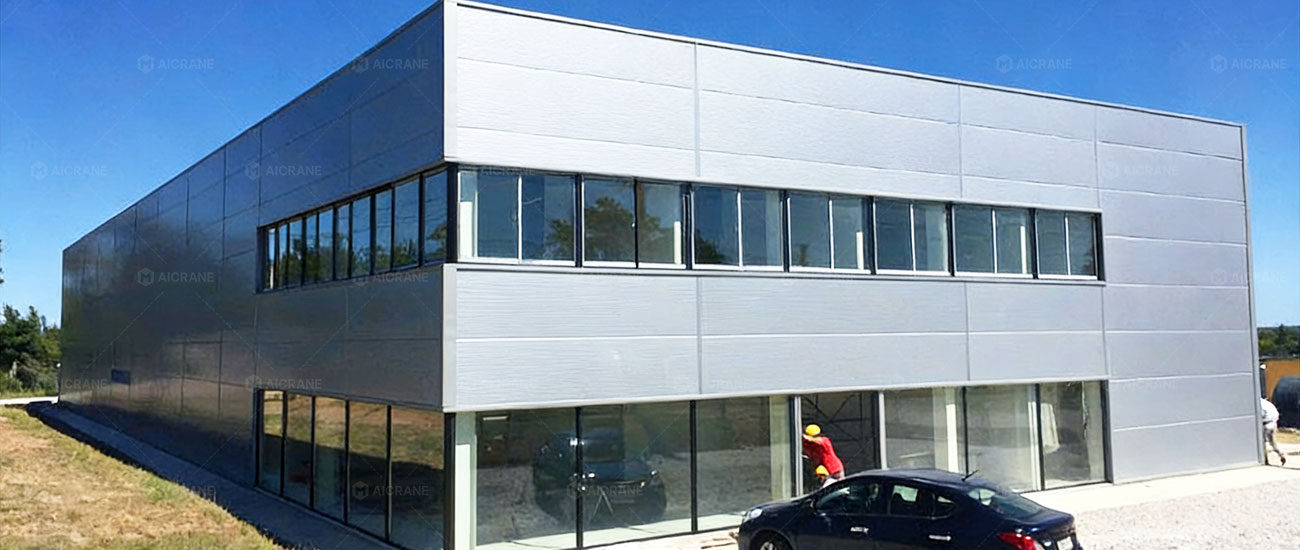
Pre Warehouse in Uruguay
Dimensions: 1200 sqm with mezzanine office inside
Primary Use: General warehouse storage and office operations
Project Requirements: Efficient storage and management of goods with integrated office space and thermal insulation for varying climate conditions
Design Highlights:
- Steel frame structure with self-designed roof ventilation monitor for optimized airflow
- PU sandwich panels for roof and wall providing thermal insulation
- Large, thermal-insulated sliding windows for natural lighting and energy efficiency
- Vehicle entrance equipped with a PU-insulated lifting door for smooth traffic flow
Client Benefits:
- Comfortable and functional warehouse with integrated office space
- Improved internal ventilation and energy efficiency
- Durable, low-maintenance steel structure designed for long-term use
- Enhanced operational efficiency through well-planned access points and window placement
Looking for a steel structure solution for your warehouse? The following section highlights the key factors to consider when planning a metal structure warehouse, helping you define your requirements clearly and move toward the most suitable and cost-effective solution.
Key Factors to Consider When Planning a Steel Structure Warehouse
To develop an accurate, safe, and cost-effective steel structure warehouse building solution, clients are encouraged to clarify the following key factors at the early planning stage. Providing this information helps engineers deliver a solution that truly fits operational needs, site conditions, and long-term use.
Project Location and Site Conditions
Please confirm:
- Project location (country, city, coastal or inland area)
- Local environmental conditions such as wind, seismic activity, rainfall, or snow
- Available site or soil information (if any)
This information ensures proper structural design and compliance with local requirements.
Intended Use of the Warehouse
Please define:
- Main purpose of the warehouse (storage, logistics, industrial use, special use, etc.)
- Type of stored goods (palletized cargo, machinery, grain, raw materials)
- Any industry-specific requirements
Clear usage definition is the foundation of a reliable steel structure warehouse design.
Required Warehouse Building Dimensions
Please provide:
- Overall warehouse width, length, and height
- Required clear span (column-free space)
- Eave height or internal clearance requirements
These parameters directly influence the structural system and material quantities.
Load and Equipment Requirements
Please indicate:
- Maximum storage load or racking load
- Use of forklifts, trucks, or internal vehicles
- Crane requirements, if applicable (capacity, span, lifting height)
Accurate load information is essential for safe structural steel warehouse design calculations.
Climate Adaptation and Environmental Needs
Please specify:
- High temperature, humidity, corrosive, or dusty environments
- Requirements for ventilation, insulation, or waterproofing
- Resistance needs for strong wind or extreme weather
This allows proper material selection and protective detailing for long-term durability.
Construction Method and Schedule Expectations
Please clarify:
- Preference for modular or prefab steel structure warehouse solutions
- Expected project timeline or installation constraints
- Local installation conditions or labor availability (if known)
These factors help optimize steel warehouse construction planning and delivery time.
Codes, Standards, and Approval Requirements
Please indicate:
- Applicable local building codes or standards
- Required documentation, drawings, or certifications
- Inspection or approval procedures
Clear compliance requirements reduce project risk and delays.
Budget Range and Cost Considerations
If possible, please share:
- Target budget range or cost expectations
- Preference between initial cost and long-term performance
Budget transparency helps engineers balance safety, durability, and cost efficiency.
Future Expansion and Long-Term Planning
Please consider:
- Possible future extension in length, width, or height
- Planned addition of cranes, automation, or equipment
- Anticipated changes in warehouse function
Forward planning improves the long-term value of the steel structure investment.
By clarifying these key factors, steel structure engineers can design a safe and compliant steel structure for warehouse, optimize material usage and construction cost, and deliver a solution aligned with real operational requirements. Early and clear input leads to better performance, lower risk, and faster project execution.
Understanding the Cost of a Steel Structure Warehouse
The steel structure warehouse cost is not determined by floor area alone. In real industrial projects, warehouse pricing is the result of multiple technical, structural, and site-specific factors working together. This is why steel structure warehouse prices can vary significantly even for projects with similar sizes.
A transparent understanding of cost formation helps you make informed decisions and ensures the final solution balances safety, performance, and long-term value.
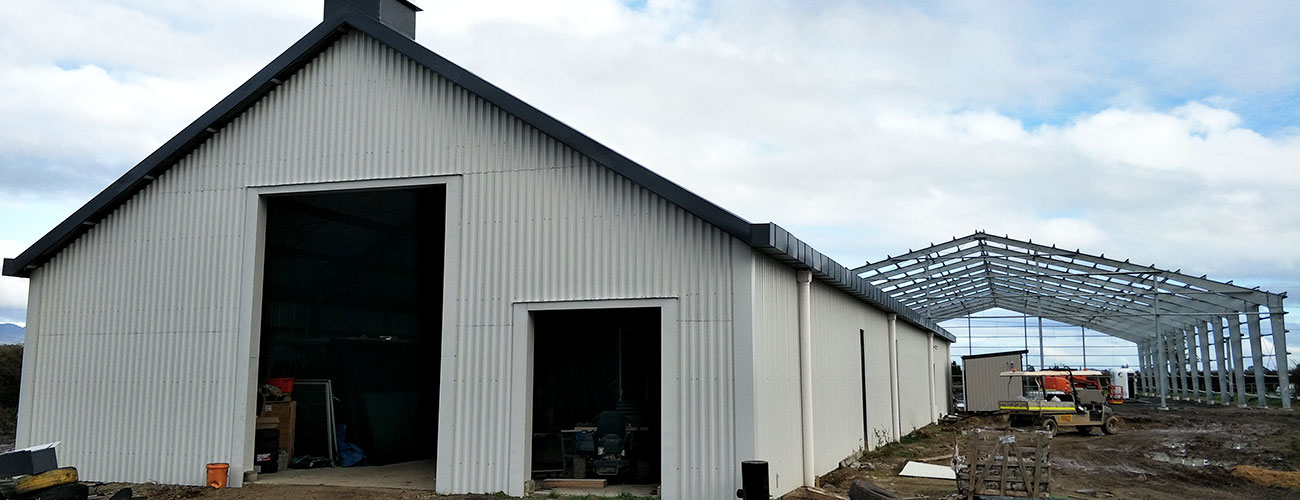
Structural System and Load Requirements
The primary cost driver in any steel structure warehouse construction is the structural system.
Key influencing factors include:
- Design loads (roof load, wind load, seismic requirements)
- Span and column spacing
- Single-storey vs. multi-storey steel structure warehouse
- Requirement for crane beams, overhead cranes, or heavy equipment loads
Warehouses designed for light storage typically use light steel structure or portal frame systems, while heavy industrial warehouses with cranes require higher steel consumption, directly impacting cost.
Steel Material Grade and Fabrication Standards
Steel material selection has a direct impact on both cost and durability.
Cost differences arise from:
- Steel grade (Q235, Q355, or equivalent international standards)
- Galvanized vs. painted steel components
- Thickness and section size of columns, beams, and bracing
- Welding, bolting, and fabrication accuracy requirements
High-quality prefabricated steel structure warehouse for sale may have a higher initial cost but significantly reduce maintenance and lifecycle expenses.
Roofing, Wall, and Insulation Systems
The enclosure system is a major cost component, especially for warehouses used in logistics, food storage, or climate-sensitive applications.
Pricing is influenced by:
- Roof and wall panel type (single sheet, sandwich panel)
- Insulation thickness and fire rating
- Skylights, ventilation systems, and natural lighting design
- Weatherproofing requirements based on local climate
For tropical or coastal regions, additional corrosion protection and waterproofing measures are often necessary, increasing upfront investment but improving long-term reliability.
Foundation Interface and Site Conditions
Although foundations are usually handled locally, site conditions directly affect the overall steel frame warehouse cost.
Factors include:
- Soil bearing capacity
- Ground improvement requirements
- Local seismic and wind codes
- Connection design between steel structure and foundation
Providing accurate site data allows the steel structure design to be optimized, avoiding overdesign and unnecessary material use.
Level of Customization and Functional Integration
Highly customized prefab steel warehouse buildings naturally involve higher engineering input.
Cost increases may result from:
- Non-standard spans or building heights
- Integration of mezzanines, offices, or service areas
- Specialized doors, loading bays, or material handling systems
- Future expansion or modular design considerations
However, customization often improves operational efficiency and reduces long-term modification costs.
Why “Cost per Square Meter” Is Only a Reference
While many clients ask for a steel structure warehouse cost per square meter, this value should only be used as a preliminary reference.
Actual project cost depends on:
- Structural complexity
- Load requirements
- Environmental conditions
- Material specifications and service life expectations
Comparing prices without understanding these variables often leads to inaccurate budgeting or compromised performance.
Cost Optimization Without Compromising Safety
An experienced steel structure warehouse supplier focuses on engineering-based cost optimization, not material reduction.
Effective strategies include:
- Optimized structural layouts
- Efficient material selection
- Standardized prefabrication
- Accurate load assumptions based on real usage
This approach ensures the warehouse meets safety standards while delivering the best value over its service life.
The price of a steel construction warehouse is the result of engineering decisions, material choices, environmental conditions, and functional requirements. By providing clear project inputs and working with an experienced steel structure warehouse manufacturer, you can achieve a solution that is cost-efficient, structurally sound, and tailored to long-term operational needs.
End-to-End EPC Solutions for Steel Structure Warehouses
Choosing the right partner for your steel structure warehouse project is crucial to ensure safety, efficiency, and long-term value. Our company offers comprehensive EPC (Engineering, Procurement, Construction) services, providing end-to-end solutions that cover every stage of your project.
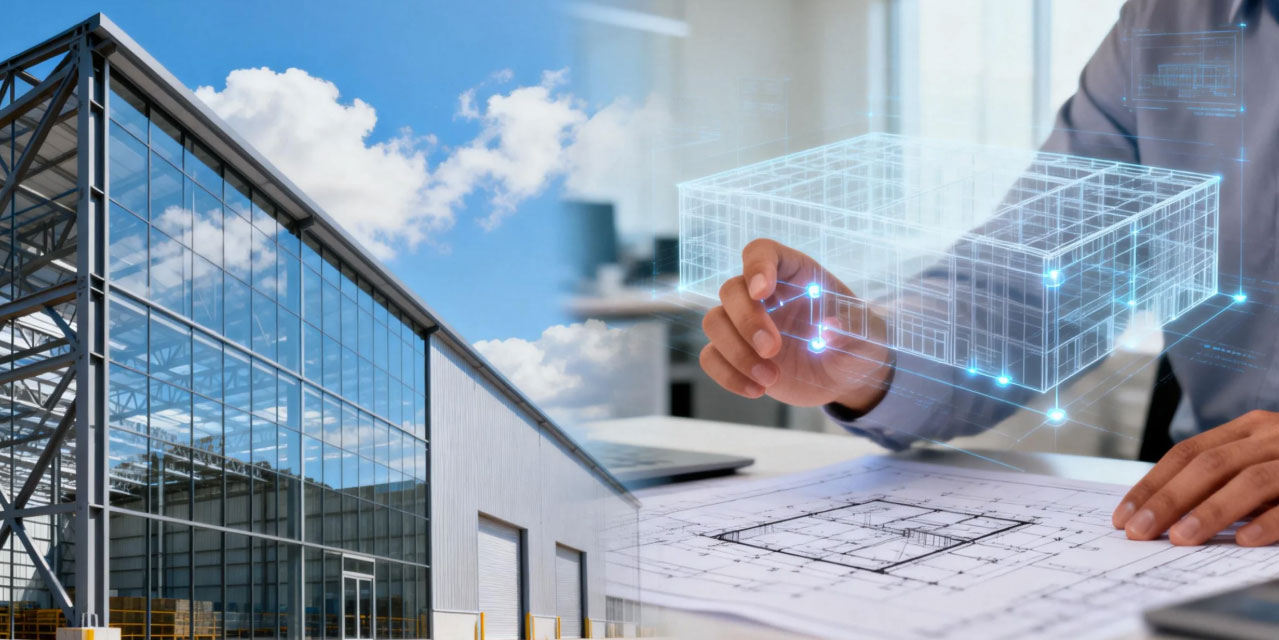
 Engineering Expertise
Customized steel frame warehouse design based on your operational needs, load requirements, and environmental conditions.
Integration of advanced structural systems, including warehouse portal frame and prefabricated steel warehouse solutions, ensuring durability and flexibility.
 Reliable Procurement
Access to high-quality steel materials and prefabricated components.
Transparent supply chain management ensures timely delivery, even in regions with limited local resources.
 Professional Construction and Installation
Experienced construction teams deliver on schedule with strict adherence to safety and compliance standards.
Support for installation of warehouse overhead cranes, gantry cranes, and other material handling systems.
 After-Sales and Maintenance Support
Guidance for long-term maintenance and potential future expansions.
Ensures your warehouse continues to meet operational demands efficiently and safely.
By providing a one-stop solution, we simplify your project management, reduce risks, and maximize the value of your steel frame warehouse building investment.
With a solid structural foundation in place, the next critical step is ensuring efficient material handling – exploring warehouse overhead crane and gantry crane integration to optimize operations and workflow.
Integrated Overhead and Gantry Crane Solutions for Steel Warehouse Buildings
For many industrial and logistics operations, efficient material handling is essential. Our steel structure warehouses can be seamlessly integrated with overhead cranes or gantry cranes to support heavy-duty operations.
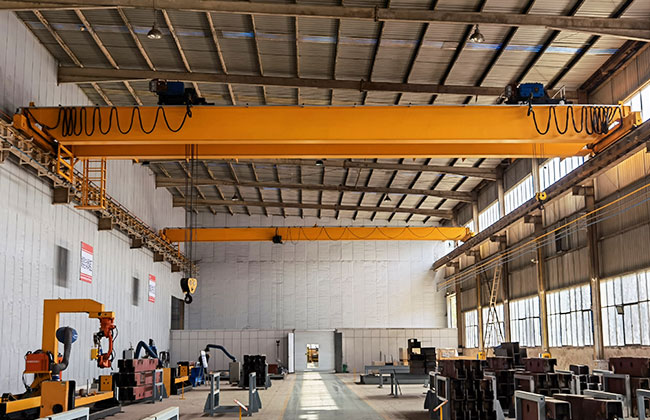
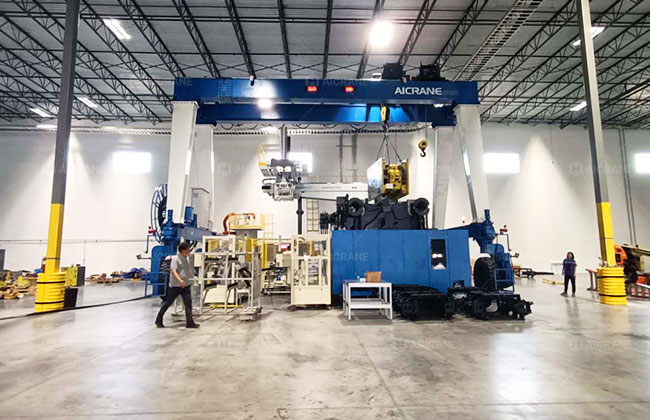
Optimized Space Utilization:Wide-span steel frames allow unobstructed crane movement and flexible internal layout.
High Load Capacity:Supports a variety of cranes, including warehouse overhead cranes, gantry cranes, and rubber tyred cranes, from light-duty lifting to heavy industrial operations.
Operational Efficiency:Facilitates fast, safe loading and unloading, improving warehouse productivity.
Custom Solutions:Warehouse overhead or gantry cranes can be tailored for your workflow, including multi-crane operations or special lifting attachments.
Integrating cranes during the design phase ensures structural safety, smooth operations, and long-term reliability. Get in touch today to plan your custom crane solution for warehouses.
Steel Structure Warehouse FAQs
What is a steel structure warehouse?
What is a PEB (Pre-Engineered Building) structure warehouse?
What are the main advantages of steel warehouse buildings
- Durability: Resistant to corrosion, pests, and extreme weather when properly treated.
- Flexibility: Easily adaptable to future expansions or modifications.
- Speed of Construction: Prefabricated steel components allow for faster on-site assembly.
- Cost-Effectiveness: Lower long-term maintenance costs and high space utilization.
How long does it take to build a prefabricated steel warehouse?
Can steel warehouses withstand harsh weather conditions?
What is the typical lifespan of a steel structure warehouse?
Are steel frame warehouses cost-effective compared to traditional buildings?
What maintenance is required for a steel structure warehouse?
Engineered for durability and optimized for operations, our steel structure warehouses support your business today and tomorrow. Reach out to Aicrane experts to design your ideal warehouse.