


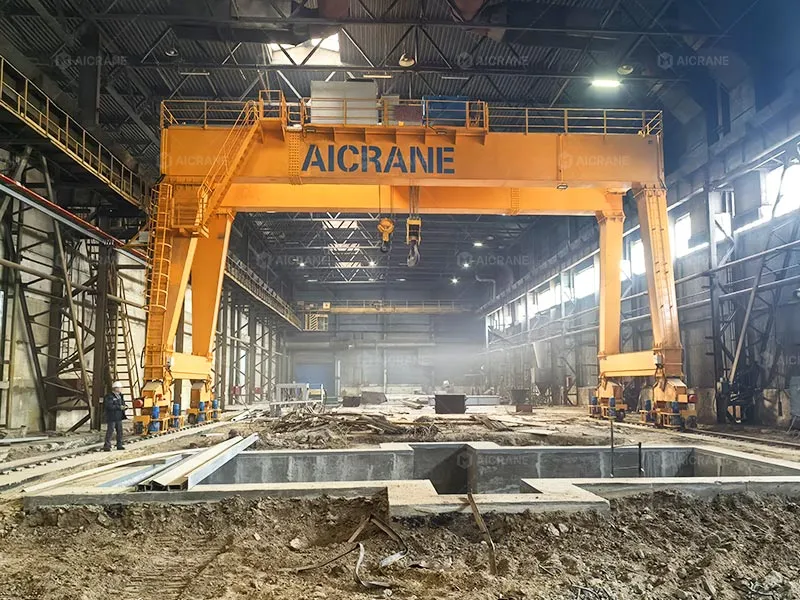
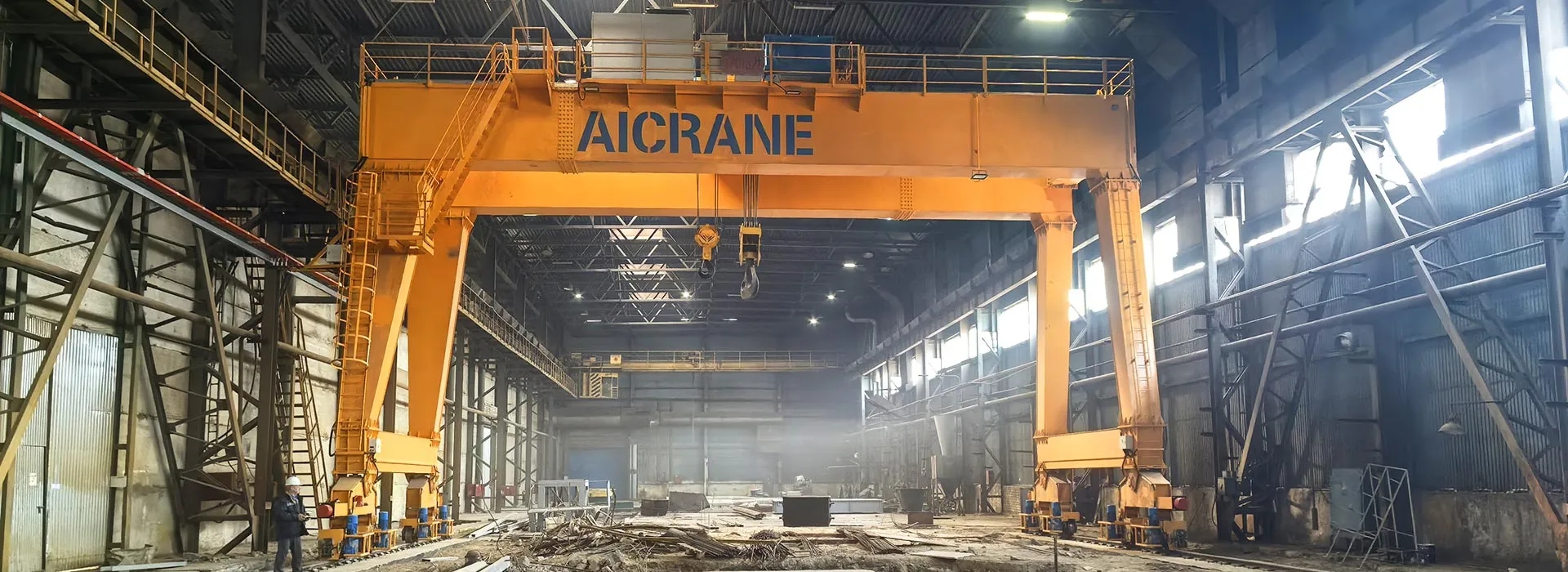
Wondering how much a gantry crane costs or looking for a detailed price list? You’re not alone – these are questions we receive from industrial buyers around the world every day. Depending on the crane type, lifting capacity, span, features, and customization requirements, gantry crane prices can range from $10,000 for a light duty 5 ton crane to over $1,500,000 for large heavy duty models. Whether you need a single or double girder crane, or a rubber tyred or rail mounted gantry crane, this guide explains the key factors affecting price to help you make informed purchasing decisions.
How Much Does Each Type of Gantry Crane Cost?
The price of a gantry crane depends heavily on its type, capacity, span, features, and customization. Here’s a closer look at how different types compare in terms of cost:
Single Girder Gantry Crane Price
Single girder gantry cranes are the most cost-effective option, ideal for light-duty lifting in workshops, outdoor industrial sites, small manufacturing yards, and logistics areas.
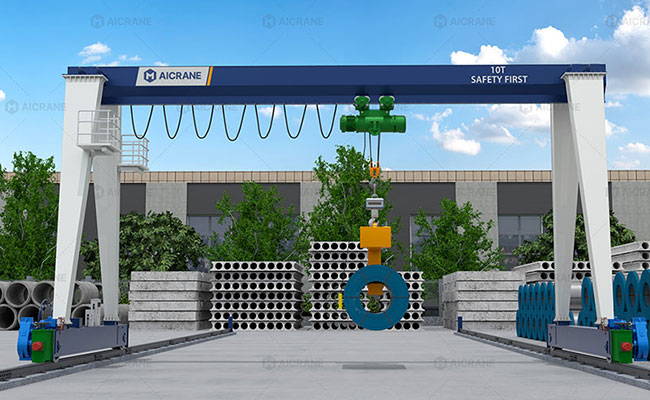
AQ-MH Single Girder Gantry Crane Price
The AQ-MH series is a standard single girder gantry crane with a traditional I-beam main girder and a standard wire rope hoist. Its simple but robust design makes it cost-effective and reliable, suitable for workshops, warehouses, and outdoor light-duty industrial areas.
| Capacity | Span | Price (USD) |
|---|---|---|
| 5 Ton | 10.5-31.5m | $10,000-$29,000 |
| 10 Ton | 10.5-31.5m | $14,000-$41,000 |
| 20 Ton | 10.5-31.5m | $22,000-$52,000 |
Get A Quote
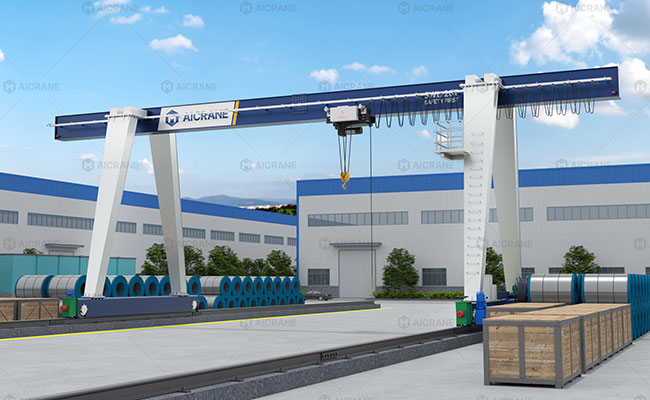
AQ-NMH Single Girder Gantry Crane Price
The AQ-NMH series features a box-section main girder and a European-standard electric hoist. This design provides smooth operation, low noise, and a more compact structure, making it ideal for applications requiring higher precision or quieter operation.
| Capacity | Span | Price (USD) |
|---|---|---|
| 5 Ton | 10.5-31.5m | $14,000-$35,000+ |
| 10 Ton | 10.5-31.5m | $19,000-$43,000+ |
| 20 Ton | 10.5-31.5m | $29,000-$62,000+ |
Get A Quote
Double Girder Gantry Crane Price
Double girder gantry cranes are built for heavier loads, so their price is higher due to stronger structures and advanced features.
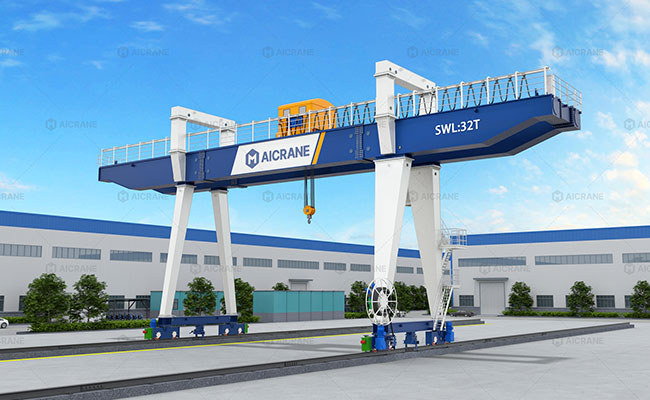
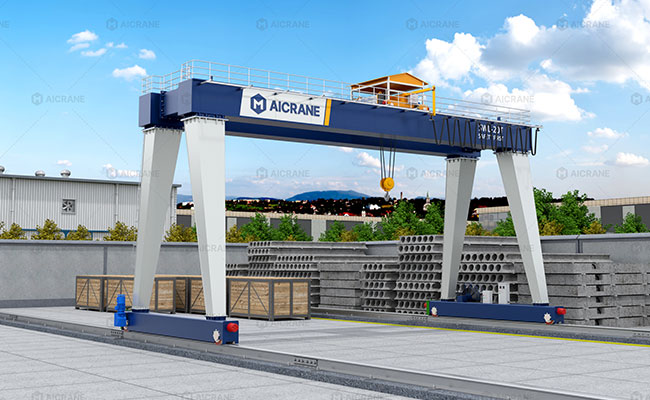
| Capacity | Span | Price (USD) |
|---|---|---|
| 10 Ton | 18-35m | $44,000-$110,000+ |
| 20 Ton | 18-35m | $73,000-$147,000+ |
| 32 Ton | 18-35m | $88,000-$176,000+ |
| 50 Ton | 18-35m | $110,000-$206,000+ |
Rubber Tyred Gantry Crane Price
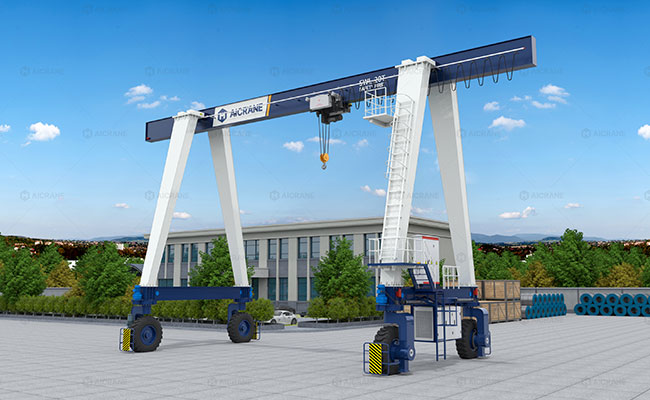
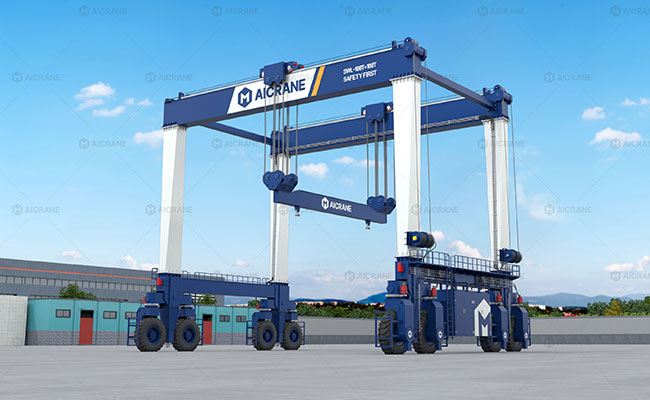
Aicrane RTG rubber tyred gantry cranes add mobility, which increases cost. Heavy-duty tires, steering systems, and safety features make them more expensive.
- Typical lifting capacity: 10-500 tons
- Price range: $62,000 – $1,500,000+
Rail Mounted Gantry Crane Price
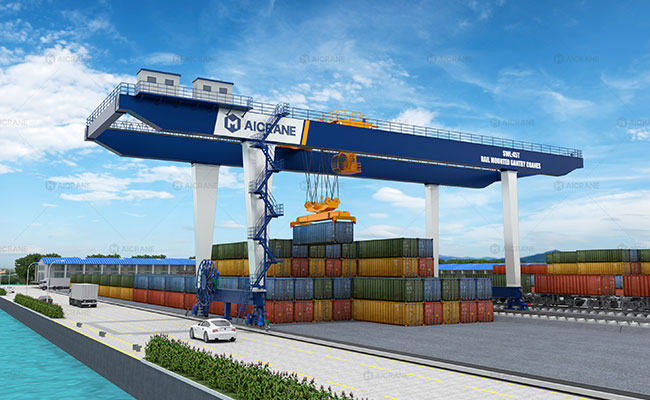
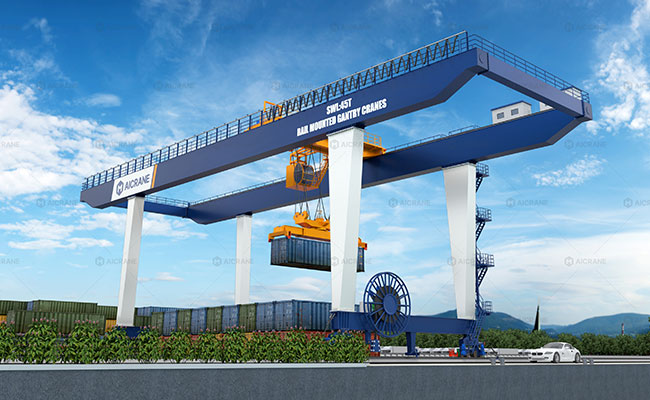
Aicrane RMG rail mounted gantry cranes are a major investment for container operations, with price influenced by capacity, span, automation, and site-specific requirements.
| Capacity | Span | Price (USD) |
|---|---|---|
| RMG 30 Ton | 22-32m | $264,000-$338,000 |
| RMG 40 Ton | 22-32m | $352,000-$412,000 |
| RMG 50 Ton | 22-32m | $411,000-$471,000 |
The typical price ranges for single girder, double girder, RTG, and RMG cranes provide a general idea of your investment, but the prices above are for reference only. The final cost also depends on specific requirements and custom features. Next, we’ll look at the key factors that affect gantry crane prices to help you make informed decisions.
Key Technical Factors That Affect Gantry Crane Price
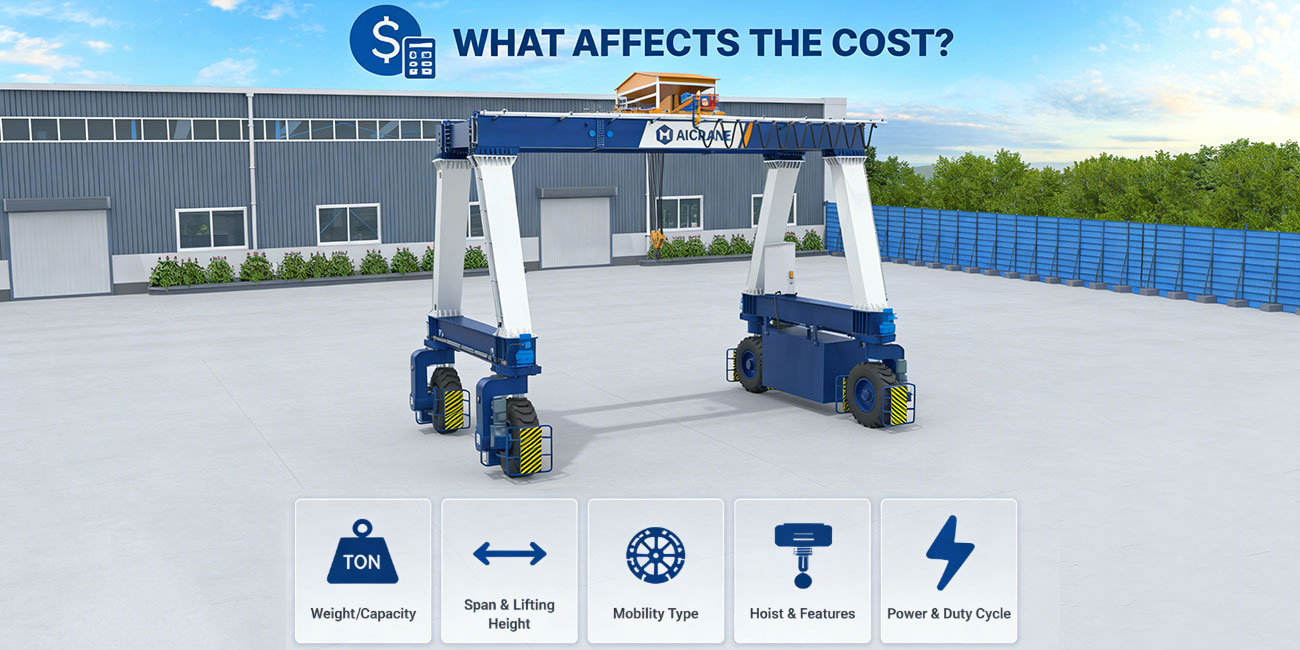
The price of gantry crane can vary significantly depending on several technical factors. Understanding these factors can help you better estimate the investment and choose the most suitable crane for your application. Below are some of the key factors that influence gantry crane pricing.
Lifting Capacity
The lifting capacity is one of the most important factors affecting gantry crane price. Cranes designed to lift heavier loads require stronger structures, more powerful hoists, and enhanced safety components.
As the lifting capacity increases – from small 5-ton cranes to large 100-ton or even 500-ton gantry cranes – the amount of steel, mechanical components, and engineering complexity also increases, which leads to higher prices.
Span Length
The span length refers to the distance between the two supporting legs of the gantry crane. A longer span requires a larger and stronger main girder, which increases the amount of structural steel and fabrication work required.
For facilities that require wide working coverage, such as large yards or production plants, longer-span gantry cranes are often necessary, resulting in a higher overall price.
Lifting Height
The lifting height of the gantry crane also influences the overall price. Taller cranes require longer hoisting mechanisms, stronger supporting structures, and additional safety considerations.
For applications involving tall equipment, stacked materials, or container handling, higher lifting heights may be required, which can increase the price of the crane.
Work Duty
The work duty (or duty cycle) reflects how frequently and intensively the crane will be used. Gantry cranes designed for higher duty cycles must be built with more durable components, stronger structures, and higher-performance motors and hoists.
As a result, cranes designed for heavy industrial operations typically cost more than those intended for occasional or light-duty lifting.
Type of Gantry Crane
Different types of gantry cranes have different structural designs and functional features, which significantly affect their price.
For example: Single girder gantry cranes generally have simpler structures and lower costs. Double girder gantry cranes provide higher capacity and stability but are more expensive.
Configuration and Components
The configuration of the crane can also influence the final price. High-quality or imported components – such as motors, reducers, electrical systems, and control units – often cost more than standard configurations.
Additional features such as remote control, anti-sway systems, or intelligent monitoring systems can also increase the price but improve operational efficiency and safety.
Material Requirements
The type of steel or material used in the crane structure can also affect the price. In some regions with extremely cold climates, such as Russia or Kazakhstan, customers may require low-temperature or cryogenic steel materials.
These specialized materials provide better performance in harsh environments but also increase manufacturing costs.
While these factors are crucial in determining a gantry crane price, other costs – such as transportation, installation, and project-specific requirements – should also be considered when planning your investment.
Other Project-related Costs to Consider When Buying a Gantry Crane
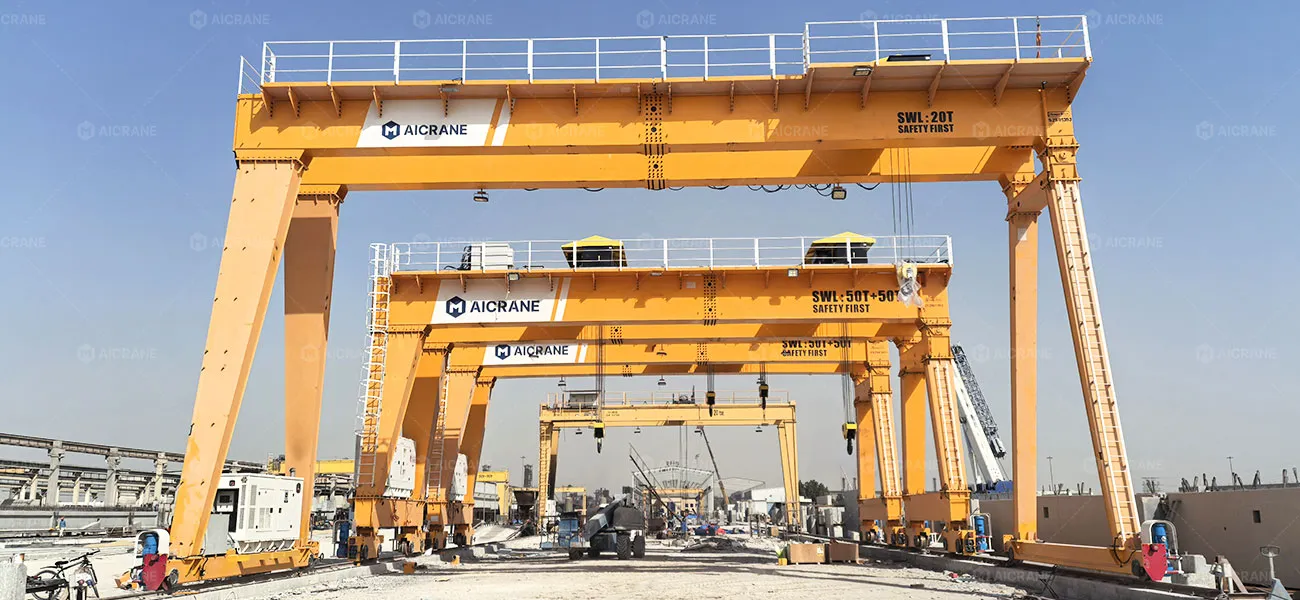
In addition to the crane’s technical specifications, several additional costs can affect the total investment. These costs are often project-specific and should be considered during the planning and budgeting process.
Transportation Costs
Shipping a gantry crane can involve significant expenses, especially for large or heavy duty gantry cranes. Transportation costs vary depending on:
- Shipping method: LCL (Less than Container Load), FCL (Full Container Load), frame container, or bulk cargo
- Distance and destination port
- Crane size, weight, and disassembled packaging requirements
Careful planning of shipping logistics can help optimize costs and avoid unexpected fees.
Installation and Assembly Cost
Most gantry cranes require professional installation, which can include:
- On-site assembly of crane structure and components
- Hoist and trolley installation
- Electrical wiring and control system setup
- Testing and commissioning
Some suppliers provide online installation guidance, while others offer on-site support. Labor, equipment, and installation complexity all influence the total cost.
Track or Ground Preparation Cost
For rail-mounted or outdoor gantry cranes, additional costs may include:
- Rail construction and alignment for rail mounted cranes
- Foundation work and ground reinforcement for heavy-duty cranes
- Leveling and site preparation for RTG or mobile gantry cranes
Proper site preparation is critical for safe and efficient crane operation, and costs can vary depending on ground conditions.
Power Supply and Electrical Cost
Electrical installation can also impact the overall budget:
- Power supply type and voltage requirements
- Cabling, control panels, and safety switches
- Integration with existing site infrastructure
High-voltage or long-distance power setups may add to the total investment.
Maintenance and After-Sales Cost
While not an upfront purchase cost, maintenance and after-sales service should be considered as part of the overall investment:
- Periodic inspections and lubrication
- Replacement of wear parts like ropes, wheels, or hoists
- Technical support and training for operators
Suppliers offering reliable after-sales service may charge slightly more initially, but this can save costs and reduce downtime over the crane’s lifespan.
Beyond these project-specific expenses, broader market factors can also influence pricing, which we will explore in the next section.
How Market Factors Influence Gantry Crane Prices
Beyond technical specifications and project-related costs, market conditions play a crucial role in determining gantry crane prices. Understanding these market-driven factors helps you anticipate cost fluctuations and make more informed investment decisions.
Supply Chain & Component AvailabilityGlobal steel supply, electric hoist availability, and specialized components can impact gantry crane pricing. Shortages or delays in key parts often translate into higher market prices.
Regional Market DifferencesLocal factors such as labor costs, shipping distances, tariffs, and import regulations can significantly affect the delivered price of gantry crane. For instance, cranes delivered to remote industrial sites or regions with high logistics costs will be priced higher.
Economic & Currency FactorsInflation, currency exchange rates, and local economic conditions can influence both material and crane costs, especially for international buyers.
Market Trends for Technology AdoptionGantry cranes with automation, anti-sway systems, or advanced control features are in growing demand, and market-driven adoption can affect their pricing compared to standard models.
With these insights in mind, the next step is learning how to optimize your gantry crane investment to achieve the best balance between performance, cost, and long-term value.
How to Optimize Your Gantry Crane Investment
Purchasing a gantry crane is a significant investment, and getting the most value requires careful planning. Optimizing your gantry crane investment isn’t just about finding the lowest price – it’s about balancing cost, performance, and long-term efficiency. Here are key strategies to help you make a smart investment.
Choose the Right Crane Type and Capacity
Selecting a crane that matches your specific lifting needs and work environment is the first step to optimizing your investment. Avoid over-specifying capacity or features that you won’t use, as this can unnecessarily increase the price.
- For light-duty tasks or small workshops, a single girder gantry crane may suffice.
- For heavier loads or industrial applications, consider a double girder gantry crane.
By matching the crane to your actual requirements, you can save on initial cost while ensuring efficiency and safety.
Consider Long-Term Operating Costs
An overhead gantry crane price is not limited to the purchase cost. Long-term operating costs – including maintenance, energy consumption, and component replacement – can significantly affect your total investment.
- Choose efficient motors and hoists to reduce energy costs.
- Evaluate the durability of materials and components to minimize maintenance and downtime.
- Consider cranes with reliable after-sales support; paying slightly more upfront can save money over the crane’s lifetime.
Optimizing for long-term costs ensures your investment remains cost-effective over time.
Balance Features and Budget
Gantry cranes offer various features, such as variable-speed hoists, automation, anti-sway systems, and advanced controls. While these features can improve efficiency and safety, adding unnecessary features can inflate costs without providing real value.
Focus on features that directly support your operational needs. This way, you get the best balance of functionality and investment efficiency.
Plan for Future Expansion
If your operations are likely to grow, consider future lifting requirements, workspace changes, or increased workload. Selecting a crane that can accommodate expansion can prevent costly upgrades or replacements later.
Modular designs or higher duty-rated cranes may have slightly higher upfront costs but reduce future investment needs.
Work with Experienced Suppliers
Partnering with a trusted and experienced gantry crane supplier can help you optimize your investment:
- Suppliers can recommend the most suitable crane type and specifications for your needs.
- They provide accurate cost estimates and highlight potential additional expenses.
- Professional support in installation, testing, and training ensures your crane operates efficiently from day one.
A reliable supplier helps you avoid overpaying or choosing an unsuitable crane, maximizing your return on investment.
By carefully planning your gantry crane investment, you can maximize value and avoid unnecessary expenses. To complement this, here are some practical tips for finding the best gantry crane price.
Tips for Finding the Best Gantry Crane Price
Once you have optimized your gantry crane investment, the next step is to find the best price without compromising quality or performance. Here are practical strategies to help you get the most competitive pricing.
Collect Detailed, Line-by-Line Gantry Crane Quotes
- Ask suppliers to itemize every component: main beam, hoist, motor, electrical system, wheels, and accessories.
- Include optional add-ons such as remote control systems or anti-sway devices, so you can see what’s essential vs. extra cost.
- Compare multiple suppliers to identify price differences for the same specs and eliminate unnecessary markups.
Make a spreadsheet with each supplier’s line items and prices – it makes comparison transparent and easier to negotiate.
Limit Features to Essential Custom Specifications
- List must-have specs: lifting capacity, span, work duty, height.
- Mark non-critical extras (advanced lighting, additional sensors, special paint) and consider adding later.
- Confirm with suppliers if some features can be upgraded modularly, reducing initial cost.
Ask your supplier: “Which features impact price the most?” and cut the top 2–3 expensive optional features that are not essential.
Optimize Shipping and Delivery
- Decide the most cost-effective method: LCL, FCL, frame container, or bulk cargo.
- Consolidate multiple components into one shipment if possible.
- Check for local port handling, customs duties, and inland transport – sometimes these exceed the gantry crane cost itself.
Ask suppliers to quote FOB, CIF, and DAP prices to see total landed cost differences.
Negotiate Strategically
- Request discounts for bulk orders or repeat business.
- Ask about promotions, package deals, or extended warranties included in the price.
- Negotiate minor adjustments: for example, slightly slower hoist speed or standard motor brand – these may lower costs without affecting functionality.
Prepare a list of must-have specs vs. negotiable specs before talking to suppliers – this strengthens your bargaining position.
Always Calculate Total Cost of Ownership
- Don’t focus only on base price, include installation, electrical setup, foundation, and training.
- Consider spare parts and maintenance packages: sometimes a slightly higher upfront cost reduces future downtime and repairs.
- Compare total landed cost across suppliers, not just the unit price.
Ask suppliers to provide a full cost breakdown for at least 3 years of operation – it reveals hidden costs early.
By applying these practical cost-saving tips, you can make a more informed gantry crane purchase and control your upfront investment. So, why buy gantry cranes from Aicrane? Let’s explore how our cranes deliver competitive pricing and outstanding value.
Why Choose Aicrane: Competitive Gantry Crane Pricing
Investing in a gantry crane is a major decision. At Aicrane, we provide competitive pricing and long-term value, ensuring every investment delivers reliable performance, operational efficiency, and reduced lifecycle costs.
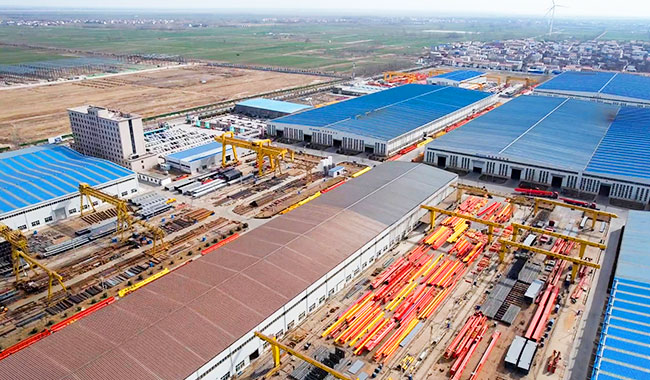
Direct Factory Manufacturing – Transparent Costs
- Aicrane designs and produces gantry cranes in-house, from structural steel fabrication to final assembly.
- Customers receive detailed, itemized quotes, specifying costs for the main beam, hoist, control system, and accessories.
- Streamlined production enables shorter lead times and cost-efficient pricing.
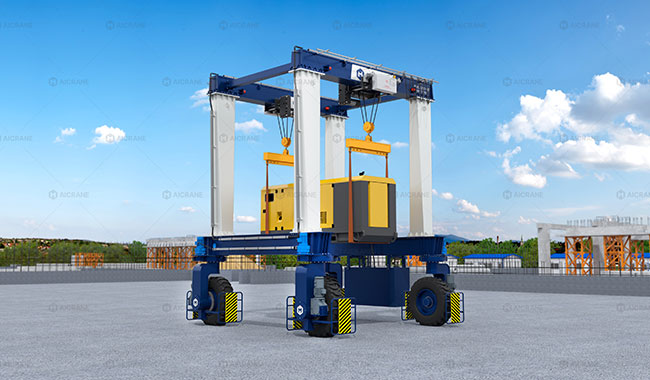
Tailored Customization – Cost-Effective Design
- Our engineers collaborate to determine the exact lifting capacity, span, work duty, and hoist type needed.
- Optional features are selected based on necessity, so customers pay only for what they use.
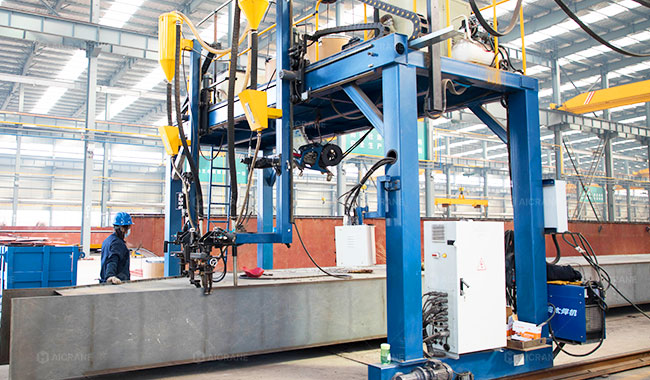
Material and Production Efficiency – Lower Upfront and Long-Term Costs
- High-strength steels are used, combined with precision CNC cutting and robotic welding, reducing material waste by up to 15%.
- Optimized main girder and leg design ensures strength-to-weight efficiency, lowering steel consumption without sacrificing durability.
- Durable components, such as imported hoists or high-quality motors, extend crane lifespan to 15-20 years and reduce maintenance costs by 30% over typical cranes.
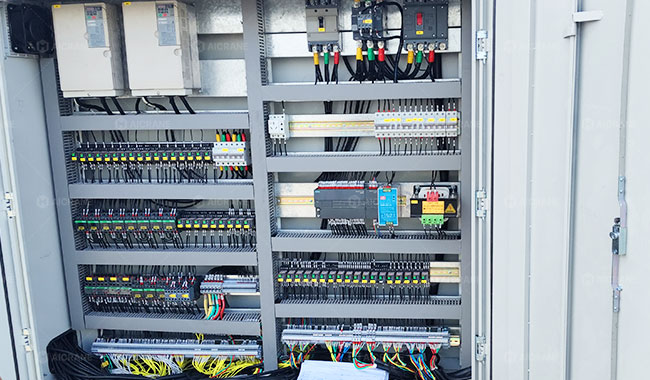
Energy Efficiency – Reducing Operational Costs
- Cranes feature high-efficiency motors, frequency-controlled hoists, and optimized trolley travel systems, reducing energy consumption by 15-25%.
- For operations with multiple daily lifts, this translates into significant electricity savings over the crane’s service life.
- Energy-efficient design also supports sustainable industrial practices.
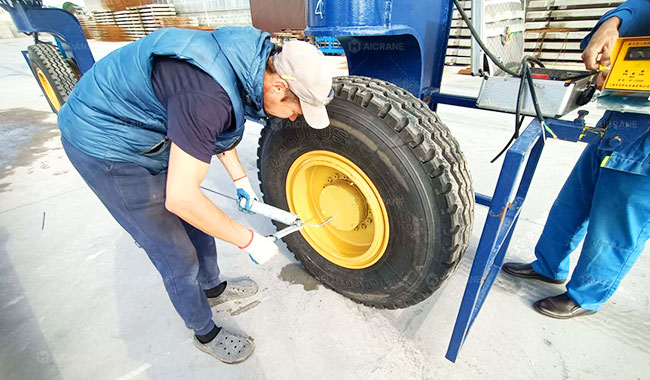
Easy Maintenance – Minimizing Lifetime Expenses
- Modular component design allows quick replacement of wear parts, reducing downtime and labor costs.
- Standardized spare parts and clear maintenance manuals ensure repairs can be completed within hours rather than days.
- Preventive maintenance guidance helps customers avoid unexpected failures, keeping operational efficiency above 99% uptime.
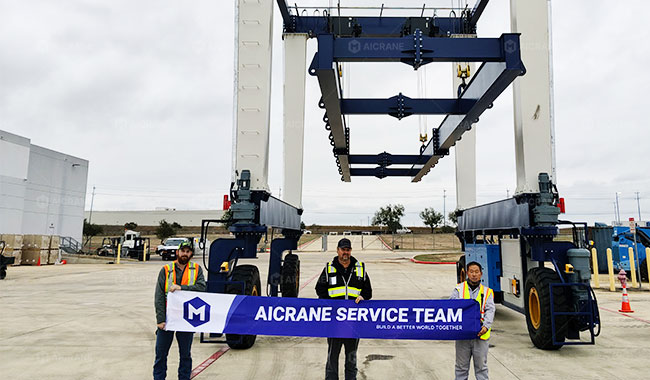
Comprehensive Lifecycle Value – Maximum ROI
- Aicrane provides full logistics support, on-site or online installation guidance, spare parts, and maintenance training.
- Our cranes comply with CE and ISO standards, ensuring long-term safe operation.
- Combining efficient manufacturing, reduced operational energy, low maintenance, and full lifecycle support, Aicrane cranes offer low total cost of ownership, providing measurable ROI within the first few years of operation.
By choosing Aicrane, you’re making a smart investment in high-quality, cost-efficient gantry cranes that will enhance your operations for years to come. Contact us now to explore our competitive gantry crane price and discover how we can help you reach your business goals while optimizing your budget.