


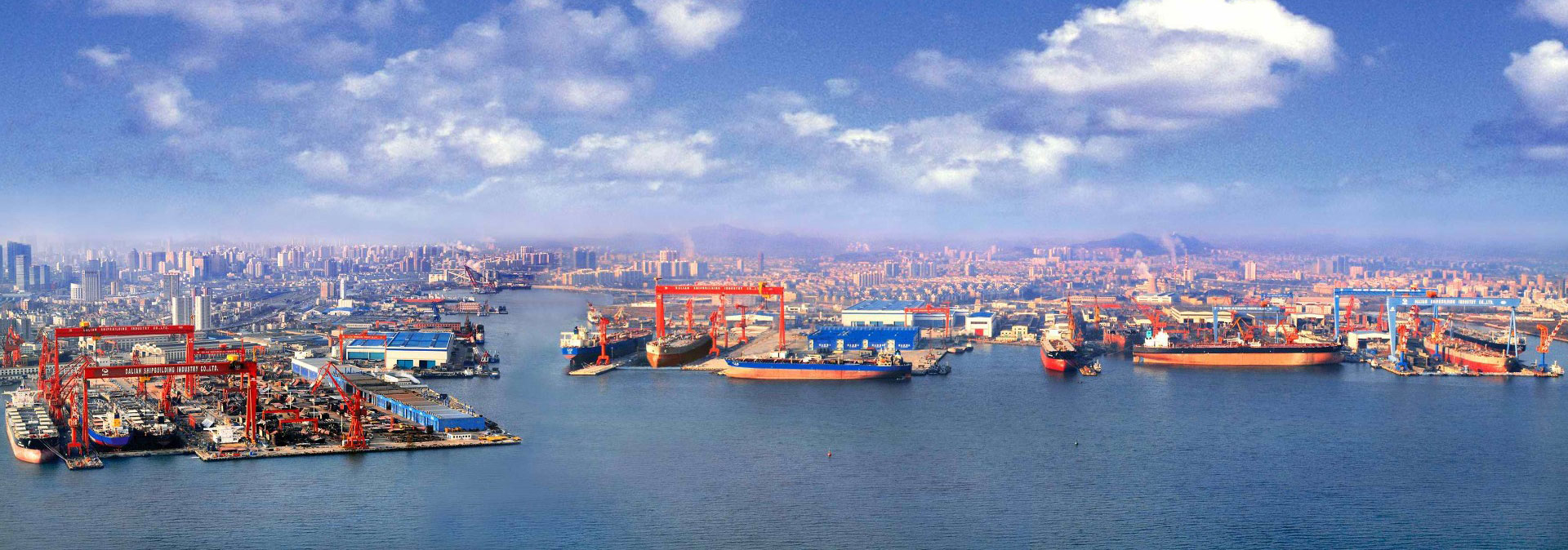
The shipbuilding and maintenance industry remains a cornerstone of global trade, naval operations, and maritime infrastructure. From constructing massive cargo vessels to servicing smaller fishing boats, this sector requires a blend of engineering expertise, precision logistics, and technological innovation. With the global shipping demand steadily increasing, shipyards and maintenance facilities face both exciting opportunities and pressing challenges.
Shipbuilding and Maintenance Industry Overview
The shipbuilding and maintenance sector is a complex and evolving industry, covering a wide range of vessel types and service activities. Understanding its current scope and scale is essential for grasping the operational demands and opportunities faced by modern shipyards.

Expansive Business Scope and Service Offerings
- New Vessel Construction: Shipyards construct diverse vessels, including cargo ships, tankers, naval vessels, ferries, and specialized craft. This process involves assembling hull sections, integrating propulsion and mechanical systems, and installing advanced onboard technologies. Each vessel type presents unique technical requirements and operational challenges, requiring precise planning and coordination across multiple teams.
- Maintenance and Repair: Maintenance and repair activities are essential to ensure vessels remain operational, safe, and compliant with regulations. This includes routine inspections, dry dock overhauls, retrofitting, and emergency repairs. Well-planned maintenance not only prevents unexpected downtime but also extends the service life of vessels and maintains consistent performance standards.
- Upgrades and Retrofits: Shipowners increasingly request upgrades to enhance efficiency and extend vessel lifespan. These projects may involve engine modernization, installation of automation systems, or corrosion protection. Such improvements help vessels meet evolving environmental and safety standards while improving operational performance and reliability.
Production Capacity and Market Scale
- Regional Concentration: The global shipbuilding and maintenance industry is concentrated in key regions such as East Asia and Europe, where large-scale shipyards manage high-volume construction and repair projects.
- Shipyard Capacity: Large integrated facilities can handle multiple vessels simultaneously, while smaller specialized yards focus on niche maintenance, repair, or specific vessel types. The scale and capability of a shipyard directly influence project planning, resource allocation, and overall operational efficiency.
- Market Demand Trends: Global shipping activity continues to grow, driving demand for both new construction and maintenance services. Cargo ships and tankers remain the dominant segments, while ferries, offshore support vessels, and specialized craft are experiencing steady growth. These trends shape how shipyards prioritize projects and invest in technology and workforce development.
Modern shipyards rely on careful planning and skilled teams to build and maintain vessels efficiently. Throughout these processes, moving large hull sections, engines, and other heavy components requires precision and safety at every step. Advanced lifting and material handling solutions play a crucial role in meeting these demands, ensuring smooth operations while protecting both personnel and assets.
Core Challenges of Lifting and Transportation in Shipbuilding & Maintenance
Efficient and safe movement of heavy components is a critical aspect of modern shipyard operations. From massive hull sections to engines and auxiliary machinery, handling these loads presents multiple challenges that directly impact project timelines, safety, and overall productivity.
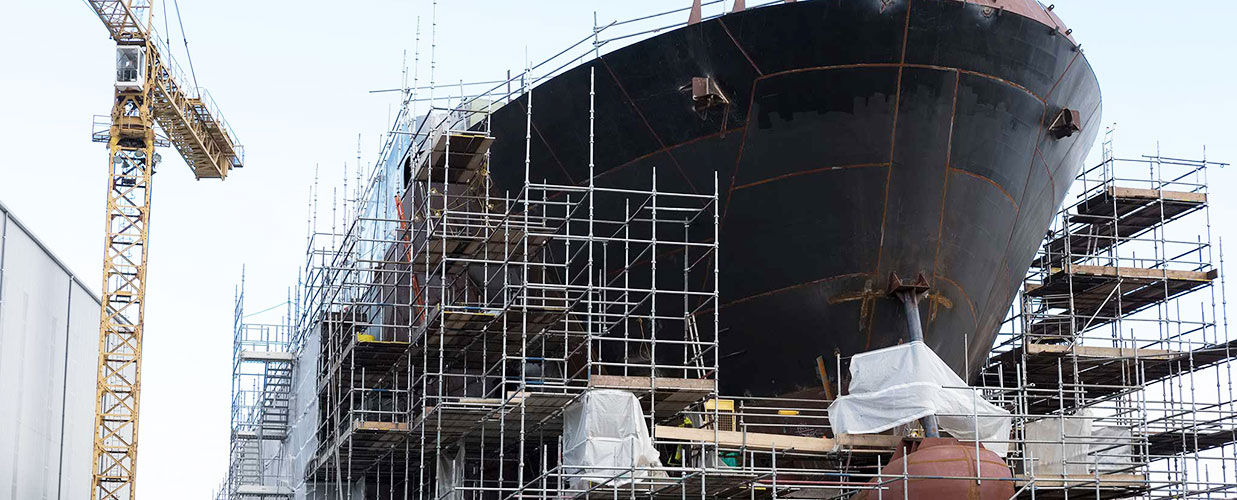
Handling Oversized and Heavy Components
Ship modules, engines, and structural sections often weigh several tons and have irregular shapes, making precise positioning a demanding task. Incorrect handling can lead to structural damage, project delays, or even safety incidents. Advanced lifting solutions, such as gantry cranes, overhead cranes, mobile boat hoists, and specialized transporters, are essential to ensure heavy components are moved and installed accurately, reducing risk while maintaining efficiency.
Coordinating Complex Workflows
Shipbuilding involves multiple teams working simultaneously on different parts of the same vessel, including structural assembly, propulsion systems, electrical installations, and outfitting. Coordinating these overlapping workflows requires meticulous planning and real-time communication. Lifting equipment must be integrated into this workflow to avoid bottlenecks, prevent interference between teams, and optimize material flow throughout the shipyard.
Maintaining Safety Standards
Working with heavy loads at varying heights and in confined spaces presents significant safety challenges. Ensuring personnel safety requires not only trained operators but also reliable lifting equipment equipped with modern safety features such as overload protection, anti-sway mechanisms, and automated controls. Properly designed lifting systems help minimize accidents and maintain a secure working environment.
Meeting Tight Project Schedules
Shipyards operate under strict deadlines, and delays in lifting or transporting heavy components can disrupt the entire construction or maintenance schedule. Efficient crane utilization, planned lift sequences, and flexible equipment capable of handling varying load types are critical to keeping projects on track and reducing downtime.
Managing Cost and Resource Efficiency
Inefficient lifting operations can increase labor costs, extend project timelines, and cause material damage. Investing in versatile and reliable lifting equipment allows shipyards to optimize resource use, reduce operational costs, and improve overall productivity. Equipment that supports precise, repeatable movements ensures that large components are installed correctly the first time, minimizing rework.
As shipyards handle large structures and complex workflows every day, managing heavy components efficiently becomes essential to keeping projects on schedule and ensuring safety. With these operational needs in mind, the next section explores how tailored lifting and handling solutions support smoother, more reliable shipbuilding and maintenance operations.
Tailored Lifting and Handling Solutions for Shipyard Applications
Shipbuilding and maintenance involve a wide range of workflows – from precision fabrication to large-scale assembly and waterfront operations. Each stage comes with its own lifting demands, environmental constraints, and safety considerations. Because every shipyard has a unique layout, production rhythm, and vessel portfolio, effective material handling requires more than standard equipment; it calls for solutions that are thoughtfully matched to real working conditions.
Fabrication Stage – Precision Handling of Raw Materials
In the fabrication stage, shipbuilding operations focus on cutting, shaping, and preparing steel plates, frames, and hull sections. These components are often heavy and irregularly shaped, making precise handling essential.
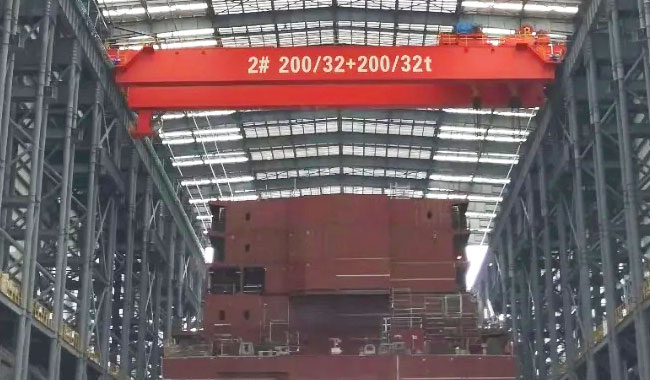
Overhead Cranes in Fabrication Workshops
Designed for fabrication workshops, our overhead cranes provide secure handling of steel plates, beams, and structural sections. Optional attachments like magnetic lifters ensure flat plates are moved safely and without damage.
Mobile Rubber Tyred Gantry Cranes for Complex Fabrication Layouts
In workshops with limited ceiling height or irregular layouts, our rubber tyred gantry cranes offer flexible positioning and can easily access multiple workstations. Their mobility allows operators to transport heavy materials efficiently across confined spaces, adapting to varying workshop configurations.

Assembly and Integration – Coordinated Handling of Large Sections
Assembly involves combining pre-fabricated hull blocks, engine modules, or superstructure sections. These operations often require heavy lifting and precise alignment of large components.
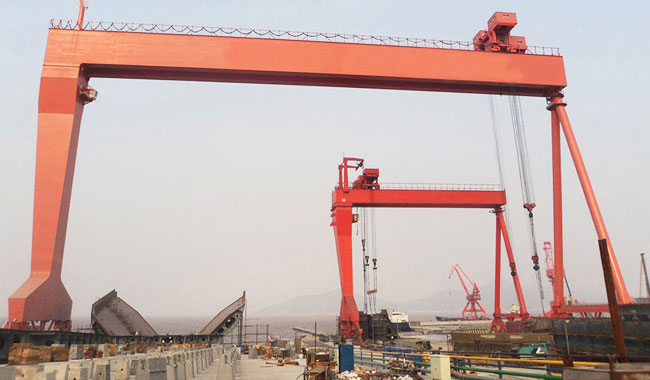
Heavy-Duty Shipyard Gantry Cranes for Large Hull Block Assembly
Our heavy duty shipyard gantry cranes are designed for lifting large blocks across assembly zones and can be equipped with automation features to enhance precision, ensuring accurate placement of hull sections and other heavy components.
Waterfront Transfer and Launch – Moving Completed Sections Safely
This stage involves transferring completed hulls or assembled blocks to the waterfront, dry docks, or floating docks. This phase includes long-distance transport, load balancing, and environmental challenges like wind, tides, and uneven ground.
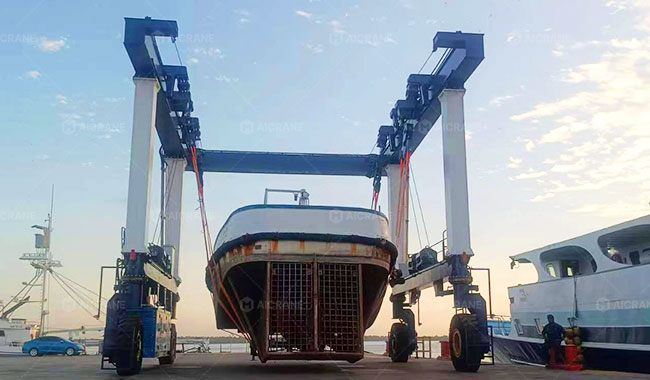
Boat Hoists for Yard-to-Quay Transfers
These mobile boat hoist cranes can handle large ship sections without the need for rails, making them ideal for moving hulls from the yard to the quay.
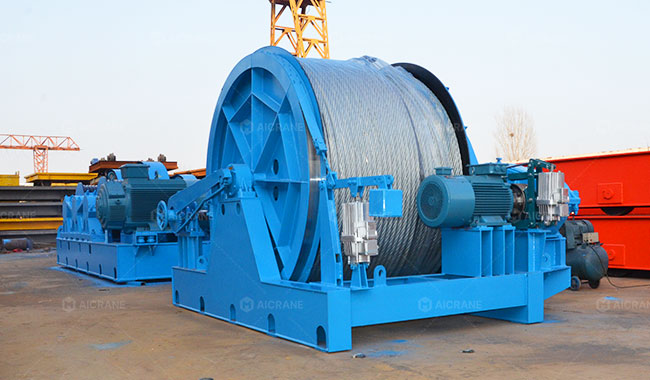
Slipway Winches for Safe Vessel Launching & Retrieval
Slipway winches are essential for safely launching or retrieving vessels on slipways. They allow precise control of tension, helping the hull slide smoothly into the water while managing speed, alignment, and environmental conditions such as tides or wind.
Maintenance & Repair – Efficient Handling for Repair and Refitting
Ship maintenance, repair, and refitting involve operations such as replacing worn-out engines, repairing hull damage, or upgrading onboard systems. Maintenance work is often unpredictable and performed in confined spaces, requiring flexible and safe lifting solutions.

Portable Gantry Cranes for Confined Spaces
Ideal for confined or irregular spaces, these portable gantry cranes can be positioned exactly where needed. They handle small to medium components such as engines, pumps, or mechanical modules, providing both mobility and load stability. Their flexibility allows maintenance teams to lift, reposition, and reinstall equipment efficiently without requiring permanent crane installations.
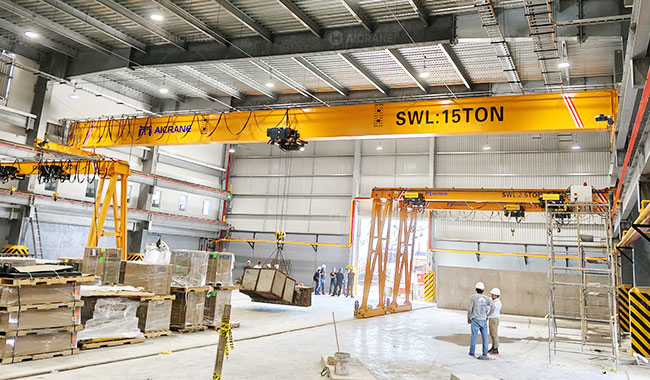
Maintenance Overhead Cranes for Heavy Equipment Handling
When larger or heavier equipment needs to be moved within workshops or dry docks, overhead cranes provide reliable lifting capacity and precise control. They are especially useful for engine replacements, large mechanical assemblies, or other heavy components where stability and precise positioning are critical.
While each shipyard workflow – fabrication, assembly, waterfront transfer, and maintenance – has typical lifting and transport solutions, the choice of equipment is not one-size-fits-all. Factors such as vessel type, component size, workspace constraints, and operational priorities all influence the optimal solution. To ensure safety, efficiency, and precise handling at every stage, shipyards should consider tailored lifting strategies. Contact us to explore customized solutions designed specifically for your shipbuilding and maintenance requirements.
Cases: Real-World Applications in Shipbuilding & Maintenance
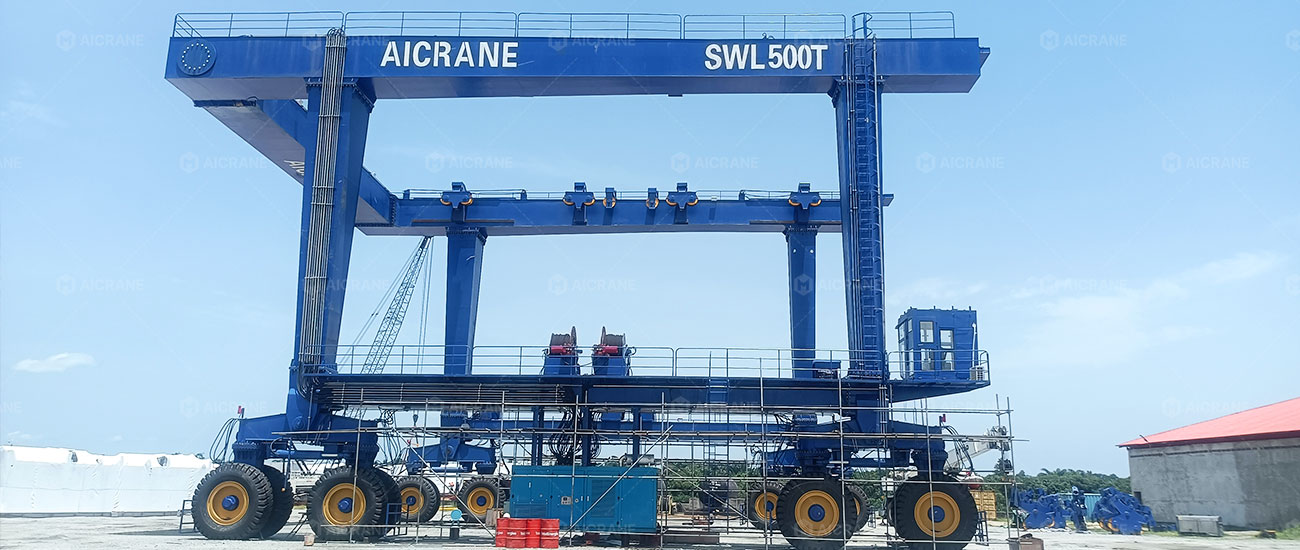
Supporting Large-Vessel Construction – 500-Ton Mobile Boat Hoist in a Nigerian Shipyard
Challenge: Handling and relocating massive hull sections and partially assembled vessels during shipbuilding.
Solution: An Aicrane 500-ton mobile boat hoist equipped with a robust frame, multi-wheel steering, and load monitoring was introduced to manage heavy movements within the yard.
Outcome:
- Stable and precise positioning of large structures during construction
- Increased efficiency in hull assembly workflows
- Reduced handling risks for both equipment and shipyard personnel
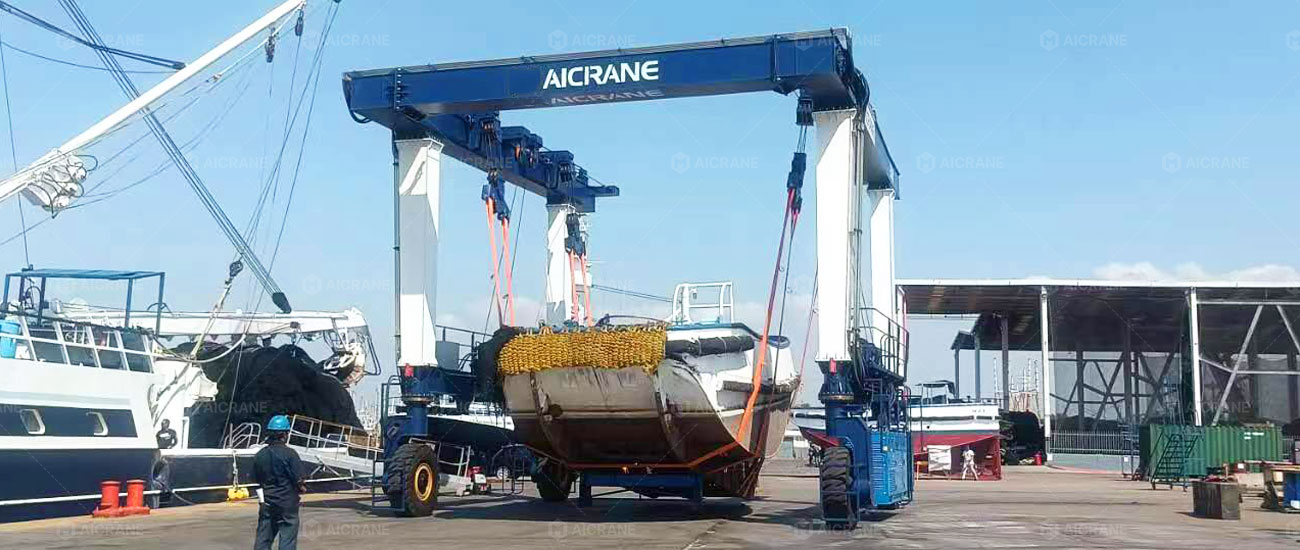
From Dock to Workshop – 50-Ton Boat Hoist Facilitating Maintenance in Mexico
Challenge: Safely lifting fishing boats from the dock and transporting them to the maintenance workshop.
Solution: Use an Aicrane 50-ton mobile boat hoist with smooth lifting mechanisms to control the transfer.
Outcome:
- Safe and efficient movement from dock to maintenance area
- Streamlined maintenance workflow with minimized downtime
- Enhanced safety for vessels and yard personnel
Industry Trends Shaping the Future of Shipbuilding & Maintenance
The shipbuilding and maintenance sector is evolving quickly as vessel designs, operational requirements, and customer expectations continue to change. Whether involved in newbuild projects or ongoing repair and service work, industry players are adapting to new technologies, sustainability goals, and more flexible operating models. The trends below reflect the direction in which the broader maritime construction and maintenance landscape is heading.

Digitalization Accelerating Shipyard Transformation
Digital tools are becoming central to modern shipbuilding and maintenance.
- Smart yard management systems enable real-time tracking of vessel movements, equipment status, and workflow progress.
- Digital twins help shipyards simulate assembly sequences, prepare for maintenance tasks, and predict structural stress during lifting.
- IoT-enabled lifting equipment provides continuous monitoring of load conditions and operational parameters, enhancing safety and reliability.
As shipyards strive for greater transparency and control, these technologies are evolving from optional upgrades into essential components of competitive operations.
Automation and Advanced Equipment Integration
Automation is reshaping how heavy components are moved and assembled.
- Automated material-handling pathways reduce manual coordination for large-section transfers.
- Semi-autonomous lifting systems help operators achieve millimeter-level precision during hull alignment and block assembly.
- Predictive maintenance algorithms minimize downtime by identifying equipment issues before they affect production.
With these innovations, shipyards are improving consistency, reducing rework, and accelerating project schedules.
Sustainability Driving Operational Change
Environmental regulations and global decarbonization goals are influencing how shipyards operate.
- Energy-efficient hoisting systems and electric-drive transport equipment help reduce emissions.
- Optimized yard layouts minimize unnecessary vessel movement and shorten travel distances.
- Recycling and refurbishment practices are expanding, increasing the need for efficient, controlled lifting during retrofit and dismantling processes.
Sustainability is no longer limited to vessel design – it now extends throughout the entire shipyard workflow.
Growing Demand for Flexible, Multi-Purpose Shipyards
Fluctuating global shipping markets require shipyards to remain adaptable.
- Shift toward multi-purpose facilities that handle commercial ships, fishing vessels, offshore structures, and yachts.
- Modular construction approaches allow shipyards to handle diverse project types with shorter turnaround times.
- Mobility-focused lifting equipment – such as mobile gantry cranes, mobile boat hoists and trackless transporters – helps yards respond quickly to different operational scenarios.
Flexibility is becoming a key strategic advantage as shipyards diversify their service capabilities.
As the shipbuilding and maintenance industry continues to evolve, the need for well-planned, future-ready facilities is becoming more evident. From improving workflow efficiency to meeting new technical and environmental requirements, many organizations are now reassessing how their infrastructure supports long-term growth. This creates a growing demand for integrated planning, coordinated construction, and reliable project execution – areas where comprehensive EPC services can play a vital role in building stronger, more capable maritime facilities.
Integrated EPC Solutions for Shipbuilding and Maintenance Facilities
As shipbuilding and maintenance operations become more complex, well-designed facilities are essential for efficiency, safety, and long-term performance. Aicrane’s EPC (Engineering, Procurement, and Construction) services provide end-to-end support for shipyards, repair workshops, and waterfront maintenance centers, ensuring that lifting systems, steel structures, and material-handling workflows are seamlessly integrated.

Engineering: Optimized Facility Design for Shipyards and Repair Centers
Our engineering team develops solutions tailored to the unique requirements of shipbuilding and maintenance. This includes:
- Layout planning for ship assembly, dry dock operations, and vessel transfer routes
- Integration of heavy-duty gantry cranes, mobile boat hoists, and overhead lifting systems
- Structural design of steel structure workshops and storage areas to support large hulls and heavy components
Procurement: High-Quality Components for Shipbuilding Facilities
We manage the sourcing of all critical components, including overhead and gantry cranes, boat hoists, steel structures, and control systems, ensuring:
- Compliance with safety standards
- Reliable supply chains for timely project delivery
- Long-term durability for demanding shipyard environments
Construction & Installation: Complete Facility Setup
Aicrane oversees the construction and installation of complete facilities, including:
- Assembly of steel workshops and crane runways
- Installation and commissioning of lifting and material-handling equipment
- On-site supervision to ensure safety and operational readiness
By leveraging Aicrane EPC services, shipyards and maintenance centers gain a fully coordinated solution – from facility layout to operational handover – allowing them to focus on building and servicing vessels efficiently and safely. Contact our team today to discuss how we can design and deliver a customized facility that meets the unique demands of your shipbuilding or maintenance operations.