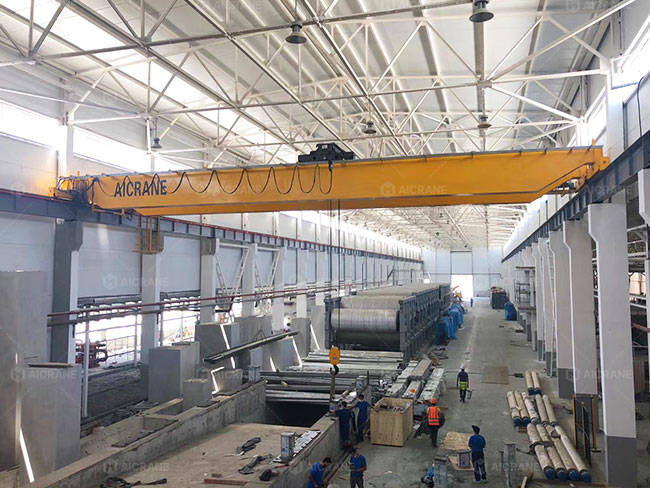
In today’s fast-paced industrial landscape, understanding overhead crane uses is essential for companies aiming to improve efficiency, safety, and material handling capabilities. These systems are widely adopted across various sectors such as manufacturing, warehousing, metallurgy, and energy. This article explores the typical uses of overhead cranes and addresses the key concerns customers often have when selecting the right system for their applications.
What Are Overhead Cranes Used For?
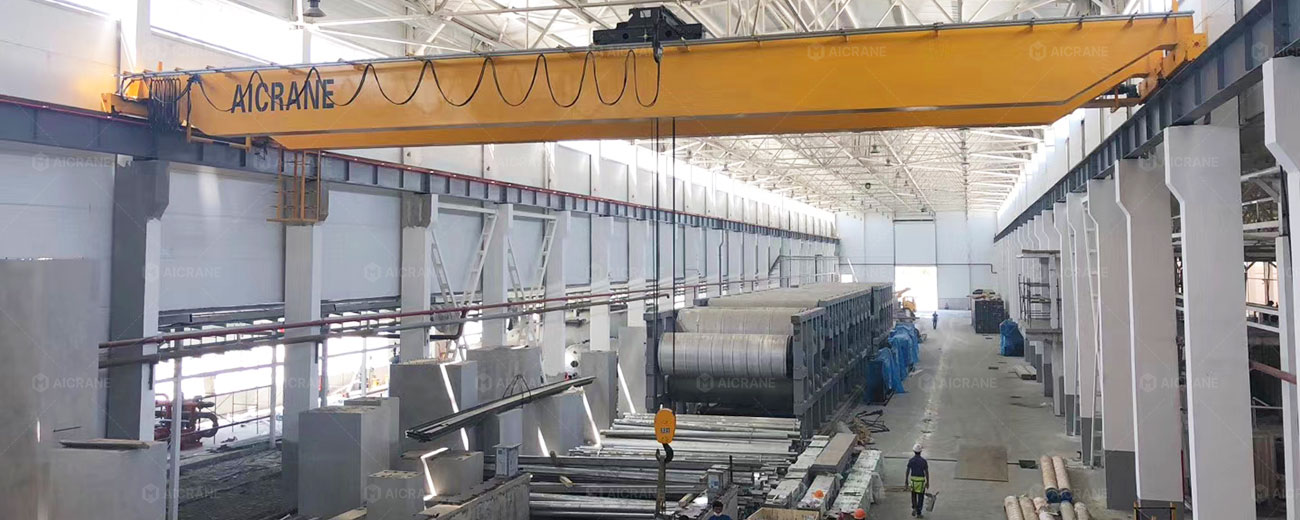
Overhead cranes are primarily used to lift, move, and position heavy loads safely and efficiently within a workspace. They typically travel along fixed tracks mounted to the ceiling or steel structure of a building, keeping the floor space clear and improving material flow.
Common overhead crane uses include:
- Transfer heavy materials between workstations
- Load or unload goods from trucks or storage racks
- Assist in equipment assembly and maintenance
- Handle bulky or awkwardly shaped components
- Reduce manual labor and increase safety in handling processes
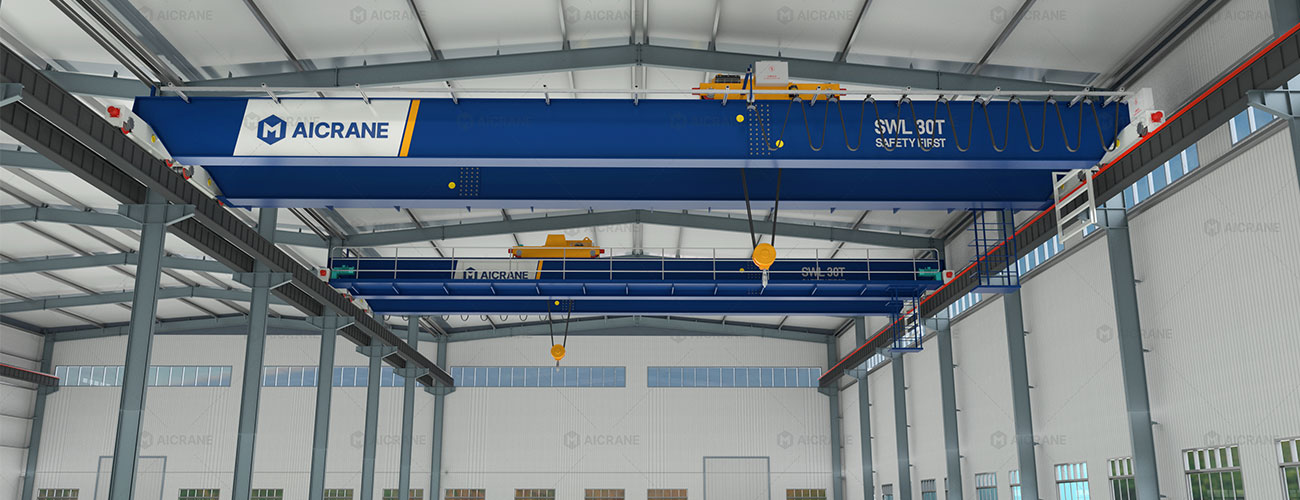
Depending on the configuration, overhead cranes can be single girder or double girder, top-running or under-running, and can be customized with special lifting tools for unique materials.
Which Industries Commonly Use Overhead Cranes?
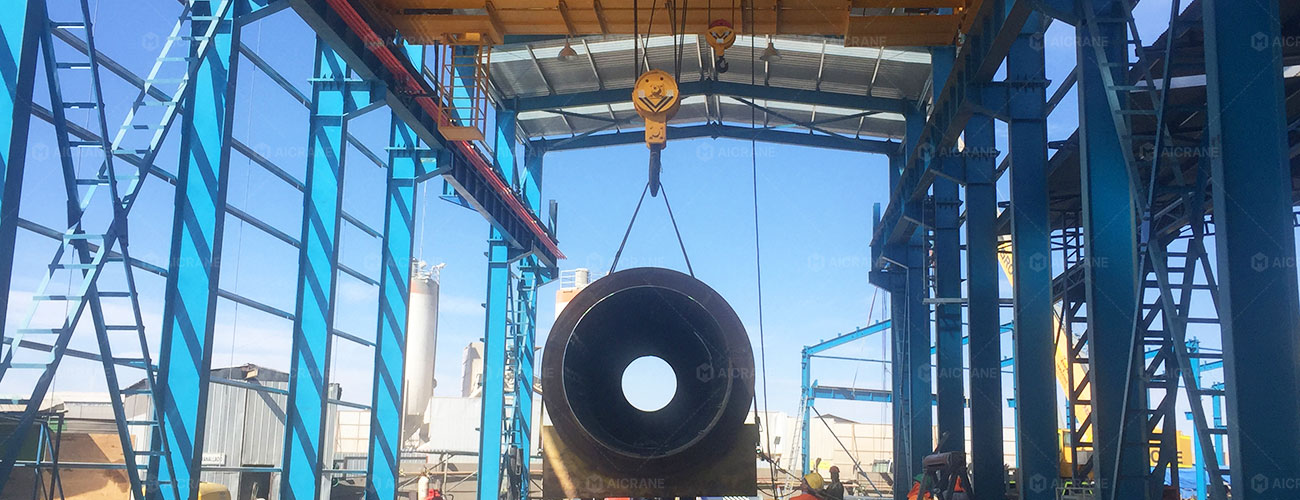
Overhead cranes play a vital role in industries where heavy material handling needs to be safe, efficient, and reliable. At Aicrane, we’ve supplied a wide range of overhead crane systems tailored to meet the needs of different sectors. Below are some of the most common industries utilizing overhead cranes:
Manufacturing and Assembly
One of the primary uses of overhead crane systems in machinery manufacturing is to lift and move raw materials, machinery components, and finished products across the production line. Whether you’re handling steel plates or assembling complex equipment, overhead cranes ensure smooth, efficient material flow.
Case Examples:
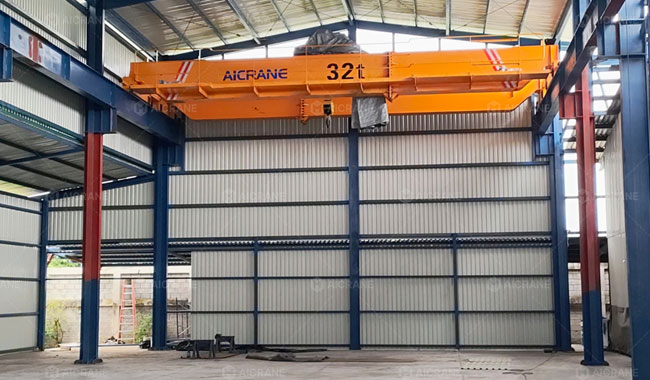
Precision Instrument Factory in Costa Rica
- Crane Type: 32-ton double girder bridge crane
- Overhead Crane Usage: Ensures accurate positioning during precision instrument processing, boosts production efficiency
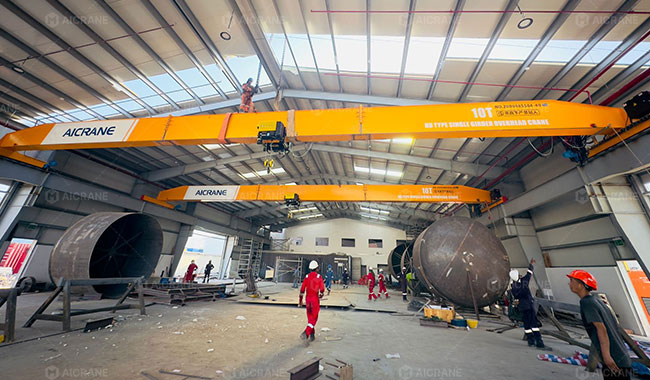
Machinery Parts Manufacturing Plant in UAE
- Crane Type: 10-ton single girder overhead crane
- Overhead Crane Usage: Replaces outdated lifting equipment to enhance reliability and operational efficiency in machinery parts production
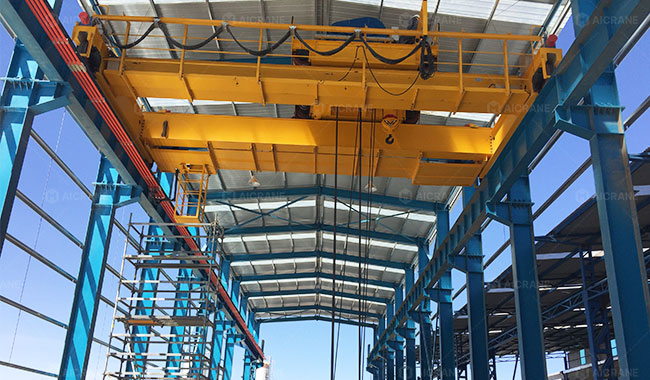
Heavy Metal Component Manufacturing in Chile
- Crane Type: 50-ton double girder overhead crane
- Overhead Crane Usage: Handles lifting and transport of heavy metal components during manufacturing processes, improving workflow and safety
Metallurgy and Steel Industry
In steel mills and foundries, the overhead crane purpose goes far beyond standard lifting. These cranes operate in high-temperature, high-load environments, moving molten metal, heavy molds, and steel coils with precision and safety.
Case Examples:
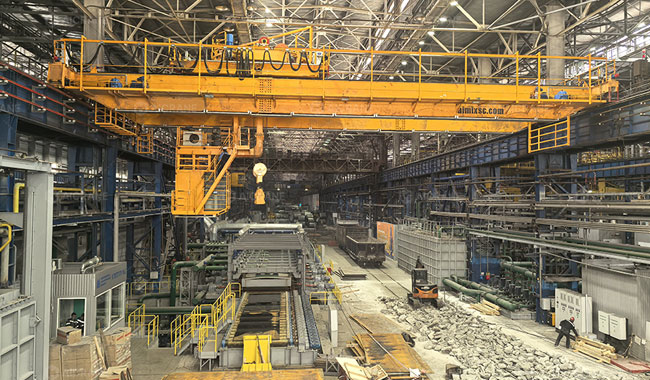
Steel Processing Plant in Russia
- Crane Type: 16 ton overhead crane with rotating electromagnetic lifting beam
- Overhead Crane Usage: Specially designed to lift steel plates and coils, enhancing efficiency and safety in heavy-duty steel handling operations
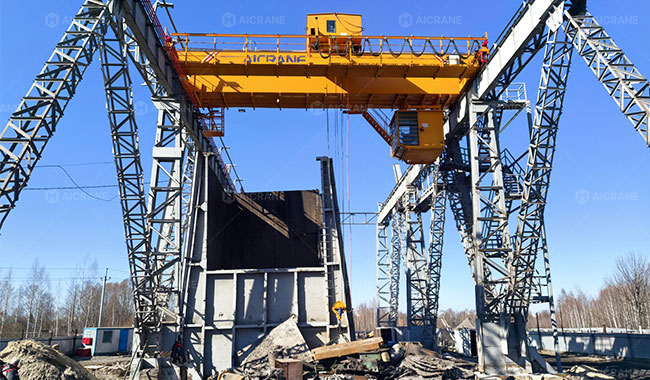
Steel Scrap Handling Facility in Russia
- Crane Type: 15 ton overhead crane with electromagnetic chuck
- Overhead Crane Usage: Used for efficient lifting and handling of steel scrap, improving material flow and workplace safety
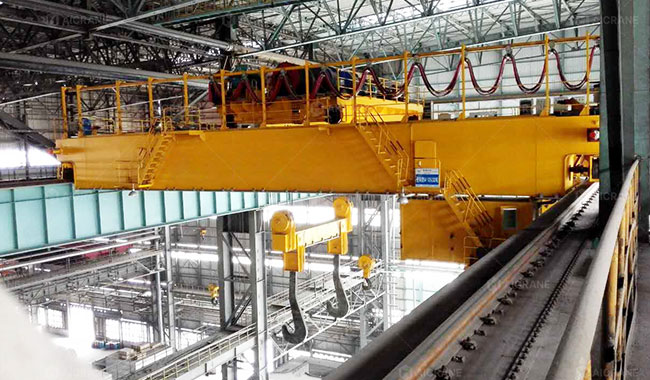
Steel Mill in China
- Crane Type: 125-ton double girder overhead crane
- Overhead Crane Usage: Used for ladle handling in high-temperature environments, enhancing safety and operational efficiency in steel production
Warehousing and Logistics
Efficient inventory handling is a crucial overhead crane application in logistics. Overhead and bridge cranes are often used in warehouses to lift pallets, containers, and equipment, optimizing storage space and reducing forklift reliance.
Case Examples:
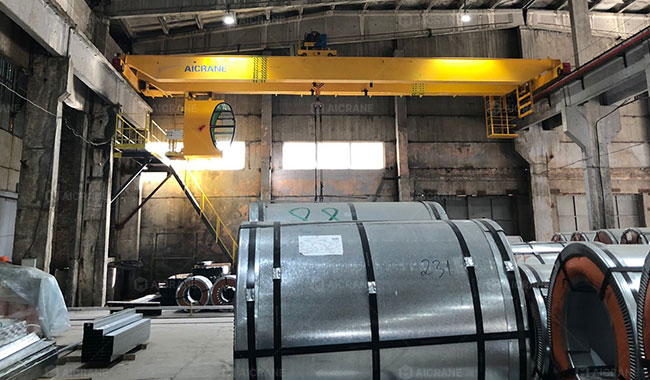
Steel Coil Warehouse in Kazakhstan
- Crane Type: 10-ton double girder overhead crane
- Overhead Crane Usage: Used for lifting and organizing steel coils, optimizing storage efficiency and material handling safety
Chemical Plant Warehouse in Indonesia
- Crane Type: 10-ton double girder overhead crane
- Overhead Crane Usage: Used for lifting raw materials in the warehouse, improving material handling efficiency and workplace safety
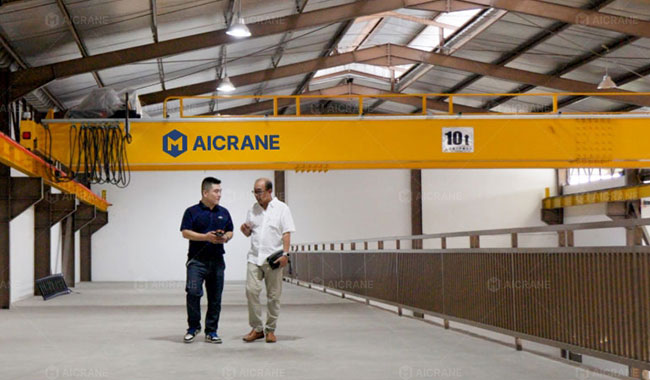
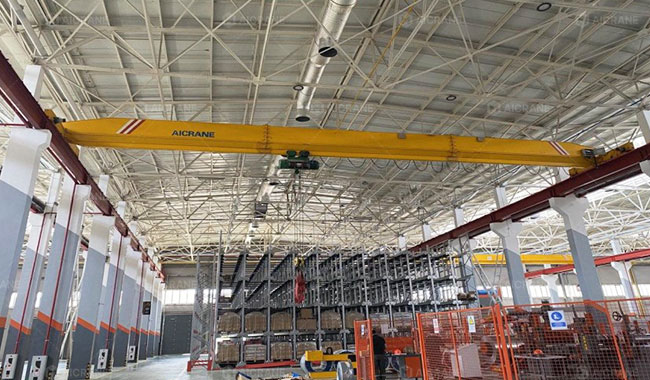
Warehouse in Uzbekistan
- Crane Type: 10-ton single girder overhead crane
- Overhead Crane Usage: Facilitates efficient material storage and retrieval operations in the warehouse
Power Generation and Energy Sector
The energy industry frequently uses overhead cranes to install and maintain large components such as turbines, transformers, and generators. These tasks require extreme precision, especially in confined spaces.
Case Examples:
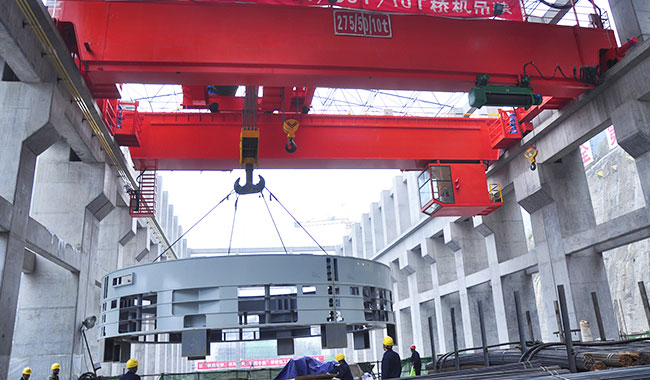
Hydropower Plant Project in China
- Crane Type: 275/50/10 ton double girder overhead crane
- Overhead Crane Usage: Designed for lifting and maintaining heavy components in a hydropower station, including turbines, generators, and auxiliary equipment
Power Plant Construction Project in China
- Crane Type: 160 ton double girder overhead crane
- Overhead Crane Usage: Used for lifting large and heavy equipment during the construction phase of a power plant, ensuring safe and efficient material handling on site
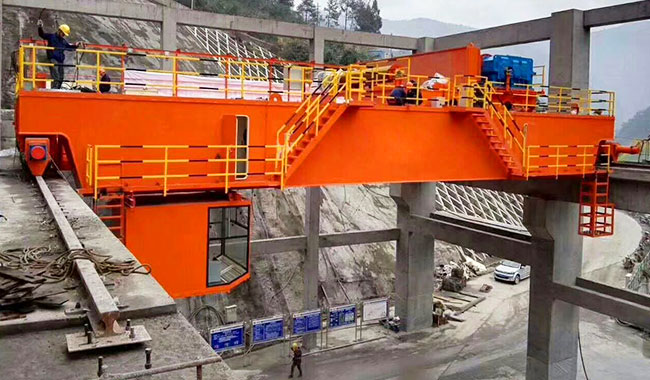
Construction and Precast Industry
What is overhead crane used for in construction and precast industry? Generally, these eot cranes often support lifting of concrete beams, slabs, and precast units. Dual crane setups (tandem lifts) are common to balance large loads safely and efficiently.
Case Examples:
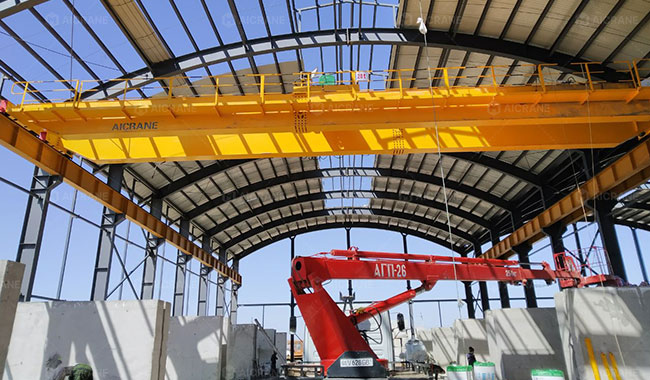
Precast Concrete Plant in Uzbekistan
- Crane Type: 20-ton double girder overhead crane
- Overhead Crane Usage: Used to lift and transport precast concrete blocks efficiently within the production area
Precast Concrete Facility in Kazakhstan
- Crane Type: 20-ton double girder overhead crane
- Overhead Crane Usage: Used for lifting and positioning concrete molds during the precast production process, ensuring precision and efficiency
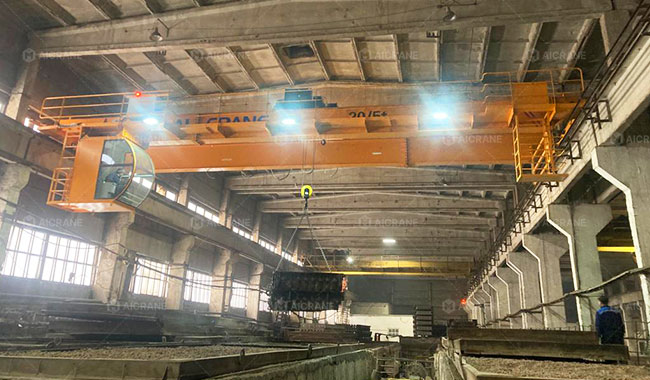
Paper and Pulp Industry
What is the purpose of overhead crane in paper mills? These cranes are commonly used to handle large rolls of paper, dryer drums, and heavy process equipment.
Case Examples:
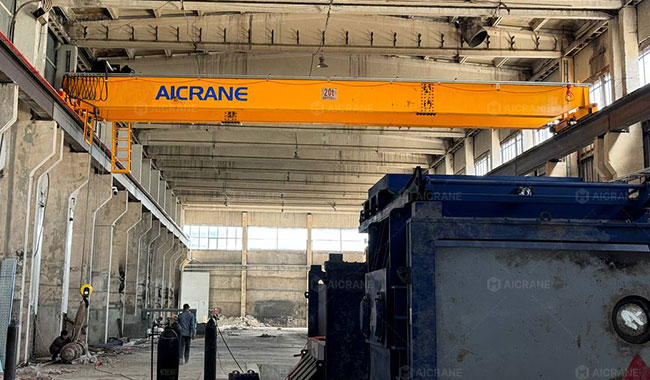
Corrugated Paper and Box Production Facility in Uzbekistan
- Crane Type: 20-ton double girder overhead crane
- Overhead Crane Usage: Used in the production workshop to handle heavy materials during paper, corrugated cardboard, and box manufacturing processes
As you can see, what are overhead cranes used for varies greatly depending on the industry, but the ultimate goal remains the same: safe, reliable, and efficient material handling.
With extensive experience and numerous successful installations, Aicrane has become a trusted partner for delivering tailored overhead crane solutions across industries worldwide. If you’re exploring overhead crane usage for your facility, it’s important to first ask: Is an Overhead Crane Suitable for Your Facility?
Is an Overhead Crane Suitable for Your Facility?
Determining whether an overhead crane is the right fit for your facility involves evaluating your lifting requirements, space constraints, workflow layout, and long-term operational goals. Here are key factors to consider:
Type and Frequency of Material Handling
Ask yourself:
- Do you frequently need to lift heavy loads (e.g., 10 ton, 20 ton, 30 ton, 100 ton, 500+ ton)?
- Are manual labor or forklifts currently causing inefficiencies?
- Is your material handling process repetitive, time-sensitive, or requires precision placement?
If you answered “yes” to any of the above, an overhead crane can significantly streamline operations by improving speed, safety, and load control.
Available Building Structure
Overhead cranes require structural support. Your facility should ideally have:
- Sufficient ceiling height to accommodate crane runways and lifting clearance.
- Adequate column spacing and building integrity to support a top-running or under-running system.
For facilities without suitable support, gantry crane systems may be a flexible alternative.
Floor Space Optimization
If your facility is facing floor congestion or limited space:
- Overhead cranes offer zero footprint lifting, freeing up valuable floor space compared to mobile cranes or forklifts.
- They are particularly effective in narrow aisles, assembly lines, or warehouse environments.
Level of Automation Needed
Are you looking to:
- Reduce manual intervention?
- Improve safety with anti-sway, load monitoring, or automated motion controls?
Overhead cranes can integrate PLC control, IoT monitoring, and even remote operation, ideal for smart manufacturing setups.
Signs Your Facility May Not Be Ready for an Overhead Crane
- Low ceiling height that restricts crane installation.
- Lack of structural support for rail mounting.
- Irregular material movement patterns (e.g., needing curved paths).
- Short-term or temporary use cases better suited for mobile solutions.
In such cases, consider portable gantry cranes, rubber tyred gantry cranes or trackless transfer carts as more flexible alternatives.
If you’ve determined that investing in an overhead crane is the right move for your facility, the next step is just as important – knowing how to choose the right one. Next, let’s explore what factors to consider when selecting the most suitable overhead crane for your applications.
How to Choose the Right Overhead Bridge Crane for Your Specific Uses
When looking to invest in an overhead bridge crane, you probably wonder how to select the right system that fits your unique work environment and requirements. Understanding what is the purpose of an overhead crane system in your facility will help you avoid overspending or ending up with an unsuitable crane. Here are the key questions and factors to consider when choosing an overhead crane:
What Load Capacity Do I Really Need?
Start by clearly defining the heaviest load you need to lift regularly. Choosing a crane with the right capacity is crucial – too small, and you risk overload; too big, and you waste money on unnecessary features. For example, if you often lift steel coils weighing 20 tons, an overhead crane rated slightly above 20 tons will provide safe and reliable performance.
How Much Space Do I Have for Installation?
Your facility’s layout directly affects the crane’s span and travel distance. If your workshop or warehouse is compact, you need a crane that maximizes usable space without interfering with existing structures or workflows. You may ask: can the crane be customized to fit tight spaces? The answer is yes – Aicrane overhead bridge cranes can be designed with various spans and heights to suit your space.
How High Should the Overhead Crane Lift?
Consider the maximum lifting height required. Will you need to lift loads over tall stacks or machinery? Knowing this upfront ensures the crane’s hook height matches your operational needs without hitting ceilings or other obstacles.
How Often and How Intensively Will I Use the Overhead Crane?
Your daily operation determines the crane’s duty class. For heavy, continuous use (like in steel mills), you’ll need a more robust, durable heavy duty overhead crane designed for frequent lifting. For lighter or occasional lifting, a standard duty or light duty overhead crane is sufficient and more cost-effective.
How Easy Is the Overhead Crane to Operate and Control?
Many customers prioritize safety and ease of use. You might ask: overhead crane how to use safely and efficiently? Options include pendant controls, remote wireless controls, cabin control, or even automated systems. The right choice depends on your preference and the complexity of your tasks.
Can the Overhead Crane Be Customized for My Specific Uses?
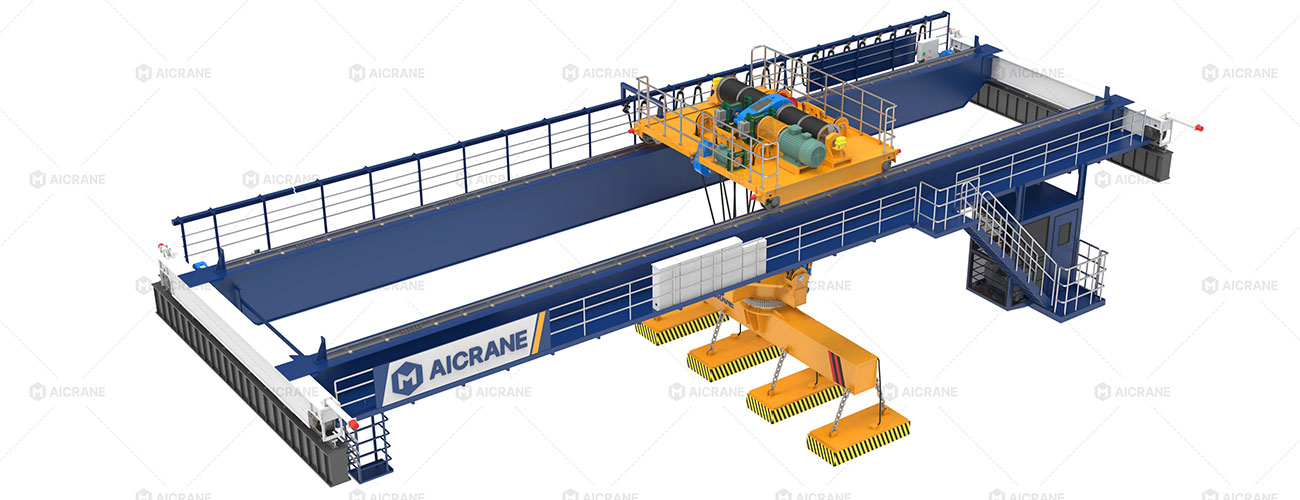
From special lifting attachments to integration with your production line, customization matters. Whether you need magnet hooks, smart monitoring systems, or anti-sway devices, make sure the overhead crane supplier offers tailored solutions.
Understanding overhead eot crane uses and carefully selecting the right system tailored to your specific application is key to boosting productivity, ensuring safety, and reducing operational costs. Contact us today for a free consultation and customized solution that fits your unique lifting needs.
Benefits of Using Overhead Bridge Cranes
Reduce Downtime and Maintenance Costs with Intelligent Monitoring
Our cranes feature a visual recognition-based smart monitoring system that tracks real-time equipment status and detects anomalies early.
- Up to 50% fewer equipment stoppages
- Predictive maintenance reduces overall maintenance cost by 25% annually
Boost Productivity with Smarter Overhead Crane Control Systems
Powered by PLC automation, frequency inverters, and 5G communication technology, our overhead cranes respond quickly and move smoothly – improving workflow efficiency.
- 60% faster response time compared to traditional systems
- 30% increase in handling efficiency
Improve Load Handling Accuracy with Anti-Sway Technology
Our advanced electric anti-sway system minimizes load swinging and enables millimeter-level positioning accuracy.
- Up to 95% reduction in load sway
- Achieve a swing angle of less than 2‰ radians
Enhance Workplace Safety and Reduce Operational Risks
From real-time load monitoring to collision avoidance systems, our industrial overhead cranes are built with multi-layered safety protection.
- 70% fewer crane-related incidents reported
- Safer working environment for operators and nearby personnel
Ready to Explore the Right Overhead Crane for Your Uses?
If your business relies on lifting and transporting heavy loads, an overhead crane could be the ideal solution to increase efficiency, safety, and workflow. Whether you’re in manufacturing, logistics, or steel industry, choosing the right crane starts with understanding your unique requirements.
At Aicrane, we specialize in helping businesses identify the most suitable overhead crane solution based on their specific uses. We offer customized design, expert guidance, and reliable support every step of the way. Contact us today to get a custom solution for your application.