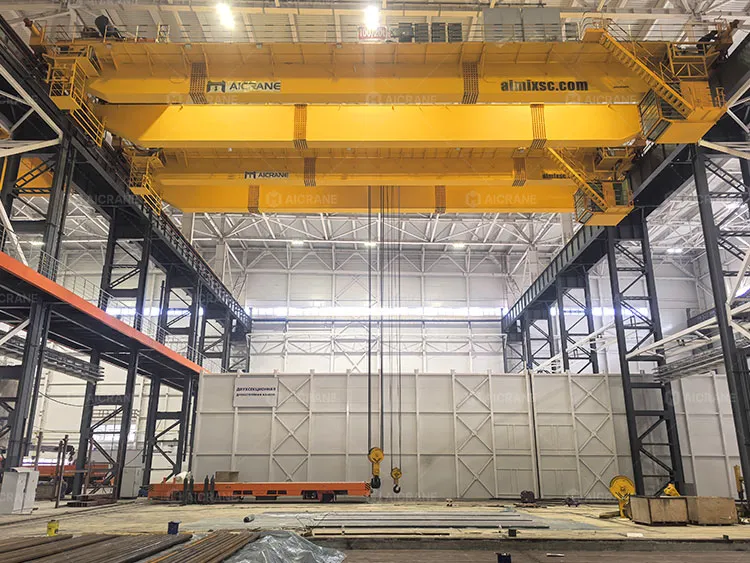
Aicrane supplies customized workshop overhead crane solutions for manufacturing and industrial facilities where safe and efficient material handling is essential. From general production workshops to heavy fabrication environments, our crane systems are designed according to load requirements, working conditions, and building constraints to ensure reliable lifting performance and long-term operational efficiency.
Workshop Overhead Crane Types for Different Handling Requirements
Single Girder Overhead Crane for General Workshop Handling
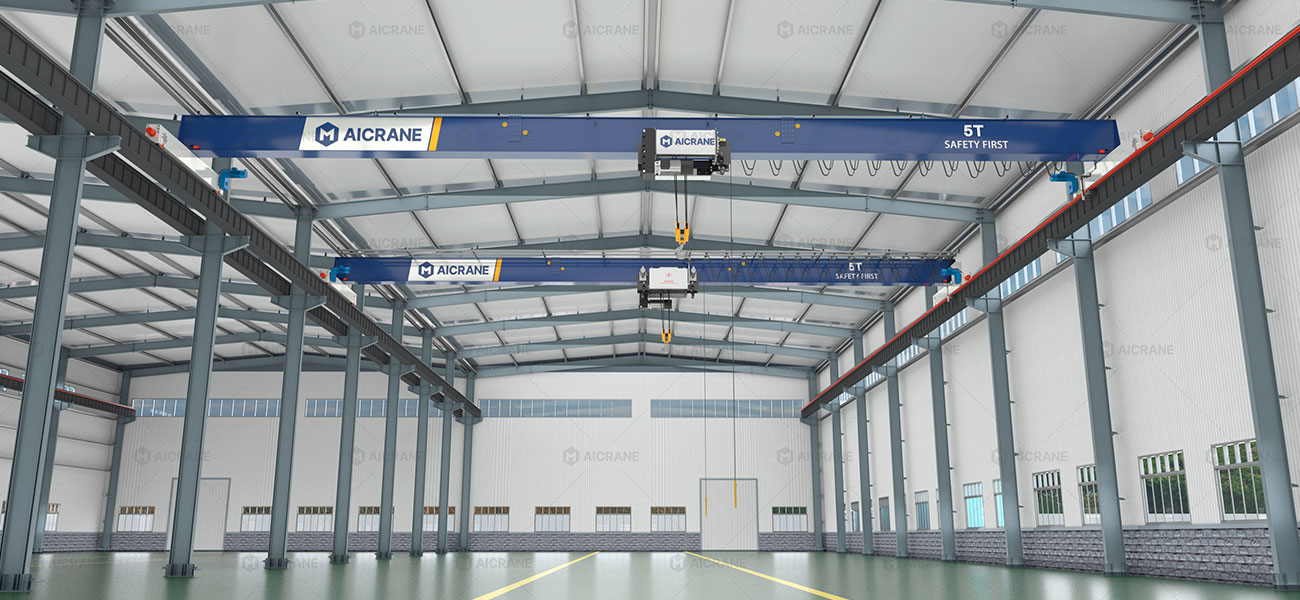
Single girder shop overhead cranes are well suited for workshops where light to medium-duty lifting, limited installation space, and cost-effective operation are the primary considerations. Their compact structure allows efficient material handling while making good use of the available workshop space.
The single girder overhead cranes are commonly selected for workshops with moderate lifting frequency and applications involving components, production materials, and finished products.
Typical Applications
- Small to medium manufacturing workshops
- Assembly and fabrication workshops
- Maintenance and repair workshops
- Workshops with moderate lifting requirements
Typical Specifications
- Lifting Capacity: Typically 5-20t, with customized capacity available based on project requirements
- Span: 7.5-28.5m, customized according to workshop layout and runway conditions
- Lifting Height: 6-18m, Configured according to building height and lifting requirements
- Working Class: Selected based on lifting frequency, load cycles, and operating conditions
Double Girder Overhead Crane for Demanding Workshop Applications
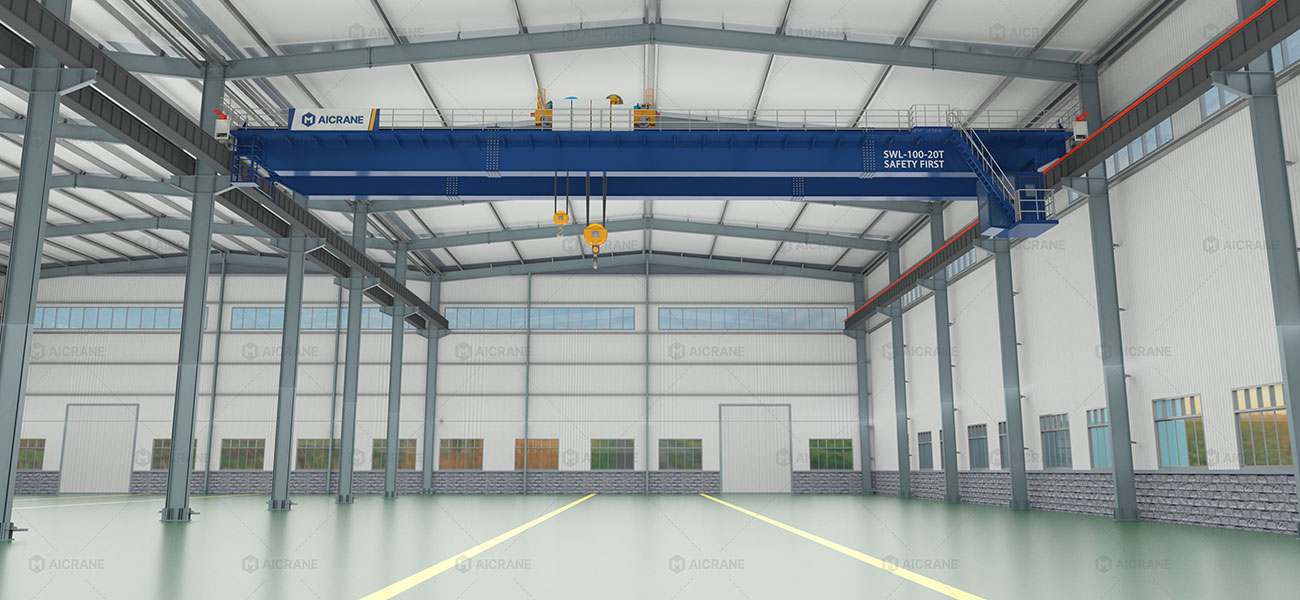
Double girder overhead cranes are designed for workshops requiring higher lifting capacity, larger working coverage, greater lifting height, or more intensive operating cycles. Their robust structure provides the rigidity and stability needed for handling heavy loads throughout demanding production processes.
The double girder cranes are commonly used where heavy equipment, large structural components, or continuous lifting operations require higher crane performance and long-term reliability.
Typical Applications
- Heavy machinery manufacturing workshops
- Steel fabrication and metal processing workshops
- Large production workshops requiring long spans
- Workshops with high-capacity or high-frequency lifting operations
Typical Specifications
- Lifting Capacity: Typically 10-500t, customized for different heavy-duty lifting applications
- Span: 10.5-31.5m, customized according to workshop dimensions and handling requirements
- Lifting Height: 6-24m, Designed according to building structure and required lifting clearance
- Working Class: Selected based on duty cycle, operation frequency, and expected service life
How Aicrane Customizes Overhead Crane Solutions for Different Workshop Requirements
Every workshop has unique structural conditions, lifting requirements, production processes, and operating environments. Aicrane develops customized overhead bridge crane solutions based on these factors to ensure reliable installation, efficient material handling, and long-term operational performance.

Limited Building Height
Limited roof height reduces the available lifting space and requires careful optimization of the crane structure and hoisting arrangement.
To maximize the usable lifting height, Aicrane optimizes the workshop bridge crane design through:
- Low-headroom hoisting arrangements to reduce the vertical space occupied above the crane girder
- Compact trolley designs to improve hook approach distance and lifting coverage
- Optimized bridge structures based on the available installation height
- Customized lifting heights according to workshop dimensions and handling requirements
These low headroom crane configurations help customers achieve greater lifting capability in workshops where vertical space is restricted.
No Existing Crane Runway Structures
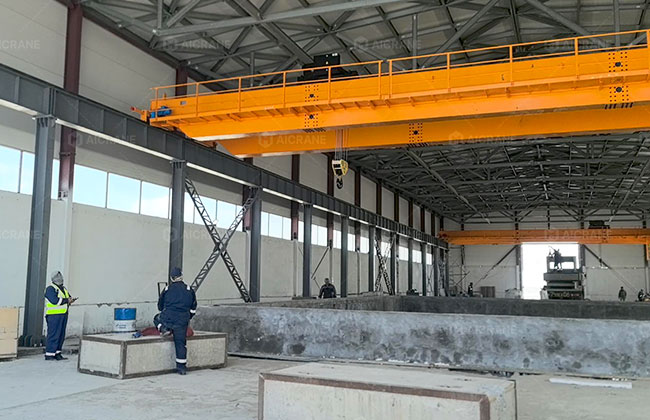
Some existing workshops were not originally designed for overhead crane installation and may lack runway beams, supporting brackets, or sufficient structural capacity.
To integrate overhead cranes into these facilities, Aicrane provides customized installation solutions, including:
- Independent steel support structures with dedicated columns and runway beams when required
- Customized runway beam layouts based on crane span and working coverage
- Crane arrangements adapted to existing building conditions
- Installation methods designed to minimize unnecessary workshop modifications
This approach allows customers to install overhead cranes even when the original workshop was not equipped with crane support structures.
Heavy-Duty Lifting Requirements
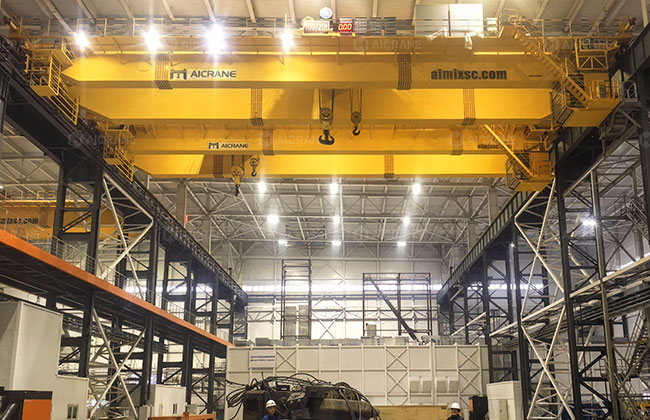
Workshops handling heavy machinery, steel structures, molds, and oversized components require heavy duty overhead crane systems with higher structural strength, stability, and durability.
Aicrane configures the crane according to load characteristics and operating requirements, including:
- Single or double girder structures selected according to lifting capacity, span, and working conditions
- Reinforced structural designs to improve load stability and reduce deformation
- Heavy-duty hoisting systems matched to load weight and lifting frequency
- Suitable duty classifications (such as A5-A7) based on expected working cycles
These configurations ensure stable and reliable crane performance in demanding industrial applications.
High-Frequency Material Handling
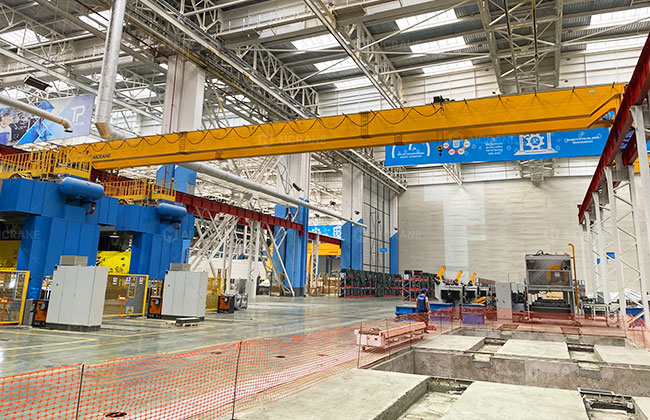
Workshops with continuous production processes require cranes that can withstand repeated lifting, travelling, acceleration, and braking cycles.
For high-frequency operations, Aicrane optimizes the workshop overhead crane system with:
- Duty class selection based on daily operating hours and workload
- Variable Frequency Drive (VFD) control for smoother acceleration, braking, and speed adjustment
- Optimized travelling and lifting mechanisms for frequent operation
- Reliable electrical and safety systems designed for continuous production environments
These features help reduce mechanical stress, improve operating stability, and support long-term continuous use.
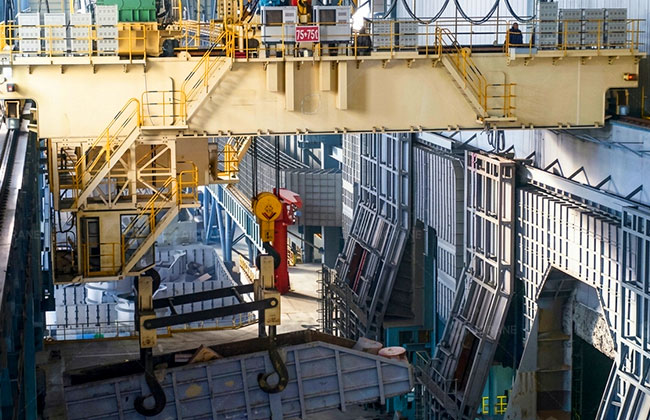
Extreme Temperature and Harsh Working Environments
Workshops exposed to high temperatures, heavy dust, moisture, corrosive substances, or hazardous conditions require additional protection measures.
Aicrane adapts the workshop crane configuration according to the actual working environment, including:
- Heat-resistant components for high-temperature applications
- Enhanced protection levels for electrical systems operating in harsh conditions
- Corrosion-resistant treatments and sealed mechanical components for dusty or humid environments
- Explosion-proof configurations for hazardous operating areas where required
Proper environmental protection improves crane reliability and extends service life under challenging workshop conditions.
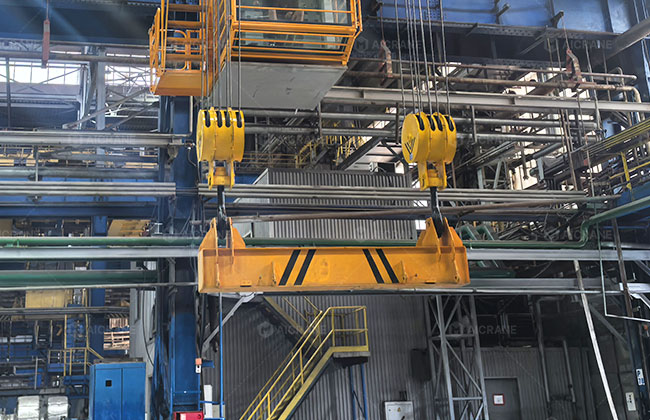
Special Material Handling Requirements
Some workshops handle long, oversized, irregular, or sensitive components that require more than standard hook lifting.
Aicrane develops customized handling solutions according to the material characteristics and production process, including:
- Special lifting beams and spreaders for long or oversized components
- Customized hooks and attachments for special lifting points
- Dedicated lifting devices for specific production processes
- Precise positioning control for assembly and maintenance operations
These customized configurations improve handling efficiency while supporting safer and more precise lifting operations.
Workshop Overhead Crane Projects
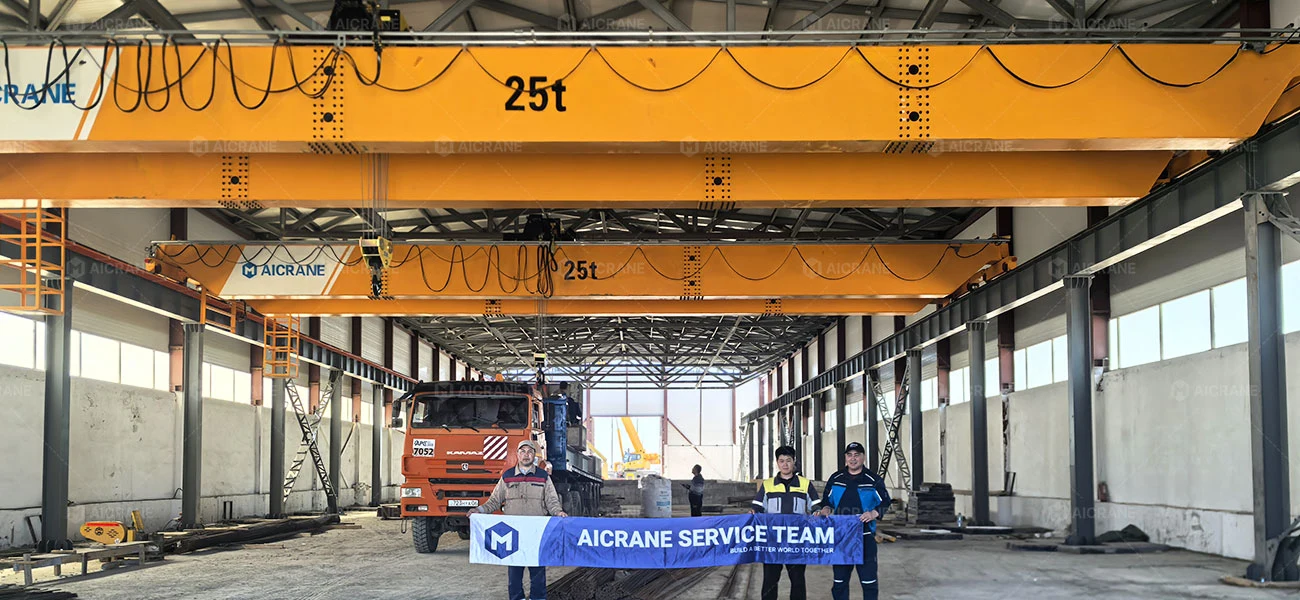
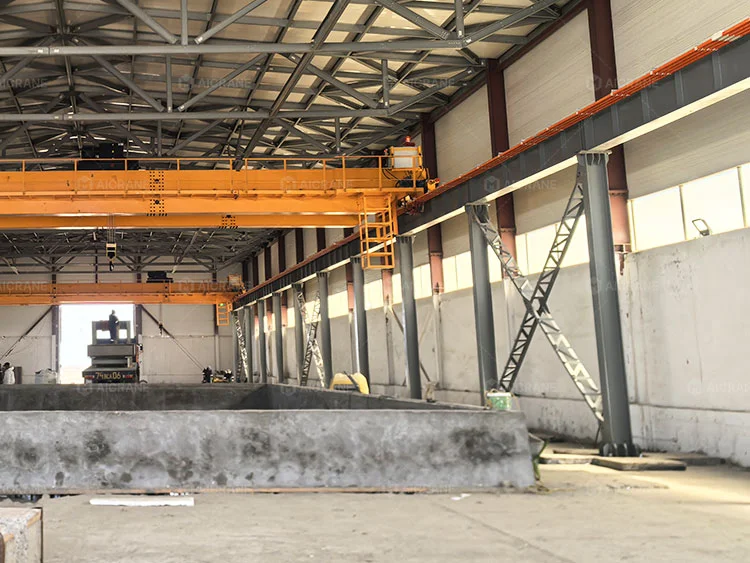
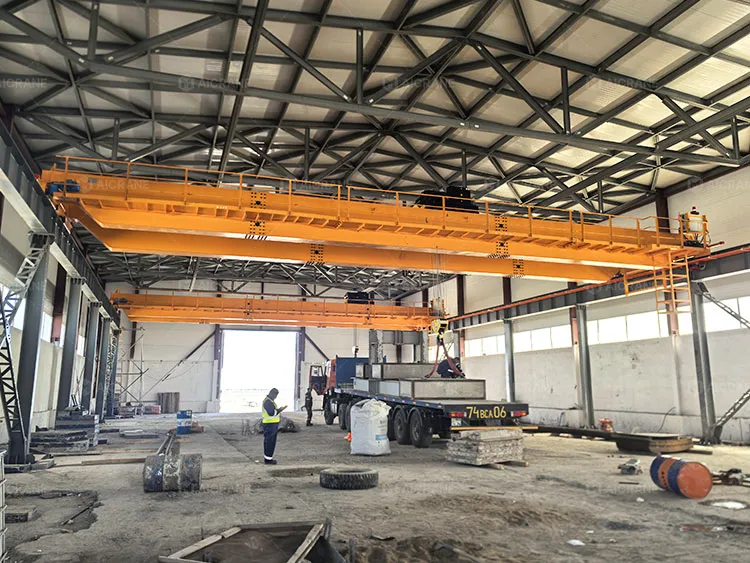
Two 25 Ton Double Girder Overhead Cranes for Precast Concrete Workshop in Kazakhstan
A precast concrete production workshop required two overhead crane systems to improve material handling efficiency. However, the workshop was completed without the supporting structures required for conventional bridge crane installation.
Customer Challenge
- The workshop had no existing runway beams or supporting structures for overhead crane installation.
- Limited building height required efficient use of available lifting space.
- The production process required reliable lifting systems to support regular precast concrete handling operations.
Aicrane Solution
- Designed independent steel columns and runway beams to create dedicated support structures, enabling installation of two overhead cranes without major workshop reconstruction.
- Supplied two 25 ton double girder overhead shop cranes with compact European type electric hoist trolleys, featuring a 20 m span and 6 m lifting height to match the workshop layout and lifting requirements.
- Configured the cranes with A5 duty classification to meet regular industrial lifting cycles and provide reliable performance for precast concrete production.
Project Result
- Enabled the customer to install two overhead cranes in a workshop without existing crane support structures.
- Improved material handling efficiency and production workflow for precast concrete operations.
- Achieved better utilization of the available workshop space while maintaining stable lifting performance.
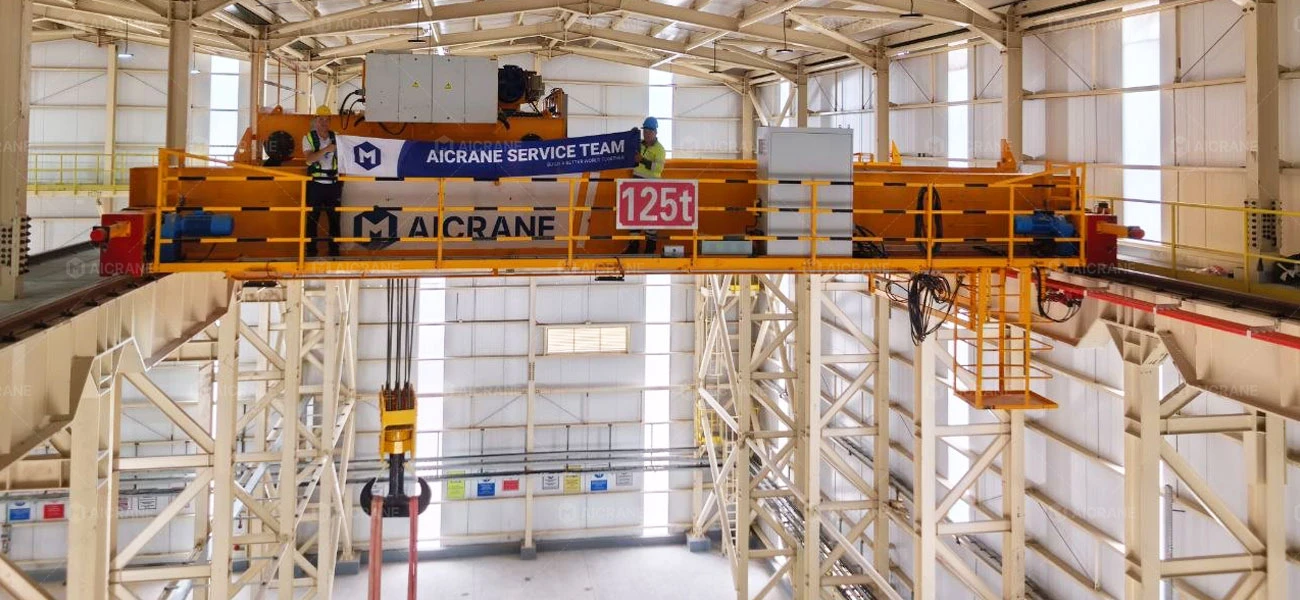
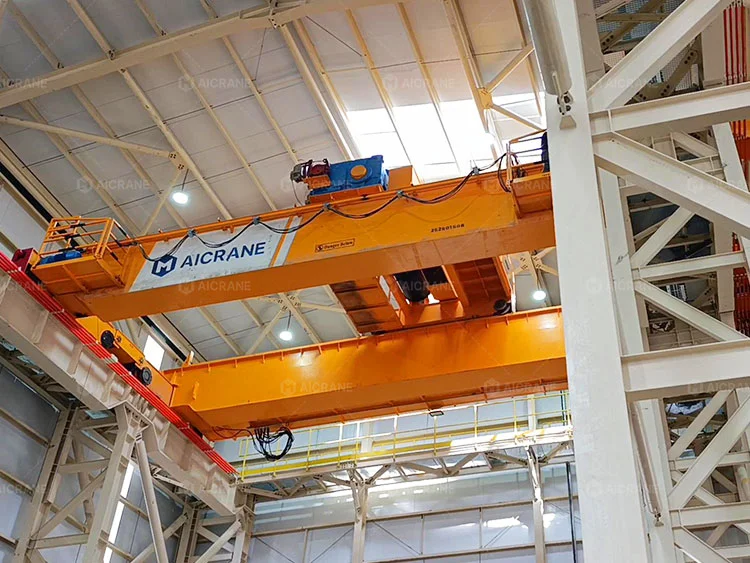
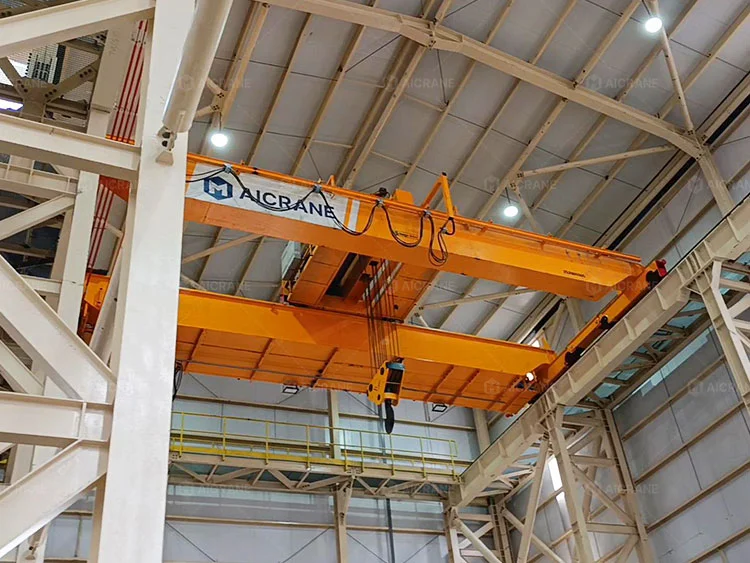
125 Ton and 50 Ton Double Girder Overhead Cranes for Mining Equipment Workshop in Uzbekistan
A mining project in Uzbekistan required heavy duty overhead crane systems for equipment installation, maintenance, and material handling inside the workshop.
Customer Challenge
- Heavy mining equipment required high-capacity lifting solutions for workshop handling.
- Large components required stable lifting performance and sufficient lifting height.
- The crane system needed to support reliable operation under frequent industrial working conditions.
Aicrane Solution
- Supplied 125 ton and 50 ton workshop bridge cranes to handle different heavy load requirements.
- Applied double girder bridge structures with a 12 m span and 11 m lifting height to provide stable lifting performance and suitable workshop coverage.
- Configured the cranes with A5 duty classification and VFD control systems to improve operational reliability, lifting smoothness, and service life under continuous industrial use.
Project Result
- Enabled safe and efficient handling of heavy mining equipment and components.
- Improved lifting coverage and utilization of workshop space.
- Provided reliable overhead lifting equipment for long-term industrial operation.
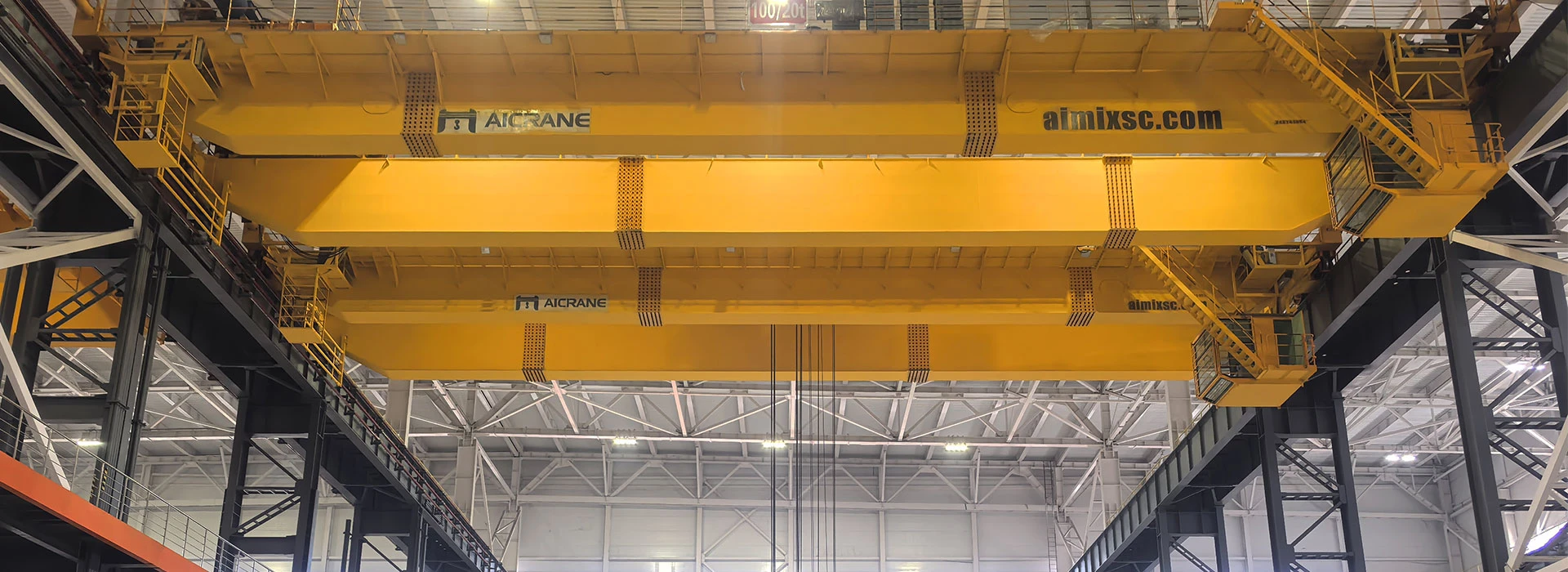
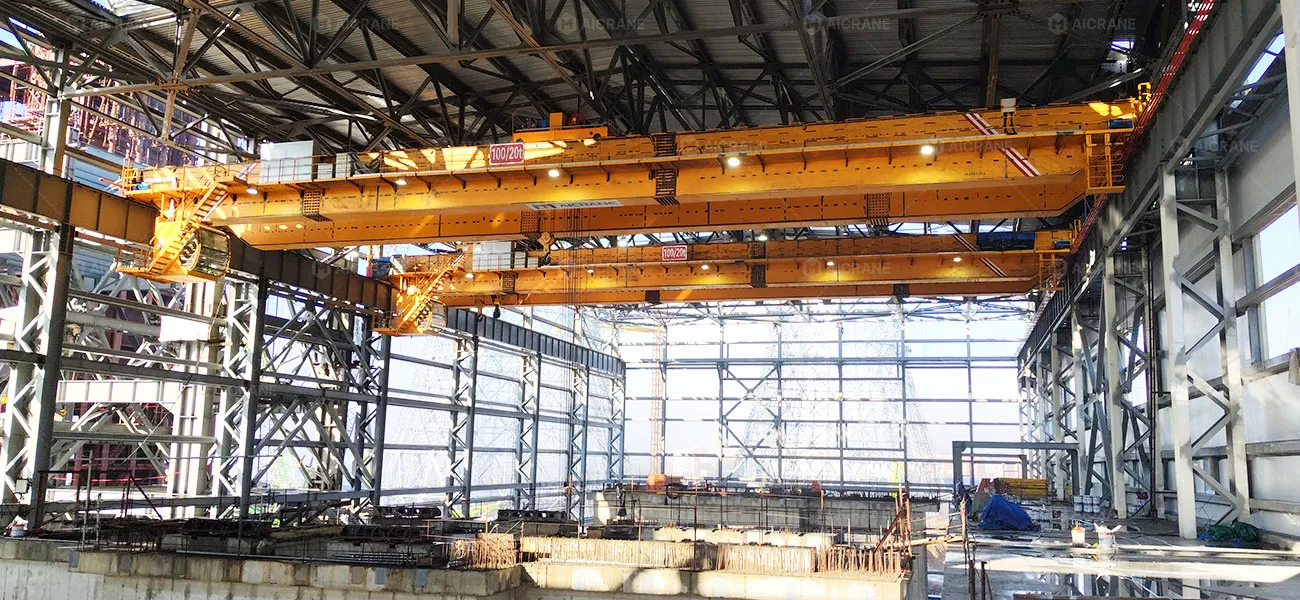
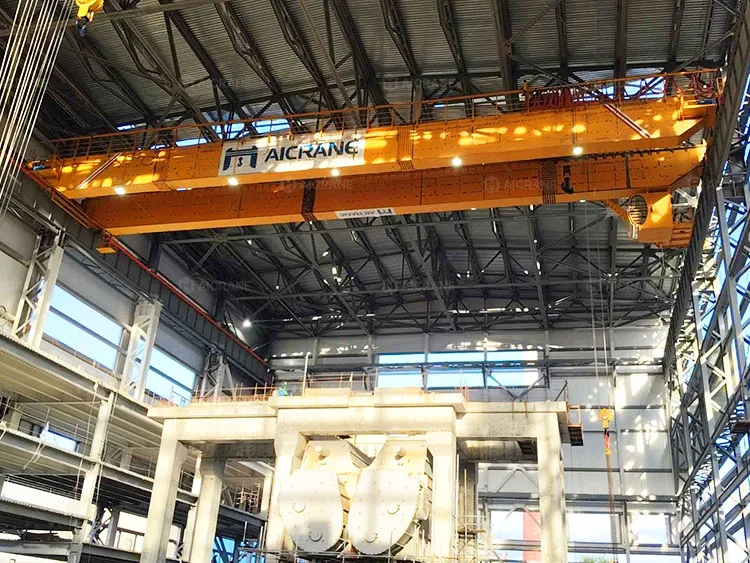
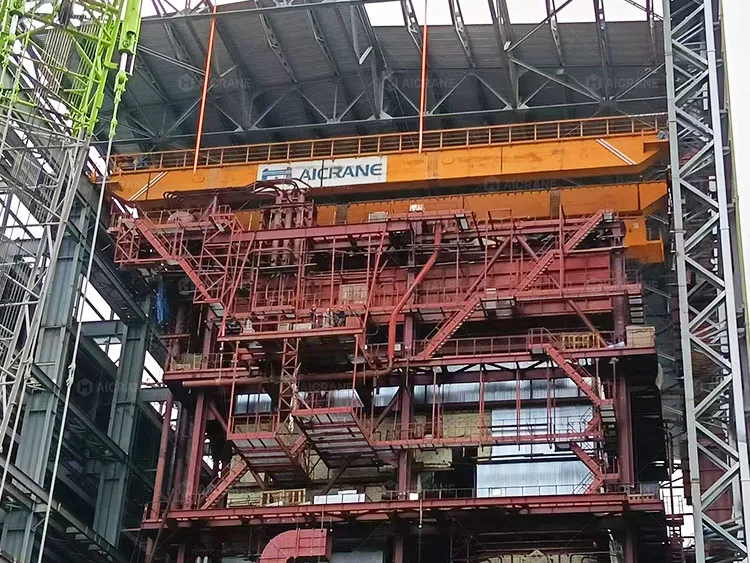
100/20 Ton and 63/20 Ton Double Girder Overhead Cranes for Power Plant Workshop in Russia
A thermal power plant project in Russia required heavy-duty bridge crane systems for the main workshop areas, including the boiler house and turbine hall. The cranes were used for installation, assembly, and future maintenance of critical power generation equipment.
Customer Challenge
- Large-scale power equipment required high-capacity cranes for precise lifting and installation operations.
- The main workshop areas required long-span crane systems with sufficient coverage for large equipment handling.
- The cranes needed to support both initial construction lifting and long-term maintenance operations of critical components.
Aicrane Solution
- Supplied two double girder overhead shop bridge cranes, including 100/20 ton and 63/20 ton configurations, to meet different heavy lifting requirements in the power plant workshop.
- Designed the cranes with different spans and lifting heights according to the workshop layout, including a 40 m span with lifting heights of 24.060 m/24.622 m for the 100/20 ton crane, and a 38.75 m span with lifting heights of 53.232 m/53.382 m for the 63/20 ton crane.
Project Result
- Supported high-precision lifting and assembly of major power generation equipment during plant construction.
- Provided reliable crane systems for future maintenance activities, including heavy component replacement and overhaul operations.
- Improved lifting efficiency and safety in critical areas such as the boiler house and turbine hall.
How to Select an Overhead Crane Based on Your Workshop Conditions
Before installing an overhead crane in workshop, it is important to evaluate how the crane will integrate with the existing building structure, production layout, and material handling process. The following workshop conditions help determine the most suitable crane design.
Evaluate Your Workshop Structure and Installation Conditions
Many workshops are built without considering future overhead crane installation. Before selecting a crane, evaluate:
- Whether runway beams or crane support structures already exist
- Whether the building columns can support crane loads
- Whether additional steel structures are required
If the workshop does not have suitable crane support conditions, an independent runway system with steel columns and beams can be designed to enable overhead crane installation.
Match the Crane Layout with Your Production Flow
A workshop crane should not only lift loads but also fit the way materials move through the facility.
Consider:
- Where materials are received, processed, assembled, and stored
- The lifting paths between workstations
- Areas requiring frequent lifting access
- Locations of machines, production lines, and obstacles
A suitable runway layout and crane travel range can help reduce unnecessary material movement and improve workflow efficiency.
Consider Available Workshop Height and Required Lifting Height
The available workshop height directly affects the achievable lifting height and crane configuration.
Evaluate:
- Building height
- Roof structure and available installation space
- Required clearance above equipment
- Required hook height for lifting operations
For workshops with limited headroom, the crane type, hoisting arrangement, and structural configuration should be carefully considered to achieve the required lifting performance.
Select Crane Capacity Based on Your Actual Workshop Tasks
The required crane capacity depends on what your workshop handles, not only the maximum product weight.
Consider:
- Maximum load to be lifted
- Dimensions and shape of components
- Whether loads need precise positioning
- Whether the crane will serve production, assembly, or maintenance operations
This helps determine suitable industrial shop crane structure, lifting mechanism, and control requirements.
Consider Future Workshop Expansion and Long-Term Use
A crane solution should support not only current operations but also future workshop development.
Consider:
- Possible production expansion
- Additional workstations or equipment
- Increased lifting frequency in the future
A properly planned crane system can avoid costly modifications when workshop requirements change.
Installation and After-Sales Support for Workshop Overhead Cranes
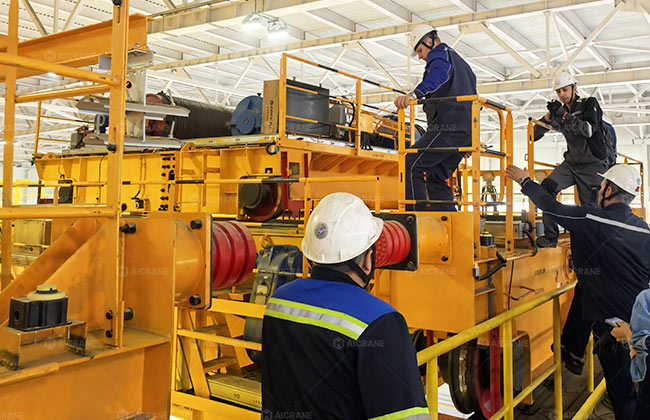
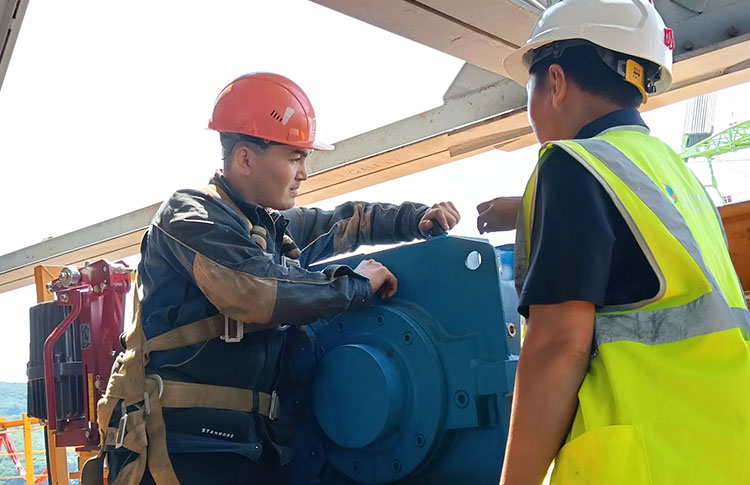
Aicrane provides technical support throughout the workshop overhead crane project lifecycle, including engineering coordination, installation guidance, commissioning, operator training, and long-term maintenance support.
Technical Support Before Installation
Before production and delivery, Aicrane helps customers confirm technical requirements and prepare for crane installation.
- Technical review: Evaluate crane specifications, lifting requirements, workshop layout, and installation conditions.
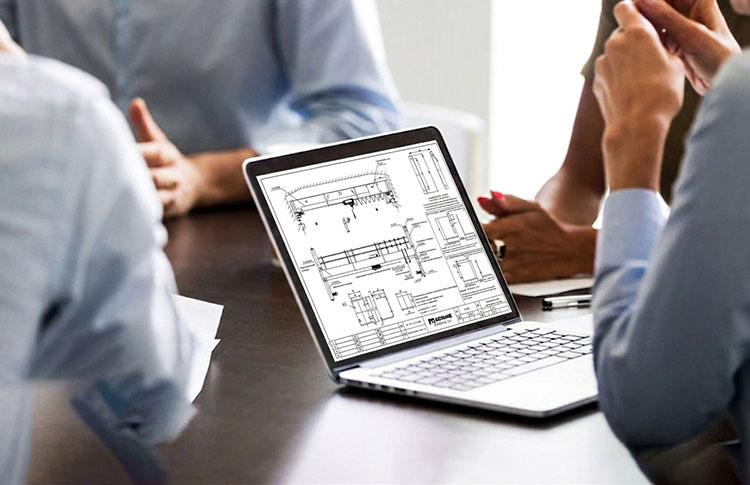
- Engineering documents: Provide technical drawings and documents for project preparation.
- Installation coordination: Confirm requirements related to runway systems, supporting structures, power supply, and site conditions.
Installation, Commissioning and Operator Training
Aicrane provides support to help customers complete crane installation, verify performance, and operate the equipment correctly.
- Installation guidance: Provide technical assistance for crane assembly, electrical connection, and installation procedures.
- Commissioning support: Check lifting, travelling, control functions, and safety devices to ensure proper operation.
- Operator training: Provide guidance on crane operation, safety procedures, and daily inspection requirements.
- Flexible service options: Offer on-site engineer support or remote technical guidance according to project requirements.
Long-Term Technical Support and Spare Parts Service
After the workshop overhead crane is put into operation, Aicrane continues to support customers in maintaining reliable performance.
- Maintenance guidance: Provide recommendations for routine inspection and preventive maintenance.
- Troubleshooting support: Assist with mechanical and electrical issue diagnosis.
- Spare parts supply: Provide replacement parts for key crane components.
- Upgrade support: Assist with future modifications when workshop requirements change.
FAQs About Workshop Overhead Cranes
Can an overhead crane be installed in a workshop that was not designed for crane operation?
Yes. An overhead crane can still be installed in an existing workshop if suitable support structures are provided.
Many workshops are built without considering future crane installation, such as without runway beams or sufficient structural capacity. Aicrane can evaluate the workshop conditions and provide solutions, including the design of additional steel columns, runway beams, or other supporting structures when required.
What should I consider if my workshop has limited lifting height?
A workshop with limited height can still use an overhead crane by optimizing the crane structure and hoisting configuration.
The available hook height depends on factors such as crane girder design, hoist dimensions, and the distance between the crane and workshop roof. Solutions may include compact crane structures, low-headroom electric hoists, and optimized double girder configurations to maximize usable lifting height.
Should I choose a single girder or double girder overhead crane for workshop?
The choice between a single girder and double girder shop overhead crane depends on lifting capacity, span, working frequency, and load requirements.
Single girder overhead cranes are commonly used for light to medium-duty applications where compact structure and cost efficiency are important. Double girder overhead cranes provide higher rigidity and lifting capability, making them suitable for heavier loads, larger spans, and higher-duty workshop operations.
Can an overhead crane cover the entire workshop production area?
Yes, an overhead crane for workshop can be designed to cover the required working areas when the crane layout is properly planned.
The coverage depends on the workshop dimensions, runway arrangement, crane span, travelling distance, and production workflow. During design, Aicrane considers production lines, machinery locations, storage areas, and material transfer routes to determine the most effective crane arrangement.
Should I choose an overhead crane or a workshop gantry crane?
The choice depends mainly on the workshop structure, installation conditions, and flexibility requirements.
An overhead crane is suitable when runway systems can be integrated with the workshop structure and floor space needs to remain clear. A workshop gantry crane is a practical alternative when adding runway beams and support structures is difficult, costly, or when more flexible operating areas are required.
How should multiple overhead cranes be arranged in a large workshop?
Multiple overhead bridge cranes in a large workshop should be arranged according to production zones, material flow, lifting coverage, and operating requirements.
For large facilities with multiple production areas, Aicrane considers factors such as crane travelling range, overlapping working areas, load handling routes, and interference prevention when planning the crane layout.
The arrangement can be designed to ensure efficient material transfer while allowing each crane to serve its designated working area effectively.
Alternative Lifting Solution for Workshops: Workshop Gantry Crane
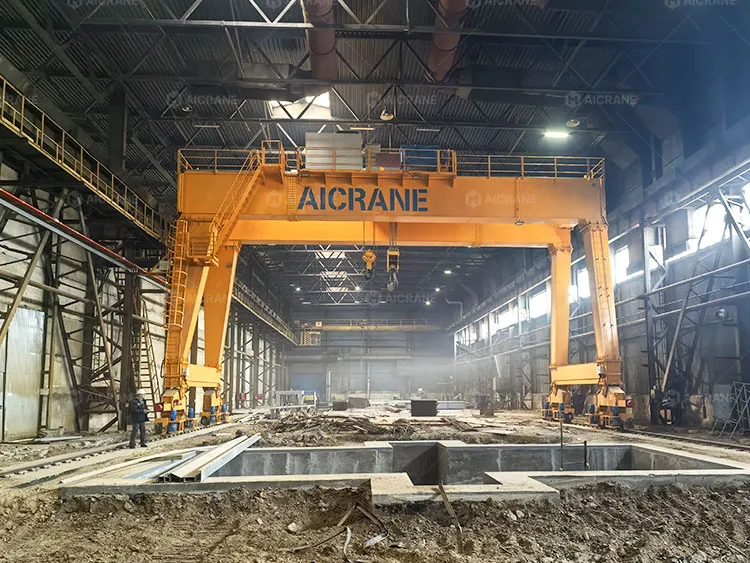
Not every workshop is suitable for overhead crane installation. When runway structures are difficult to add or building modifications are costly, a workshop gantry crane can provide a flexible lifting alternative.
When to Consider a Workshop Gantry Crane
When Existing Workshop Structures Are Limited
Some workshops do not have suitable runway beams, support structures, or sufficient building capacity for overhead crane installation.
A workshop gantry crane uses its own support system, reducing the need for additional building modifications such as steel columns, runway beams, or structural reinforcement.
When Flexible Working Areas Are Required
Gantry cranes are suitable for workshops with changing production layouts, dedicated lifting zones, or large component handling areas.
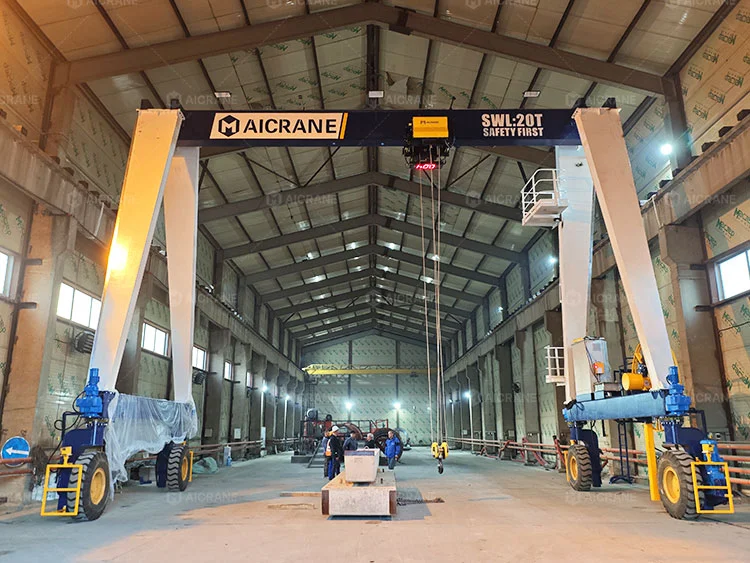
For applications requiring movement between different working areas, rubber-tyred gantry crane configurations can provide rail-free operation and improved mobility.
Choose the Right Solution Based on Your Workshop Conditions
- If your workshop already has suitable structural conditions and requires efficient coverage across production areas, an overhead shop crane is often the preferred choice.
- If your workshop requires reduced building modifications, flexible operation areas, or a ground-supported lifting solution, a workshop gantry crane may be a better option.
Each workshop has unique structural conditions, operating requirements, and material handling challenges. Aicrane can evaluate your project requirements and help determine the most suitable lifting solution based on your facility conditions. Share your workshop layout, lifting requirements, and application details with our team to discuss a suitable workshop overhead crane or gantry crane solution for your project.