


In modern industrial, manufacturing, port and logistics operations, cranes are essential for efficient material handling. However, many businesses face a common question when selecting lifting equipment: should they choose a gantry crane or a bridge crane? This article provides a comprehensive analysis of gantry crane vs bridge crane, helping you make an informed decision based on your operational needs.
Definitions and Structural Difference Between Gantry Crane and Overhead Crane
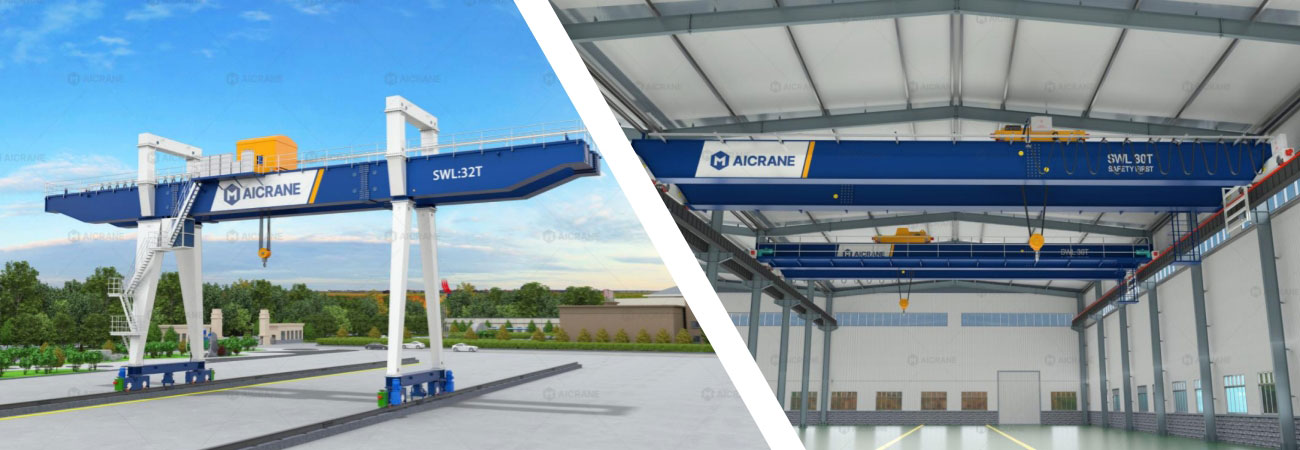
Understanding the structural difference between gantry crane and overhead crane is critical when choosing the right crane for your facility. While both cranes are designed for material handling, their support, mobility, and installation requirements differ significantly.
What Is A Gantry Crane?
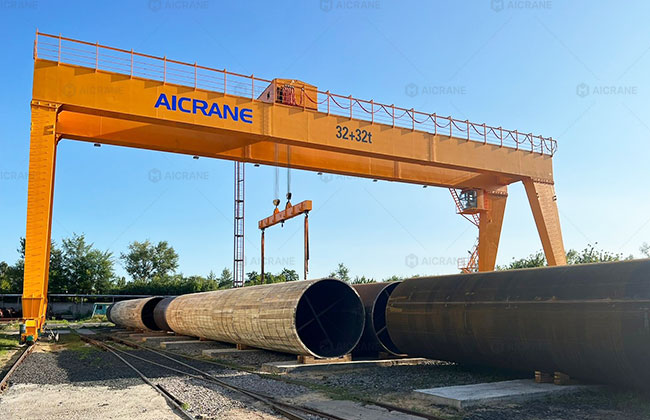
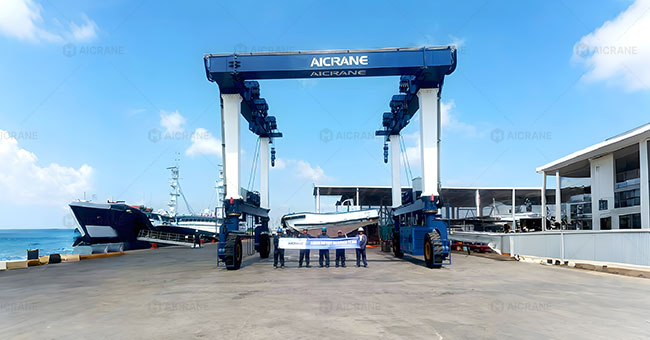
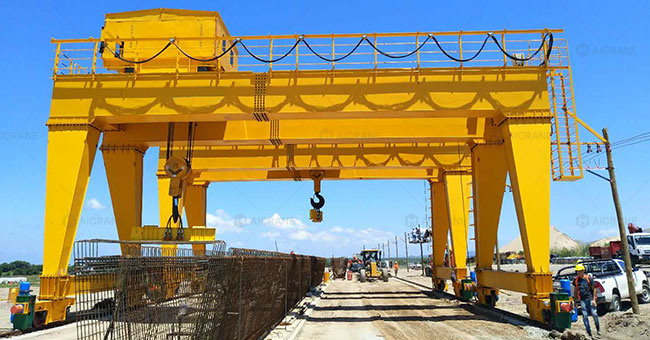
A gantry crane is a type of crane where the bridge (girder) is supported by freestanding legs that rest on the ground or run along rails. This self-supporting design allows the crane to operate independently of a building’s steel structure. Gantry cranes can be used both indoors and outdoors and are particularly suited for applications that require heavy lifting over large spans, such as ports, shipyards, precast concrete yards, and outdoor storage facilities.
What Is An Overhead Crane?
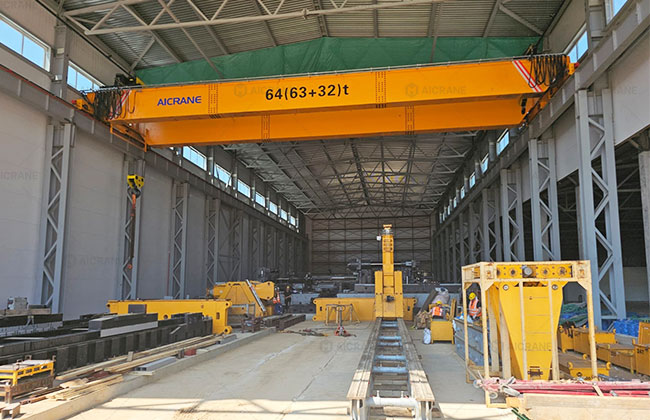
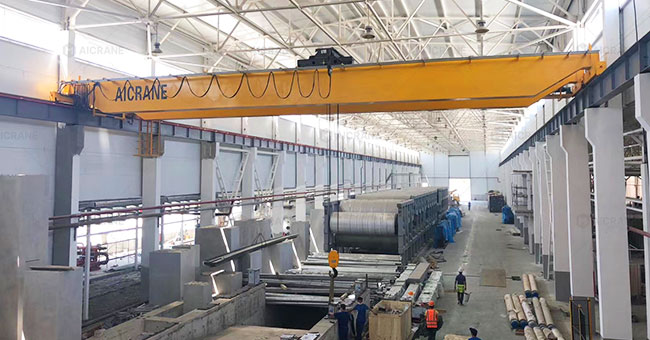
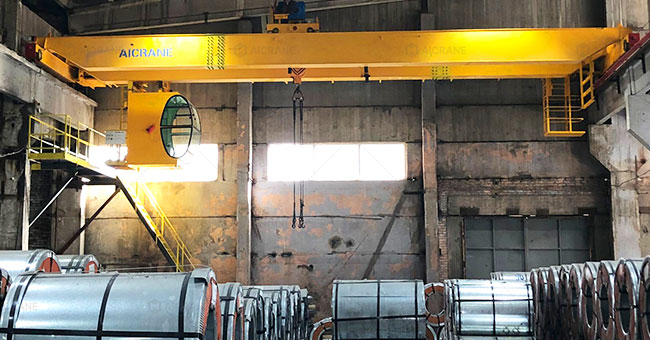
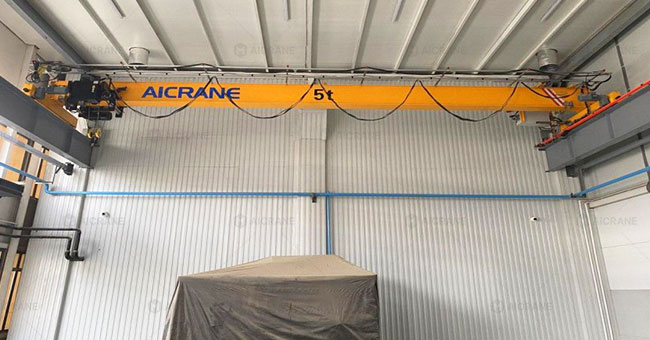
An overhead crane, also known as a bridge crane or EOT (Electric Overhead Traveling) crane, is supported by rails mounted on a building’s steel structure. It travels along the runway beams, spanning the width of the facility. Overhead cranes are mainly used indoors, in factories, warehouses, or workshops, where they provide efficient lifting without occupying floor space.
Structural Comparison: Gantry Crane VS Overhead Crane
| Feature | Gantry Crane | Overhead Bridge Crane |
|---|---|---|
| Support | Legs on ground or tracks | Building steel structure |
| Mobility | Track or wheel-based | Fixed rails along building |
| Installation | Outdoor/Indoor | Mostly indoor |
| Span | Large span capability | Limited by building width |
| Ideal For | Ports, shipyards, outdoor yards | Factories, warehouses |
The main structural difference between bridge crane and gantry crane lies in their support and mobility. Gantry cranes are self-supporting and mobile, ideal for outdoor use, while overhead cranes rely on the building structure, offering precise lifting indoors.
Understanding these structural distinctions is the first step in selecting the right crane. To make an informed decision, it is essential to also consider how each crane performs in real-world scenarios. The next section will examine the applications of gantry vs bridge crane, highlighting their respective advantages across different industries and operational environments.
Bridge VS Gantry Crane in Applications
Once the structural differences are clear, understanding the practical applications of bridge crane vs gantry crane helps determine which type best suits your operational needs. Both cranes excel in material handling, but their environments and tasks can differ significantly.
Gantry Crane Applications
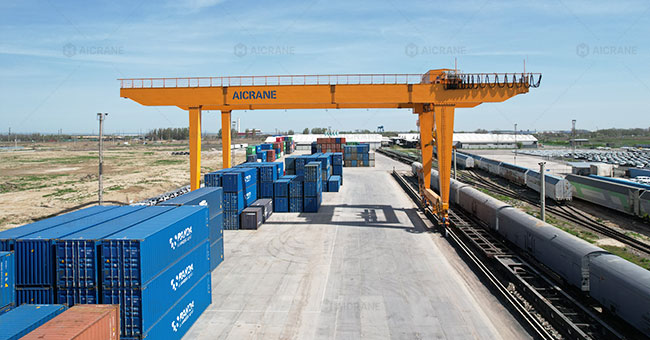
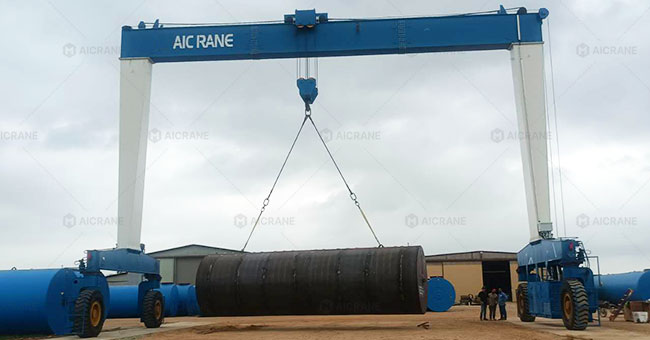
Gantry cranes are highly versatile and ideal for large-scale, outdoor, or heavy-duty operations:
Bridge Crane Applications
Bridge cranes (overhead cranes / EOT cranes) are optimized for indoor, controlled environments:
Comparing Gantry VS Overhead Crane in Real-World Use
| Aspect | Gantry Crane | Overhead / Bridge Crane |
|---|---|---|
| Typical Environment | Outdoor yards, ports, shipyards, precast concrete facilities | Indoor factories, workshops, warehouses |
| Mobility in Operations | High – can move across large areas, flexible layouts | Fixed – travels along building-mounted rails |
| Flexibility | Can adapt to changing site layouts or temporary operations | Limited to building layout; best for fixed workflow |
In practice, the choice between gantry crane vs bridge crane is largely guided by operational needs. Gantry cranes excel in outdoor, heavy-duty, and flexible applications, while bridge cranes provide precise, space-efficient solutions for indoor operations.
After understanding how each crane performs in real-world scenarios, the next step is to evaluate their cost and investment considerations, ensuring the selected crane aligns with both operational requirements and budget.
Cost and Investment Considerations for Gantry Crane vs Bridge Crane
Choosing between a gantry crane or overhead crane involves more than structural and application considerations – financial factors play a critical role in decision-making. Understanding the costs across different stages ensures optimal investment and operational efficiency.
Initial Purchase Price of Gantry Crane VS Bridge Crane
- Gantry Crane: Gantry cranes generally require a higher initial investment due to their self-supporting structure, heavy-duty legs, and long-span bridge girders. Additional considerations, such as wheel or track systems for mobility and weatherproofing for outdoor use, further increase costs.
- Bridge Crane: Bridge cranes leverage the building’s steel structure, which reduces the cost of the crane itself. For indoor facilities, the initial purchase price of overhead crane is typically lower than a comparable gantry crane, although very large or high-capacity bridge cranes may still be expensive.
Key Insight: The difference between gantry crane and overhead crane in initial cost is mainly driven by structural independence versus reliance on existing building support.
Installation Costs in Gantry VS Bridge Crane Projects
- Gantry Crane: Installation requires preparing level ground or rails and aligning the crane legs and bridge. Outdoor sites may also require foundation work to ensure stability. Installation is relatively flexible but can be more expensive for very large spans.
- Bridge Overhead Crane: Installation involves mounting runway rails on the building’s steel structure. If the building was not originally designed for heavy duty overhead cranes, structural reinforcements may be necessary, which increases costs.
Key Consideration: Installation costs vary depending on whether the crane is gantry vs overhead crane, site conditions, and required structural modifications.
Operating and Maintenance Costs for Gantry Crane VS Overhead Crane
- Gantry Crane: Outdoor use exposes gantry cranes to weather, requiring regular maintenance for rails, wheels, and corrosion protection. Operational costs can also be higher if frequent movement over long spans is needed.
- Overhead Crane: Indoor operation minimizes exposure to environmental factors, making maintenance simpler and less frequent. Overhead cranes benefit from a controlled environment, which reduces long-term operational costs.
Key Consideration: Evaluating overhead crane vs gantry crane from a lifecycle cost perspective helps determine overall efficiency and budget impact.
ROI Considerations When Comparing Gantry VS Bridge Crane
When assessing ROI for gantry crane vs bridge crane, several factors should be considered:
- Operational Efficiency: How effectively the crane handles your specific lifting tasks.
- Load Capacity Utilization: Matching crane capacity to typical loads prevents under- or over-investment.
- Flexibility vs Precision: Rubber tyred gantry cranes provide mobility and flexibility; bridge cranes offer precise, repeatable indoor operations.
- Longevity and Maintenance: Lower operational and maintenance costs improve ROI for overhead cranes in indoor settings, while gantry cranes deliver ROI through high versatility and large-span lifting.
Balancing initial purchase price, installation, operational costs, and application efficiency ensures the crane selection maximizes long-term ROI.
Gantry cranes often require higher upfront and installation costs but excel in outdoor, flexible, heavy-duty operations. Overhead cranes typically have lower purchase and maintenance costs, making them ideal for indoor precision lifting. Understanding these financial considerations is essential before deciding between a gantry crane or overhead crane for your facility.
How to Choose Between Gantry Crane and Overhead Crane
After comparing gantry crane vs bridge crane in terms of structure, applications, and costs, the final step is to decide which crane best fits your operational requirements. The choice between a gantry crane or overhead crane depends on several key factors.
Evaluate Your Operational Environment
Ask yourself:
- Are lifting activities mainly indoors (factories, warehouses, workshops) or outdoors (ports, yards, shipbuilding)?
- Will the crane face weather exposure such as rain, wind, or corrosion, or will it operate in a controlled environment?
- Do you need equipment that can adapt to different sites, or one integrated with the building structure?
Asking what is the difference between gantry crane and overhead crane in terms of environmental suitability helps align the crane type with your working conditions.
Assess Your Load Characteristics
Consider:
- What is the typical weight range of your loads – moderate, heavy, or oversized?
- Are loads repetitive and uniform, or do they vary in shape and size?
- Do you need flexible movement across wide spans, or precision in a fixed workflow?
This evaluation helps you decide whether the efficiency of a bridge crane vs gantry crane setup better matches your handling tasks.
Consider Space and Layout Requirements
Review your facility design:
- Is floor space limited, making overhead solutions more efficient?
- Does your site have large open areas where self-supporting equipment is more practical?
- Will the crane installation require structural reinforcement of the building?
Understanding the difference between bridge and gantry crane in terms of space efficiency is vital for seamless integration into your operations.
Compare Budget and Long-Term Investment
Look beyond purchase price:
- What are the installation costs – foundation work for rail gantry cranes vs building reinforcement for overhead cranes?
- How will operational and maintenance expenses differ in indoor vs outdoor use?
- Does a higher upfront investment in flexibility provide greater long-term savings?
This eot crane vs gantry crane evaluation ensures financial sustainability over the equipment’s lifespan.
Plan for Future Expansion and Scalability
Think ahead:
- Will your operations expand into outdoor sites requiring mobility and adaptability?
- Or will growth occur within the same building, demanding scalable indoor precision?
- Do you expect your load capacities to increase significantly over time?
Considering these factors ensures the choice between overhead bridge crane vs gantry crane aligns with your future development.
The choice of gantry crane vs bridge crane ultimately comes down to your operational environments, lifting requirements, and long-term investment goals. Making the right decision ensures safety, efficiency, and sustainable growth.
If you are still weighing the difference between eot crane and gantry crane for your project, our team of experts can provide tailored recommendations based on your specific requirements. Contact Aicrane today to get expert guidance.