


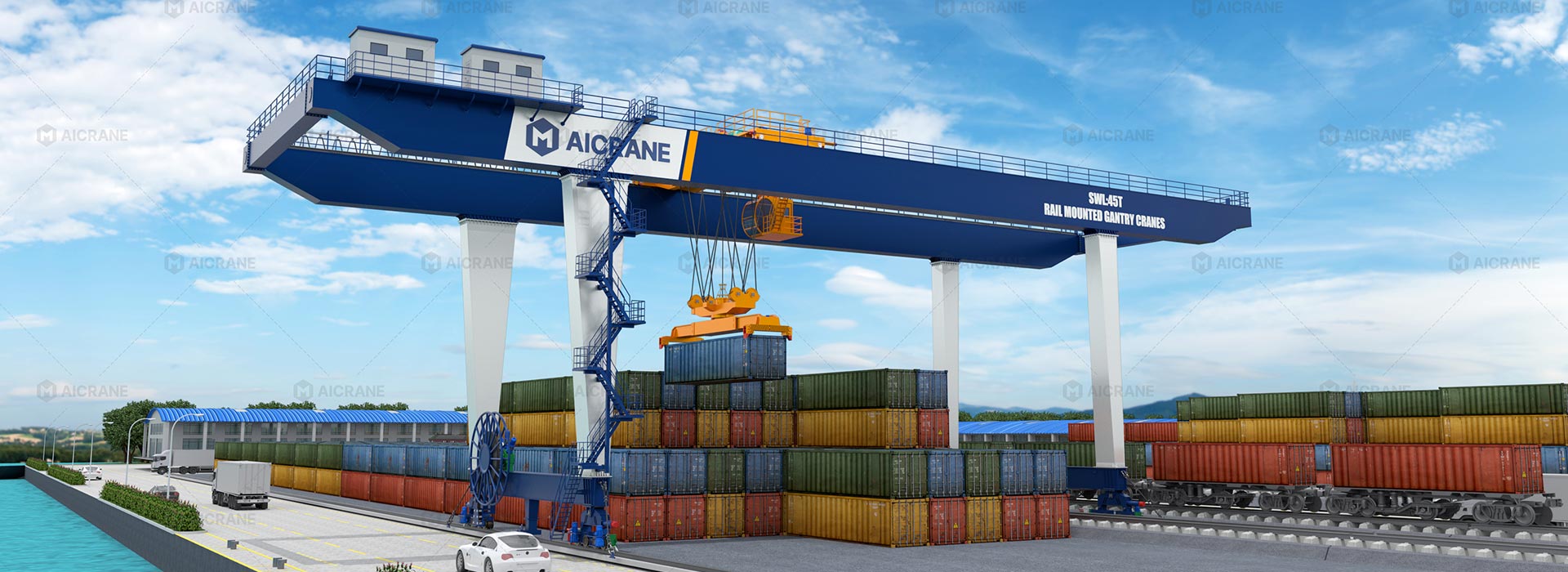
Port gantry cranes are essential equipment for container terminals, ports, and harbor operations, enabling efficient loading, unloading, and transfer of containers between ships, trucks, and rail systems. As global cargo volumes continue to increase, port operators require higher throughput, faster turnaround times, and stable 24/7 operation in demanding marine environments. Aicrane provides customized port gantry crane solutions designed to match different port layouts and handling requirements.
Types of Port Gantry Cranes: RMG and RTG for Container Terminals
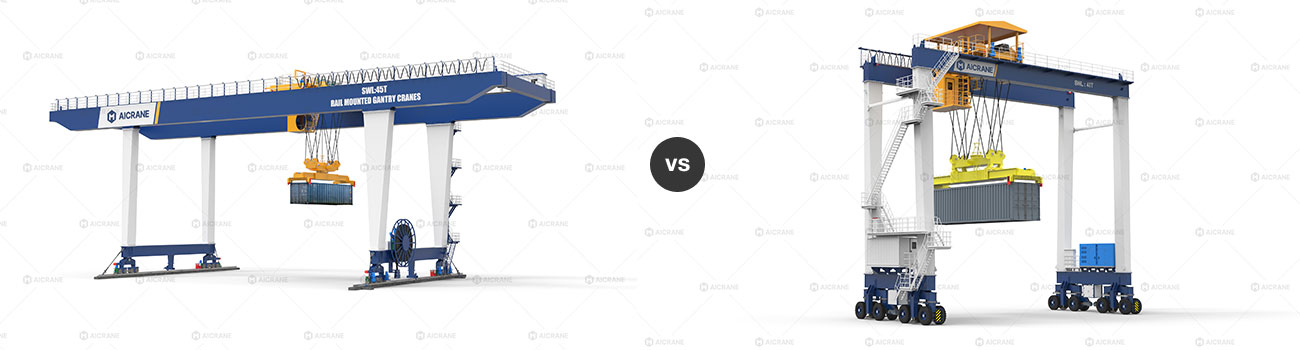
Port gantry cranes used in container terminals and port operations are mainly divided into two types: Rail-Mounted Gantry (RMG) cranes and Rubber-Tyred Gantry (RTG) cranes. Each system is designed based on different terminal infrastructure conditions, stacking requirements, and operational efficiency targets within container handling systems.
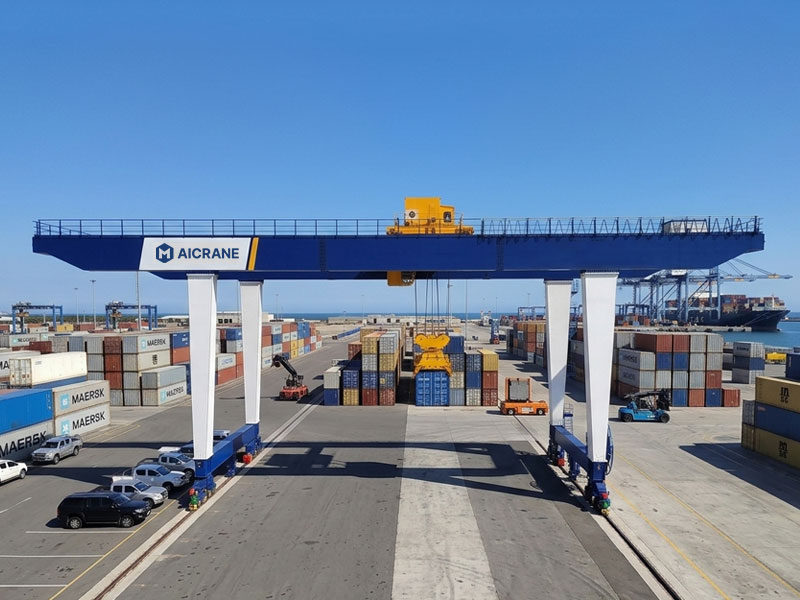
Rail-Mounted Port Gantry Crane for High-Density Automated Terminals
RMG cranes are selected in ports where high throughput, continuous operation, and automation efficiency are the primary requirements, and where rail infrastructure is already available or justified. They are typically used in terminals that prioritize stable, repeatable container stacking operations under fixed yard layouts.
Ideal for:
- High container throughput requirement with continuous 24/7 operation
- Availability of rail infrastructure in the yard system
- Preference for automated or semi-automated stacking operations
- Need for high positioning stability and operational consistency
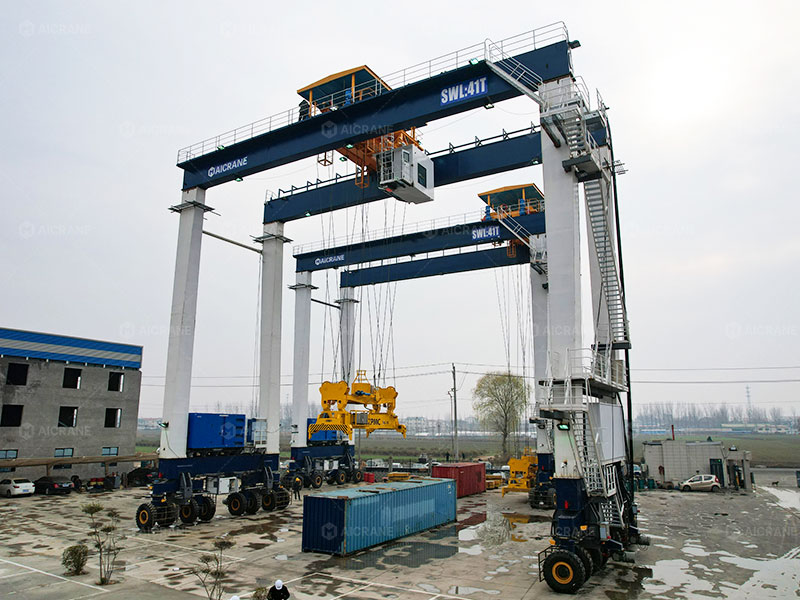
Rubber-Tyred Port Gantry Crane for Flexible Container Yard Operations
RTG cranes are selected in ports where yard flexibility, phased expansion, and infrastructure cost control are more important than full automation. These rubber tyred cranes are widely used in terminals that require adaptable yard layouts and do not rely on fixed rail systems.
Ideal for:
- No rail infrastructure or limited justification for rail investment
- Frequent yard layout changes or phased expansion projects
- Medium to small port operations with flexible handling requirements
- Balanced focus on mobility, cost efficiency, and operational adaptability
Port Gantry Crane Selection Guide: RMG or RTG
Selecting the right gantry crane for your port operations can be a complex decision. This guide evaluates the key factors – Infrastructure, Throughput, and Future-Proofing – to ensure you select the optimal configuration for your terminal’s specific needs.
Site Layout & Infrastructure
Your yard’s current setup and ground conditions determine which port crane system is technically viable.
- Path Requirements: If your yard is already equipped with high-precision steel rails, an RMG crane is the logical choice. For terminals requiring mobility across multiple blocks or where rails are impractical, the RTG crane provides the necessary flexibility.
- Civil Engineering Costs: RMGs require a higher upfront investment in rail tracks and power infrastructure but provide superior stability. RTGs operate on reinforced concrete “runways” to handle tire pressure, offering a lower-cost entry for upgrading existing yards.
Throughput & Stacking Density
Your annual TEU targets and land availability define the required scale of your crane.
- Maximizing Space: If land is limited and you need to stack containers high and wide, RMG gantry cranes for port offer the best vertical and horizontal density (up to 1-over-6 stacking and 14+ rows).
- Operational Speed: RMGs provide faster travel speeds and millimeter-level positioning accuracy. However, if your terminal handles fluctuating peak loads across different areas, RTG gantry cranes in port are more effective as they can be pivoted and redeployed between blocks as needed.
Power Strategy & Automation Roadmap
Your selection should align with your port’s environmental mandates and technology goals.
- Energy Efficiency: Electric RMGs (via cable reels or busbars) offer zero local emissions and the lowest energy cost per move. For those needing localized power independence, RTGs offer Diesel or Hybrid drives, with E-RTG (electric) conversions available to reduce carbon footprints.
- Path to Automation: The fixed-track system of an RMG makes it the primary choice for fully automated terminal operations. Modern RTGs support semi-automation through GPS-based auto-steering, enhancing safety without a full infrastructure overhaul.
Overcoming Port Challenges: Aicrane Technical Solutions
In modern ports and container terminals, equipment selection also focuses on solving critical bottlenecks: throughput, operational costs, environmental adaptation, and safety. Below are the technical solutions Aicrane engineering provides to address these real-world operational challenges.
Maximizing Throughput & Cycle Efficiency
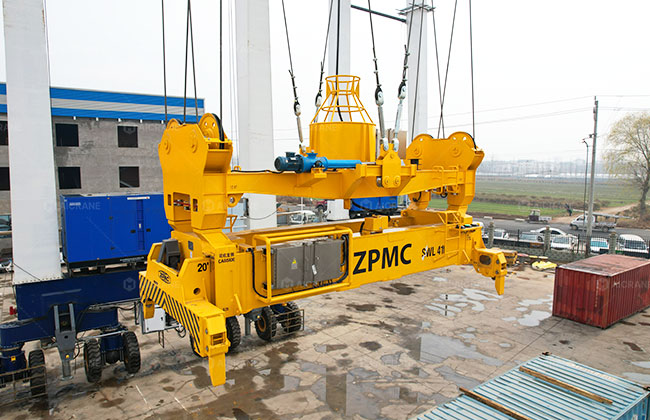
Operational Challenges: Difficult container positioning due to spreader sway and eccentric (off-center) loads, leading to slow vessel turnaround times.
Technical Solutions:
- Closed-Loop Anti-Sway Technology: Utilizing closed-loop anti-sway control to minimize swing, increasing container handling and stacking efficiency by approximately 30%.
- Center of Gravity (CoG) Adjustment: Featuring an electric actuator with a 1-meter adjustment range on the spreader to prevent tilting when handling off-center loads.
- Weighing & Display System: Real-time weight monitoring displayed in the cabin and synced with terminal management systems for precise load control.
- High Duty Cycles: Structural design complies with ISO A7/A8 or FEM 3m/4m standards, ensuring reliable 24/7 continuous operation.
Energy Management & Sustainability
Operational Challenges: Strengthening global carbon emission regulations (such as IMO 2030) and variations in local power infrastructure.
Technical Solutions:
- Diversified Power Options:
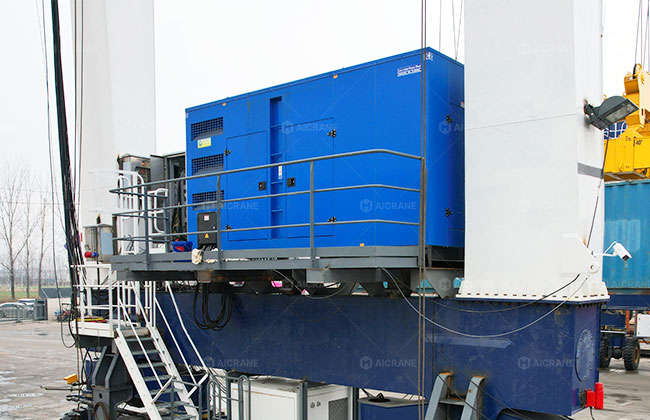
- RTG Options: While high-efficiency Diesel Gensets are standard, we provide customized engineering for LNG (Natural Gas), Hydrogen, or Bio-diesel power systems according to specific project requirements.
- RMG Options: Designed for high-voltage grid connection via Cable Reels or Sliding Contact Lines, enabling zero-emission operations.
- Energy Recovery Systems (ERS): Both RMG and RTG units can be equipped with Regenerative Braking Systems. This technology captures kinetic energy during container lowering and converts it back into electricity, reducing total power consumption by up to 20-25%.
All-Weather & Environmental Protection
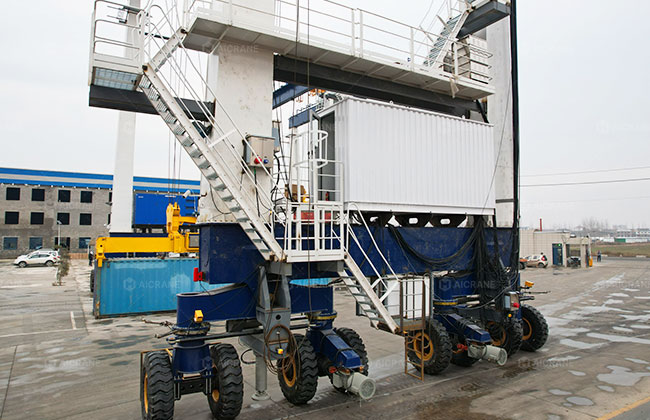
Operational Challenges: Corrosion in coastal areas, equipment failure in extreme cold, and safety risks in rain, snow, and high humidity.
Technical Solutions:
- Marine Corrosion Protection: ISO 12944 C5-M coating system + epoxy zinc-rich primer, designed for up to 25 years service life in coastal ports.
- Low-Temperature Design: Q355D/E steel ensures impact resistance in sub-zero conditions. Electrical systems include heating and anti-condensation protection for operation down to -40°C.
- Rain & Snow Safety Design: Anti-slip walkway surfaces ensure operator safety in rain and snow. Open steel grating structure enables effective drainage and prevents snow and ice accumulation. Electrical and key components are designed with moisture and low-temperature protection to maintain stable operation in harsh weather conditions.
- High-Wind Protection: Rail clamps and anchoring systems secure RMG crane stability in strong winds. Wind sensors monitor conditions in real time and automatically trigger safety measures when needed.
Smart Monitoring & Collision Prevention
Operational Challenges: High collision risks in high-density yard layouts and blind spots; unpredictable equipment downtime leading to costly logistical bottlenecks.
Technical Solutions:
- Anti-Collision System: Laser + millimeter-wave radar provide 360° detection. Automatic alarms and emergency braking activate when obstacles are detected.
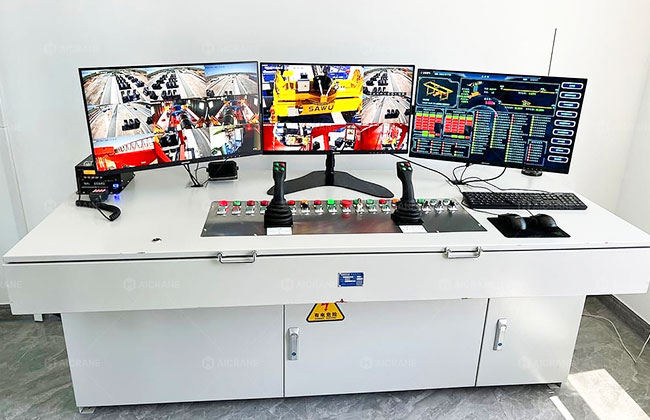
- Real-Time Visibility: HD cameras in the cabin eliminate blind spots for safer and more accurate operation.
- TOS Integration & Data Synergy: Seamless connection with terminal systems enables automated dispatching and container tracking.
- Predictive Maintenance (IoT): Real-time monitoring of motor, load, and PLC data reduces unexpected downtime by up to 20%.
These technical features are built for real-world performance. Below is a detailed look at how we implemented these systems in a high-traffic port to solve real operational challenges.
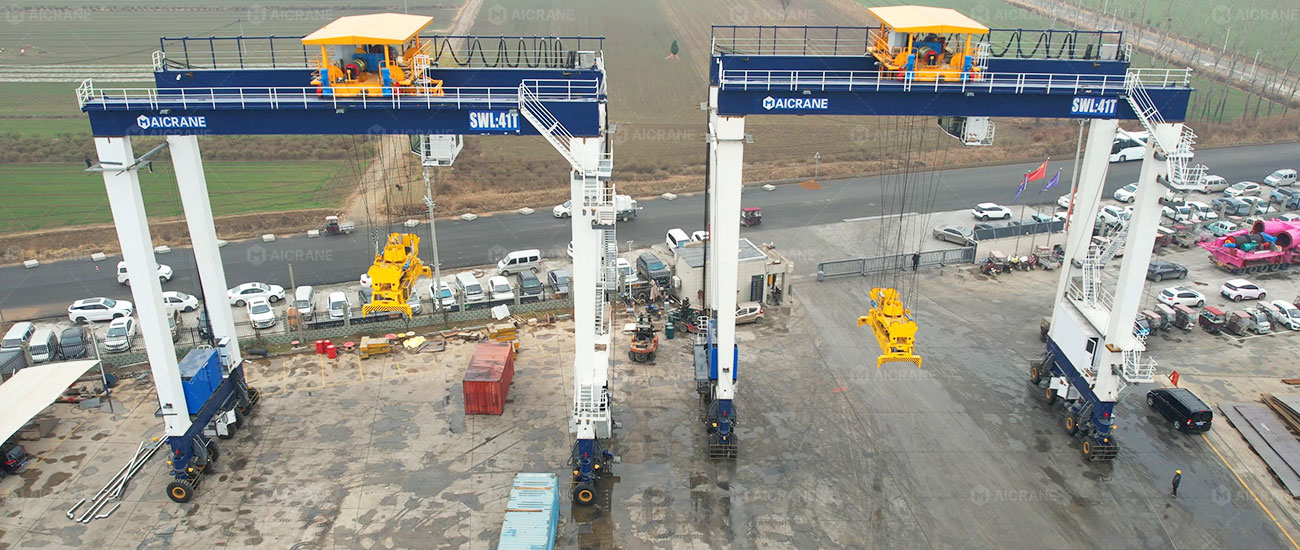
Project Spotlight: High-Efficiency RTG Fleet for a Port in the UAE
The Challenge
In this project, the client needed to maximize their storage space and handle different container sizes (20ft, 40ft, and 45ft) without slowing down their daily operations.
Aicrane Solution
We deployed two 41-ton custom-engineered RTGs specifically designed for high-density stacking.
Technical Highlights & Configuration:
- Optimized Stacking Capacity: With an 18.22m lifting height and a 23.47m span, these units support “1-over-5” (stacking 6 high) across 7 rows of containers, while maintaining a dedicated truck lane for rapid throughput.
- Versatile Handling: Equipped with a telescopic rotating spreader, the cranes seamlessly manage 20ft, 40ft, and 45ft containers, providing maximum operational flexibility.
- Precision Control: Integrated Closed-Loop Anti-Sway technology and center-of-gravity adjustment ensure stable moves, significantly reducing cycle times and equipment wear.
- Advanced Monitoring: The operator cabin is equipped with a high-definition video monitoring system, integrated weighing displays, and an intuitive operating screen for real-time data visualization.
- Safety Priority: Each unit features an active obstacle avoidance system for port gantry travel, emergency stop buttons, and integrated sound-and-light alarms to ensure safe operation in complex port environments.
The Result
Since implementation, the terminal has reported a significant improvement in yard utilization and container turnover speed. The combination of high stacking density and advanced safety features has made these RTGs the cornerstone of the port’s modernization strategy.
The success of the UAE project isn’t just about the equipment – it’s about the engineering, quality control, and service that support it. This project reflects our core commitment to every client: delivering high-performance port gantry cranes that solve specific operational challenges.
Why Choose Aicrane for Your Port Operations?
At Aicrane, we understand that a port gantry crane is a massive investment. Our goal is to provide reliable, hard-working equipment that fits your specific yard layout and budget, backed by localized support.
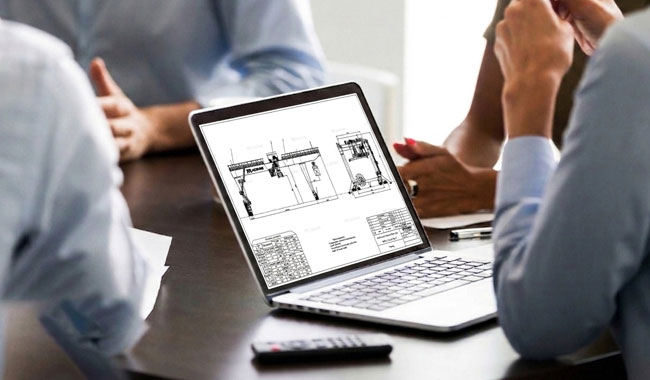
Tailored Engineering for Specific Terminals
We don’t offer “one-size-fits-all” port cranes. Every port layout is unique, which is why our engineering team provides:
- Custom Dimensions: Whether you need an RTG to maneuver in a narrow industrial yard or an RMG with a specific span to clear existing infrastructure, our engineers adapt the steel structure and drive systems to your site.
- Functional Modularity: From specialized spreaders to energy-efficient power units, we configure each crane based on your local energy costs and throughput targets.
High-Quality Components & Reliable Safety
We prioritize long-term uptime by using industry-recognized components and strict safety protocols.
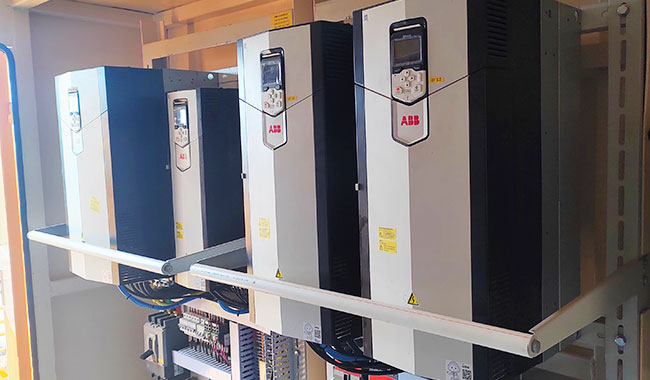
- Global Component Brands: We integrate motors and electrical systems from trusted names like ABB, Siemens, and SEW, ensuring your maintenance team has access to parts and support worldwide.
- Comprehensive Testing: Every crane undergoes factory load tests and on-site commissioning to ensure stable performance in high-salinity and high-wind coastal environments.
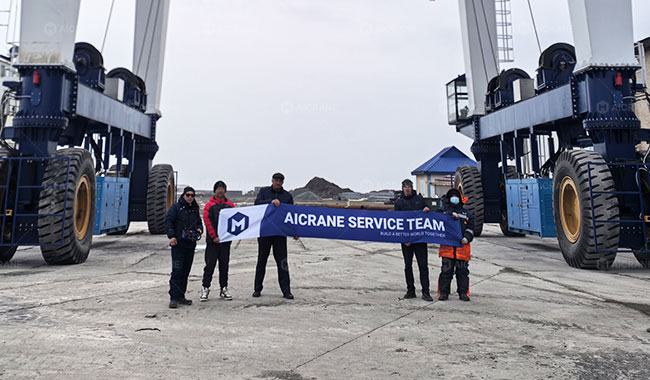
Dedicated On-Site Support & Service
We stand by our equipment from foundation to operation.
- Engineer-Led Installation: Our technical team provides on-site supervision and commissioning to ensure your crane is set up correctly and safely.
- Operator Training: We provide hands-on training for your ground crew, covering daily operation, safety checks, and basic maintenance.
- Fast Response: With established service networks, we focus on getting your spare parts and technical advice to you as quickly as possible to minimize downtime.
Industry Insights: The Future of Port Logistics
A port gantry crane is a 20-year infrastructure investment. Success in modern logistics and port operations depends on selecting equipment that remains a high-value asset as global standards evolve. At Aicrane, we monitor these three key industry shifts to ensure our engineering remains aligned with global best practices.
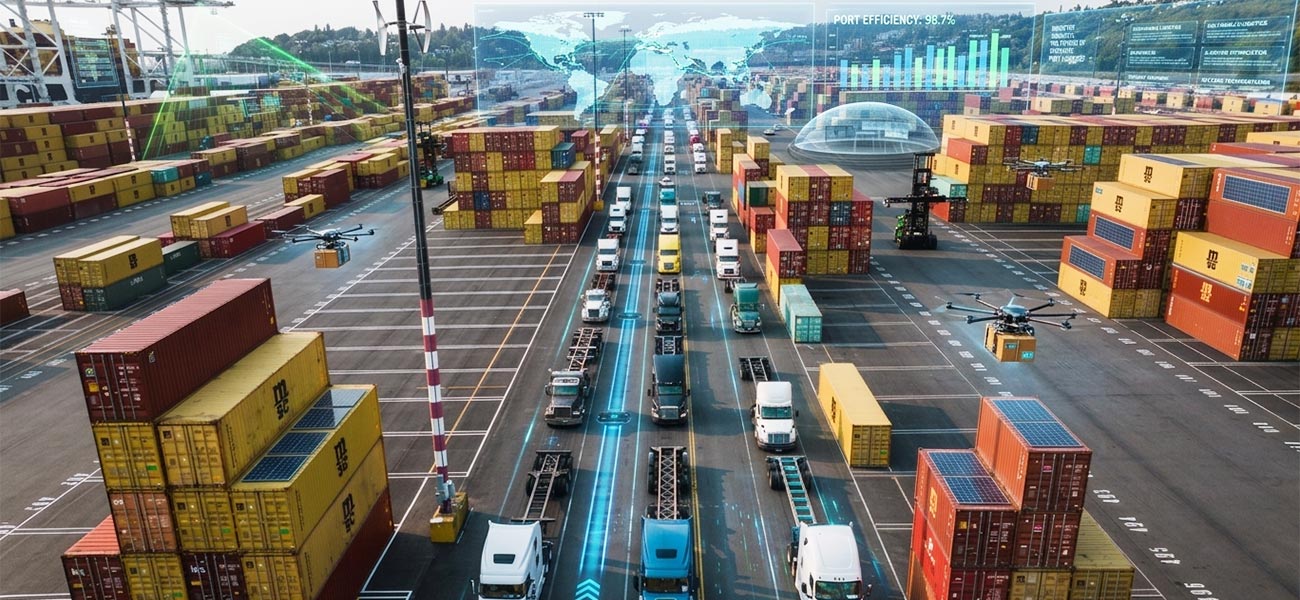
The Decarbonization Mandate (The E-RTG Shift)
The International Maritime Organization (IMO) 2023 Strategy targets net-zero GHG emissions by or around 2050. This is driving a global transition from traditional diesel-only fleets toward electrification.
- Hybrid & Electric Compatibility: The industry trend is moving toward Modular Power Designs. Modern port RTGs are increasingly built to support potential future conversions – such as switching from diesel generators to cable reel or busbar systems – as port power grids mature.
- Energy Recovery: Modern VFD (Variable Frequency Drive) technology now allows cranes to capture energy during load lowering, potentially reducing net energy consumption by up to 40% in high-throughput environments.
Practical Paths to Automation
While fully automated terminals attract headlines, the broader industry is adopting a “Step-by-Step” Automation approach to maximize Return on Investment (ROI). According to UNCTAD, these smart technologies can improve terminal efficiency by 10% to 35%.
- Assisted Positioning: Technologies like GPS-based auto-steering and Target Stacking Systems are becoming industry benchmarks. These systems assist operators in maintaining consistent cycle times and virtually eliminate “double-handling” errors.
- The ROC Evolution: There is a clear industry shift toward Remote Operation Centers (ROC). By utilizing open PLC (Programmable Logic Controller) architectures, modern port gantry cranes can be prepared to integrate with remote monitoring and fleet management software when the terminal is ready for an upgrade.
The Move Toward Predictive Maintenance (IoT)
The industry is moving away from “break-fix” cycles toward Zero Unplanned Downtime through Industrial IoT.
- Real-Time Diagnostics: Modern Crane Management Systems (CMS) have evolved beyond simple error logging. The industry standard now involves real-time tracking of critical metrics – such as motor vibration and gear temperatures – to create a data-driven “health score” for the equipment.
- OPEX Optimization: Research suggests that a predictive maintenance strategy can reduce annual maintenance expenditure by 15% to 20%. By identifying mechanical issues before they lead to failure, port managers can ensure a more reliable logistics chain.
Port Gantry Crane FAQs
When should I prioritize an RMG over an RTG for my terminal?
How do I choose the right span and lifting height for a port container gantry crane?
How does an anti-sway system improve container terminal throughput?
What international standards should a port gantry crane comply with for safety?
What are the typical maintenance requirements for a gantry crane in port?
Can a gantry crane at port be customized for non-containerized cargo?
Optimize Your Port Operations with the Right Gantry Crane Solution
Selecting the right RMG or RTG crane is critical for improving yard efficiency, reducing operating costs, and supporting long-term terminal growth. Aicrane provides customized port crane solutions based on your site layout, throughput demand, environmental conditions, and automation requirements.
Contact our engineering team today to discuss your project requirements and receive a tailored port gantry crane solution.