


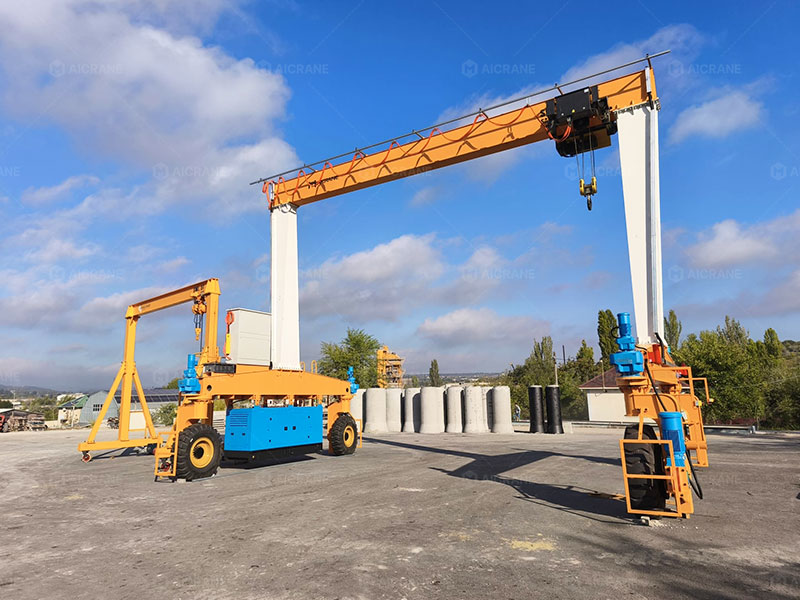
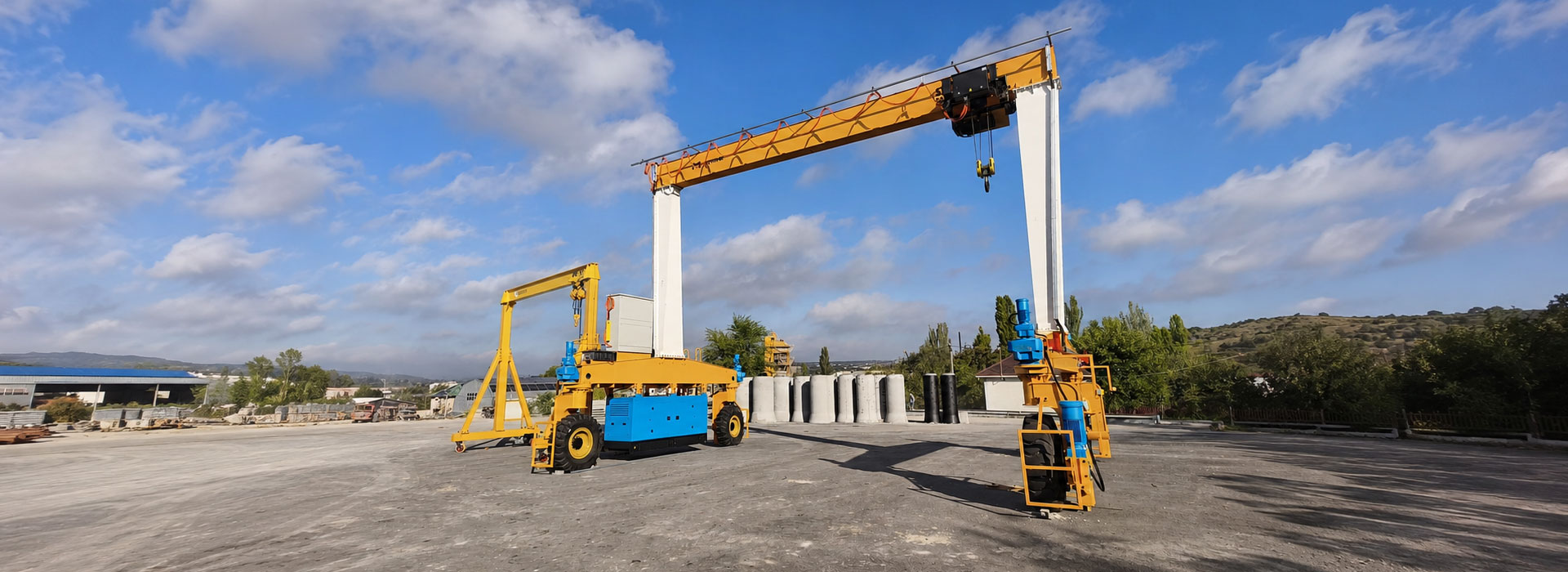
Light Duty Gantry Crane is a practical and cost-efficient lifting solution designed for light to medium material handling tasks, typically ranging from 5 to 20 tons. Built for A3–A4 duty cycles, it is ideal for operations that require frequent but not continuous lifting, offering reliable performance without the complexity and cost of heavy-duty systems. From warehouses and maintenance workshops to small fabrication yards, it provides smooth mobility, easy installation, and efficient handling – maximizing productivity in environments where space and budget are limited.
Light Duty Gantry Crane Solutions for Various Operating Conditions
Flexible Yard Operation
The Challenge: Outdoor yards and industrial handling areas often involve light to medium-duty lifting tasks across changing work zones, where operations require mobility and flexible positioning rather than permanent fixed lifting infrastructure.
Why Light Duty Gantry System: A Light Duty Gantry Crane provides a mobile ground-supported lifting system that can be repositioned according to changing site layouts and material flow requirements. This enables efficient outdoor handling of steel components, precast elements, equipment assemblies, and other light to medium-capacity loads while maintaining operational flexibility and simplified site deployment.
Light Duty Gantry Crane Options for Yard Applications:
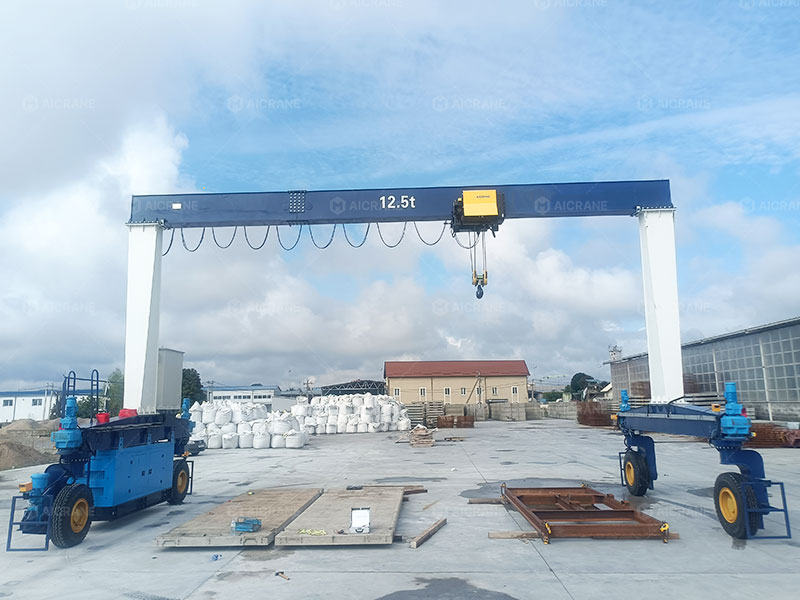
Multi-Zone Yard Mobility Solution
Light Rubber Tyred Gantry Crane
Designed for outdoor yard operations that require rail-free movement across multiple working zones.
- Rubber-tyred travel system enables flexible repositioning
- Suitable for dynamic material flow and flexible operational layouts
- Common in steel distribution and precast storage yards
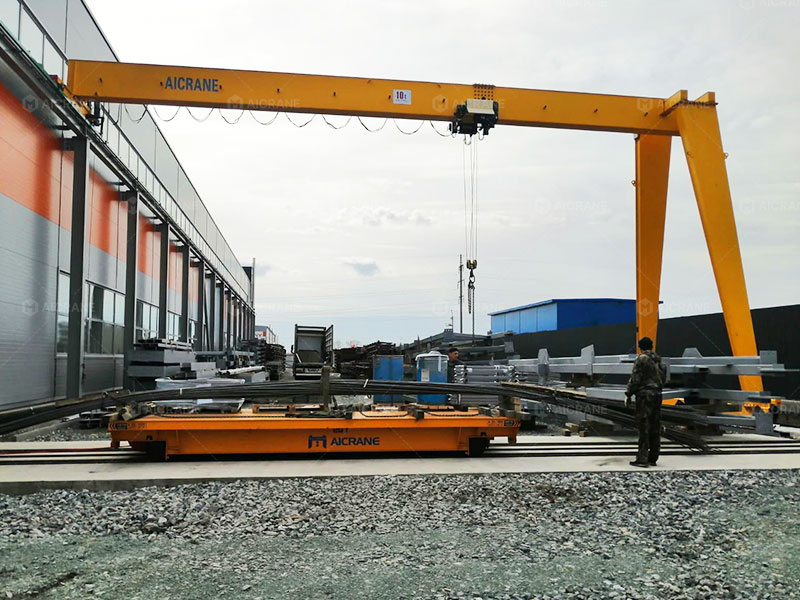
Space-Limited Edge Yard Solution
Light Duty Semi-Gantry Crane
Designed for yard areas with structural limitations where full gantry crane installation is not feasible.
- One side supported by building or runway structure, one side on ground rail
- Enables efficient use of limited lateral space
- Suitable for edge-of-workshop and partial coverage lifting zones
Fixed Repetitive Yard Solution
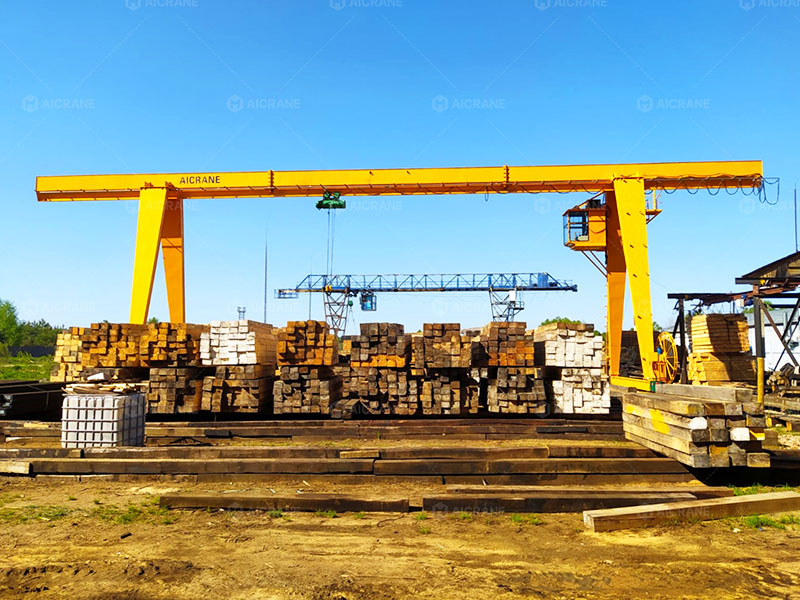
Single Girder Yard Gantry Crane
Designed for defined outdoor working zones with repetitive and low-to-medium intensity lifting tasks.
- Simple single girder structure for cost efficiency
- Suitable for stable and repetitive lifting operations
- Common in fabrication yards, small storage, and staging areas
Intermittent Maintenance & Repair
The Challenge: Maintenance operations involve irregular lifting tasks across different service locations, making fixed lifting systems inefficient for temporary repair and equipment servicing work.
Why Light Duty Gantry System: A Light Duty Mobile Gantry Crane provides a movable lifting solution that can be positioned directly at the maintenance point, reducing the need to transport heavy components to centralized crane locations. This improves repair efficiency, minimizes downtime, and enables safer on-site lifting during equipment maintenance operations.
Light Duty Gantry Crane Options for Maintenance Operations:
Multi-Zone Maintenance Mobility Solution
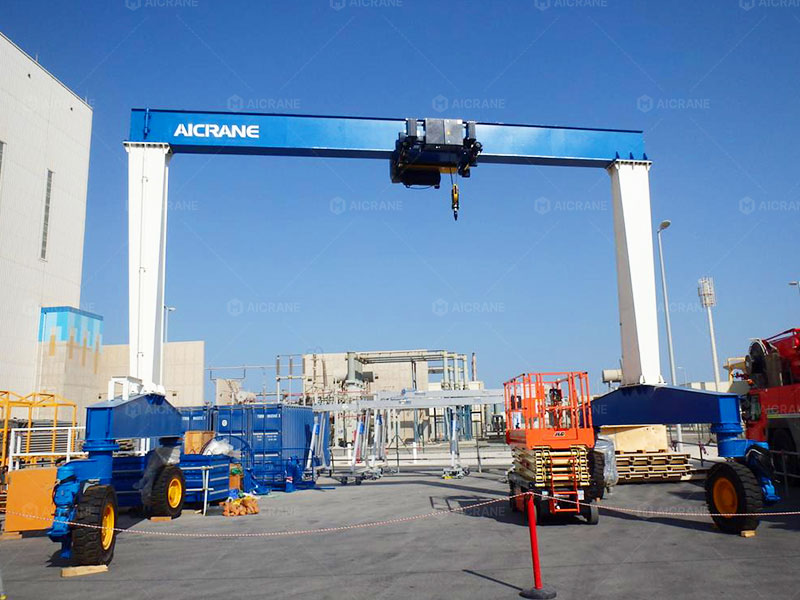
Light Rubber Tyred Mobile Gantry Crane
Designed for maintenance environments requiring continuous movement between multiple service zones within the same facility.
- Powered travel enables smooth repositioning during lifting tasks
- Ideal for frequent lifting in large maintenance areas
Temporary Maintenance Deployment Solution
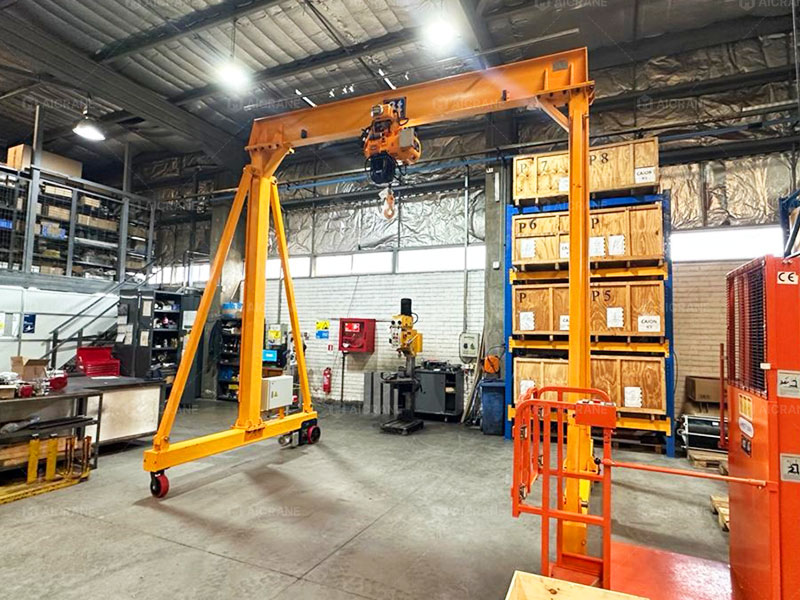
Light Portable Gantry Crane System
Designed for maintenance tasks requiring fast setup and occasional relocation between working points.
- Quick assembly and disassembly for flexible use
- Suitable for localized light duty maintenance work
Space-Constrained Industrial Operation
The Challenge: Many industrial facilities operate in buildings with limited headroom, restricted floor layouts, or aging structures, where installing a conventional overhead crane would require significant reinforcement or reconstruction.
Why Light Duty Gantry System: A Light Duty Gantry Crane operates independently of building support structures and transfers loads directly to the floor through its gantry frame. This allows facilities to maximize usable lifting height within restricted spaces while avoiding costly structural reinforcement or overhead runway installation.
Light Duty Gantry Crane Options for Space-Constrained Industrial Applications:
High Hook Height Optimization Solution
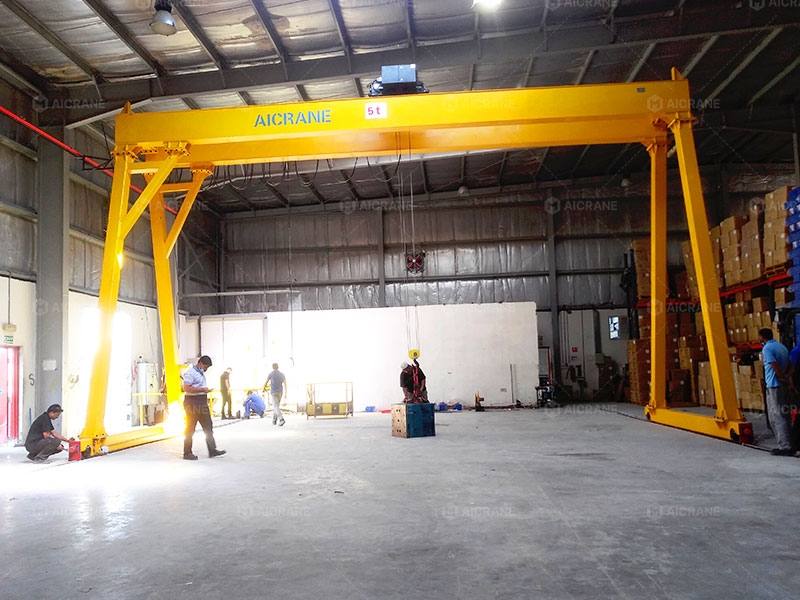
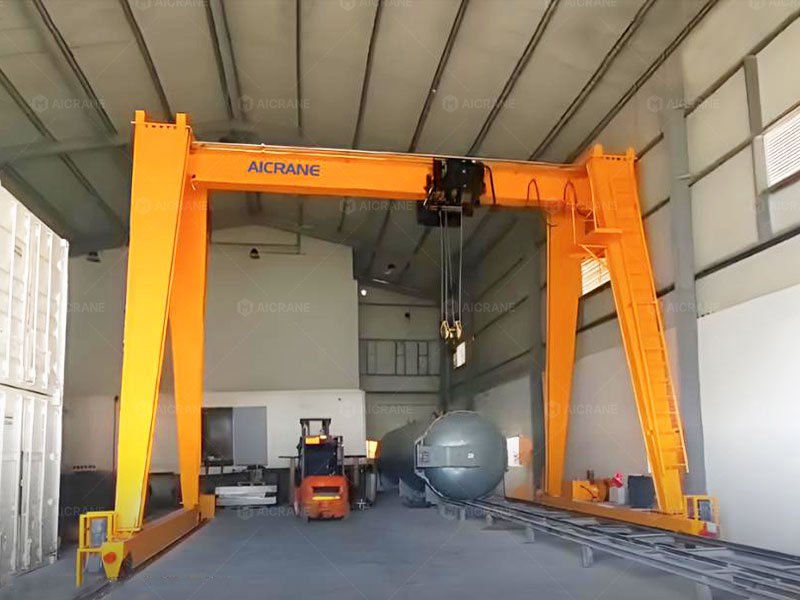
Compact Double Girder Gantry Crane
- Hoist positioned between girders for maximum lifting height
- Improved stability under confined lifting conditions
- Suitable for mold handling and equipment assembly
Efficient Low Clearance Solution
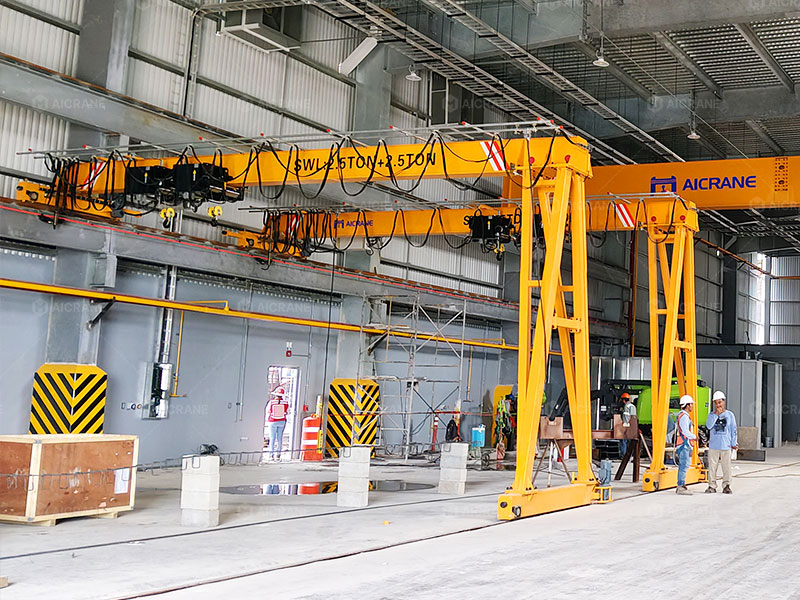
Low Headroom Single Girder Gantry Crane
- Low headroom hoist design for vertical space optimization
- No runway beam required for flexible installation
- Suitable for workshops and warehouse handling tasks
Hybrid Structural Support Solution
Light Semi-Gantry Crane
- One side supported by building or runway structure
- Optimized floor space utilization in narrow layouts
- Suitable for wall-side lifting and production lines
Flexible Workshop Operation for Multi-Station Production
The Challenge: In many manufacturing workshops, material handling tasks involve medium-weight components that move between multiple workstations, but the building structure does not always justify or support a fixed overhead crane system.
Why Light Duty Gantry System: A Light Duty Gantry Crane provides a self-supporting lifting system that operates without permanent runway beams, allowing flexible deployment across different workstation layouts. Its mobile structure enables efficient material transfer between production areas while maintaining stable lifting performance under A3–A4 intermittent duty conditions.
Light Duty Gantry Crane Options for Flexible Workshop Lifting:
General Workshop Efficiency Solution
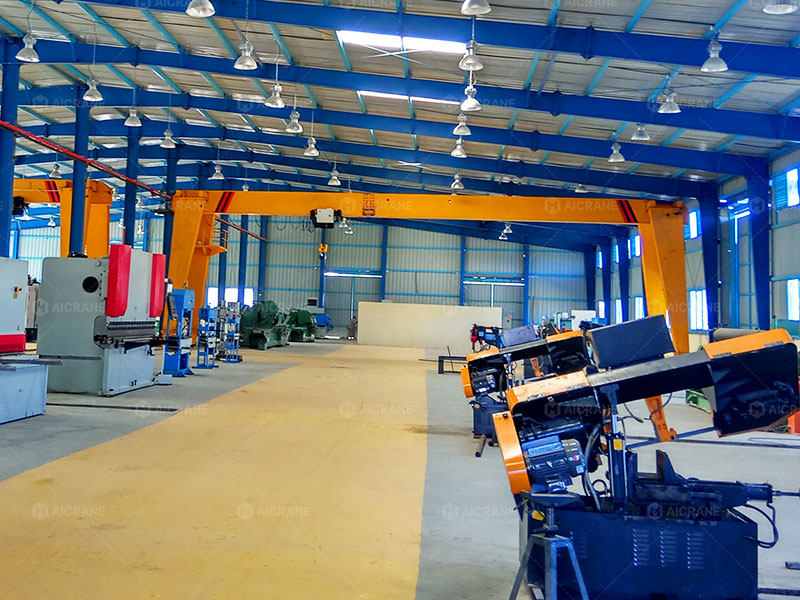
Light Duty Single Girder Gantry Crane
- Best suited for general-purpose workshop lifting across different stations
- Lightweight structure enables easy movement and flexible positioning
- Economical solution for light to medium-duty production environments
Precision & High-Stability Lifting Solution
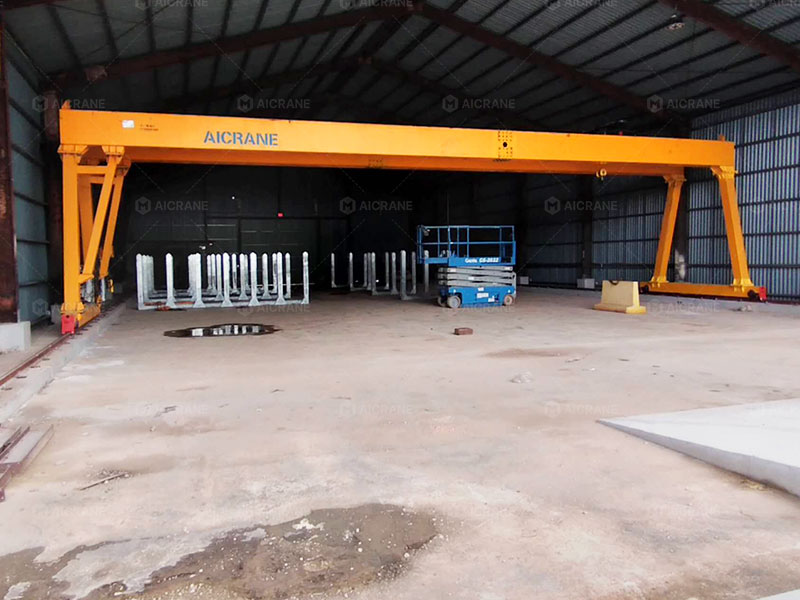
Light Duty Double Girder Gantry Crane
- Provides enhanced stability for precision handling tasks
- Optimizes hook height for heavy or bulky components
- Ideal for molds, assemblies, and high-value equipment handling
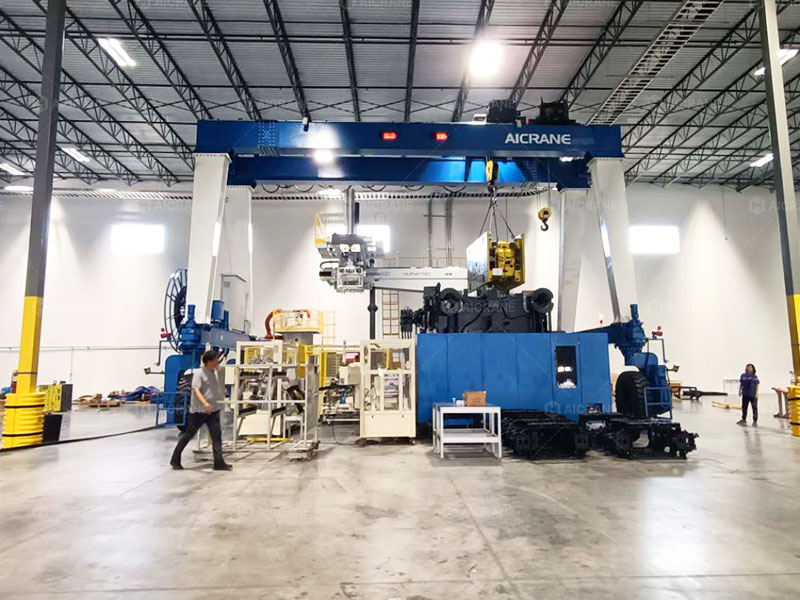
Non-Fixed Workstation Lifting Solution
Light Duty Mobile Workshop Gantry Crane
- Enables relocation between different production points as needed
- Suitable for temporary or irregular in-line lifting tasks
- Ideal for short production batches and flexible manufacturing setups
Light Duty Gantry Crane Types & Technical Parameters
According to different application scenarios and lifting requirements, Aicrane light duty gantry crane for sale is engineered in various structural configurations. Each model is designed in accordance with ISO/FEM/DIN standards, ensuring high structural fatigue resistance and long-term reliability for A3-A4 duty cycles.
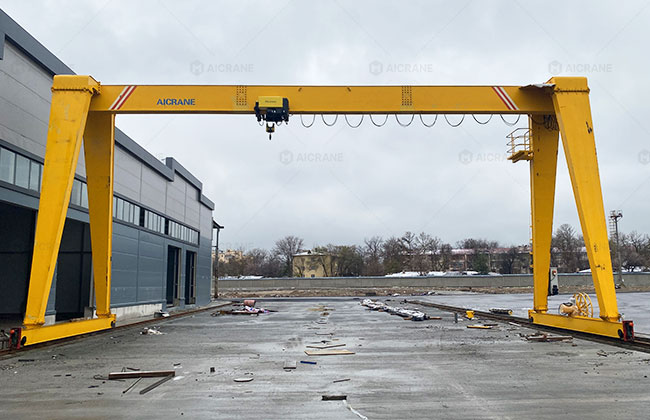
Single Girder Type
The light duty single girder gantry crane utilizes a lightweight box-girder design to minimize wheel pressure, enabling installation on standard industrial floors without the need for expensive foundation reinforcement.
- Lifting capacity: 5-20t (Customizable)
- Span: 8-35m (Customizable)
- Lifting height: 6-12m (Customizable)
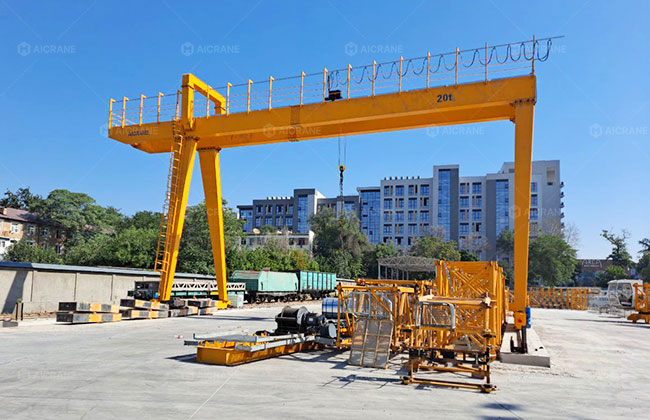
Double Girder Type
The light duty double girder gantry crane utilizes a compact dual-beam configuration to achieve superior load distribution and optimized lifting geometry. Its embedded trolley design allows the hoist to sit between the girders, maximizing the effective hook path and gaining critical extra lifting height in low-headroom facilities.
- Lifting capacity: 5-20t (Customizable)
- Span: 18-35m (Customizable)
- Lifting height: 6-18m (Customizable)
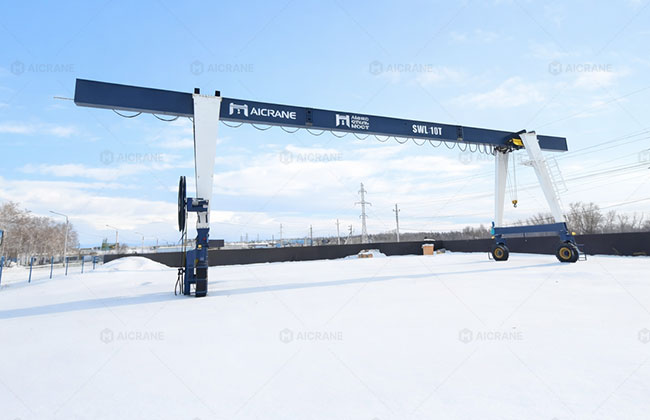
Rubber Tyred Type
This light duty rubber tyred gantry (RTG) system offers exceptional mobility without the constraints of rail installation. Equipped with high-performance rubber tires, it provides a versatile lifting solution for leased yards or multi-bay workshops where fixed paths are impractical, effectively reducing infrastructure costs while maintaining operational flexibility.
- Lifting capacity: 10-20t (Customizable)
- Span: 5-20m (Customizable)
- Lifting height: 6-12m (Customizable)
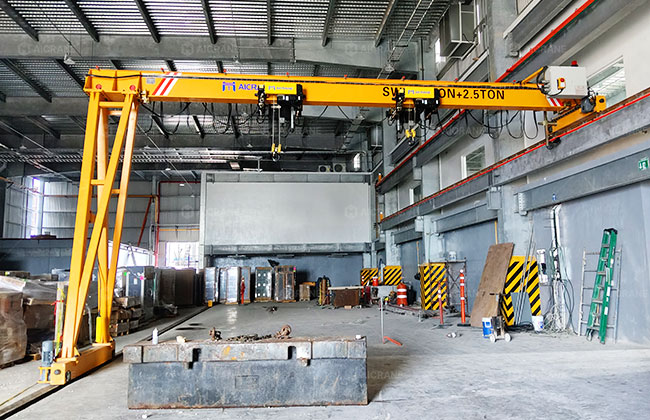
Semi Gantry Type
The light duty semi gantry crane features a hybrid configuration where one side operates on a ground rail while the other is supported by an existing building column or runway beam. This design effectively maximizes floor space and reduces structural costs, making it the ideal choice for light assembly lines and material handling tasks adjacent to facility walls.
- Lifting capacity: 5-20t (Customizable)
- Span: 8-30m (Customizable)
- Lifting height: 6-18m (Customizable)
Structural & Technical Features of Light Duty Gantry Cranes
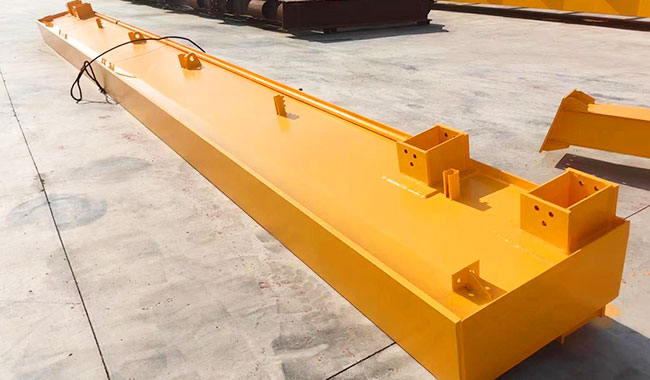
Lightweight Girder Structure
The main structural system is engineered with reduced self-weight while maintaining adequate rigidity for light duty lifting cycles.
- Optimized girder cross-section for material efficiency
- Reduced structural dead load
- Balanced stiffness-to-weight design
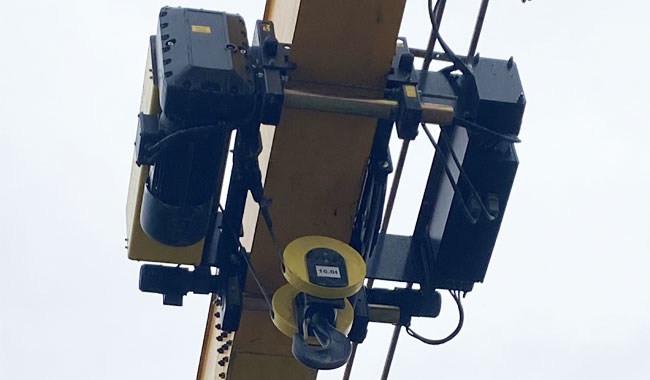
Compact Hoist & Lifting Arrangement
The hoisting system is arranged to achieve efficient mechanical layout within a simplified structural envelope.
- Optimized hoist positioning along the main girder
- Reduced mechanical spacing between lifting components
- Streamlined load transmission path
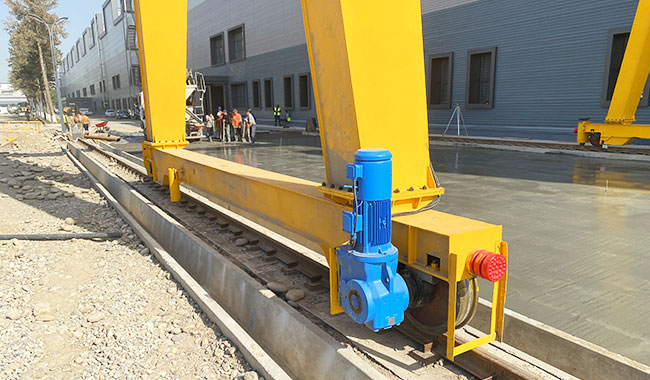
Simplified Travel & Drive System
The travel mechanism adopts a simplified drive architecture with reduced mechanical complexity compared to heavy duty gantry crane systems.
- Reduced number of drive motors and transmission components
- Simplified end carriage and wheel assembly design
- Non-redundant mechanical configuration optimized for light duty operation
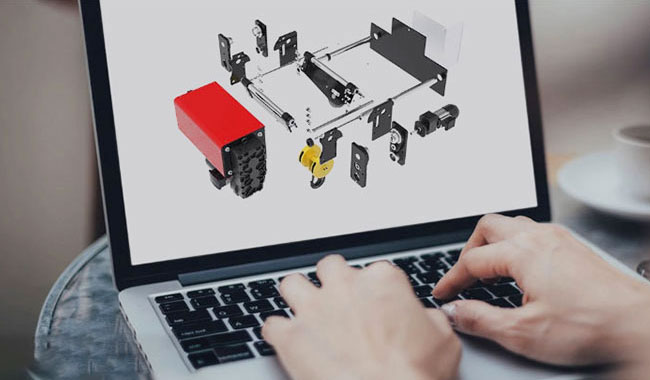
Modular Structural Configuration
Modular components are designed to simplify transportation, assembly, installation, and future maintenance.
- Standardized structural modules for consistent manufacturing and assembly
- Reduced complexity of on-site structural installation
- Component-based design enabling easier maintenance and replacement
How to Select the Right Light Duty Gantry Crane
Selecting a light duty gantry crane is not only about lifting capacity. It is about matching your real working conditions with the crane’s duty level, structure type, and operational environment. A proper selection ensures safe operation, stable performance, and long service life without unnecessary investment.
Define Your Light Duty Application Requirements
The first step is to clearly understand your actual lifting tasks. Lightweight gantry cranes are typically used in low to moderate intensity operations where flexibility and cost efficiency are important. Key parameters include:
- Load type: Small steel parts, mechanical components, molds, maintenance tools, or light precast elements
- Load weight: Typically 5 ton up to 20 ton in light duty applications
- Lifting frequency: Occasional lifting or intermittent use (not continuous production flow)
- Working height: Determine required hook travel including slings or lifting attachments
For example, a single girder 5 ton gantry crane used in a workshop for maintenance lifting a few times per hour is a typical light duty application.
Understand Light Duty Gantry Crane Classification
Light duty gantry cranes generally fall under standardized duty classifications that define their structural design life and operating intensity. Common classifications include:
- FEM 1Am / 1Bm
- CMAA Class A / B
- ISO M3 / M4
These classifications indicate:
- Low number of load cycles per day
- Intermittent operation rather than continuous production
- Designed for light to moderate service environments
In practical terms, small and light duty gantry cranes are ideal for workshops, small fabrication units, maintenance stations, and assembly areas where lifting is not the core production process.
Match the Light Gantry Crane Type to Your Workspace
The right light duty gantry crane type depends on how fixed or flexible your working area is, rather than the crane capacity itself.
- Fixed workspace → Single or Double Girder Gantry Crane
- When lifting happens in a defined, stable area and the crane does not need to be relocated.
- Multi-station workspace → Mobile Rubber Tyred Gantry Crane
- When lifting points are spread across the facility and operational mobility is required.
- Temporary or changing tasks → Portable Gantry Crane
- When lifting tasks are intermittent, support work-based, or require frequent setup changes.
In light duty applications, selection should focus on workspace flexibility and operation pattern rather than structure complexity.
Evaluate Working Environment Conditions
Even for small gantry cranes, environmental factors can significantly affect performance and lifespan.
Consider the following:
- Indoor or outdoor use
- Dust, humidity, or corrosive conditions
- Temperature fluctuations
- Frequency of start-stop operations
In harsher environments, even light duty applications may require upgraded components such as anti-corrosion coating, higher protection motors, or reinforced wheels.
Plan for Future Expansion
Although your current operation may only require light duty usage, future production changes should be considered during selection.
Ask yourself:
- Will lifting frequency increase in the next 1-3 years?
- Will load weight grow with new production lines?
- Will the crane be relocated or integrated into a larger system?
In many cases, choosing a slightly higher specification within the light duty range can avoid future replacement costs.
A light duty gantry crane should be selected based on real operating intensity, workspace layout, and environmental conditions, not just rated capacity. If you need help selecting the right configuration for your workshop or project, our engineering team can provide a tailored solution based on your actual working conditions.
After-Sales & Lifecycle Support for Light Duty Gantry Cranes
Once the appropriate light duty gantry crane model is selected, ongoing service and support is equally important to ensure stable and safe performance throughout its service life. Aicrane service system is designed to support the full lifecycle of the equipment – from initial setup to daily operation and long-term maintenance.
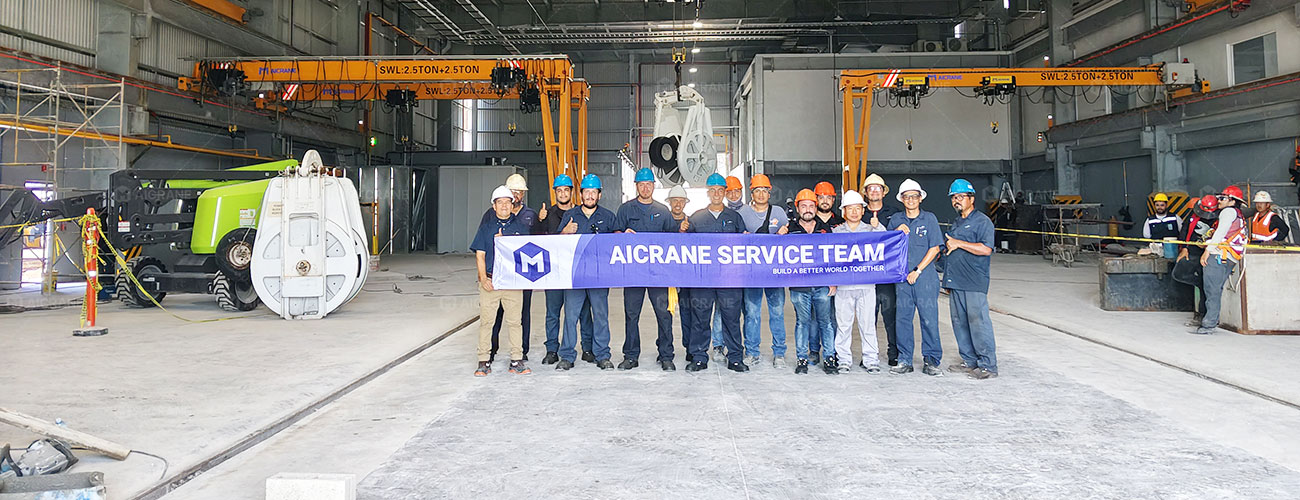
Installation & Commissioning Support We provide installation support designed specifically for light duty systems, which typically require simple assembly, low structural complexity, and flexible deployment. This ensures quick setup in different working environments while maintaining safe operation under low-duty-cycle conditions.
Maintenance for Low-Intensity Operation Maintenance guidance is tailored to light duty working conditions, where equipment operates under reduced load stress and requires simplified inspection of key components such as wheels, hoists, and electrical systems.
Spare Parts for Light Duty Systems Spare parts support is optimized for light gantry cranes with standardized components, ensuring fast replacement and minimal downtime in low-intensity operating environments.
Operator Training for Safe Use Training is focused on safe operation under light duty conditions, including correct handling of moderate loads, intermittent usage patterns, and simplified control systems.
Light duty gantry cranes rely on simple structure and flexible operation, and their long-term performance depends on proper selection, correct installation, and continuous lifecycle support. For project-specific light duty gantry crane solutions or technical consultation, contact our team to get professional assistance.