


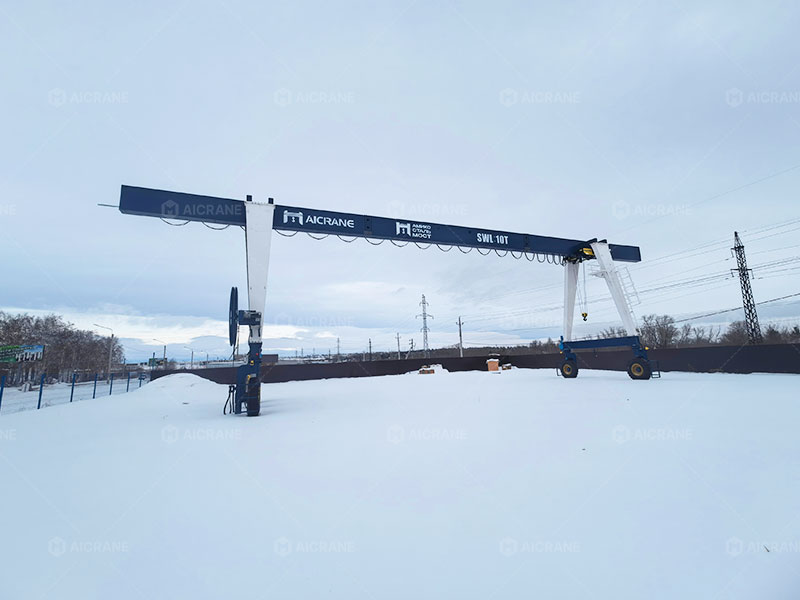
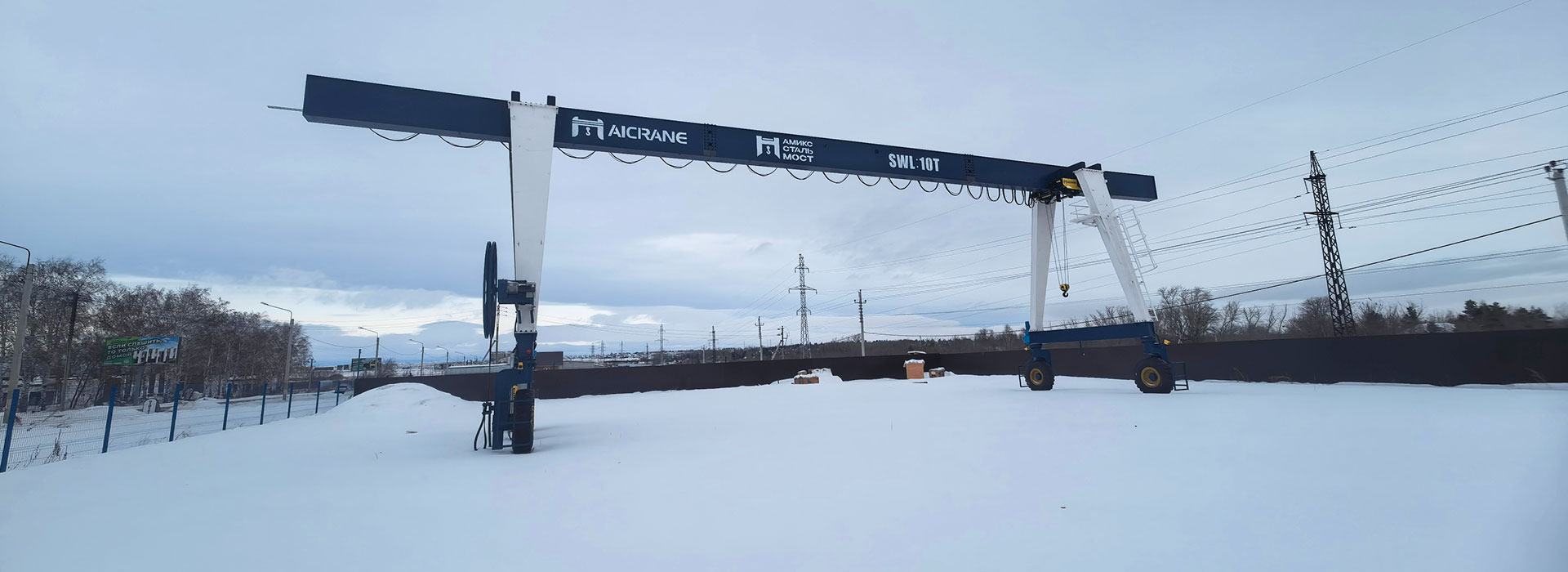
Can Rubber Tyred Gantry (RTG) cranes operate safely in rain or snow? Can they maintain stability during strong winds? In reality, RTG cranes are constantly exposed to changing natural environments, where mobility makes their performance highly sensitive to external factors. Wind, temperature, humidity, and airborne contaminants all directly influence stability, responsiveness, and safety during movement. Effective environmental adaptation is therefore essential to ensure reliable and efficient RTG crane operations under dynamic conditions.
Wind Adaptation in RTG Crane Mobile Operations
Wind is one of the most critical factors affecting the performance of RTG rubber tyred gantry cranes during movement and lifting. Lateral forces from wind can directly impact tyre traction, structural stability, and load control, making effective adaptation strategies essential to maintain safety and operational efficiency. RTG cranes employ several strategies to adapt to wind during mobile operations, focusing on prevention, monitoring, and control:
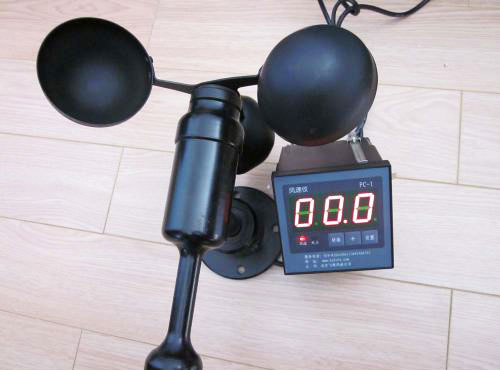
Real-Time Monitoring and Alerts
Advanced rubber tired gantry cranes integrate anemometers and load sensors to monitor wind forces continuously. If wind exceeds safe thresholds, alarms notify operators, and automated braking systems may halt movement until conditions improve.
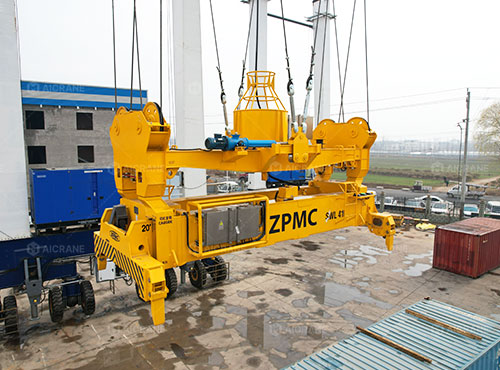
Load Sway Control Systems
Many RTGs are equipped with active or passive anti-sway mechanisms to counter wind-induced oscillations. These systems adjust trolley speed, hoist motion, and spreader behavior to maintain load stability during travel.
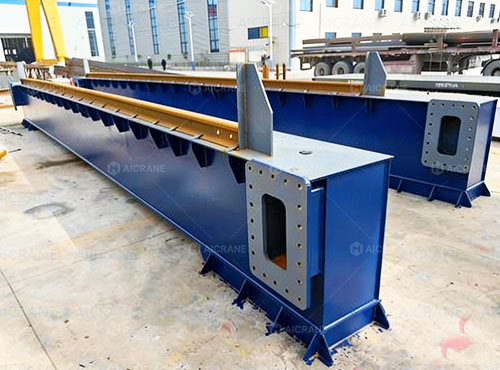
Structural and Design Adaptations
RTGs are designed with a low center of gravity and optimized tire pressure to enhance stability. Some models feature adjustable track width or outriggers, and reinforced girder and leg structures ensure lateral wind forces stay within safe limits.
Generally, rubber tyred gantry crane manufacturers establish wind speed thresholds to ensure safe operation. All operations should strictly adhere to the limits and guidelines specified by the crane manufacturer.
Weatherproof Performance of RTG Cranes in Rain, Snow, and Humidity
In addition to wind, precipitation and humidity are major environmental factors that can affect RTG crane mobility and operational safety. Rain, snow, and ice can impact ground traction, electrical systems, structural components, and operator visibility. Understanding these challenges and implementing adaptation strategies ensures safe and efficient operations in all-weather conditions.
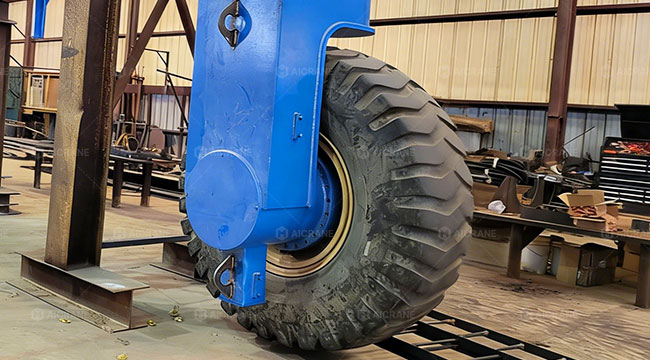
High-friction Tires
The RTG cranes use specially designed bias-ply vacuum tires for construction machinery, offering excellent drainage performance, high load-bearing capacity, and enhanced wear resistance. Some RTGs also allow adjustable tire pressure to optimize the tire footprint, effectively reducing the risk of slipping and ensuring stable operation in all weather conditions.
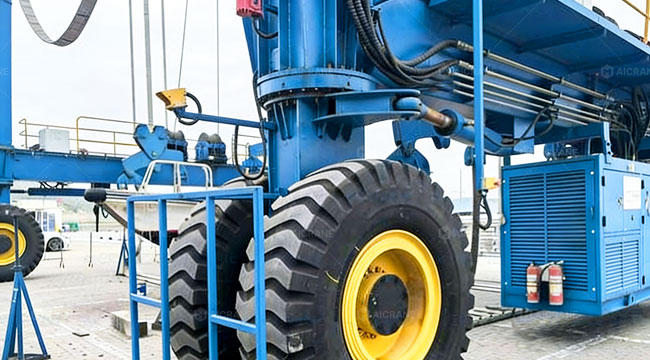
Anti-Skid Steering and Directional Stability Design
Rubber wheeled gantry cranes use independently controlled multi-wheel steering combined with dynamic load distribution and optimized braking systems to maintain precise directional control and prevent lateral skidding, ensuring safe movement on wet, icy, or snow-covered surfaces, even when carrying high-profile loads.
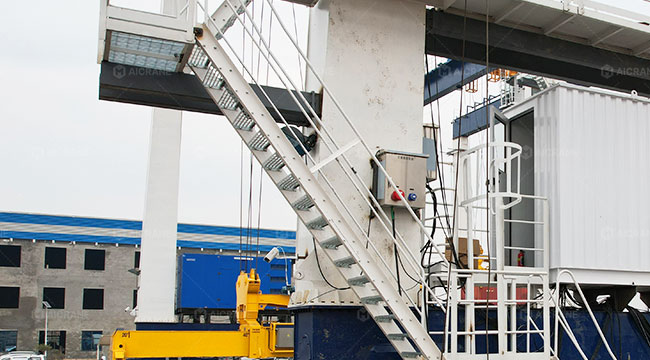
Galvanized Grating Steps and Walkways
In regions where humidity, rain, and snow are frequent, galvanized open-grid grating steps are preferred over standard diamond or patterned plates. Galvanization protects steel components in high-humidity, acidic, or rainy conditions. The perforated, open-grid design prevents water or snow accumulation, reducing the risk of operator slips.
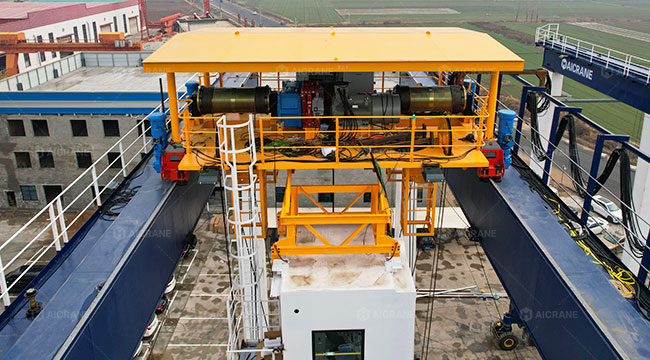
Enhanced Protection with Sealed Enclosures and Rain Covers
All critical components, including control panels, sensors, anti-sway devices, and monitoring instruments are housed in IP65/IP66-rated sealed enclosures. Additionally, the trolley features an integrated rain cover to further protect the electrical systems from moisture ingress, dust, and harsh weather conditions, ensuring reliable operation in challenging environments.
Temperature Adaptation of RTG Cranes Under Extreme Heat and Cold
Rubber Tyred Gantry (RTG) cranes frequently operate in regions with extreme temperatures, ranging from scorching tropical heat to subzero winter conditions. Both high and low temperatures can significantly impact structural integrity, hydraulic and electrical systems, tire performance, and operator safety. Aicrane RTG cranes are custom engineered that allow safe and reliable operations in extreme climates.
RTG Crane High-Temperature Adaptation Solutions
Structural and Material Considerations
- Heat-resistant steel and coatings: Key structural components, including girders, legs, and spreaders, are treated with heat-resistant coatings or high-temperature alloys to prevent thermal expansion, warping, or paint degradation.
- UV-resistant surfaces: Exposed components, including operator cabins, walkways, and control panels, are coated to withstand prolonged sun exposure, minimizing brittleness or fading.
- Expansion joints and fasteners: High-temperature-rated bolts, pins, and welded joints account for thermal expansion without inducing structural stress.
Cooling and Ventilation Systems
- Cabin air conditioning and ventilation: Operator cabins are equipped with high-capacity cooling to maintain comfort and alertness.
- Hydraulic system cooling: Pumps, reservoirs, and hoses are rated for high-temperature operation, with optional additional cooling fans for sustained lifting cycles.
- Electrical component heat management: Transformers, motors, and control panels feature ventilation, heat sinks, or temperature sensors to prevent overheating.
Tire and Chassis Adaptations
- High-temperature rubber compounds: Tires are formulated to maintain traction and structural integrity on hot asphalt or concrete, reducing deformation or premature wear.
- Thermal load monitoring: Tire and brake temperature sensors prevent overheating during prolonged travel or heavy lifting in hot conditions.
RTG Crane Low-Temperature Adaptation Solutions
Cold-resistant steel and coatings
Key structural components of RTG cranes, including girders and legs, are fabricated from Q355E low-temperature steel, which maintains high ductility and impact toughness at subzero temperatures (down to -40°C). This steel grade reduces the risk of brittle fracture and ensures structural integrity under thermal stress and heavy load conditions.
Low-temperature hydraulic fluids
RTG cranes operating in subzero conditions use synthetic or semi-synthetic hydraulic oils rated for -40°C to -50°C, such as ISO VG 32 low-temperature hydraulic oils or manufacturer-specified cold-weather formulations. These fluids maintain proper viscosity and ensure smooth movement of hoists, trolleys, and steering actuators in extreme cold.
Cold-start pre-heating
Hydraulic reservoirs and engine oil systems can be equipped with electric or circulating fluid pre-heaters to gradually bring fluids to optimal operating temperature before starting heavy lifts. Pre-heating prevents cavitation, pump damage, and sluggish hydraulic response.
Hydraulic pump and hose selection
Pumps, hoses, and fittings are rated for low-temperature brittleness resistance, often using reinforced polymers or flexible stainless steel lines to prevent cracking.
Optimized tire pressure management
Low temperatures increase tire rigidity, so RTG tires can be equipped with adjustable tire pressure systems to maintain optimal footprint and improve grip. Some cranes feature real-time tire pressure monitoring to alert operators of pressure drops or uneven loading.
Low-temperature еlectrical protection system
The electrical control room adopts advanced VFD and PLC control systems to ensure precise and stable operation. Designed with an IP55 protection rating, it is equipped with heating devices and a temperature control system to maintain suitable operating conditions for all components, ensuring safe and reliable crane performance in low-temperature environments.
RTG Environmental Resistance to Dust, Fog, and Corrosive Conditions
Rubber Tyred Gantry (RTG) cranes are often deployed in harsh outdoor environments such as ports, marinas, steel plants, and industrial yards, where dust, fog, humidity, and corrosive agents can significantly impact equipment performance and service life. To ensure long-term reliability, safety, and reduced maintenance requirements, Aicrane RTG cranes are engineered with targeted protection measures that address these challenging environmental conditions.
Dust Environment Adaptation
- Enclosed bearings and wheel hubs: Slewing rings, trolley bearings, and wheel hubs are protected with labyrinth seals or fully enclosed housings to prevent dust infiltration, reducing wear and mechanical failure.
- Air filtration: Motors, hydraulic pumps, and ventilation systems are equipped with HEPA or fine mesh filters to maintain clean airflow, preventing contamination and overheating.
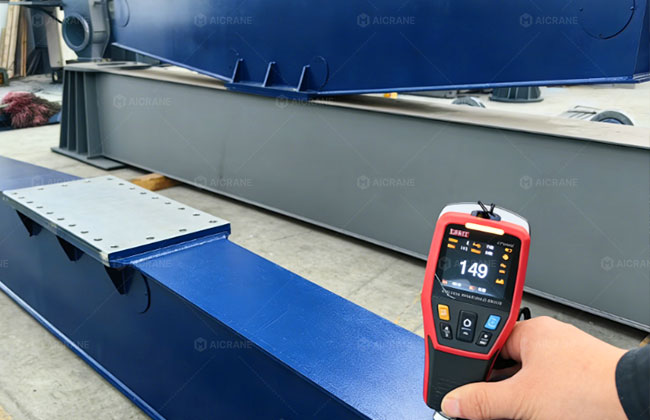
- Protective coatings: Structural components are treated with an epoxy zinc-rich primer and a polyurethane topcoat system, with a total coating thickness of ≥120 μm, providing enhanced resistance to abrasion from airborne dust and particulate matter.
Fog and Low-Visibility Adaptation
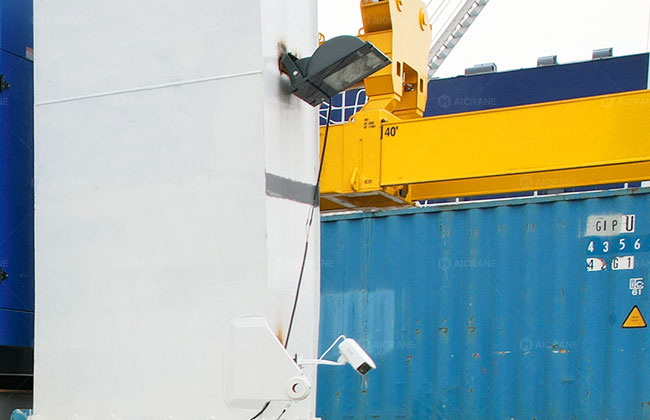
- Enhanced lighting: High-intensity LED floodlights and reflective markers improve visibility during fog or low-light conditions.
- Fog sensors and cameras: Optional cameras and optical sensors allow operators to monitor load position and crane movement when visual lines of sight are limited.
- Anti-condensation coatings: Electrical enclosures, sensors, and hydraulic components are treated with hydrophobic or nano-coatings to prevent moisture accumulation from fog, which can lead to short circuits or corrosion.
Corrosive Environment Adaptation
- Corrosion-resistant steel: Structural components use Q355D/E low-temperature or hot-dip galvanized steel, maintaining strength while resisting chemical and salt corrosion.
- Stainless steel or coated fasteners: Critical bolts, pins, and joints use 304/316 stainless steel or chemically coated high-strength alloys.
- Protective coatings: Exposed metal surfaces are treated with chemical-resistant epoxy, polyurethane, or fluoropolymer coatings, preventing deterioration from industrial pollutants, salt spray, or chemical vapors.
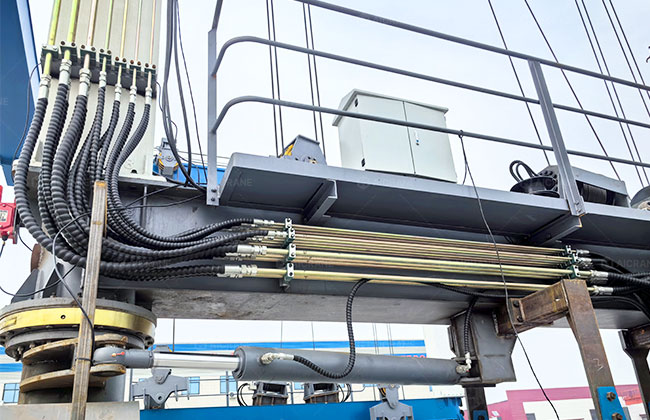
- Corrosion-resistant hydraulic lines: Hydraulic pipelines and connectors use cold-drawn galvanized steel tubing, offering excellent resistance to corrosion and ensuring reliable operation in harsh environments.
RTG Crane Core Technologies for Multi-Environment Adaptation
Our rubber tyred gantry cranes can incorporate advanced environmental monitoring, intelligent control, and predictive maintenance technologies. These systems enable real-time awareness of surrounding conditions, automatic adjustment of operational parameters, and early detection of potential issues, ensuring that the cranes operate safely, efficiently, and reliably even in complex climatic and industrial environments.
Environmental Monitoring Systems
RTG cranes are equipped with environmental sensing technologies that continuously track site conditions in real time.
- Wind Sensors: Measure speed and direction to determine safe operating limits for both crane travel and hoisting operations. When wind exceeds predefined thresholds, the system automatically restricts movements or activates anti-sway functions.
- Temperature and Humidity Sensors: Monitor ambient conditions to prevent hydraulic fluid viscosity issues, electronic component overheating, or condensation inside control cabinets.
- Corrosion and Dust Sensors: Specialized probes detect salt, moisture, or particulate concentration in the air, enabling operators to schedule cleaning, protective coating inspections, or maintenance interventions before damage occurs.
By integrating these sensors into the crane’s control network, RTG operators gain situational awareness, reducing operational risks in challenging environments.
Intelligent Control Systems
Environmental monitoring data feeds into smart control systems that adjust crane behavior in real time:
- Anti-Sway and Load Stabilization: In high winds or on uneven ground, the crane automatically compensates for load swing and lateral displacement, reducing structural stress and improving safety.
- Automated Speed and Hoist Adjustments: The system modifies travel speed, trolley movement, and hoisting acceleration based on real-time environmental data, such as low visibility in fog or dust-laden air.
- Remote and Semi-Automated Operation: Cameras, radar sensors, and LiDAR units allow operators to safely control cranes from a distance, maintaining precise handling in foggy, dusty, or low-visibility conditions.
These intelligent controls reduce the likelihood of human error and ensure consistent performance even under extreme environmental conditions.
Predictive Maintenance and Life-Cycle Management
RTG cranes operating in harsh environments face accelerated wear and corrosion. Predictive maintenance technologies help extend equipment life and minimize unplanned downtime:
- Condition Monitoring: Sensors track bearing vibration, hydraulic pressure, motor temperature, and electrical load, creating a comprehensive picture of crane health.
- Predictive Algorithms: Data analytics forecast component wear, corrosion, or lubrication degradation before failures occur, enabling timely maintenance interventions.
- Maintenance Scheduling: By combining real-time environmental data with predictive analytics, maintenance can be prioritized for components most affected by dust, salt, or temperature extremes, reducing overall downtime and operational costs.
Through a combination of robust material selection, advanced structural design, intelligent control systems, environmental monitoring, and predictive maintenance, RTG rubber tyred gantry cranes can deliver reliable, efficient, and safe performance even under complex, multi-environmental conditions.
Consider Your Site Environment When Choosing an RTG Rubber Tyred Gantry Crane
Selecting the right RTG crane isn’t just about lifting capacity or span – it starts with understanding the environment in which your crane will operate. The conditions around your site can significantly affect safety, efficiency, and long-term performance. Before making a choice, take a moment to ask yourself:
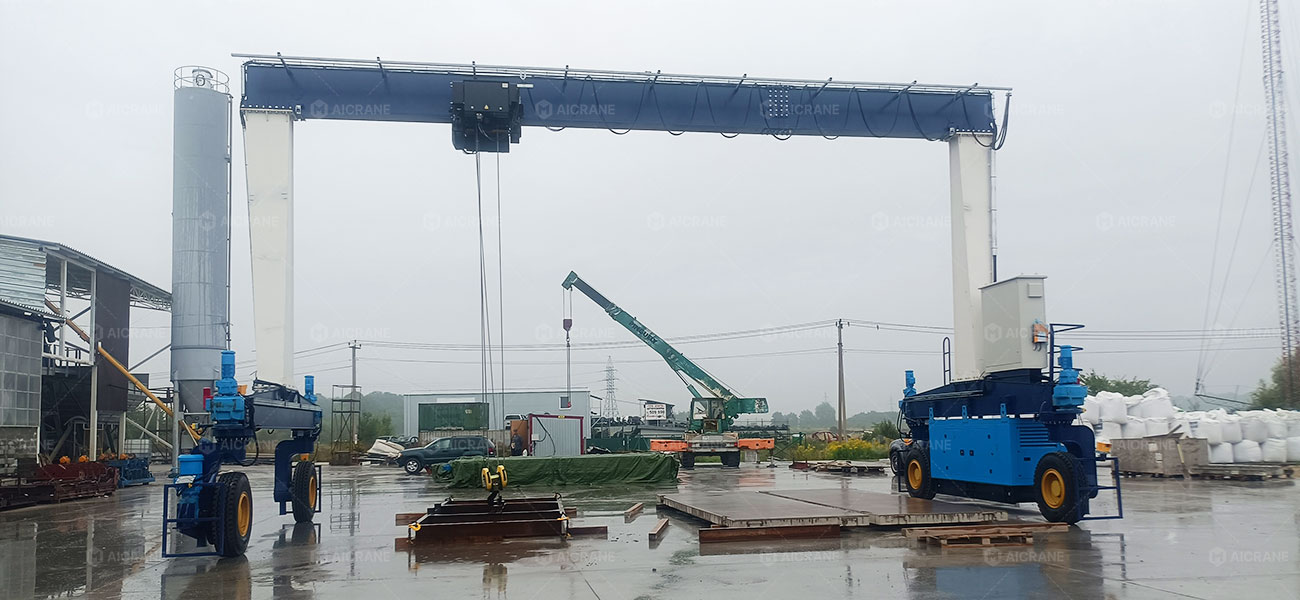
- Wind: Are there areas exposed to strong or gusty winds that could affect crane stability? How often do these conditions occur during the year?
- Precipitation & Moisture: Does your site experience heavy rain, snow, or fog? How might this impact traction, visibility, or electrical components?
- Dust & Particulates: Are your operations near bulk materials, cement, or dusty industrial processes that could infiltrate bearings and motors?
- Corrosive Exposure: Is your site near the coast, chemical plants, or other environments where salt spray or corrosive agents are present?
- Temperature Extremes: Do extreme hot or cold conditions regularly affect your operations? How would this influence hydraulic systems, electronics, or steel durability?
By reflecting on these questions, you can better identify the environmental challenges specific to your site. This will guide you toward an RTG crane equipped with the appropriate design and technologies – ensuring safe, reliable, and efficient operation no matter the conditions.
Are your RTG cranes facing similar environmental challenges? Discover our RTG crane solutions and work with AICRANE engineering team to design customized cranes optimized for your site’s unique environmental demands.