


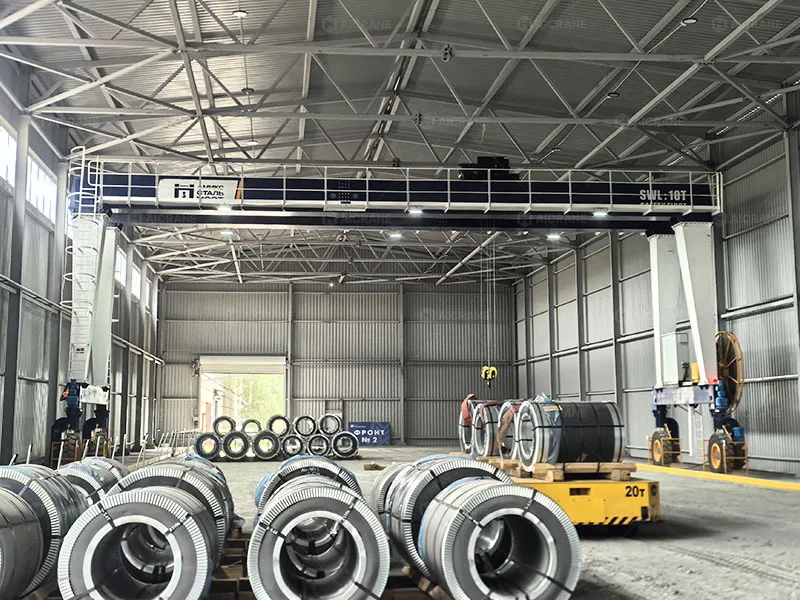
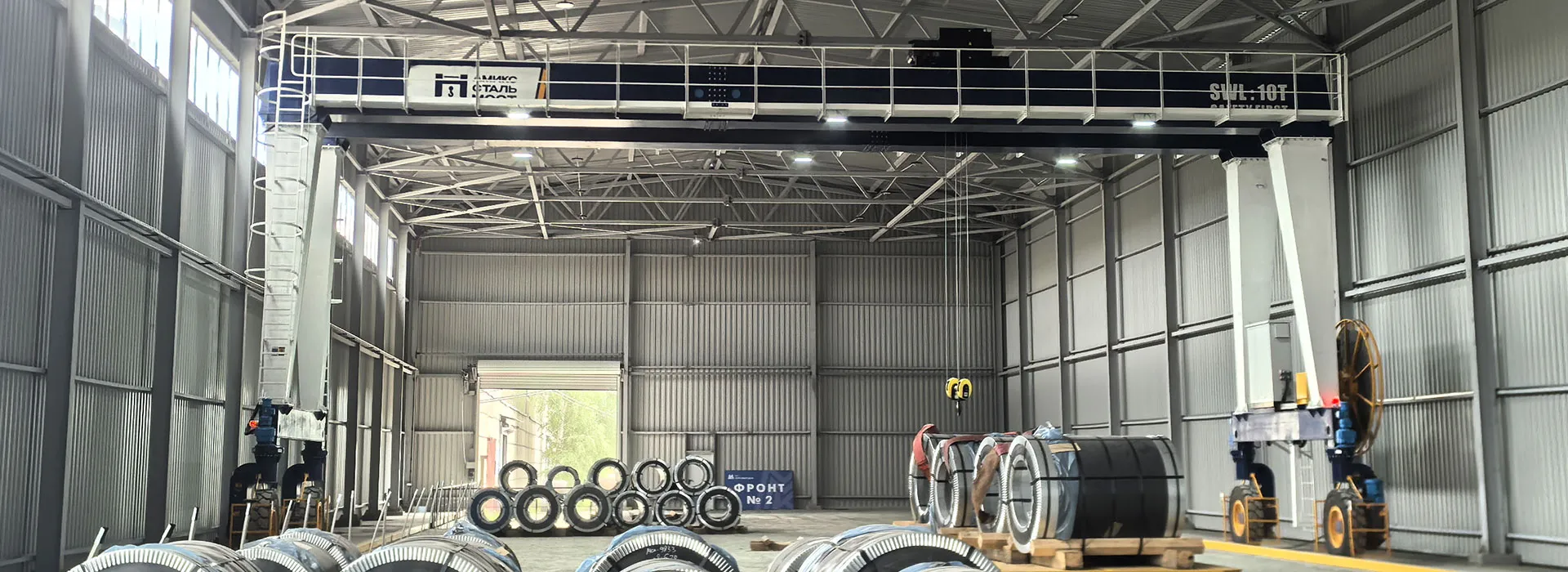
RTG cranes often operate for long hours under demanding yard conditions, where energy consumption, operating costs, and environmental impact are closely connected. Improving sustainability in RTG operations requires more than reducing emissions – it involves optimizing power systems, improving energy efficiency, and enhancing equipment reliability throughout the crane’s service life.
Three Pillars of Sustainable RTG Crane Solutions
Sustainable RTG rubber tyred gantry crane performance is built on three key pillars: energy efficiency, electrification solutions, and lifecycle-focused engineering design. These elements work together to reduce operational impact, improve yard efficiency, and enhance long-term equipment value under demanding working conditions.
Energy Efficiency: Reducing Operational Energy Consumption
Energy efficiency is a fundamental aspect of sustainable RTG operations. By optimizing how energy is used during lifting, trolley movement, and gantry travel, RTG cranes can reduce unnecessary power consumption while maintaining reliable handling performance.
Key factors include:
- Efficient use of power during repeated handling cycles
- Optimized crane movements to minimize unnecessary energy consumption
- Improved energy utilization under different operating conditions
Electrification: Reducing Emissions and Improving Energy Efficiency
Electrification provides an effective approach to improving RTG sustainability by reducing dependence on conventional fuel-powered operation. Selecting the right power solution based on site conditions and operational requirements helps achieve lower emissions while maintaining operational flexibility.
Common considerations include:
- Battery-powered configurations for flexible yard operations
- Cable reel systems for areas with available power infrastructure
Reliability Engineering: Extending Lifecycle Value
Long-term sustainability depends not only on energy performance but also on how reliably an RTG crane operates throughout its service life. Durable structures, reliable components, and maintenance-friendly designs help reduce downtime, minimize premature replacement, and improve lifecycle value.
Key factors include:
- Robust structural design for continuous operation
- Reliable mechanical and electrical components
- Designs that support easier maintenance and longer service life
These three pillars provide the foundation for sustainable RTG crane solutions. The following sections examine how optimized energy use, electric RTG solutions, and reliability engineering approaches contribute to lower energy consumption, reduced emissions, and extended equipment service life.
How RTG Crane Engineering and Technologies Improve Energy Efficiency
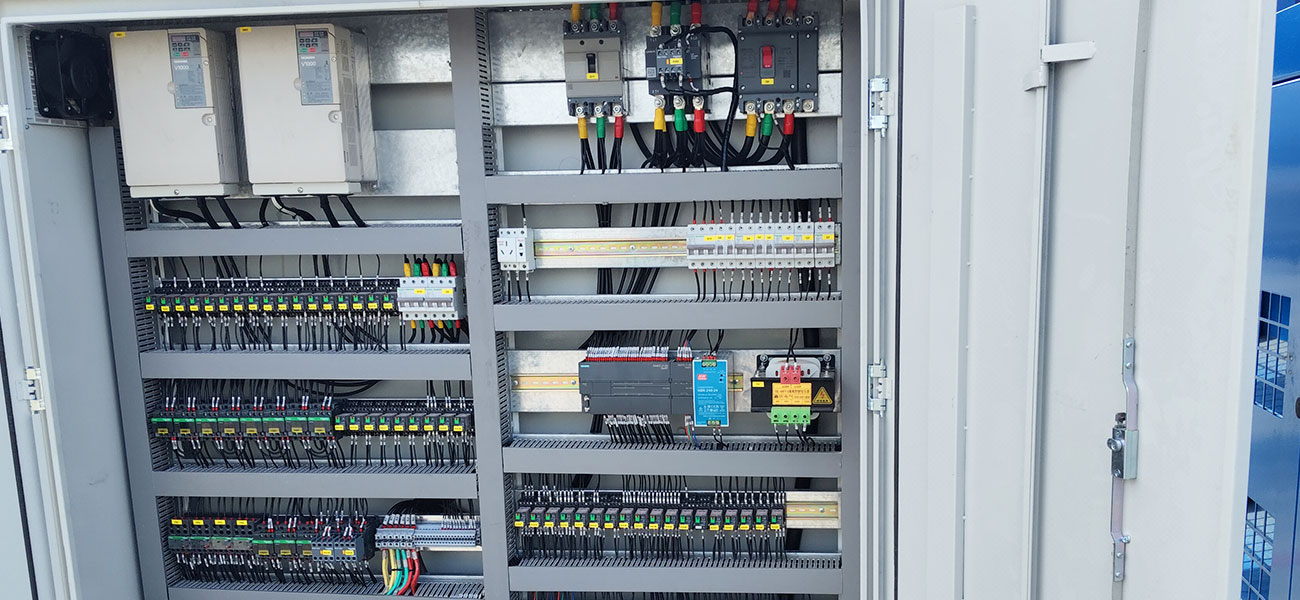
Energy efficiency in RTG crane operation is achieved through a combination of advanced energy-saving technologies, intelligent control strategies, and optimized electrical and mechanical design. These approaches help reduce unnecessary energy consumption while maintaining reliable handling performance during continuous yard operations.
Recovering Energy with Regenerative Technology
During lifting and lowering operations, energy consumption can vary significantly. When lowering heavy loads, regenerative technology can recover part of the energy generated by the hoisting system and return it to the electrical system for reuse.
Regenerative systems can help:
- Reduce energy loss during repeated lifting cycles
- Improve overall electrical efficiency
- Reduce heat generated by energy dissipation
By recovering energy that would otherwise be wasted, this technology provides an additional approach to improving rubber tyred gantry crane energy efficiency.
Improving Motor Efficiency with VFD Technology
RTG cranes require frequent acceleration, deceleration, and positioning during handling operations. Variable Frequency Drive (VFD) technology allows motors to operate according to actual movement requirements rather than using fixed-speed operation.
VFD systems can improve:
- Hoisting and traveling control accuracy
- Smooth acceleration and braking performance
- Motor operating efficiency during different load conditions
In addition to improving energy utilization, smoother motor control can also help reduce mechanical stress on key crane components.
Monitoring Energy Usage with Intelligent Systems
Energy demand changes throughout the RTG crane operating cycle depending on load conditions, movement frequency, and working patterns. When equipped with suitable monitoring and control systems, rubber tired gantry cranes can better track energy usage and optimize system operation.
Possible functions include:
- Real-time energy consumption monitoring
- Power usage analysis
- Reduced standby energy consumption
These functions help operators better understand crane performance and identify opportunities for further efficiency improvements.
Optimizing Electrical and Mechanical System Design
Energy efficiency is influenced not only by individual technologies but also by the overall design of the RTG crane. Proper selection and integration of electrical systems, drive components, and mechanical structures help minimize unnecessary energy losses during operation.
A well-designed rubber tyred gantry crane ensures that:
- Power systems match actual handling requirements
- Mechanical and electrical components work efficiently together
- Reliable performance is maintained during continuous operation
Through optimized system design, RTGs can achieve a better balance between handling capability, energy consumption, and long-term operating performance.
Improving energy efficiency is an important step in reducing the environmental impact of RTG crane operation, but the power system itself also plays a key role in determining emissions, energy consumption, and operational flexibility. The right power configuration helps operators balance operational requirements with environmental goals based on specific site conditions and handling needs.
Electric RTG Crane Solutions for Reduced Emissions and Efficient Yard Operations
Electric RTG solutions provide practical alternatives to conventional fuel-powered operation by reducing fuel consumption and direct emissions while adapting to different yard layouts and operating requirements. The most suitable configuration depends on factors such as yard layout, operating intensity, available power infrastructure, and mobility requirements.
Aicrane provides two main electric rubber tired gantry crane configurations to help operators achieve cleaner and more efficient material handling:
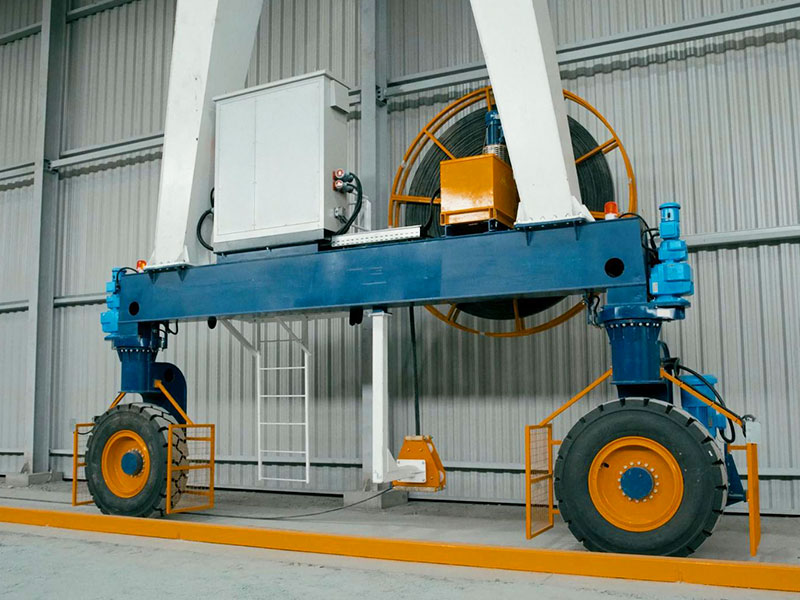
Cable Reel Power Solution
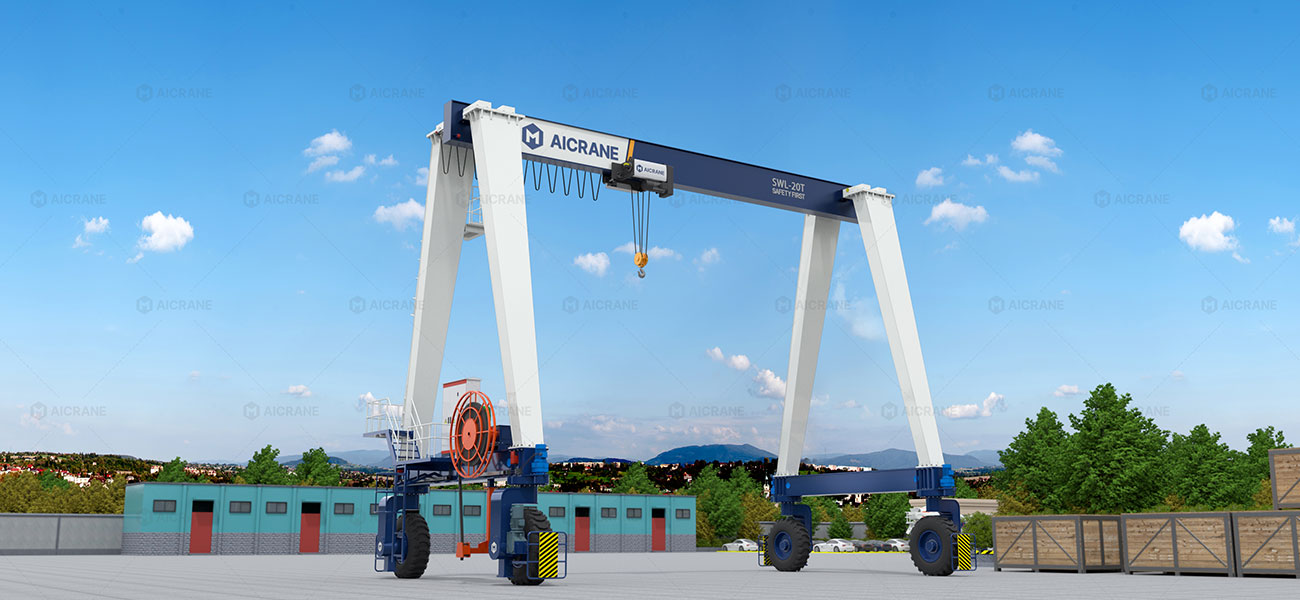
Cable reel powered rubber tyred gantry cranes receive electricity directly from the grid through a cable reel system. This configuration is suitable for yards with fixed operating areas, established travel paths, and continuous handling requirements where a stable power supply is available.
- Stable Power Supply for Continuous Operation: Direct connection to the electrical grid provides consistent power for long-duration handling cycles, making cable reel RTG cranes suitable for operations involving frequent lifting, trolley movement, and gantry travel.
- Lower Operating Costs Through Grid Power: By using available electrical infrastructure instead of fuel-based power generation, cable reel RTG cranes can help reduce daily fuel consumption and operating costs, especially in areas with reliable electricity supply.
- Simplified Maintenance with Electric Drive Systems: Electric drive configurations eliminate many maintenance requirements associated with traditional fuel-powered systems, helping reduce service needs and improve equipment availability.
- Suitable for Fixed Yard Layouts: Cable reel systems are particularly suitable for terminals and industrial yards with dedicated operating zones where predictable crane movement patterns can be maintained.
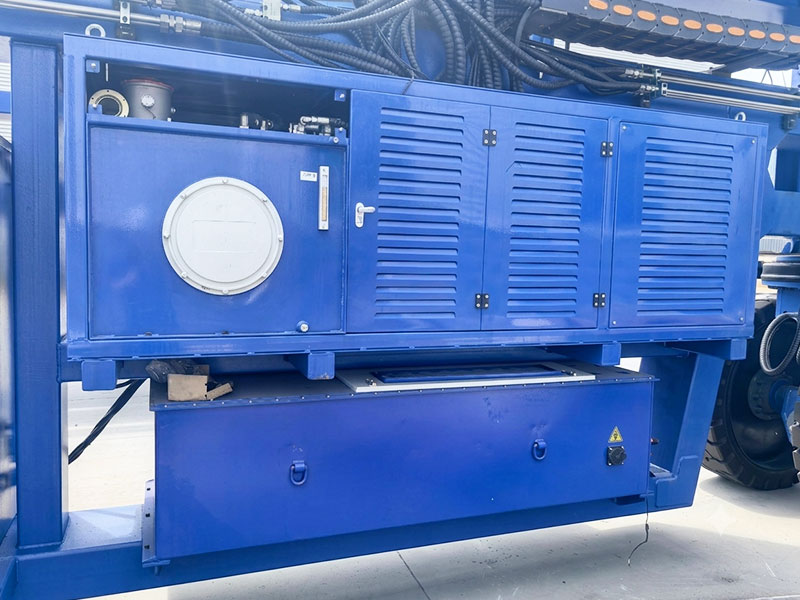
Battery Power Solution
Battery-powered rubber tyred gantry cranes use onboard energy storage systems to provide electric power for material handling operations. This configuration combines reduced emissions with greater operational flexibility, making it suitable for yards with changing layouts or multiple operating areas.
- Flexible Operation Across Multiple Yard Areas: The onboard power system allows battery-powered RTG cranes to operate without fixed power connections, supporting applications that require greater mobility within the working area.
- Reduced Emissions and Operating Noise: Battery-powered operation eliminates direct exhaust emissions during crane operation and helps reduce noise levels, contributing to improved working conditions and lower local environmental impact.
- Energy Management and Regenerative Integration: Battery-powered RTG systems can integrate energy monitoring and regenerative technologies, such as energy recovery during braking or load lowering, to improve overall energy utilization.
- Independent Power Supply Without Fixed Connections: The self-contained power system provides greater flexibility for yards where installing permanent electrical infrastructure is difficult or where operational requirements frequently change.
Electric power solutions are an important step toward more sustainable RTG operations by reducing emissions and improving energy efficiency. However, long-term sustainability also depends on equipment durability, component reliability, and maintenance performance throughout the crane’s service life.
RTG Crane Engineering Design for Long-Term Reliability
For heavy-duty rubber tyred gantry operations, equipment lifespan, maintenance requirements, and operational reliability directly influence lifecycle performance. A crane designed for repeated loading cycles, harsh outdoor environments, and continuous operation can reduce unnecessary repairs, improve availability, and maximize long-term equipment value.
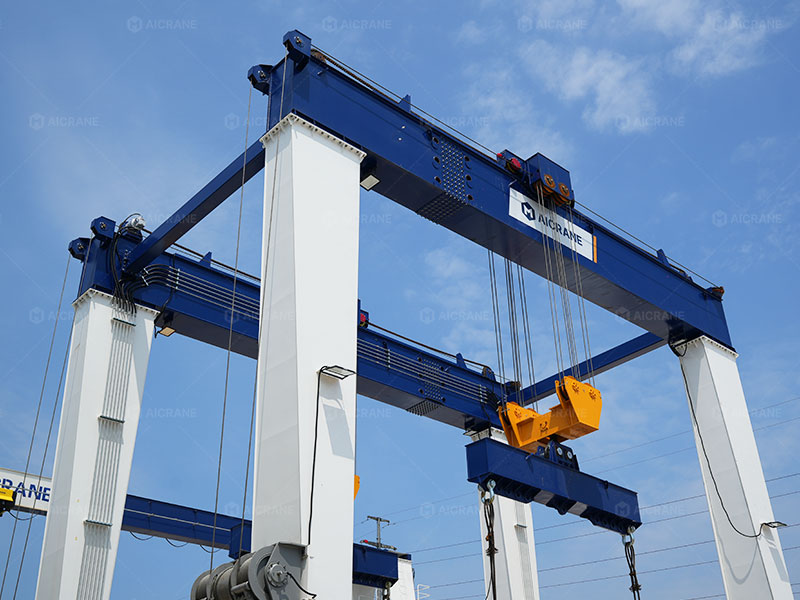
Durable Structural Design for Extended Service Life
- Structural Design Based on Actual Working Loads: The steel structure is designed according to the crane’s working conditions, including lifting capacity, operating frequency, and load cycles. This helps ensure sufficient strength while avoiding unnecessary structural weight.
- Fatigue Resistance for Repeated Operations: Since RTG cranes experience continuous loading and unloading cycles, critical stress areas are considered during the design process to reduce fatigue risks. This helps minimize structural cracks, reinforcement work, and unexpected downtime during long-term operation.
- Protection for Outdoor and Harsh Environments: RTG cranes are commonly used in open yards exposed to rain, humidity, dust, and coastal salt spray. Appropriate surface protection and corrosion-resistant measures help maintain structural reliability and extend service life in demanding environments. Learn more about how RTG cranes adapt to different environments under various operating conditions.
Reliable Components for Reduced Maintenance Requirements
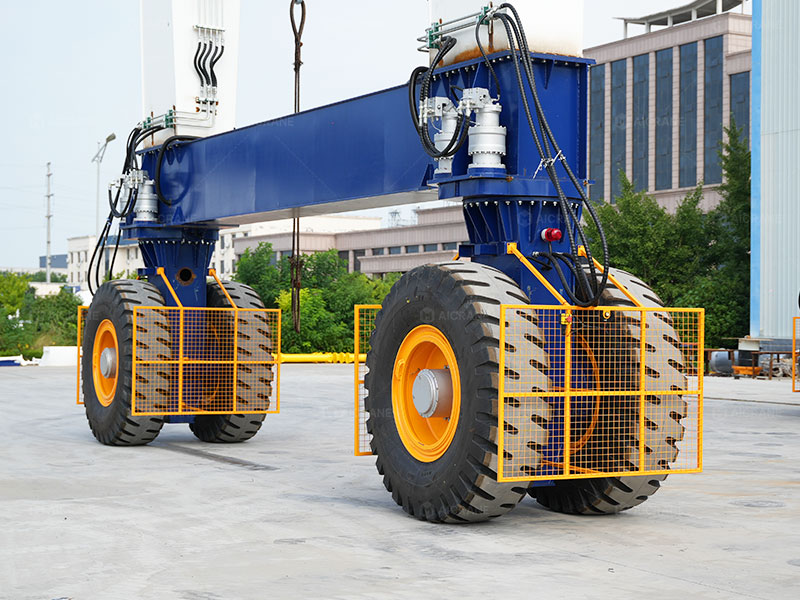
- Reliable Drive Systems for Heavy-Duty Operation: Travel, rotating, and lifting mechanisms are equipped with reliable drive components designed for repeated industrial operation. Stable power transmission and coordinated control help maintain smooth movement and reduce unnecessary mechanical stress during daily handling cycles.
- Protection of Key Mechanical Components: Small design details also contribute to long-term reliability. Exposed gears and mechanical drive parts are equipped with protective covers to reduce lubricant leakage risks, prevent dust and moisture contamination, and improve safety around moving mechanisms.
- Protected Electrical System Layout: Electrical components and cables are arranged with consideration for outdoor operating conditions. Protected routing and organized layouts help reduce damage risks, simplify inspection, and improve the service life of electrical systems.
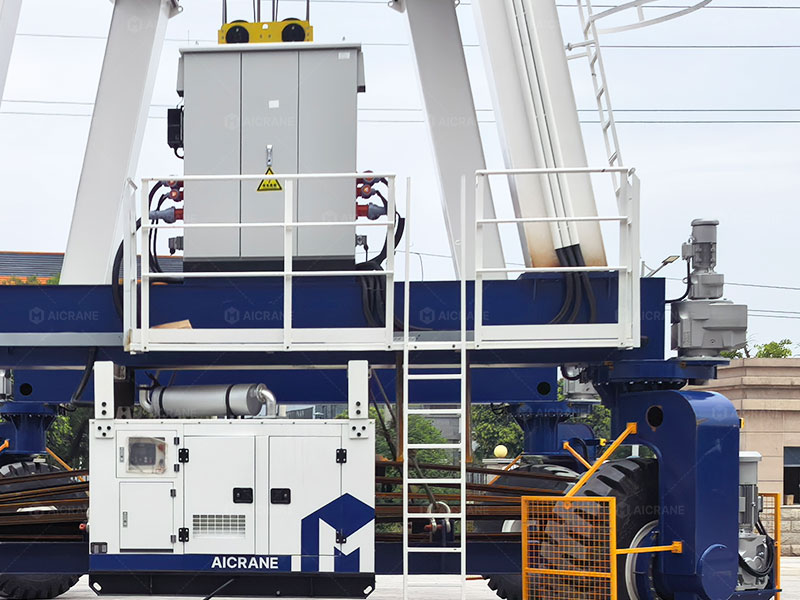
Maintenance-Friendly Design for Efficient Lifecycle Operation
- Easier Inspection and Service Access: Key maintenance points are arranged to support routine inspection and servicing, allowing potential issues to be identified earlier before developing into larger failures.
- Reduced On-Site Adjustment and Installation Work: Factory pre-assembly and testing of key systems help reduce complex adjustment work during installation and commissioning, improving installation efficiency and reducing unnecessary rework.
Selecting the Right Rubber Tyred Gantry Crane Solution for Sustainable Operations
Selecting a sustainable RTG solution means finding the right balance between energy efficiency, environmental requirements, and operational reliability. The most suitable configuration should support your daily handling process while helping reduce unnecessary energy consumption and long-term resource use.
Identify Your Main Sustainability Priorities
Different operations may have different sustainability objectives. Some companies focus on reducing energy consumption, while others may prioritize lower local emissions, improved working conditions, or reduced maintenance requirements.
When defining your goals, consider:
- Whether reducing energy consumption is a key priority
- Whether environmental regulations or workplace conditions require lower emissions and noise levels
- Whether improving equipment reliability and service life is important for long-term operation
Clear priorities help ensure the selected rubber tyred gantry crane solution supports both operational needs and sustainability targets.
Evaluate Your Site Infrastructure and Operating Conditions
The working environment has a significant influence on the suitability of an RTG solution.
Key factors include:
- Available power infrastructure
- Yard layout and operating space
- Weather and environmental conditions
- Possibility of future expansion or operational changes
A well-matched RTG solution should adapt to existing site conditions while allowing flexibility for future development. Learn more about how RTG cranes adapt to different site conditions.
Match the RTG Solution with Your Handling Requirements
Sustainability is closely related to how efficiently equipment performs daily tasks. An RTG rubber tyred gantry crane should be selected based on the actual handling process rather than only rated capacity.
Important considerations include:
- Daily operating hours
- Handling frequency
- Load characteristics
- Required movement patterns
- Expected productivity level
Selecting a solution that fits the real workflow helps avoid unnecessary energy consumption and improves overall operational efficiency.
Consider Long-Term Lifecycle Performance
The initial purchase decision is only one part of the total value of a rubber tyred crane. Long-term performance depends on energy use, maintenance requirements, equipment reliability, and service life.
When evaluating different solutions, consider:
- Expected operating lifespan
- Maintenance accessibility
- Spare parts requirements
- Long-term operating costs
A properly matched RTG solution can provide reliable handling performance while supporting more efficient and responsible operation throughout its lifecycle.
Build a More Sustainable RTG Crane Solution for Your Operation
Aicrane provides customized rubber tyred gantry crane solutions designed to improve energy efficiency, reduce operational emissions, and enhance long-term equipment value. From electric power options to reliability-focused engineering design, our RTG solutions are developed to support efficient and sustainable yard operations across different applications.
Contact Aicrane to discuss your project requirements and find the right RTG solution for your operation.