


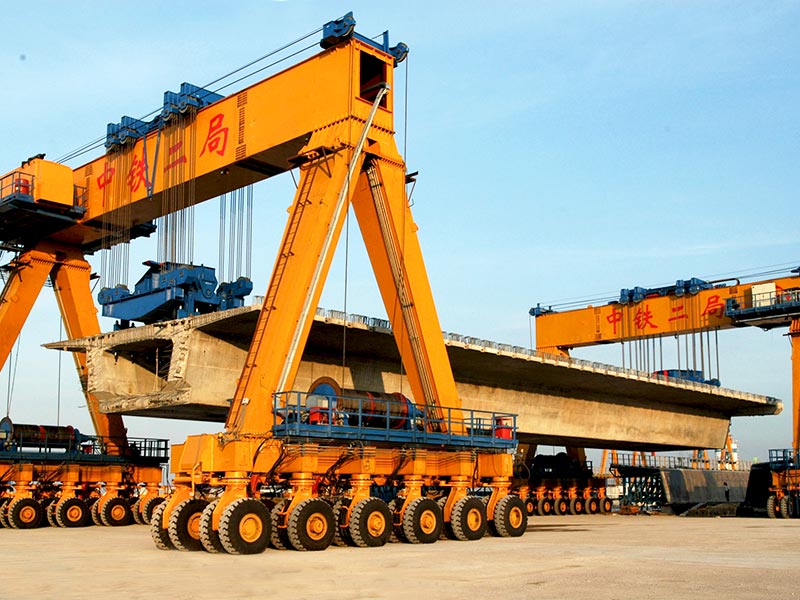
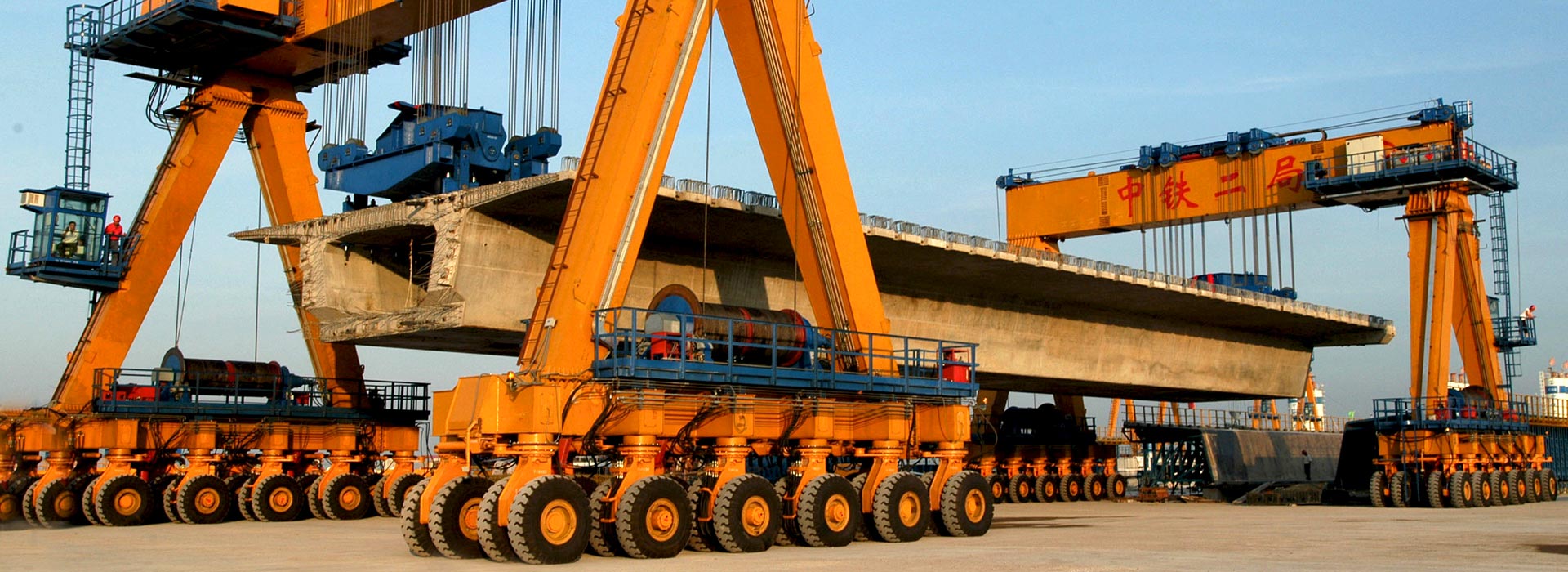
In many precast beam yards, girders are becoming longer and heavier, making single-crane lifting increasingly difficult to keep stable and safe. Even when capacity is sufficient, long concrete elements often experience deflection and uneven stress during lifting. In such cases, multi-crane coordinated synchronized lifting provides a controlled way to handle large precast components safely and reliably.
Why Multi-Crane Synchronization is Necessary for Precast Beam Yards
In modern precast concrete yard operations, single-crane lifting is often pushed to its practical limits when handling large, heavy, or long-span concrete components. As girder size and weight increase, several operational constraints begin to appear in real working conditions, affecting both safety and productivity.
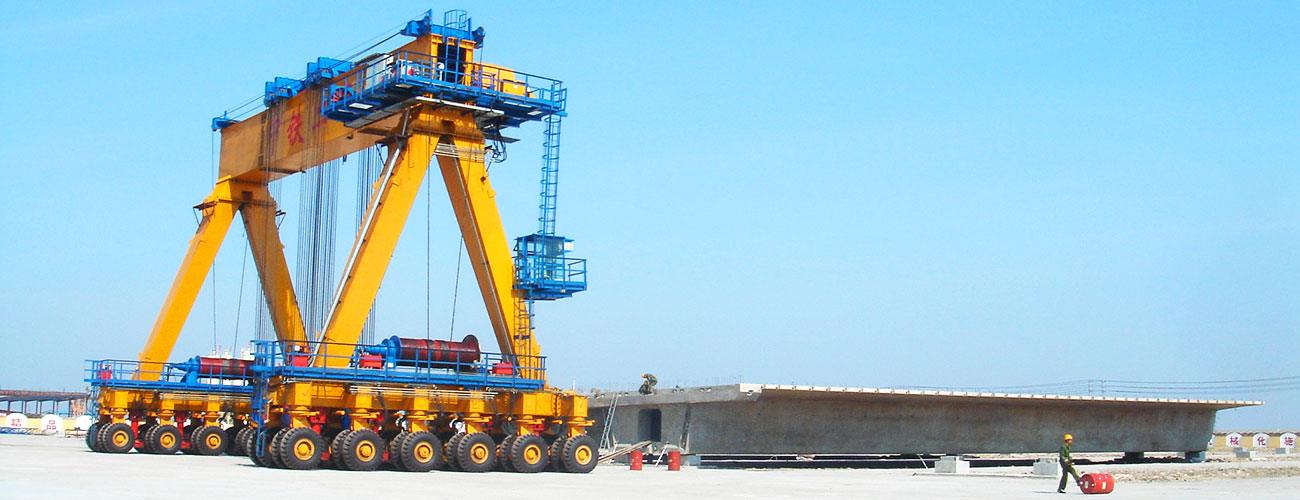
Structural deflection in long-span girders
For long precast girders, maintaining structural stability during lifting becomes a key challenge.
When lifting points are limited, a single crane may introduce uneven force distribution along the span. This often results in mid-span deflection, increasing internal stress and potentially causing cracking or permanent deformation before installation.
Capacity limits and dynamic load behavior
For heavy precast components approaching 100-500+ ton levels, single-crane operation often works close to rated capacity.
In this condition, even small variations in hoisting speed or motor torque can lead to load fluctuations during lifting. These dynamic changes may reduce operational stability and increase the risk of overload protection activation, affecting production efficiency.
Horizontal stability during yard transfer
In precast concrete yards, girders must be transported between casting, storage, and loading areas.
Long components are sensitive to external forces such as wind or uneven crane travel speed. When handled by a single gantry crane, this can lead to swing or torsional movement, requiring slower operation to maintain safety and avoid collisions, which reduces overall yard throughput.
Precision requirements in alignment and positioning
During stacking or positioning processes, precast components often require accurate alignment with tight tolerances.
With single-crane or manually coordinated lifting, slight differences in hook height or movement timing can lead to angular misalignment. This increases the need for repeated adjustments during final positioning, affecting installation efficiency and accuracy.
Across all these scenarios, the core limitation of single-crane operation is not only lifting capacity, but also the inability to maintain stable load distribution and precise motion control during dynamic lifting conditions. This is where multi-crane synchronized lifting becomes a practical engineering solution in modern precast beam yard operations.
How Multi-Crane Synchronized Lifting Addresses These Challenges
Building on the operational limitations of single-crane lifting in precast concrete beam yards, multi-crane synchronized lifting is implemented as a coordinated system that integrates load distribution, motion synchronization, and real-time control to ensure stable handling of large precast concrete components.
Distributed load sharing for structural stability
For long-span precast girders, the lifting system is configured with multiple lifting points arranged along the structural length of the beam.
Instead of concentrating force at limited points, the total load is distributed across several cranes. Each crane operates within a defined load range, helping to reduce bending moments and maintain geometric stability during hoisting.
Synchronized hoisting control for dynamic load stability
During lifting operations, all cranes are controlled to maintain synchronized hoisting speed and hook displacement.
A centralized control system continuously compares actual movement between cranes and corrects deviations in real time. This reduces load fluctuation, especially when handling components operating close to rated lifting capacity.
Coordinated travel control for safe yard handling
For horizontal movement across casting, storage, and loading zones, cranes operate under synchronized travel control.
Acceleration and deceleration are matched across all units to prevent differential motion between lifting points. This helps minimize swing, torsion, and impact forces during transport of long precast elements.
Geometry control for precise positioning
During stacking and final placement, the system maintains consistent hook height and lifting geometry across all cranes.
This ensures stable component attitude during lowering, reducing angular deviation and improving alignment accuracy before final installation.
Multi-crane synchronized lifting integrates multiple independent cranes into a single coordinated system through load sharing and closed-loop motion control, ensuring stable handling of precast elements during lifting, transfer, and positioning.
This capability is achieved through an integrated system of straddle carriers, sensors, and centralized control units, which will be detailed in the next section on system configuration.
Synchronized Lifting System Configuration for Precast Beam Yards
In precast beam yard operations, multi-crane synchronized lifting relies on an integrated set of systems that allow multiple gantry cranes to work together on long and heavy precast components during lifting, transfer, and stacking activities.
Real-time load monitoring system
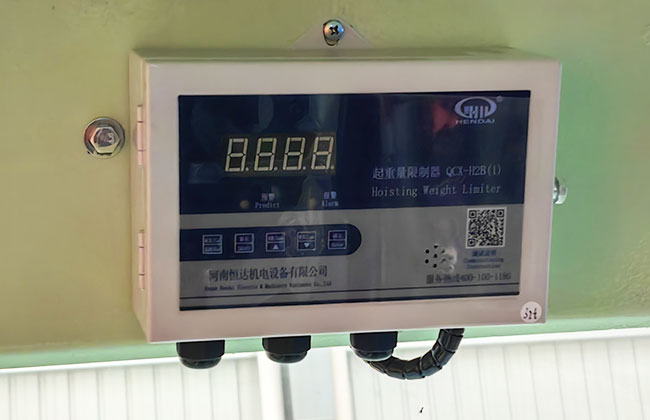
During key operations such as demolding precast girders from the casting bed or lifting heavy beams from storage, each straddle crane is equipped with load cells at the hoisting points to monitor lifting force in real time.
These measurements are continuously transmitted to the control system. Based on this feedback, the system adjusts hoisting output to maintain balanced load distribution between cranes, helping prevent uneven stress on long-span girders and reducing overload risk on individual cranes.
Centralized synchronization control system
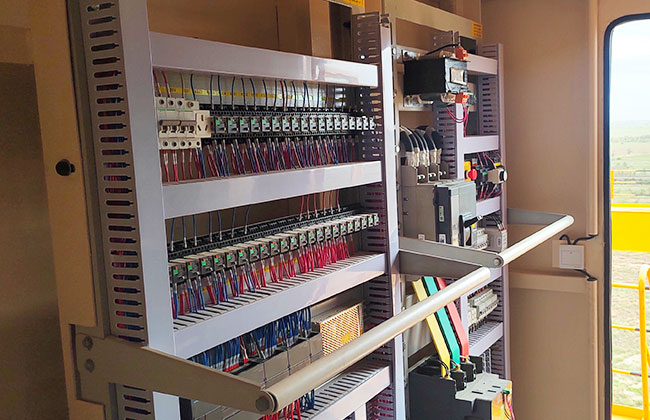
During lifting and placement of large precast components, multiple cranes are coordinated through a centralized PLC-based control system, typically configured in a master-slave mode.
This allows all cranes to operate with the same lifting speed and synchronized hook movement. In practical yard conditions, this ensures that long girders remain level during lifting, transfer, and final positioning, reducing the risk of tilt or misalignment.
Frequency-controlled drive system
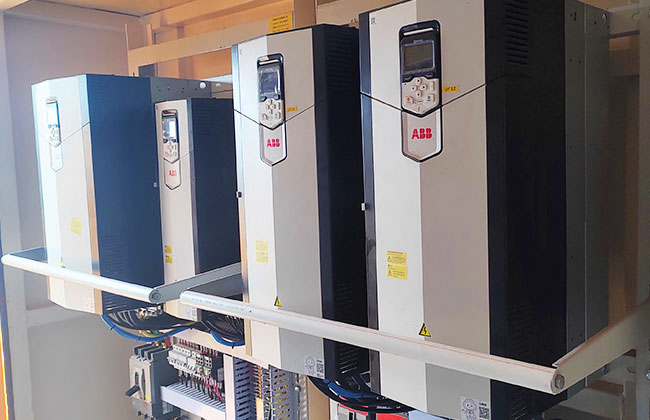
During horizontal transfer between casting areas, storage zones, and loading points, crane travel and hoisting motions are regulated by frequency inverter systems.
This enables smooth acceleration and deceleration, reducing sudden force changes on the precast element. As a result, swing and vibration are minimized when moving long-span girders across the yard, even under varying ground conditions or operational environments.
Industrial communication system
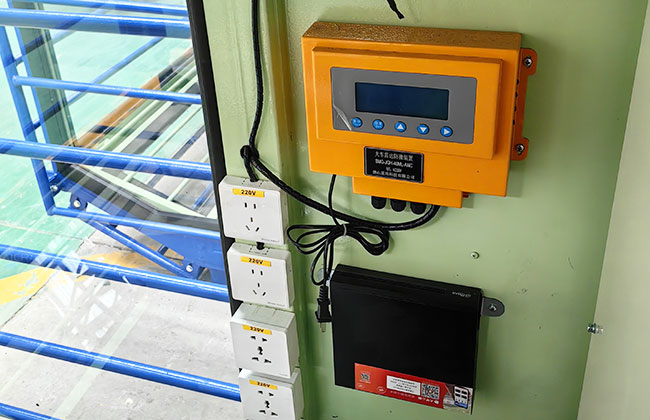
During synchronized lifting operations, all precast beam cranes are connected through a high-speed industrial communication network.
This ensures stable and real-time data exchange between cranes during lifting, travel, and positioning. In case of communication disturbance, the system is designed to trigger a controlled safety response to maintain operational stability and protect the load.
Future Trends: The Evolution of Synchronized Lifting in Precast Beam Yard
As precast beam yards continue to handle larger and heavier structural components, synchronized lifting systems are gradually evolving toward more precise control, higher operational stability, and improved coordination efficiency. The development focus is not a radical change in technology, but an improvement in how multiple cranes respond together under dynamic lifting conditions in real yard environments.
From basic synchronization to more precise coordinated motion control
Traditional multi-crane systems mainly ensure that cranes move at similar speeds and maintain consistent hook height during lifting operations.
In modern applications, the control focus is shifting toward more precise coordinated motion, where small differences in crane response are continuously adjusted to improve stability during long-span beam handling.
This helps maintain smoother load behavior during transfer between casting, storage, and installation areas.
Improved load monitoring across multiple lifting points
Conventional systems typically monitor load at individual crane hooks to ensure safe operation.
Newer developments place greater emphasis on real-time load distribution awareness across all lifting points, allowing operators to better understand how forces are shared during lifting and movement.
This is especially important when handling long or uneven precast beams, where load distribution may change during hoisting and travel.
More robust and fault-tolerant control systems
To support continuous operation in high-frequency precast production environments, synchronized lifting systems are increasingly designed with more stable and fault-tolerant control structures.
This includes improved communication reliability between rubber tyred cranes and more stable control response in case of partial system interruption, helping reduce unplanned downtime in yard operations.
More efficient crane coordination in repetitive yard operations
Rather than focusing only on single lifting events, modern beam yard operations are increasingly optimized for repeated lifting cycles.
The trend is toward smoother coordination during daily handling tasks such as demolding, storage transfer, and dispatch loading, with less manual adjustment required between repeated operations.
This improves overall consistency of crane performance in long-term yard production workflows.
Broader Applications of Synchronized Lifting Systems
While widely used in precast beam yard operations, synchronized lifting systems are also applied in other heavy lifting scenarios where long-span, oversized, or flexible components require controlled multi-point handling.
Long-span steel structure handlingIn steel fabrication and installation, long steel beams require multiple lifting points to prevent deformation during lifting and positioning. Synchronized lifting improves load stability and control accuracy when handling large structural members beyond the reach of single-crane operations.
Wind turbine blade lifting and installationWind turbine blades are long and flexible components that are sensitive to uneven force during lifting. Multi-crane coordination is applied in selected installation scenarios to ensure controlled movement and reduce stress during handling and positioning.
Large modular equipment liftingIn modular construction projects, large equipment modules require precise alignment during lifting and installation. Synchronized lifting helps maintain balanced load distribution and improves positioning accuracy during final assembly.
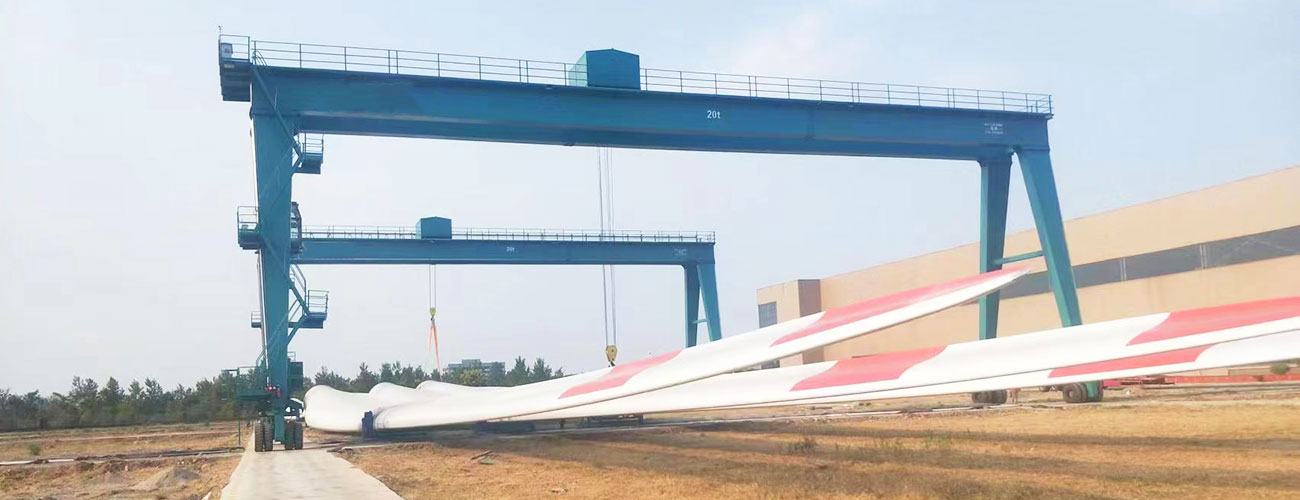
Multi-crane synchronized lifting provides a practical engineering approach for improving load stability and coordination in precast beam yard operations and other large-scale lifting applications. It enables safer and more controlled handling of heavy structural components under real working conditions.
As project scales continue to grow, synchronized lifting systems will remain an important method for managing complex lifting tasks in modern construction and industrial applications. For customized synchronized lifting solutions for large-scale projects, please contact Aicrane.