


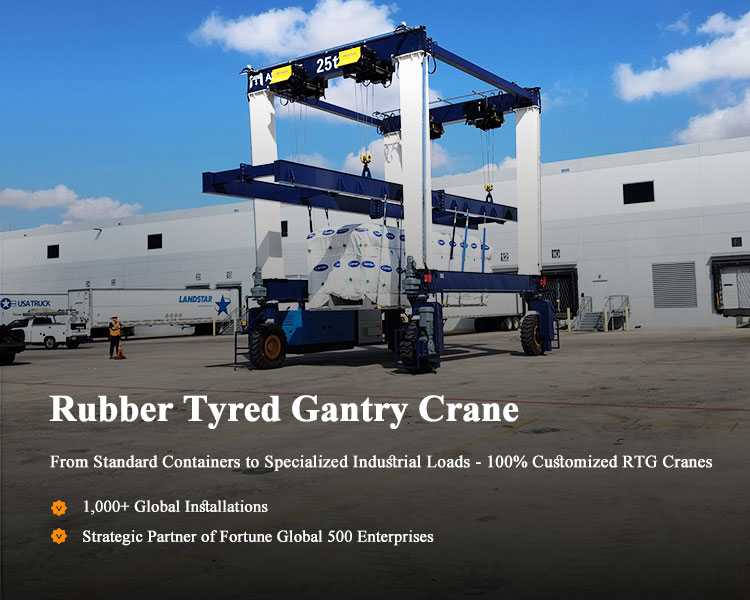
From Standard Containers to Specialized Industrial Loads – 100% Customized RTG Cranes
- 1,000+ Global Installations
- Strategic Partner of Fortune Global 500 Enterprises
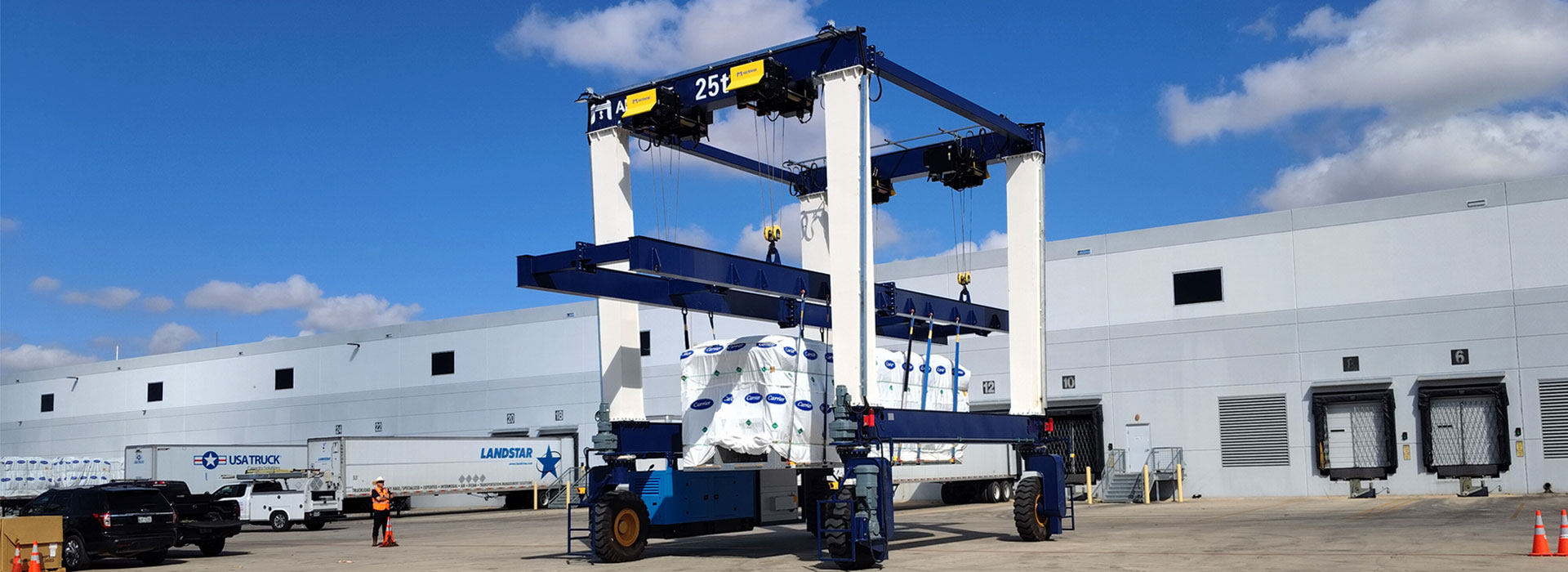
Are these challenges slowing down your operations – changing worksite layouts, heavy loads across multiple zones, or high foundation costs and tight project timelines? Aicrane Rubber Tyred Gantry (RTG) Cranes are mobile, rail-free solutions designed for flexible lifting in industrial yards, precast plants, shipyards, ports, and temporary or dynamic projects.
✔ Rail-free mobility for fast deployment
✔ Custom spans and lifting capacities
✔ Multiple steering modes for narrow or dynamic sites
Structural Configurations of Mobile Rubber Tyred Gantry Cranes
Single Girder Rubber Tyred Gantry Crane for Sale
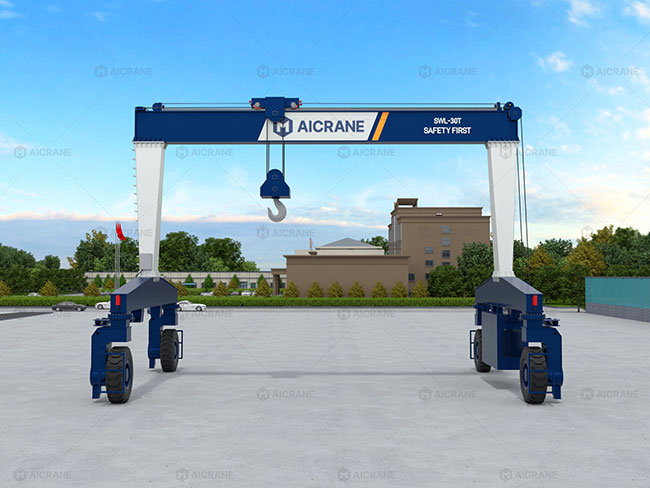
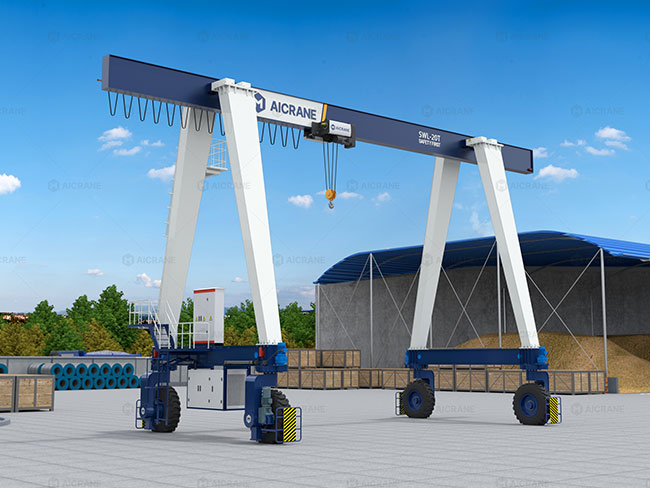
The single girder rubber tyred gantry crane features one main overhead box beam supported by gantry legs, providing a compact and lightweight lifting solution with reduced wheel loads and overall structural weight.


Structural Characteristics:
- Single main box girder design with suspended hoist system.
- Available with vertical pillar legs or inclined A-frame legs for improved stability.
- Optional cantilever design allows lifting outside the tire track area.
- Designed for ISO A3-A5 duty classifications.
Key Advantages:
- Lower self-weight and reduced ground pressure.
- More cost-effective investment compared to double-girder systems.
- Easier installation and simpler maintenance requirements.
- Suitable for sites with limited foundation load capacity.
Typical Applications:
- Steel Logistics: Handling of structural steel components and heavy plates.
- Precast & Manufacturing: Moving concrete molds, precast elements, and machinery parts.
- Yard Storage: General material handling in warehouses and open-air logistics yards.
Technical Parameters:
- Lifting capacity: 10-150t (Customizable)
- Span: 5-20m (Customizable)
- Lifting height: 6-12m (Customizable)
Double Girder Rubber Tyre Gantry Crane for Sale
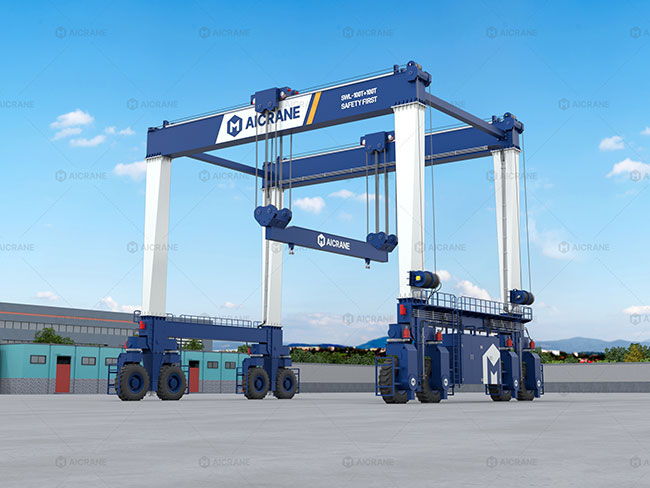
The double girder rubber tired gantry crane is designed for heavy-duty lifting operations. It uses two parallel main box girders to achieve higher structural rigidity, greater load capacity, and improved stability under continuous or uneven loading conditions.



Structural Characteristics:
- Twin-girder structure with high torsional rigidity.
- Hoist trolley runs on top of the girders, increasing hook height.
- Available in A-frame or U-type leg configurations. U-type design provides open clearance for long or oversized cargo.
- ISO A3-A8 duty classifications available for heavy industrial use.
Key Advantages:
- Higher lifting capacity for demanding operations.
- Greater lifting height due to top-running trolley design.
- Improved stability for long, heavy, or unbalanced loads.
- Suitable for high-frequency and continuous working cycles.
- Better adaptability for oversized cargo handling.
Typical Applications:
- Steel Yards: Efficient handling of heavy structural steel, coils, and plates.
- Precast Concrete Plants: Moving massive concrete elements and structural segments.
- Heavy Manufacturing: Transporting oversized components within heavy industrial facilities.
- Logistics & Shipyards: Large-scale material handling in terminals and shipyard environments.
Technical Parameters:
- Lifting capacity: 20-500t (Customizable)
- Span: 5-30m (Customizable)
- Lifting height: 6-30m (Customizable)
How We Customize Your Rubber Tyred Gantry Crane
Every Aicrane rubber tired gantry crane for sale is fully customizable to match your specific loads, site conditions, and operational requirements. Explore our key customization options below:
Multiple Steering Modes – Adaptable to Any Job Site
Aicrane rubber tyred gantry cranes feature advanced, fully customizable steering systems designed to maximize maneuverability and site adaptability. Multiple steering modes allow precise movement across any layout, from tight yards to large multi-bay sites.
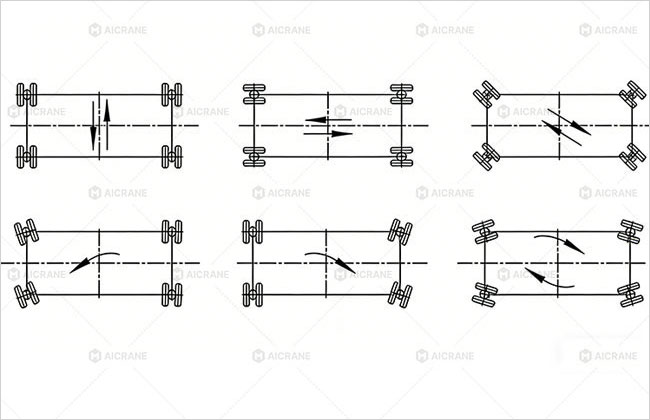
- Straight Travel: Standard forward/backward movement for conventional operations.
- Crab Steering: Diagonal movement for precise positioning of loads.
- 90° Transverse Steering: Sideways movement to navigate confined spaces.
- Zero-Radius Turning: Pivot on the spot for maximum flexibility in narrow areas.
- Ackermann Steering: Automotive-style front-wheel steering for smooth arcs and better control on curves.
- Anti-Slip Steering Design: Integrated anti-slip system with electronically coordinated wheels to maintain traction and directional stability on wet, uneven, or inclined surfaces.
The video below demonstrates the different steering modes of the RTG crane:
Lifting Attachments – Tailored to Handle Every Load Type
Rubber tyre gantry cranes can be equipped with a wide variety of customizable lifting attachments to safely, efficiently, and precisely handle any load – regardless of size, shape, or weight.
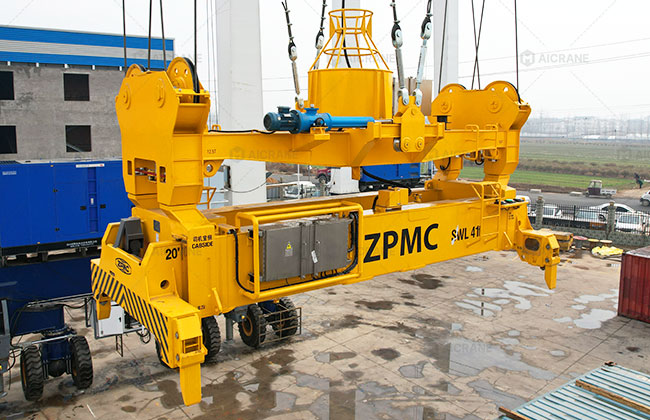
- Standard Hooks: Basic hook attachments for general lifting tasks, suitable for diverse cargo types and flexible load handling.
- Spreader Beams: Used for lifting long or wide loads such as steel beams, pipes, or precast concrete elements.
- C-Hooks: Ideal for coils, rolls, or cylindrical objects, providing secure grip and safe handling in metal processing or manufacturing plants.
- Hydraulic Clamps: Designed for lifting flat objects like slabs, panels, or steel plates.
- Container Spreaders: Specialized for 20ft and 40ft ISO containers, with twist-lock or automatic locking mechanisms for safe and fast container handling.
- Electromagnetic Lifters: Ideal for handling steel plates, billets, or other ferrous materials.
Power Supply Options – Customized for All Working Environments
Aicrane rubber tired gantry crane for sale is designed to operate efficiently across diverse environments, from fully equipped industrial yards to remote or temporary sites. Multiple power supply options ensure smooth, reliable, and cost-effective operation tailored to your specific conditions.
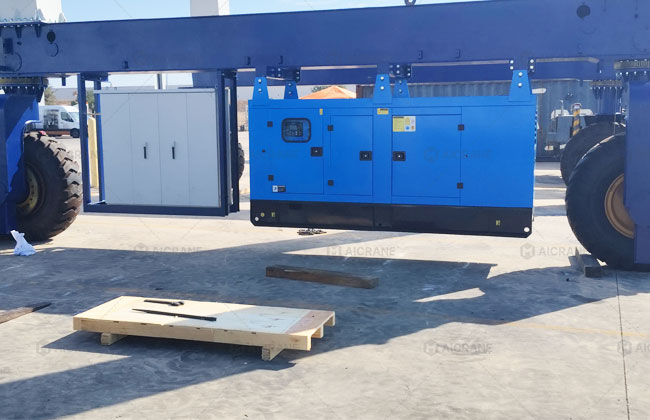
- Diesel Engine Units: Provide high mobility and independence from external power sources, ideal for remote or outdoor sites where electrical infrastructure is limited.
- Cable Reel Power: Continuous electric supply via cable reel, ensuring stable operation for long shifts in fixed-yard applications with available grid power.
- Battery Packs: Offer clean, quiet, and eco-friendly operation, suitable for indoor facilities, sensitive industrial zones, or areas with strict emission regulations.
Custom Drive Mechanism – Power That Fits Your Workload
Aicrane pneumatic tire gantry cranes can be equipped with either electric or hydraulic drive systems, depending on your operational demands, site conditions, and load characteristics.
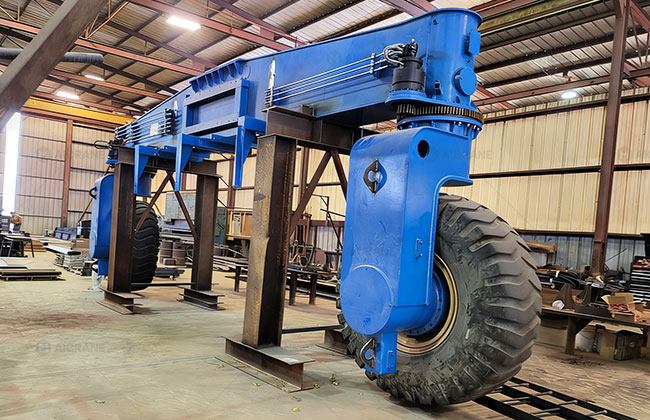
- Hydraulic Drive System: Offers high torque and smooth acceleration, perfect for heavy-duty lifting, uneven terrain, or applications requiring robust load handling under challenging conditions.
- Electric Drive System: Provides precise speed control, energy efficiency, and low maintenance, ideal for standard lifting operations in fixed or semi-fixed sites with stable power supply.
Control Systems & Operation Modes – Smart, Safe, and User-Friendly
To ensure precise load handling, operator flexibility, and enhanced safety, rubber tyred gantry cranes are equipped with advanced control systems and multiple operation modes.

- Remote Control: Wireless operation allows the operator to move freely around the job site, ideal for tight spaces or areas requiring close supervision of the load.
- Cabin Operation: Ergonomically designed operator cabin with full visibility and advanced controls, enhancing comfort and efficiency during long shifts.
- PLC/Automatic Control: Programmable logic controller systems enable semi-automated or fully automated lifting cycles, load positioning, and path tracking, reducing operator workload and increasing consistency.
Environmental Adaptability – Ready for Any Working Environment
Aicrane rubber tyre gantry cranes are designed to perform reliably in diverse environmental conditions, ensuring safe and efficient operations no matter the climate or terrain.
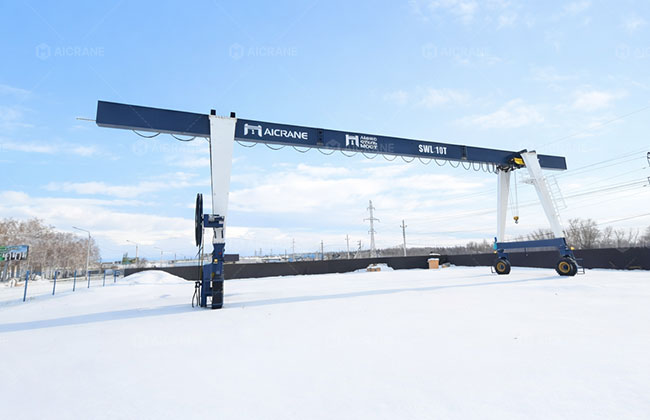
- Temperature Adaptation: Operates smoothly in extreme cold or hot conditions, from -40°C to +50°C, with specialized lubricants and material selection.
- Weather Resistance: Corrosion-resistant coatings and sealed components for rain, snow, or coastal environments.
- Terrain Flexibility: Pneumatic tires and adjustable drive systems allow stable movement on uneven, sloped, or soft ground.
- Dust & Debris Protection: Enclosed electrical and hydraulic components reduce maintenance in dusty or sandy sites.
- Wind Load Adaptation: Structural design and anchoring options ensure safe lifting under high wind conditions, suitable for outdoor yards or coastal ports.
Smart Features & Safety Devices – Lift Smarter & Safer
Aicrane RTG rubber tire gantry crane for sale can be equipped with intelligent features and multi-level safety systems designed to optimize lifting performance and protect people, products, and equipment.

- Anti-Collision Systems: Radar or laser-based detection prevents collisions between cranes, obstacles, and structures.
- Overload Protection: Sensors monitor load weight in real-time, preventing lifting beyond rated capacity and reducing risk of accidents.
- Real-Time Monitoring & Diagnostics: Integrated PLC and IoT-enabled systems provide live data on crane performance, usage hours, and maintenance alerts for proactive management.
- Anti-Sway Control: Minimizes load swing during hoisting and traveling, improving accuracy and safety, especially for tall or elongated cargo.
- Emergency Stop & Safety Interlocks: Multiple emergency stop buttons and safety interlocks allow immediate response to hazards.
How RTG Cranes Solve Industry-Specific Handling Challenges
Precast Concrete & Modular Construction RTG Cranes
Precast and modular construction facilities require continuous handling of heavy structural elements and volumetric modules during casting, demolding, and yard stacking.
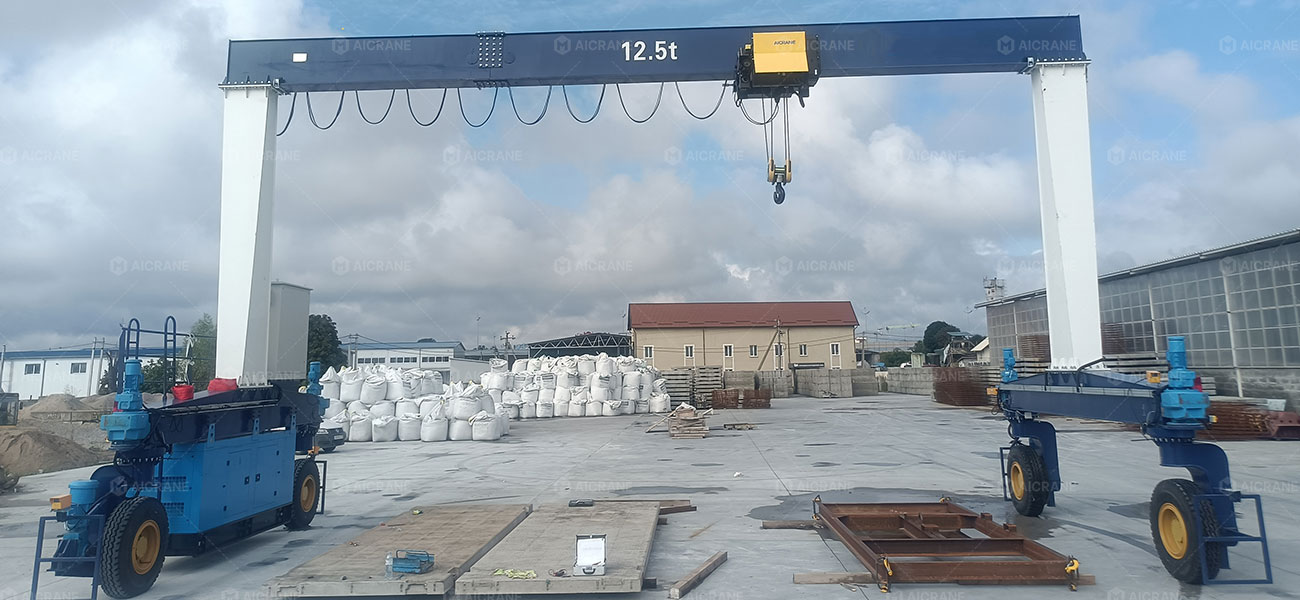
Engineering Challenge:
- Vertical demolding of massive volumetric modules without causing structural cracking or deformation.
- Handling long-span components or asymmetric modules with uneven centers of gravity.
- High positioning accuracy required for tight mold alignment and dense yard stacking.
RTG Technical Solutions:
- Adjustable lifting beams or spreader frames integrated into the RTG crane for balanced lifting of long concrete elements.
- High-precision hoisting drives for controlled positioning during delicate mold handling.
Container & Intermodal Terminal RTG Cranes
Port and container terminals operate under high-frequency, standardized lifting cycles with strict efficiency and yard space utilization requirements.
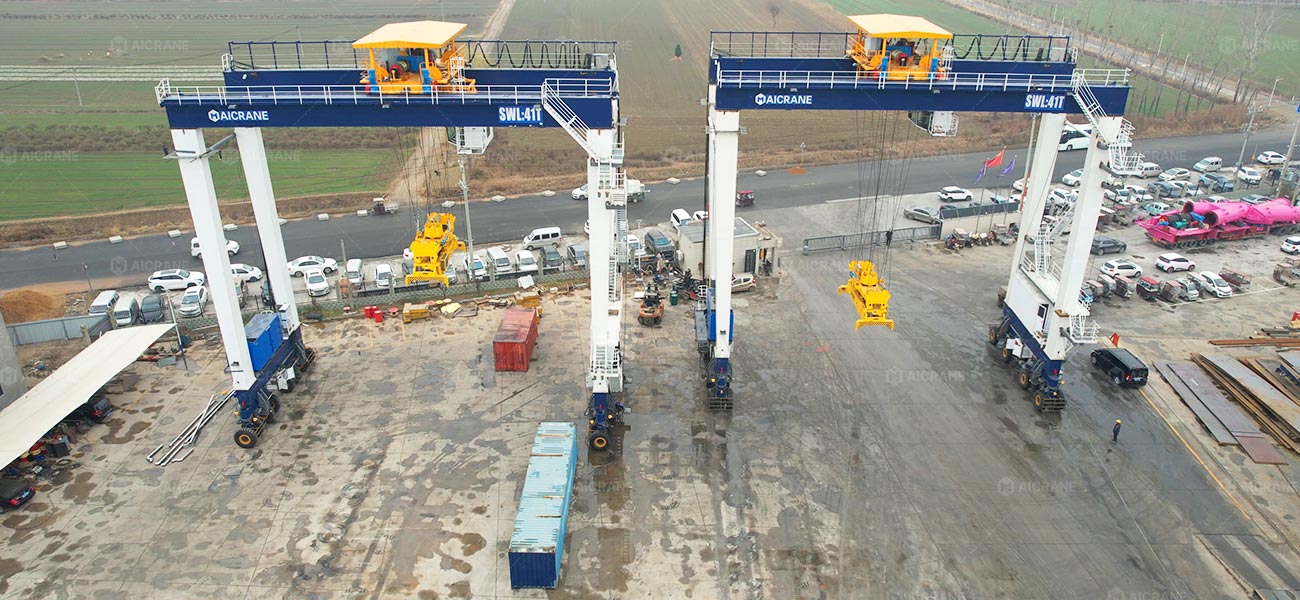
Engineering Challenge:
- Continuous, 24/7 loading and unloading of ISO standard containers.
- Narrow yard lanes requiring extreme equipment maneuverability.
- High stacking precision under accelerated working cycles.
RTG Technical Solutions:
- Dedicated telescopic container spreaders compatible with 20ft, 40ft, and 45ft ISO containers.
- Multi-mode RTG steering systems (straight, crab, 90° rotation) for flexible yard movement and lane changes.
- Electronic anti-sway control systems to stabilize containers instantly during lifting and stacking.
Steel Processing & Distribution Yard RTG Cranes
Steel service centers require reliable heavy lifting systems for dense, irregular, and high-impact material handling.
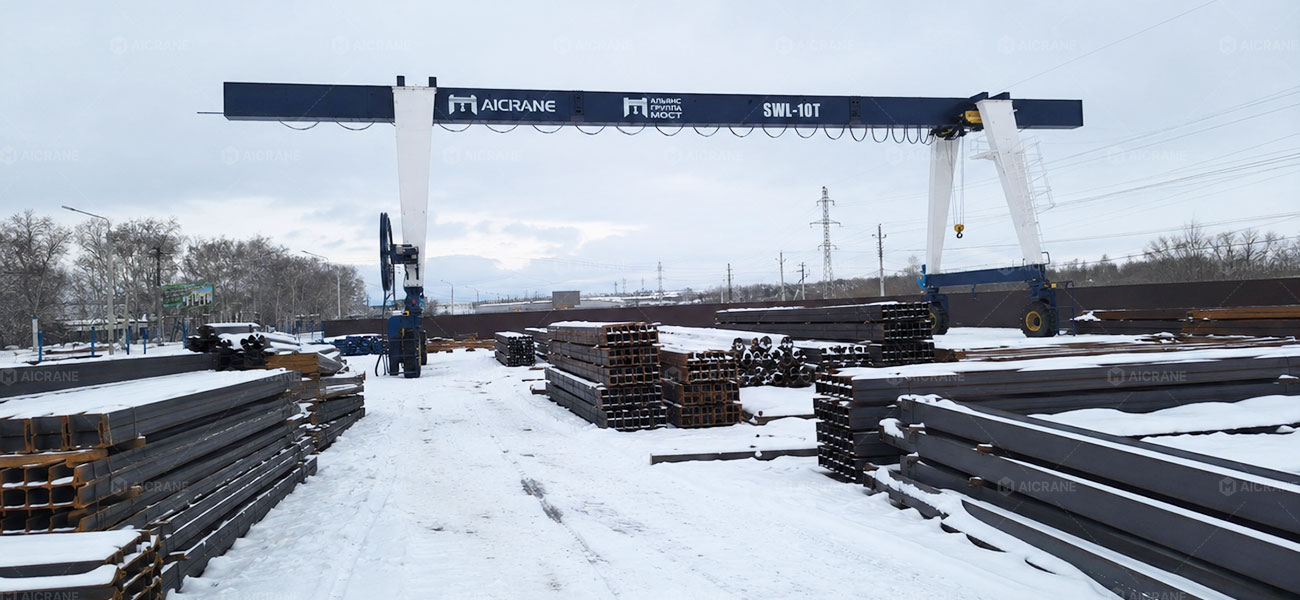
Engineering Challenge:
- Moving heavy structural steel coils, plates, and bundled profiles.
- Handling unbalanced load centers during rapid inventory shuffling.
- Withstanding harsh, continuous outdoor working conditions.
RTG Technical Solutions:
- Custom compatibility with C-hooks, hydraulic clamps, and electromagnetic beams on the RTG hoist.
- Reinforced RTG structures engineered to resist dynamic, concentrated loads.
- High-capacity heavy-duty hoisting machinery rated for intensive work cycles.
- Multi-layer anti-corrosion coating systems for long-term outdoor durability.
Industrial Manufacturing & Assembly RTG Cranes
Manufacturing plants require flexible lifting systems for moving large components across dynamic, changing production layouts.
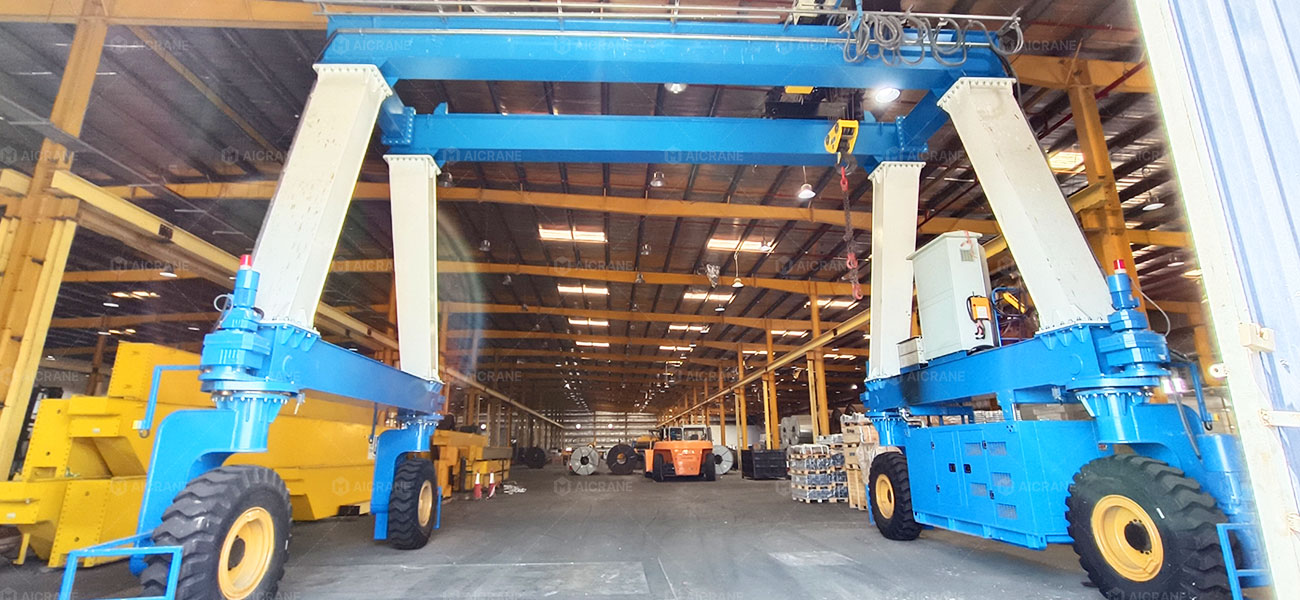
Engineering Challenge:
- Handling irregular, oversized, and high-value machinery components.
- Frequent layout adjustments in evolving industrial production environments.
- Managing seamless material flow between indoor workshops and outdoor storage bays.
RTG Technical Solutions:
- Customizable RTG crane span and lifting height configurations to match specific plant layouts.
- Inverter-driven hoisting mechanisms for millimeter-precise positioning during assembly tasks.
- Adaptable lifting attachments to securely handle various component geometries.
Shipyard & Marine RTG Cranes
Marine environments require safe, stable, and highly corrosion-resistant mobile boat lift systems for handling high-value vessels and boat structures.
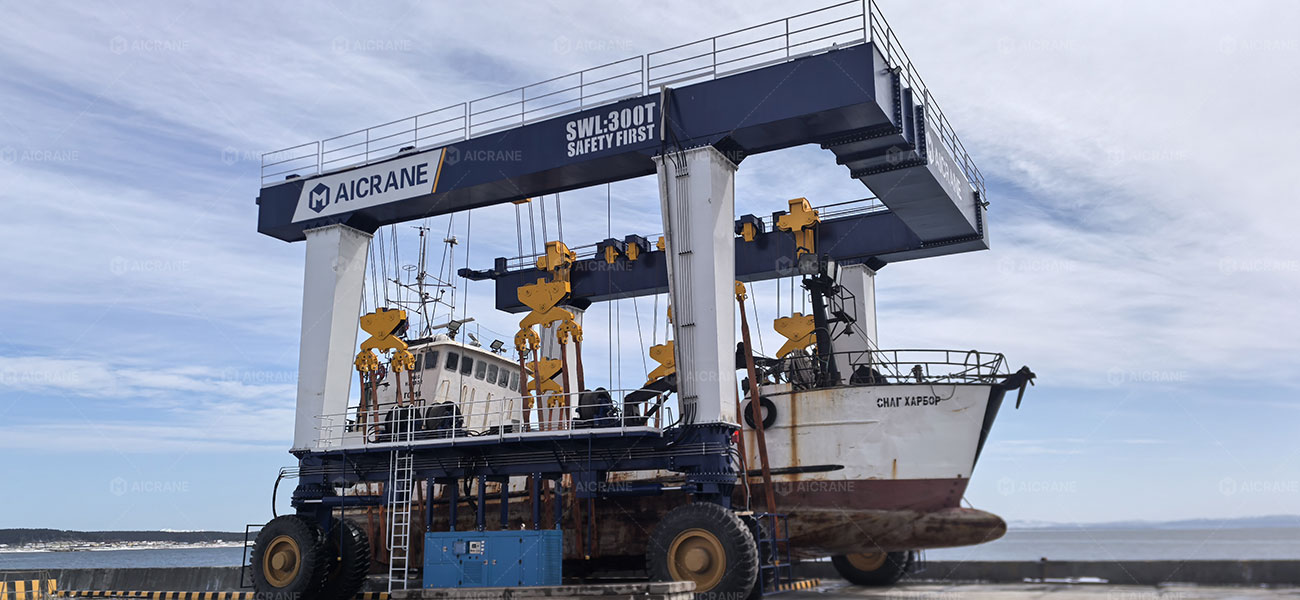
Engineering Challenge:
- Lifting large, structurally sensitive hulls requiring wide-span stability.
- Strict surface protection requirements to prevent damage to boats and yachts.
- Severe marine operating conditions with continuous salt-spray corrosion exposure.
RTG Technical Solutions:
- Wide-span marine RTG gantry designs providing ample hull clearance and anti-tipping stability.
- Soft lifting systems incorporating padded marine slings and adjustable balance beams.
- Specialized marine-grade anti-corrosion coatings and weather-protected electrical enclosures.
- Hydrostatic travel drives for smooth, jerk-free movement during vessel launching or retrieval.
Road & Bridge Construction RTG Cranes
In highway, railway, and municipal viaduct projects, heavy duty RTG cranes function as high-clearance straddle carriers to erect, transport, and position massive precast concrete segmental box girders.
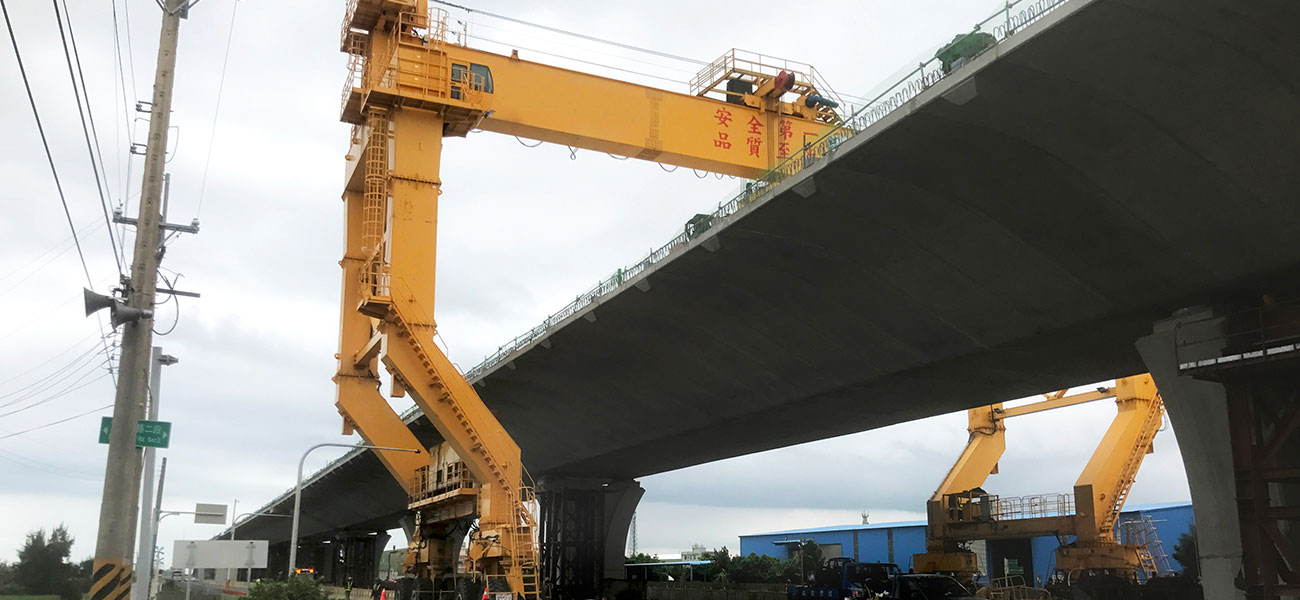
Engineering Challenges:
- Hoisting and stabilizing high-tonnage concrete segments and full-span girders safely.
- Navigating diverse layouts, from narrow urban lanes to wide elevated spans.
- Achieving millimeter-level alignment for complex segment joint matching.
RTG Technical Solutions:
- Configurable with stepped/folded legs for narrow ground lanes, or wide spans to straddle entire bridge decks from lower parallel roads.
- Supports single-trolley systems for precise segment assembly, or synchronized dual-trolleys for lifting massive full-span girders.
- Articulated multi-wheel configurations distribute extreme loads evenly, ensuring stability on uneven construction terrain.
Wind Energy & Power Infrastructure RTG Cranes
In wind energy and grid infrastructure sectors, RTG cranes handle oversized components including rotor blades, tower sections, nacelles, and containerized Battery Energy Storage Systems (BESS).
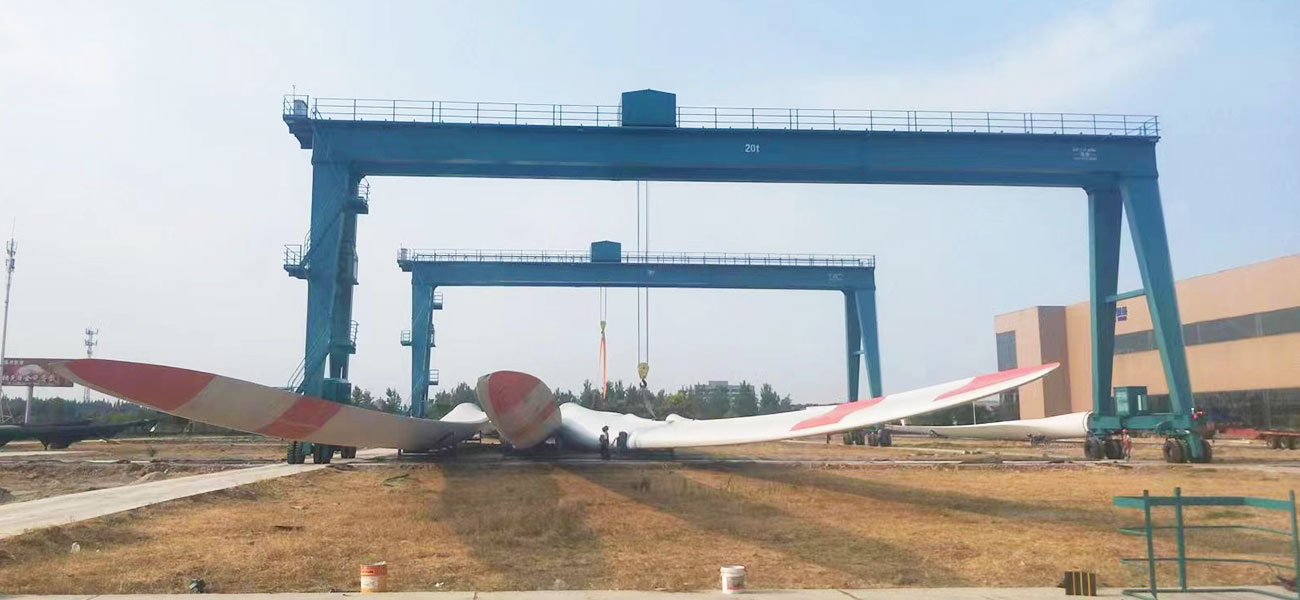
Engineering Challenges:
- Handling ultra-long composite rotor blades prone to structural deflection and surface scoring.
- Managing asymmetrical centers of gravity in heavy nacelles and preventing deformation of cylindrical tower sections.
- Limiting impact loads and vibrations during BESS container placement to protect internal cell matrices.
RTG Technical Solutions:
- Configured with dedicated slings and padded spreader beams to distribute lifting forces along composite structures.
- Integrated turning devices and curved saddles to secure and rotate cylindrical tower sections without cross-sectional ovalization.
- Regulates vertical lifting and lowering speeds to eliminate landing shock loads on sensitive internal cell matrices.
RTG Rubber Tyred Gantry Crane Projects
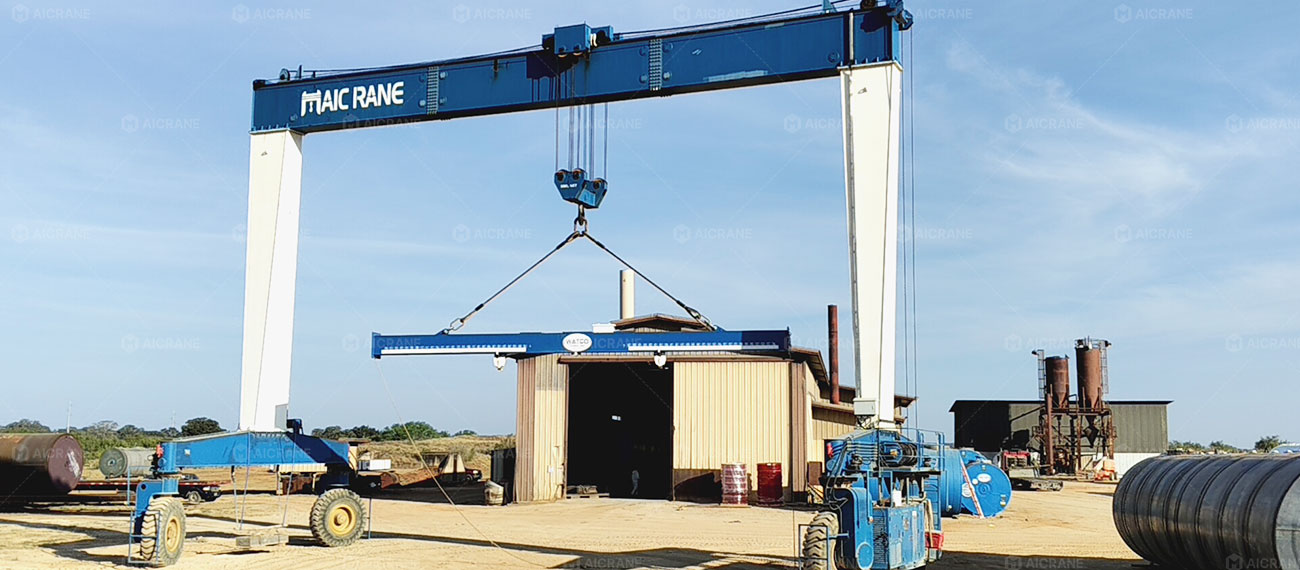
40 Ton Rubber Tyred Gantry Crane Enhances Steel Tank Handling in the U.S
Customer Need & Challenges:
A U.S.-based steel tank manufacturing plant relied on forklifts to transfer and load large steel tanks. However, it lead to several problems: forklifts couldn’t handle larger tanks effectively; maneuvering limitations in the yard affected workflow flexibility; complex operations increased labor costs and lowered productivity.
Our Customized Solution:
We provided a single girder tyre mounted gantry crane with:
- Custom span and lifting height designed to fit the plant layout and accommodate future larger tanks, hydraulic drive system ensuring stable and efficient lifting
- Four-wheel steering with multiple movement modes including straight movement, sideways, diagonal, and on-spot rotation for exceptional maneuverability
- Wireless remote control for simple operation, reducing training time and labor costs
Results:
- Tank transfer efficiency improved by 40%, significantly reducing processing time
- Crane fully optimized for yard space, boosting operational flexibility by 30%
- Operator training time cut by 70% thanks to intuitive wireless remote control

20 Ton Rubber Tired Gantry Crane Supports Flexible Bus Body Handling in Russia
Customer Need & Challenges:
A Russian bus manufacturing facility required a flexible lifting solution to handle bus bodies. The challenges is – these bus bodies have fixed width but varying lengths.
Our Customized Solution:
We delivered a double girder electric rubber tired gantry crane featuring:
- A double-layer main beam structure
- Four adjustable lifting points along the vertical girder direction to accommodate varying bus lengths
Results:
- Flexible, efficient handling of bus bodies regardless of length differences
- Improved overall productivity and safety in bus body assembly and transfer


With over 1,000 custom RTG cranes delivered and proven success across industries, we understand that every lifting challenge is unique. If you’re considering investing in a rubber tyred gantry crane, it’s important to consider whether it truly fits your operational needs.
Key Considerations for Choosing a Rubber Tyred Gantry Crane
Before investing in a rubber tyred gantry (RTG) crane, it’s important to evaluate the factors that affect performance, safety, and efficiency on your site. Key considerations include:
Industry & Application
Identify the type of loads, weight and operations the RTG will support – steel coils, concrete panels, modular components, machinery, containers, or vessels – to ensure the crane solves your specific lifting challenges.
Workflows & Processes
Analyze the lifting, transport, and placement steps, including multi-bay movements or repeated load handling, to match the crane’s mobility and efficiency to your workflow.
Site Conditions
Consider ground type, lane widths, height clearances, indoor vs. outdoor operation, and any dimensional restrictions that may impact rubber tyred gantry crane design or movement.
Power Availability
Check for access to electricity, diesel, or battery solutions to select the most suitable power supply option for continuous operation.
Environmental & Climate Factors
Assess temperature extremes, wind, rain, snow, or other weather conditions that could affect RTG performance and durability.
Whether you are purchasing your first rubber tyred gantry crane or upgrading an existing setup, evaluating these factors ensures a solution tailored to your operational needs – delivering safe, efficient, and reliable lifting for every project. Contact us today to discuss your custom RTG solution.
Understanding Rubber Tyred Gantry Crane Price
After selecting the right type of gantry crane with pneumatic tires for your business, it’s equally important to understand the price to ensure it fits within your budget. Given that an RTG rubber tyred gantry crane is a highly customized product, it is difficult to provide a precise price without knowing your specific needs. So here we’ll discuss the various factors that influence the price of a rubber tired gantry crane and how to ensure your investment aligns with your budget.

Factors That Affect Rubber Tired Gantry Crane Price
Lifting Capacity
The lifting capacity of a rubber tyred gantry RTG directly impacts its cost. Higher lifting capacities require more robust materials, stronger motors, and additional safety features, which drive up the RTG crane price. For example, a rubber tyre gantry designed to handle loads of 100 tons will be more expensive than one with a 50-ton capacity.
Span and Lifting Height
The span (the distance between the legs of the gantry crane) and the lifting height (how high the crane can lift a load) are significant pricing factors. The larger the span and lifting height, the more expensive the crane becomes. If you have a large yard or warehouse and require extensive coverage, you may need a crane with a wider span, which will affect the final price.
Customization Requirements
Since rubber tyred gantry is custom-built to meet the unique demands of each application, customization can significantly influence the gantry crane price. Factors like specialized lifting tools, custom control systems, and tailored crane designs will increase the overall cost. However, these customizations ensure that the crane perfectly suits your operational requirements, potentially boosting efficiency and productivity.
Mobility Features
Cranes with advanced steering systems tend to have a higher cost. For example, a crane with 4-wheel steering system will be more expensive than one with a 2-wheel steering system.
Operational Environment
The working conditions where the rubber tire gantry will operate can also play a role in determining the price. If the crane is required to work in harsh environments, such as areas with extreme temperatures or corrosive materials, it will need additional protective measures, such as corrosion-resistant materials or insulation, which increases the cost.
Shipping and Installation Costs
The cost of transporting the crane to your site and the complexity of installation are often overlooked but can significantly impact the total price. Depending on the size and specifications of the RTG crane, shipping and handling fees, as well as installation charges, could vary. Additionally, specialized labor or engineering expertise required during installation may further increase costs.
How to Ensure the Investment Fits Within Your Budget
To ensure that your investment in a rubber gantry crane fits within your budget, follow these steps:
Conduct a Needs Assessment
Evaluate your specific lifting and operational requirements to avoid over-purchasing features you may not need. Understanding your business needs can help you focus on essential specifications, ensuring that you don’t spend on unnecessary customizations.
Work with Trusted RTG Crane Manufacturers or Suppliers
Partner with reputable rubber tired gantry crane manufacturers or suppliers who can provide you with transparent pricing and detailed quotations. A trusted supplier can help guide you through the customization process and ensure you get the best value for your investment.
Consider the Long-Term Value
While the initial RTG crane price is important, consider the long-term operational costs of the crane, including maintenance, and spare parts. Investing in a higher-quality crane may result in lower long-term costs due to increased durability and lower maintenance requirements.
Request a Quote
The best way to get an accurate idea of the cost is to request a customized quote based on your specific requirements. Most rubber tyre gantry crane manufacturers, including our team, offer free consultations and quotes. By providing details about your load capacity, operational environment, and other relevant factors, you can receive a tailored price estimate.
If you’re ready to invest in a pneumatic tire gantry crane or want more detailed information about the price, feel free to contact us. Our project consultants and engineer team are available to help you choose a crane that fits your lifting needs and budget. Let us guide you through the process to ensure you make a well-informed and cost-effective investment.
Why Aicrane – Your Trusted Rubber Tyred Gantry Crane Manufacturer
Aicrane designs and manufactures rubber tyred gantry (RTG) cranes with in-house fabrication control, standardized engineering processes, and globally managed delivery and after-sales systems.
In-House Manufacturing & International Standardization
Aicrane operates a 200,000+ m² heavy machinery production facility, where all key manufacturing stages are managed internally—from steel processing to final inspection before shipment.
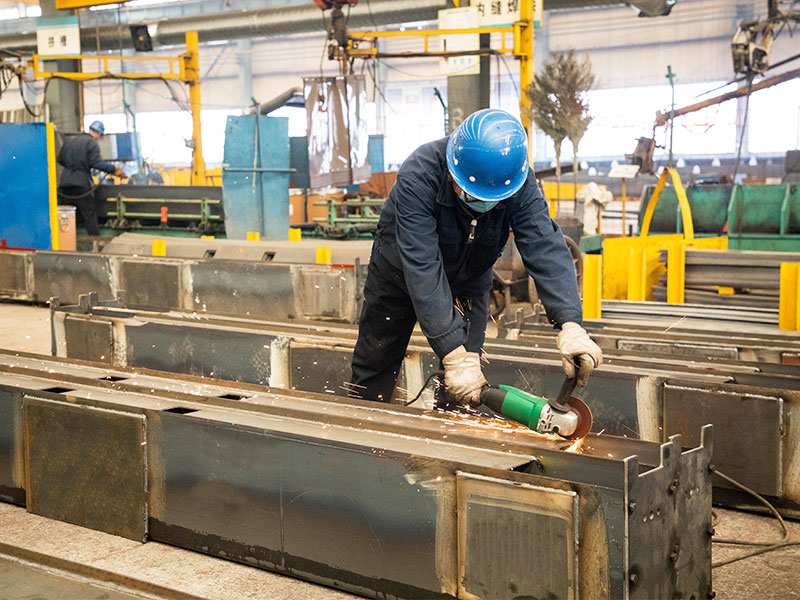 RTG Crane Manufacturing Workshop
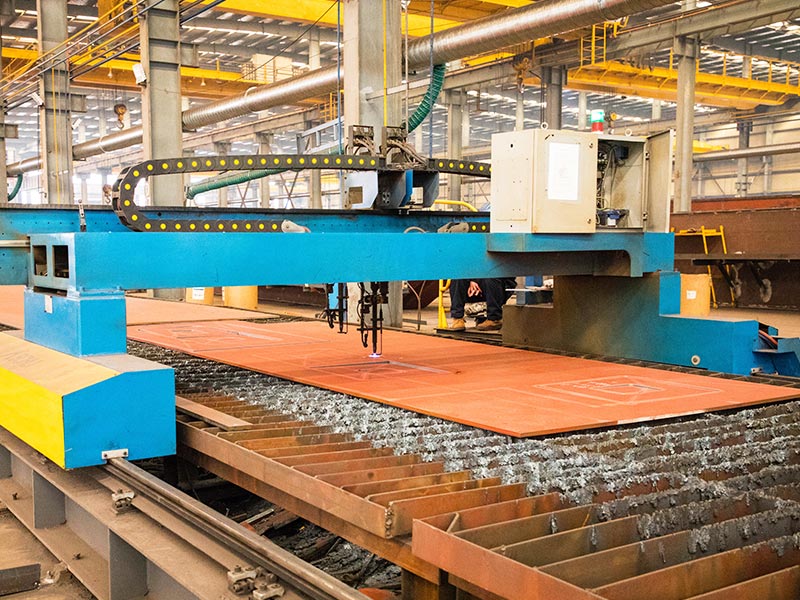
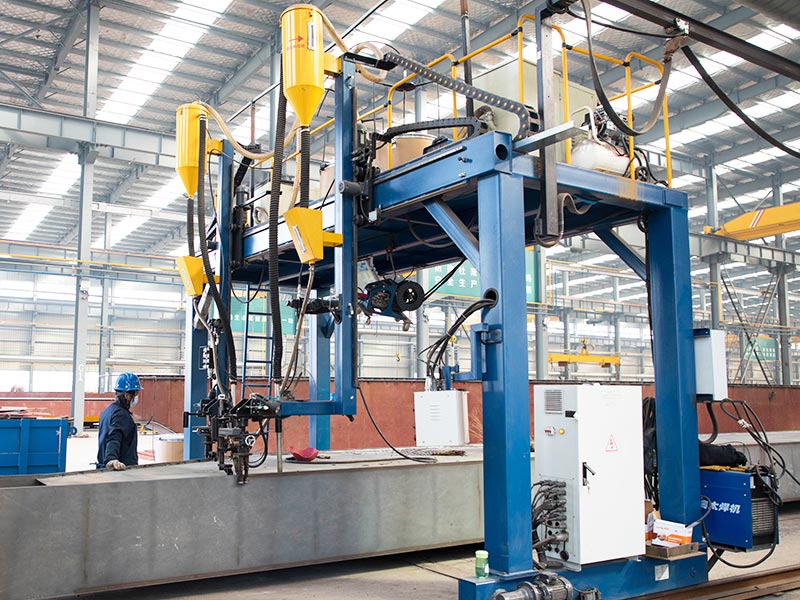
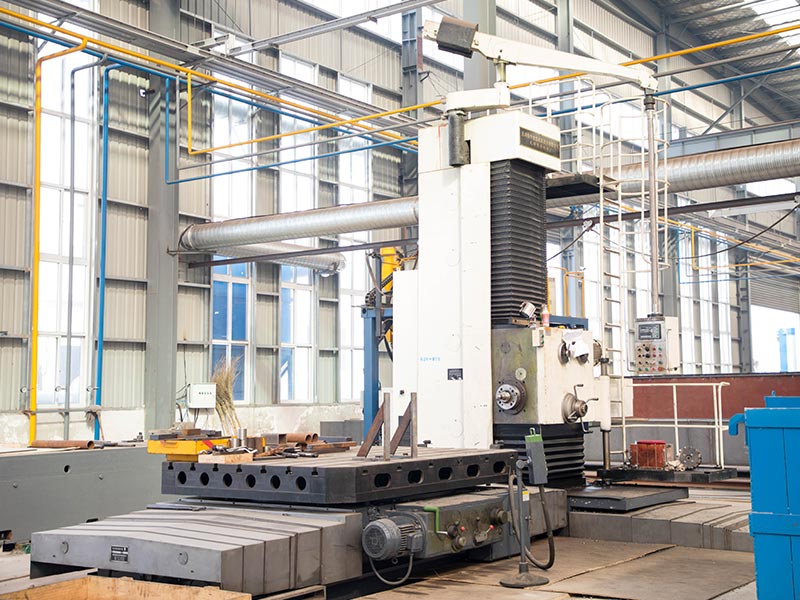
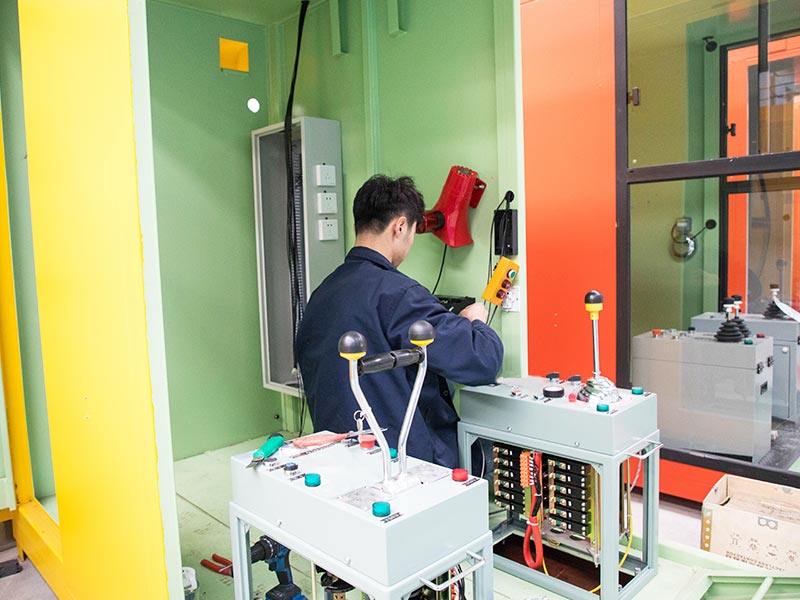
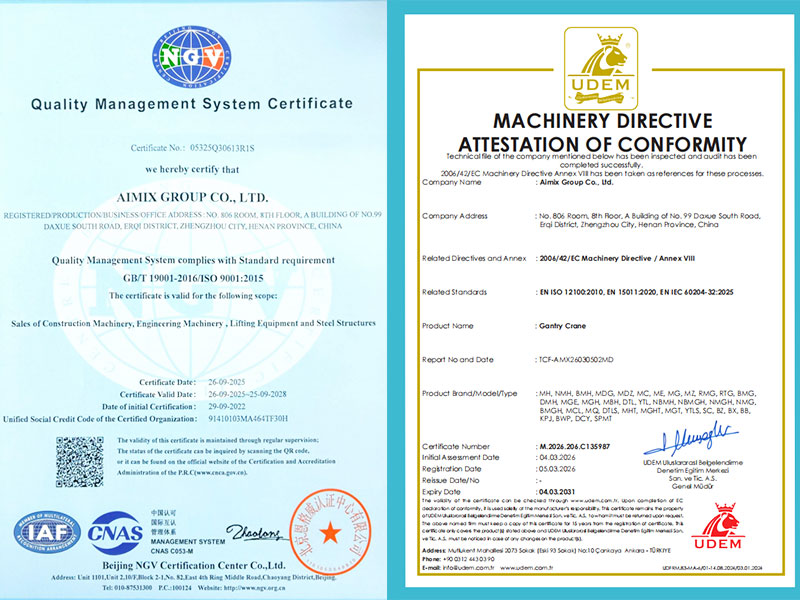
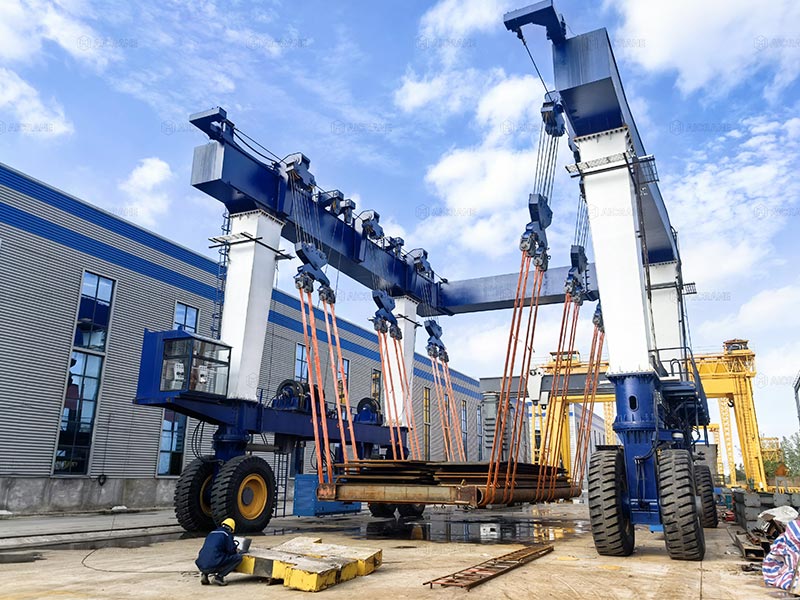
- Integrated fabrication process: CNC cutting, shot blasting, and submerged arc welding (SAW) are completed in-house to ensure structural consistency and precision.
- Certified quality systems: Production is aligned with ISO 9001 quality management requirements and CE compliance standards, with structural design following FEM/ISO duty classifications (A3-A8).
- Weld integrity verification: Critical load-bearing welds undergo ultrasonic and radiographic Non-Destructive Testing (NDT) to detect internal defects before assembly.
- Factory Acceptance Testing (FAT): Each RTG crane is subjected to no-load, static load, and dynamic load testing to verify structural performance and mechanical stability prior to shipment.
Packaging Protection & Global Shipping Logistics
RTG cranes require structured packaging and modular disassembly to ensure safe international transportation and efficient site installation.
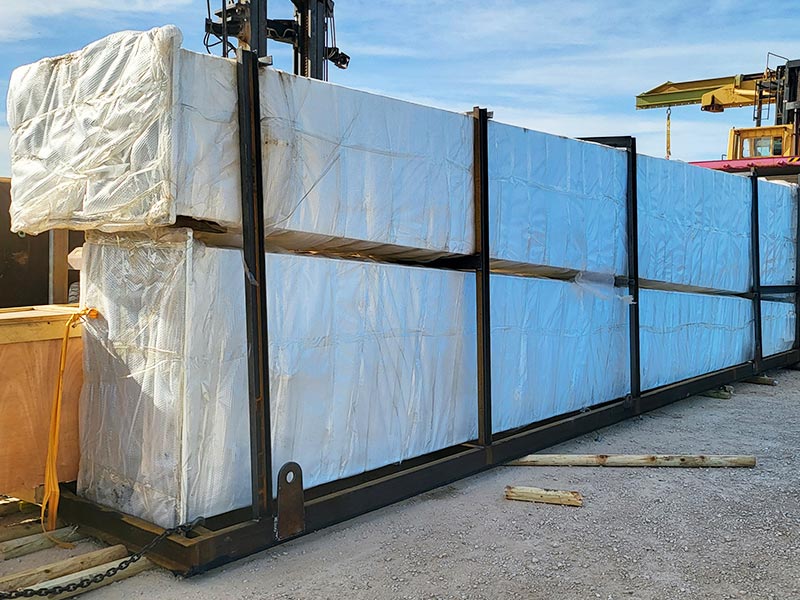 RTG Crane Structural Components Packed For Container Shipping
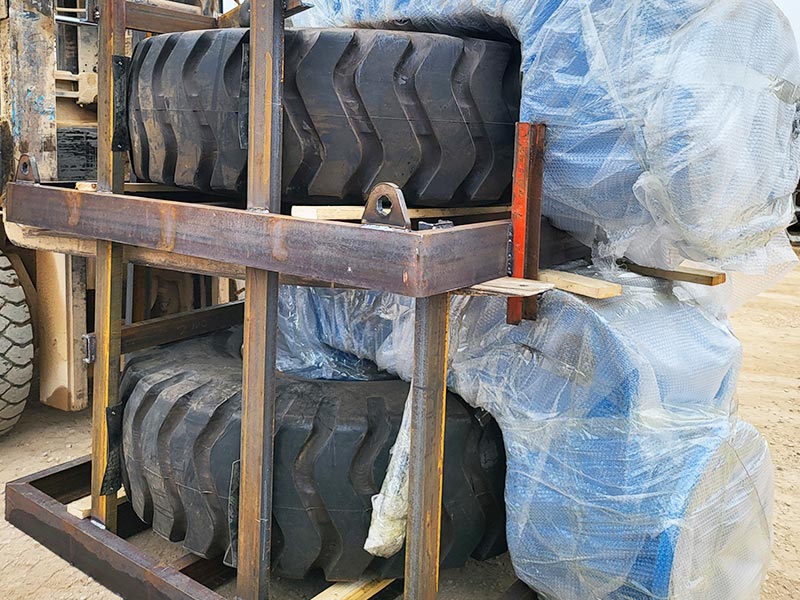
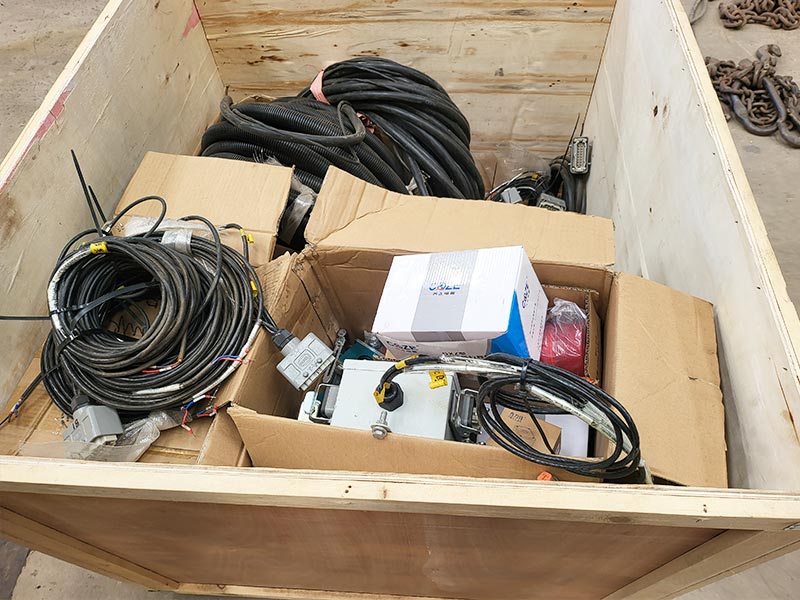
- Modular transport engineering: Main beams, legs, and trolley systems are engineered for disassembly and containerized or flat-rack transport, reducing shipping complexity and freight cost.
- Environmental protection during transit: Structural components are protected using anti-corrosion coatings, sealed packaging, and moisture-resistant electrical cabinet treatment to withstand long-distance ocean transport conditions.
- Global delivery execution: Equipment is delivered under FOB, CIF, CFR, and DDP terms to regions including Southeast Asia, the Middle East, Africa, and South America.
Lifecycle Support & Technical Service System
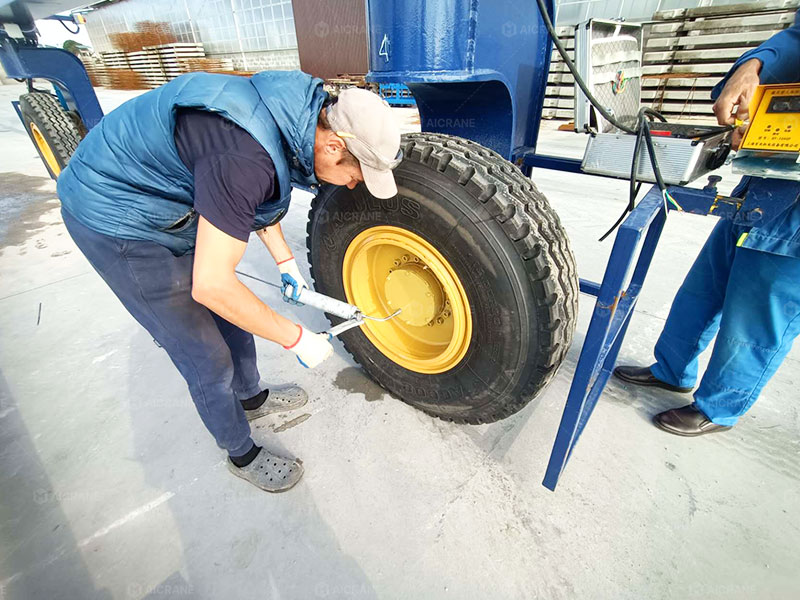
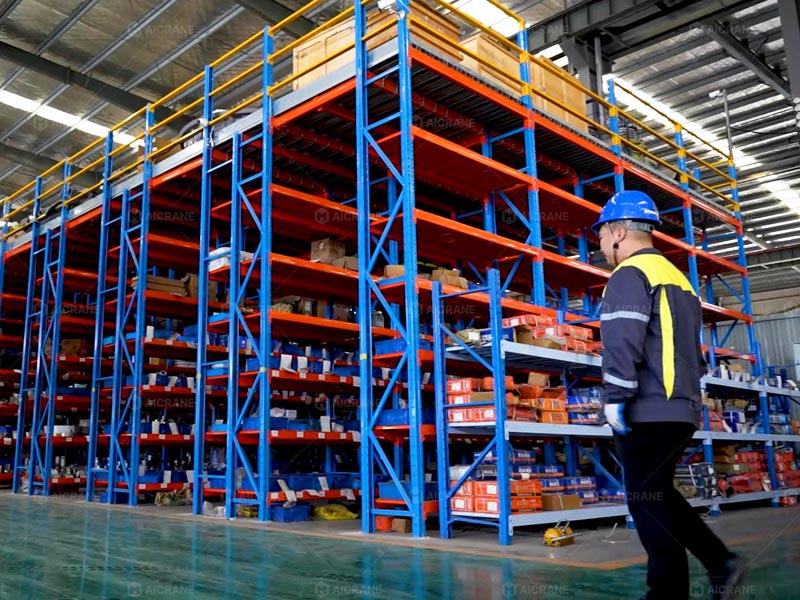
A RTG crane is a long-life industrial asset, and operational reliability depends on continuous technical support throughout its service lifecycle. Aicrane provides structured post-delivery engineering support including:
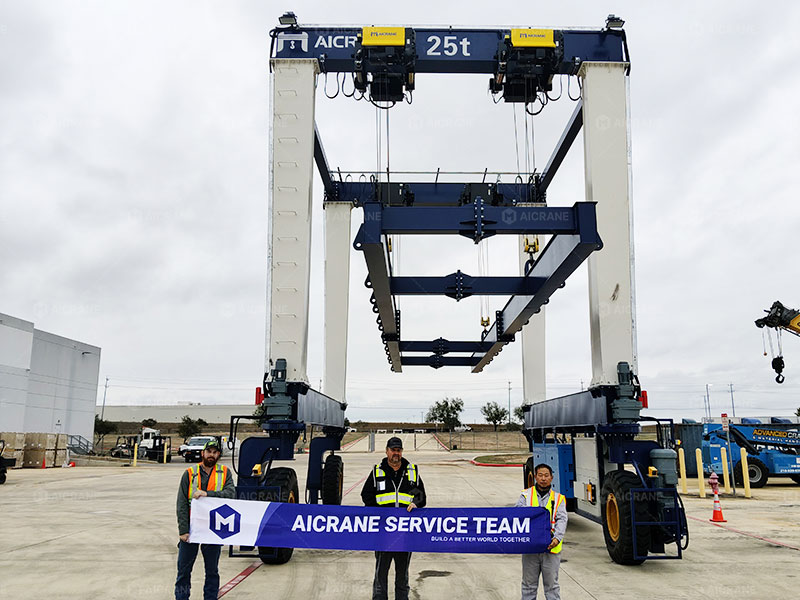 Aicrane After-sales Service For a 25-Ton Rubber Tyred Crane
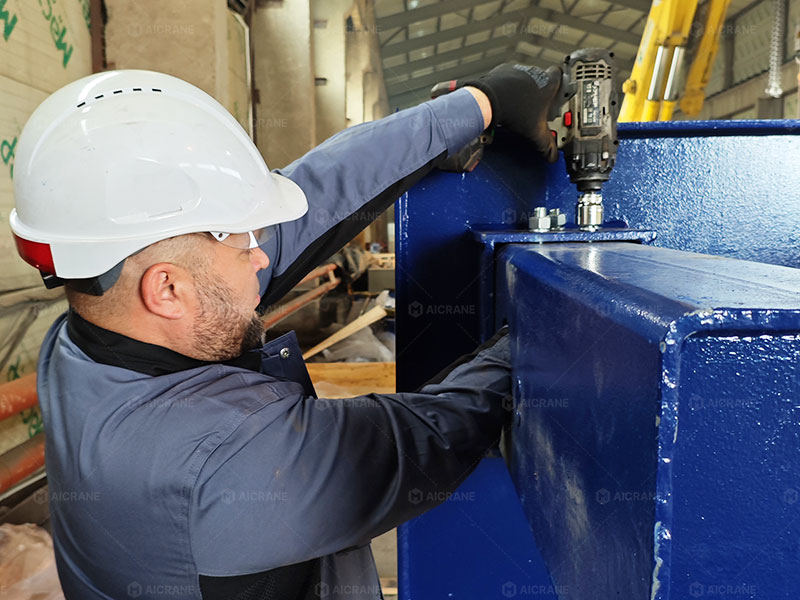
- 24-hour technical response system: Remote diagnostics and troubleshooting support for electrical systems, PLC logic, and VFD performance issues.
- On-site commissioning & training: Field engineers support installation supervision, commissioning, and operator training to ensure safe and efficient crane operation.
- Spare parts supply system: Critical components such as limit switches, wire ropes, hydraulic seals, and electrical modules are maintained in factory inventory for rapid global dispatch.
- Maintenance guidance support: Preventive maintenance schedules and technical documentation are provided to extend equipment service life and reduce downtime risk.
What Clients Say About Aicrane RTG Cranes
Our clients value not only the reliable performance of the equipment, but also our responsive technical support, installation guidance, and long-term service commitment. Below are some feedback and experiences shared by our customers after operating Aicrane RTG cranes in real working conditions.
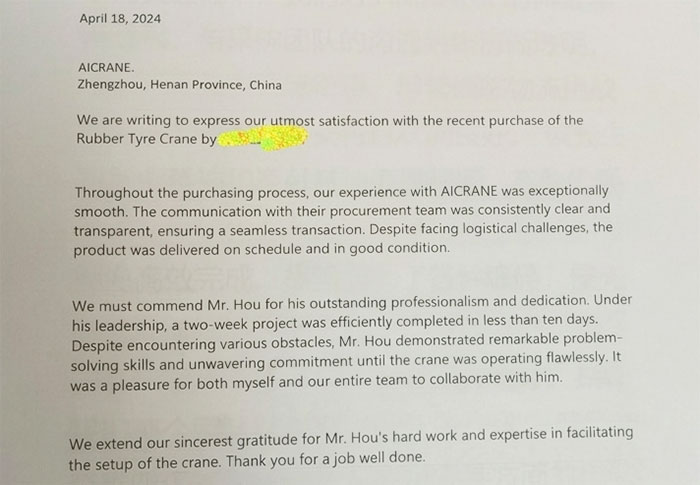
Customer Feedback on 40 Ton Rubber Tyred Gantry Crane
Steel Tank Manufacturing Plant · USA
“Throughout the purchasing process, our experience with AICRANE was exceptionally smooth. We must commend Mr. Hou for his outstanding professionalism and dedication. Under his leadership, a two-week project was efficiently completed in less than ten days.” – President

Customer Feedback on 10 Ton Rubber Tired Gantry Crane
Prefabrication Yard · Libya
“During my relationship with Aicrane, I have witnessed an exemplary individual who is dedicated to their line of work and who goes above and beyond when carrying out their responsibilities through hard work and outstanding time management. I give my highest recommendation to them.” – General Manager

Customer Feedback on 32 Ton Rubber Tyre Gantry Crane
Automotive Injection Parts Plant · USA
“Mr Hou was very helpfull and demonstrated the function of the equipment. He worked really hard everyday to accomplish the operating the Aicrane.” – Operations Manager
RTG Infrastructure Requirements & Deployment Advantages
One of the key advantages of rubber-tyred gantry (RTG) cranes is their ability to operate without fixed rail infrastructure. Unlike rail-mounted gantry (RMG) cranes, RTG systems run directly on hardened concrete or asphalt surfaces, reducing civil engineering requirements and simplifying project deployment.
RTG VS. RMG: Infrastructure Differences
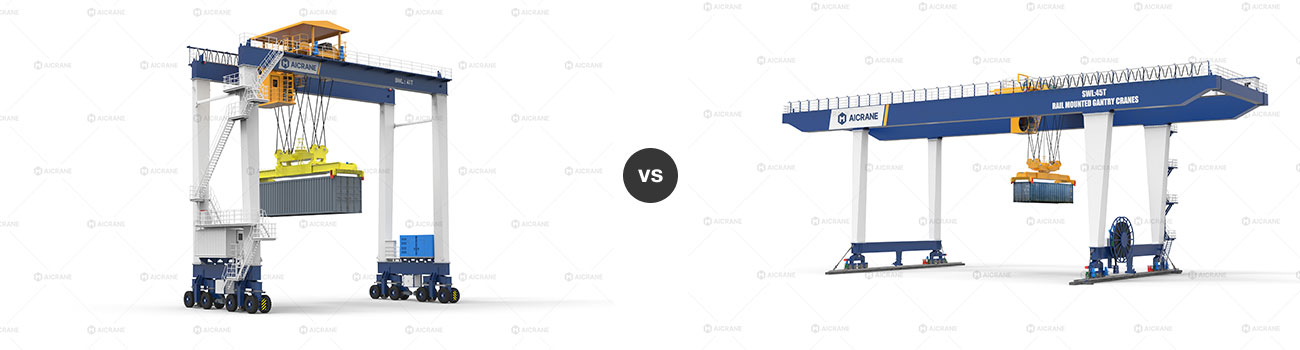
| Feature | RTG Cranes | RMG Cranes |
|---|---|---|
| Track Infrastructure | None (operates on concrete/asphalt surface) | Requires steel rails and reinforced concrete foundations |
| Ground Preparation | Surface leveling and compaction | Deep excavation and long-cycle foundation curing |
| On-Site Assembly | Modular structural assembly | Rail alignment and anchoring with tight tolerances |
| Civil Works Timeline | Generally shorter, depending on site conditions | Longer due to civil works and curing processes |
Why This Matters for Your Project
Reduced Civil Construction RequirementsRTG cranes eliminate the need for rail installation, foundation beams, and rail alignment works, helping reduce both construction scope and site preparation costs.
Faster DeploymentBecause crane installation is not dependent on rail construction and foundation curing, site preparation and equipment manufacturing can often proceed simultaneously, shortening overall project timelines.
Greater Yard FlexibilityRTG cranes can operate across different work zones without fixed track constraints, making future layout changes, capacity expansion, or operational adjustments easier to implement.
Lower Long-Term Infrastructure CommitmentWithout rail systems to inspect, align, or maintain, RTG cranes help simplify long-term infrastructure management while retaining operational mobility.
As a result, RTG cranes are widely used in precast yards, steel fabrication facilities, ports, and other applications where deployment speed, operational flexibility, and infrastructure efficiency are critical considerations.
RTG Crane Operation, Maintenance & Relocation – Designed for Long-Term Flexibility
Beyond fast deployment, RTG cranes are engineered to support efficient operation, simplified maintenance, and flexible relocation throughout their service life.

Fast and Flexible RTG Operation
- RTG gantry cranes work directly on hardened surfaces without rails or special foundations.
- Advanced four-wheel steering and anti-sway control ensure precise, safe lifting.
- Intuitive controls reduce operator training time, and are easy to use.

Simplified RTG Crane Maintenance
- Modular design allows quick access and replacement of parts, minimizing downtime.
- Routine inspection of steering and power systems maintains smooth operation.
- Remote diagnostics help detect issues early and reduce repair costs.

Efficient RTG Relocation
- Modular components enable rapid disassembly and reassembly.
- Gantry crane with pneumatic tires can be moved across multiple sites with minimal effort and cost.
- Flexible steering and power options adapt to various ground conditions and layouts.
Structure & Components – The Backbone of Aicrane RTG Cranes
Having explored how our rubber tyre gantry cranes deliver flexible operation, easy maintenance, and seamless relocation, it’s essential to understand the robust structure and key components that make this possible. These carefully engineered rubber tyred gantry crane parts ensure your crane’s strength, stability, and safety under varied working conditions.

RTG Gantry Structure
- Main Girder: This is the horizontal beam that spans the crane’s width, supporting the hoist and trolley. It is built from high-strength steel to handle heavy loads while maintaining rigidity.
- Legs: These are vertical support structures that connect the main girder to the base. Rubber tired cranes typically have four legs, and the tires are mounted at the base of these legs for mobility.
- Cross Beam or Cross Girder: These beams provide stability and connect the legs at the bottom of the crane, allowing the tires to work in unison and ensuring structural integrity.
Hoisting Mechanism
The hoisting mechanism is responsible for lifting and lowering heavy loads. Key parts include:
- Hoist Drum: A cylindrical part around which the hoisting wire rope is wound. The drum rotates to either lift or lower the load.
- Wire Rope: Made of steel, the wire rope is responsible for carrying the weight of the load. It is designed to handle high tension and abrasion.
- Hook or Spreaders: The hook is the most common tool used for lifting, especially in non-container applications. In container handling, spreaders are used to lock onto the container’s corner fittings, ensuring a secure lift.
- Motor and Brake System: The hoist is powered by a motor, usually electric or hydraulic, depending on the crane’s design. A braking system ensures the load can be securely held in place during lifting or lowering.
Trolley System
The trolley is the part that moves horizontally along the main girder, carrying the hoisting mechanism. The movement of the trolley allows the crane to position the load accurately. The trolley system typically consists of:
- Trolley Frame: A robust frame that carries the hoist.
- Wheels: These are mounted on the trolley and run along tracks on the main girder to facilitate horizontal movement.
- Trolley Motor: Powers the horizontal movement of the trolley along the girder. Like the hoist, this is usually an electric motor equipped with a brake for accurate load positioning.
Rubber Tires and Steering System
- Rubber Tires: Typically, RTG wheeled gantry cranes have four, eight or more large, heavy-duty rubber tires designed to support the crane’s weight while providing smooth movement across different surfaces.
- Steering System: The rubber tire crane’s steering system allows the crane to maneuver in tight spaces. Depending on the rubber tyred gantry crane model, it can offer multiple steering modes as mentioned previously.
- Anti-Skid Design: The steering mechanism combined with anti-slip control ensures stable movement, even on uneven or slippery surfaces, contributing to safer crane travel.
Control System
The control systems ensure smooth, precise operation. They include:
- Cabin Control: The operator’s cabin is usually mounted high on the crane, offering a clear view of the working area.
- Remote Control System: Some rubber mounted gantry cranes are equipped with remote control systems, allowing operators to control the crane from a distance, improving safety and flexibility.
- Programmable Logic Controllers (PLC): The intelligent PLC-based control system automates crane functions and integrates with variable frequency drives (VFD) for smooth, efficient, and accurate load handling.
- Anti-Sway System: An advanced electrical anti-sway control system is used to significantly reduce load swing during lifting and traveling, improving material handling precision and enhancing overall safety.
Multiple Power And Drive Systems
- Power Supply: Aicrane rubber tired gantry cranes are available with a range of power options to adapt to various job sites and operational requirements. Choose from diesel generator sets, cable reel systems, or battery power solutions – we’ve got your power needs covered!
- Drive Systems: Whether you need an electric RTG crane or a hydraulic drive system, we’ll provide the right configuration based on your project’s specific demands. Our flexible drive systems are designed to support both indoor and outdoor applications, including remote job sites, areas with limited power access, or locations where energy efficiency and environmental performance are a priority.
Rubber Tyred Gantry Crane FAQs
What is a rubber tyred gantry crane (RTG)?
What is the difference between RTG cranes and rail mounted gantry (RMG) cranes?
- Mobility: Rubber tyred cranes are mounted on rubber tires and are highly mobile, while RMG cranes are mounted on rails and operate in fixed paths.
- Flexibility: RTG cranes are more versatile since they can move freely within a designated area, unlike RMG cranes which are limited to specific tracks.
What is the typical lead time for an Aicrane rubber mounted gantry crane?
What kind of ground surface is required for rubber tyred gantry crane operation?
Can one rubber tyre gantry crane be used at multiple project sites?
What is the function of a Rubber Tyred Gantry Crane?
What maintenance is required for rubber tyre gantry cranes?
- Checking tire pressure and condition
- Servicing the engine or electric motors
- Inspecting the hydraulic system
- Lubricating the hoist, trolley, and gantry mechanisms
- Ensuring the safety systems (brakes, limiters) are functioning properly
Can Aicrane RTG rubber tyred gantry cranes operate in extreme environments?
RTG Future Outlook – Aligned with Global Standards, Built for the Future
The future development of rubber tyred gantry cranes is closely aligned with internationally recognized crane standards and evolving industry practices. According to widely adopted ISO, FEM, and CMAA guidelines, modern lifting equipment is expected to deliver not only lifting capacity, but also flexibility, safety, and long-term operational efficiency. Looking ahead, several key trends and technological advancements are expected to shape the future of RTG cranes, influencing efficiency, sustainability, and digital integration.
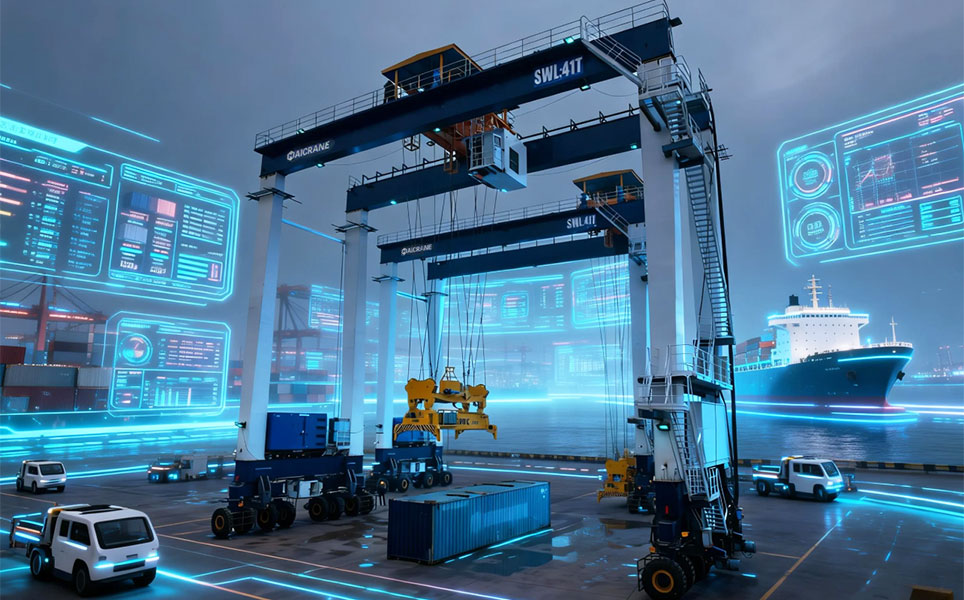
Increased Automation and Smart Operations
One of the most significant trends in the RTG industry is the move toward automation. Semi-automated and fully automated automated rubber tyred gantry cranes are already being implemented in high-density container yards, where precise, repetitive operations are required. Automation reduces human error, increases productivity, and lowers operational costs. Future RTG systems are expected to integrate advanced sensors, cameras, and IoT-based monitoring to allow real-time tracking of loads, predictive maintenance, and intelligent route planning.
Electrification & Green Technology
Traditional RTG cranes often rely on diesel engines, which emit greenhouse gases and require significant maintenance. The future will see a shift toward electric and hybrid RTG cranes, powered by batteries or connected to shore power, reducing emissions and noise. Some manufacturers are exploring solar-assisted RTG cranes and regenerative energy systems that capture braking energy during operations. Green RTGs align with global decarbonization goals and are increasingly preferred by ports and industrial facilities aiming to meet environmental regulations.
Enhanced Safety Systems
Future RTG cranes will incorporate more sophisticated anti-collision systems, proximity sensors, and automated emergency braking. Advanced machine learning algorithms can predict potential operational hazards and automatically adjust crane movements. These features will reduce workplace accidents, protect operators, and ensure safer coordination in high-density yards where multiple cranes operate simultaneously.
Adaptability to Diverse Industrial Applications
RTG container gantry cranes are no longer limited to container handling. Their use is expanding into other industrial sectors, including steel mills, precast concrete production, modular construction, and shipyards. Future designs will emphasize modularity and adaptability, allowing cranes to handle different load types, spans, and lifting heights with minimal modifications. Customizable RTGs with interchangeable spreaders, lifting attachments, and extendable booms will become more common, catering to the increasing demand for multi-purpose material handling solutions.
Integration with Digital Twin and Predictive Maintenance
Digital twin technology is poised to transform RTG crane management. By creating a virtual replica of the crane and its operational environment, operators can simulate performance, identify inefficiencies, and schedule maintenance proactively. Predictive maintenance, powered by AI and IoT sensors, can anticipate mechanical failures before they occur, reducing downtime and extending crane lifespan. The combination of digital twins and predictive analytics will significantly improve operational reliability and cost-efficiency in the coming years.
Selecting a rubber tyred gantry crane is no longer just a short-term equipment decision, but a strategic investment in a lifting solution that meets today’s standards and tomorrow’s operational demands.
At Aicrane, every rubber tyred gantry crane is engineered with this long-term perspective – ensuring your lifting solution remains effective not only today, but throughout the life of your project. Lift more efficiently and flexibly – talk to our experts today for a tailored solution.