


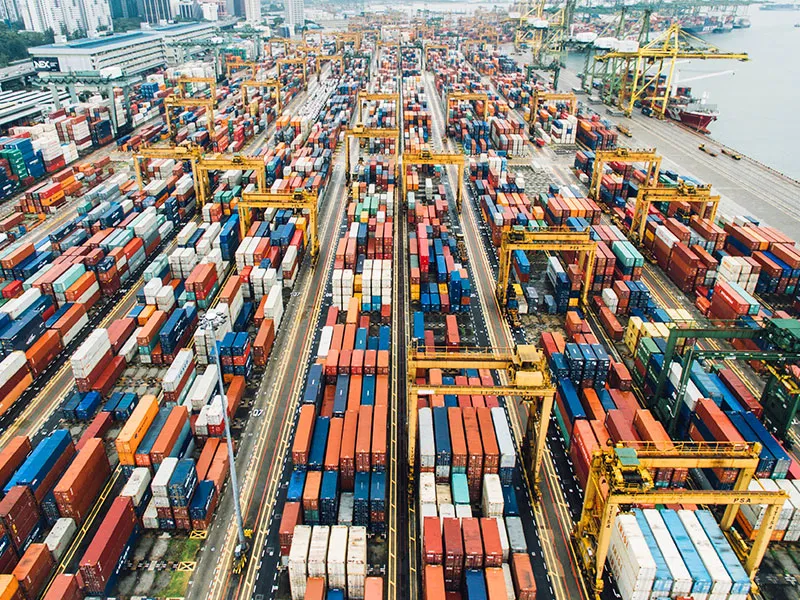
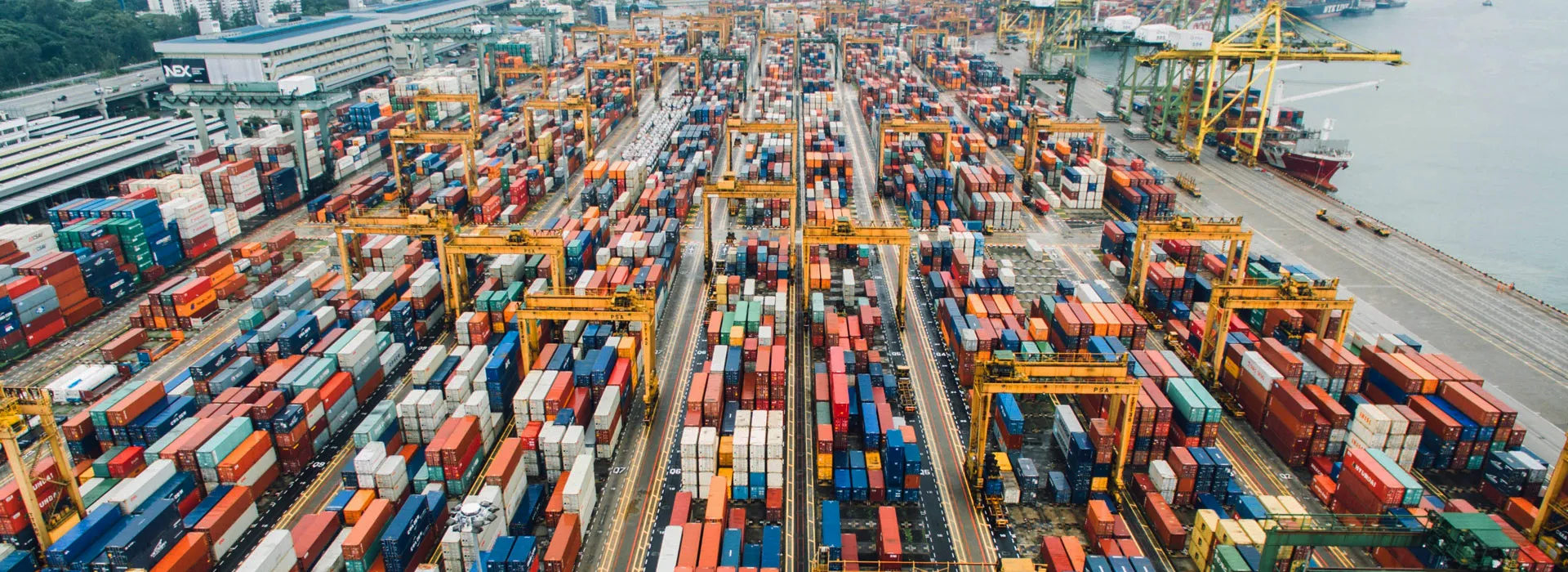
Selecting the right handling equipment is a critical part of container terminal planning, but it should never be the starting point. Before selecting handling equipment, terminal operators should first understand how containers move through the yard. The way containers flow through a terminal determines how cargo is stored, transported, and transferred between different handling stages. These operational requirements – not equipment specifications alone – should guide equipment planning.
What Is Container Flow?
Container flow refers to the movement of containers through a terminal, from arrival and unloading to storage, transfer, and final departure. The goal is to move containers efficiently while minimizing delays, unnecessary handling, and operational conflicts.
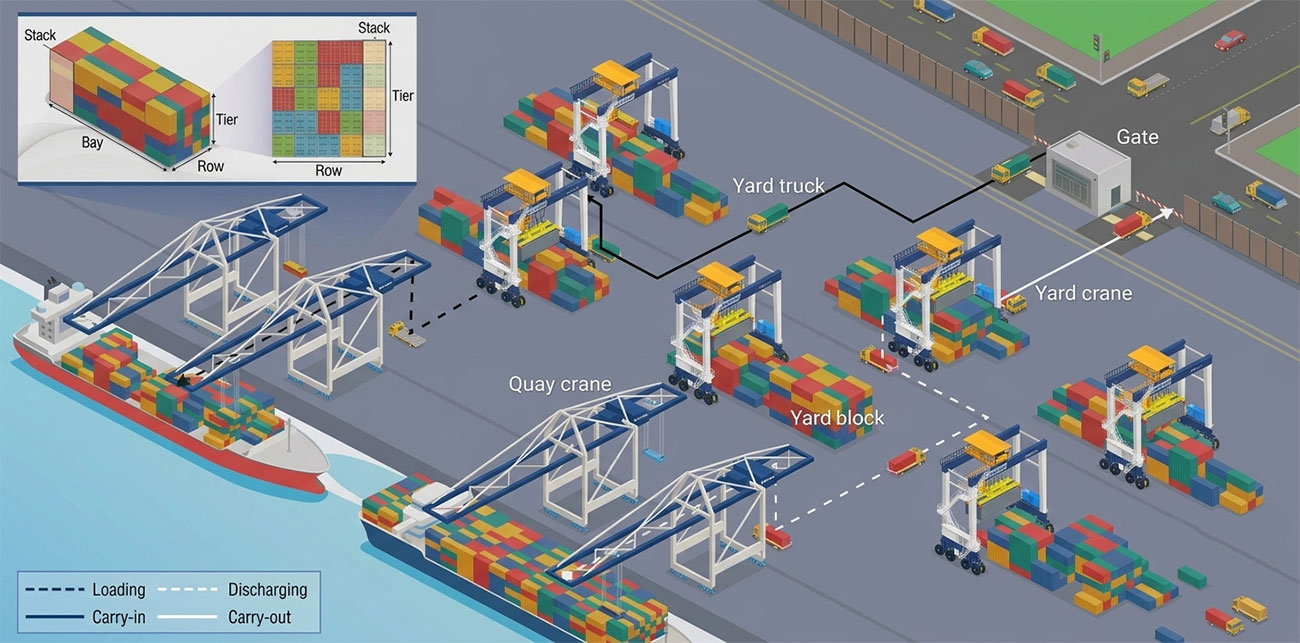
A typical container flow includes the following stages:
- Vessel or Rail Arrival – Containers arrive at the terminal by vessel, train, or truck.
- Unloading – Containers are transferred from the transport vehicle to the terminal handling system.
- Horizontal Transport – Containers are moved between operational areas, such as from the quay to the storage yard or from the rail terminal to the stacking area.
- Yard Storage – Containers are stacked and stored until they are scheduled for the next stage of transportation.
- Retrieval and Delivery – Containers are retrieved from the yard and transferred to trucks, trains, or vessels for onward transport.
While these stages are common across container terminals, their organization varies depending on terminal type, cargo volume, transport modes, storage strategy, and available space. These differences directly influence handling requirements and equipment selection.
How Terminal Type Shapes Container Flow
Container flow is closely related to the role of a terminal within the supply chain. Different facilities handle containers through similar basic stages, but their operational priorities vary based on cargo sources, transportation connections, and storage requirements.
| Terminal Type | Typical Container Flow | Primary Operational Priority |
|---|---|---|
| Seaport Container Terminal | Vessel → Yard → Truck / Rail | High throughput, efficient vessel turnaround, and optimized yard utilization |
| Intermodal Rail Terminal | Rail ↔ Yard ↔ Truck | Fast transfer between rail and road transport with minimal handling delays |
| Inland Container Depot (ICD) | Truck / Rail → Yard → Truck / Rail | Flexible container storage and regional cargo distribution |
| Industrial Logistics Yard | Factory → Yard → Truck / Rail | Efficient handling of heavy or oversized cargo with streamlined internal logistics |
For example, seaport terminals typically focus on continuous vessel operations and high-volume container handling, while intermodal terminals prioritize rapid transfers between rail and road. Industrial logistics yards require flexible movement between production areas, storage zones, and transport connections.
Understanding the terminal’s operational role helps define the handling strategy and the equipment needed to support container movement.
Four Operational Factors That Shape Equipment Selection
Container flow determines how containers move through a terminal, but equipment selection depends on the operational conditions behind that flow. Four factors have the greatest impact on equipment planning: transfer distance, storage strategy, transport interfaces, and cargo characteristics.
Transfer Distance
The distance containers travel within a terminal directly affects cycle time, equipment utilization, and overall handling efficiency.
Longer transfer distances typically increase:
- Cycle time: Each container movement takes longer to complete, reducing overall throughput.
- Equipment travel requirements: Container handling systems must maintain efficient horizontal transportation over extended operating areas.
- Coordination complexity: More movement steps may be required between unloading, storage, and delivery operations.
For terminals with long internal transport routes, reducing unnecessary container movements becomes critical. Equipment selection should consider how effectively a system integrates lifting, transportation, and positioning functions to maintain a smooth container flow.
Storage Density VS. Accessibility
Every container yard must balance two competing objectives: maximizing storage density and maintaining container accessibility.
- Higher storage density allows more containers to be stored within a limited footprint, helping terminals improve land utilization. However, dense stacking can reduce direct access to individual containers and increase repositioning movements.
- Prioritizing accessibility improves retrieval efficiency and reduces reshuffling, but it typically requires more storage space and wider operating areas.
Different handling systems support different storage strategies. High-density operations often rely on vertical stacking capability, while high-throughput terminals may prioritize flexible movement and faster retrieval.
The right approach depends on the terminal’s operational priorities, available space, and container turnover requirements.
Transport Interfaces
Modern terminals often connect multiple transport modes, including vessels, trucks, rail networks, and industrial facilities. These connections create additional coordination requirements, as containers must move efficiently between different operational areas.
Key transfer points include:
- Ships and yard storage areas
- Yard operations and truck delivery systems
- Rail terminals and container storage zones
- Industrial sites and logistics facilities
Equipment planning should consider the entire container flow rather than individual lifting or transportation tasks. Handling systems must support smooth transfers, minimize waiting time, and maintain reliable container availability across connected operations.
Cargo Characteristics
Different cargo characteristics influence lifting methods, storage strategies, and operational requirements. Container terminals may handle various cargo types, each requiring different considerations for equipment planning.
Key factors include:
- Loaded containers: Require stable handling performance under maximum operating loads.
- Empty containers: Often involve higher stacking frequency and different storage strategies.
- Reefer containers: Require consideration of power supply access and monitoring requirements.
- Dangerous goods containers: May require dedicated storage areas and enhanced safety procedures.
- Oversized or special containers: Can require customized lifting arrangements and additional operational flexibility.
Equipment selection should match the cargo profile being handled, as a system optimized for one type of operation may not provide the same efficiency in another environment.
These factors are interconnected within the overall container flow. A space-limited terminal may prioritize storage density, while a high-throughput facility may focus on faster container movement and accessibility.
Evaluating these conditions together helps operators choose handling systems that match their operational needs and future growth plans.
Matching Container Handling Equipment with Different Terminal Operations
Container handling equipment is selected based on how a terminal operates, not simply the type of cargo being handled. Different terminal environments place different priorities on storage capacity, transfer efficiency, operational flexibility, and infrastructure requirements.
Understanding these operational priorities helps identify which equipment capabilities best match each application.
High-Volume Container Ports
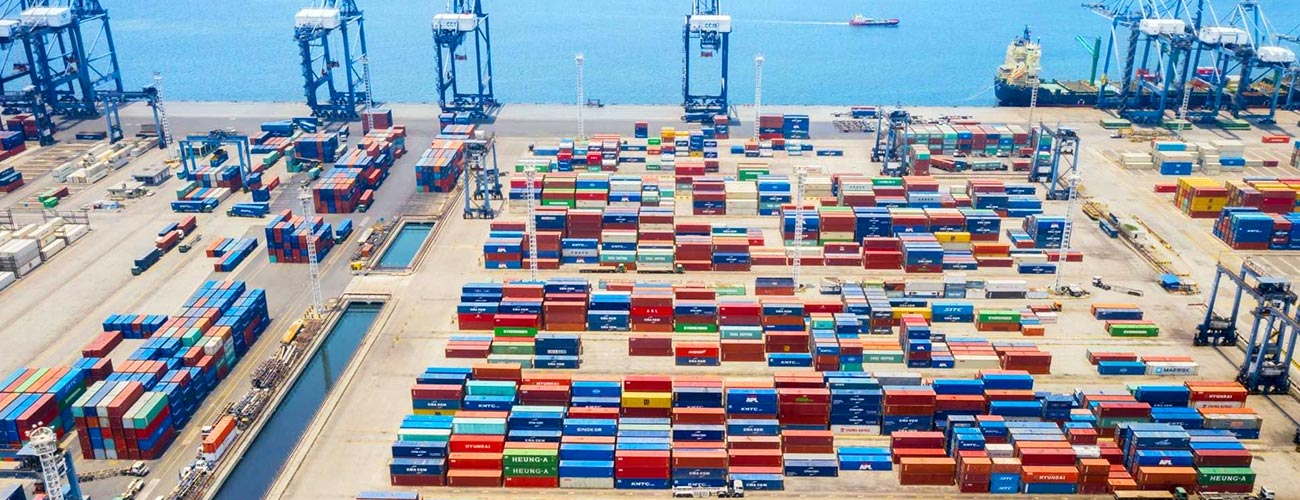
Large container ports handle continuous vessel operations and high container volumes. Their handling systems must support efficient movement between quay areas, storage yards, and landside transport connections.
Key Characteristics
- High container throughput with frequent handling cycles
- Large-scale storage areas for import, export, and transshipment operations
- Multiple connections between vessels, yards, and inland transportation networks
Typical Priorities
- Maximize storage capacity and yard utilization
- Maintain reliable performance during continuous operation
- Ensure smooth container movement across different operational areas
Recommended Equipment Solutions
The preferred handling system depends on yard layout, storage strategy, and operational requirements. RMG cranes are commonly used for structured, high-density storage blocks, RTG cranes provide flexibility for mixed yard layouts, and straddle carriers support integrated lifting, transportation, and stacking operations.
Intermodal Rail Terminals
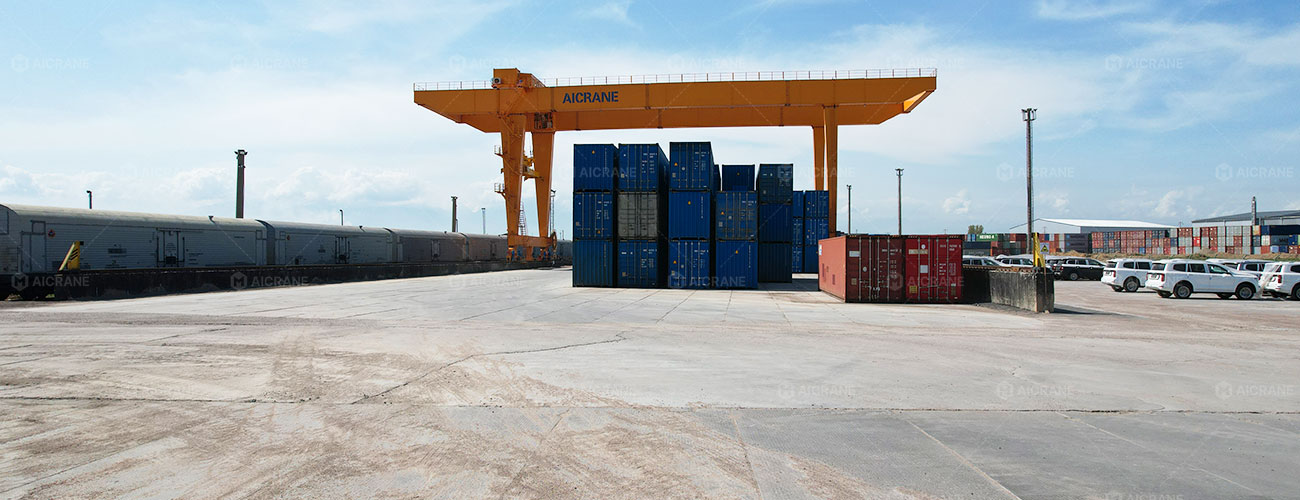
Intermodal rail terminals serve as transfer points between rail and road networks, with operational efficiency largely depending on smooth container exchange between transport modes.
Key Characteristics
- Direct connection between rail and truck operations
- Frequent container loading, unloading, and transfer activities
- Fixed rail tracks and defined operating corridors
Typical Priorities
- Fast movement between rail, yard, and truck operations
- Accurate container positioning within storage areas
- Efficient use of available terminal space
- Reliable coordination across connected transport systems
Recommended Equipment Solutions
Because operations are organized around fixed rail infrastructure, RMG cranes are widely used for rail-side container handling. Some terminals may also use RTG cranes in adjacent storage areas where additional operational flexibility is required.
Inland Logistics Hubs
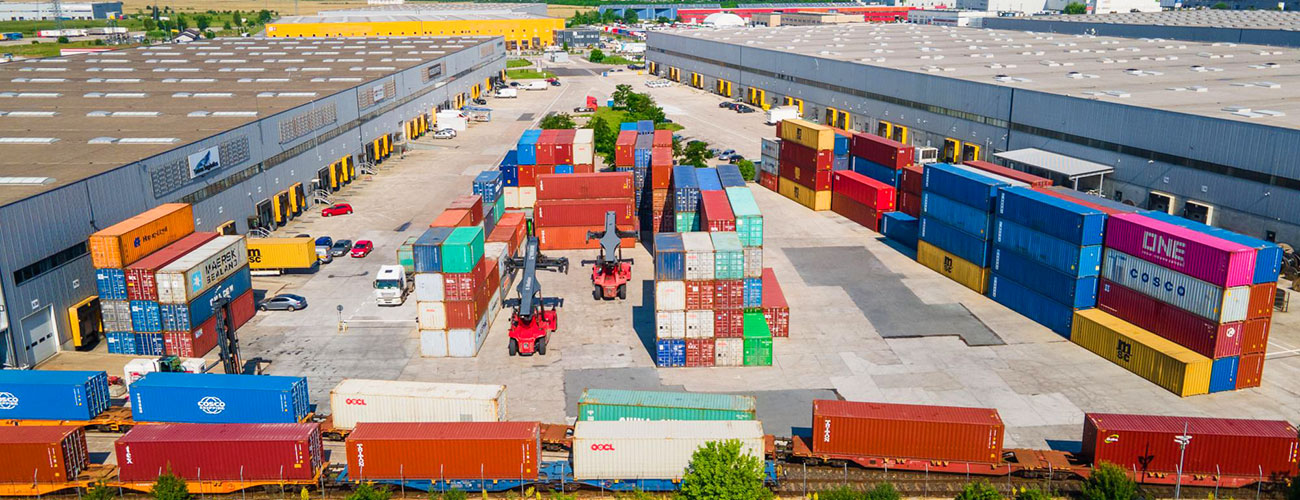
Inland logistics hubs support regional cargo distribution by connecting ports, rail networks, and industrial facilities. Compared with major seaports, they often require a balance between storage efficiency and operational flexibility.
Key Characteristics
- Serve regional cargo flows away from major seaports
- Support container storage, distribution, and transfer activities
- Experience changing container volumes based on market demand and logistics patterns
Typical Priorities
- Flexible container movement within the yard
- Balance between storage capacity and container accessibility
- Adaptability to changing operational requirements
- Efficient connection between different transport modes
Recommended Equipment Solutions
RTG cranes are commonly used where terminals require efficient stacking with flexible yard operations. For facilities with less structured layouts or greater internal mobility requirements, straddle carriers may provide additional flexibility.
Industrial and Specialized Logistics Yards
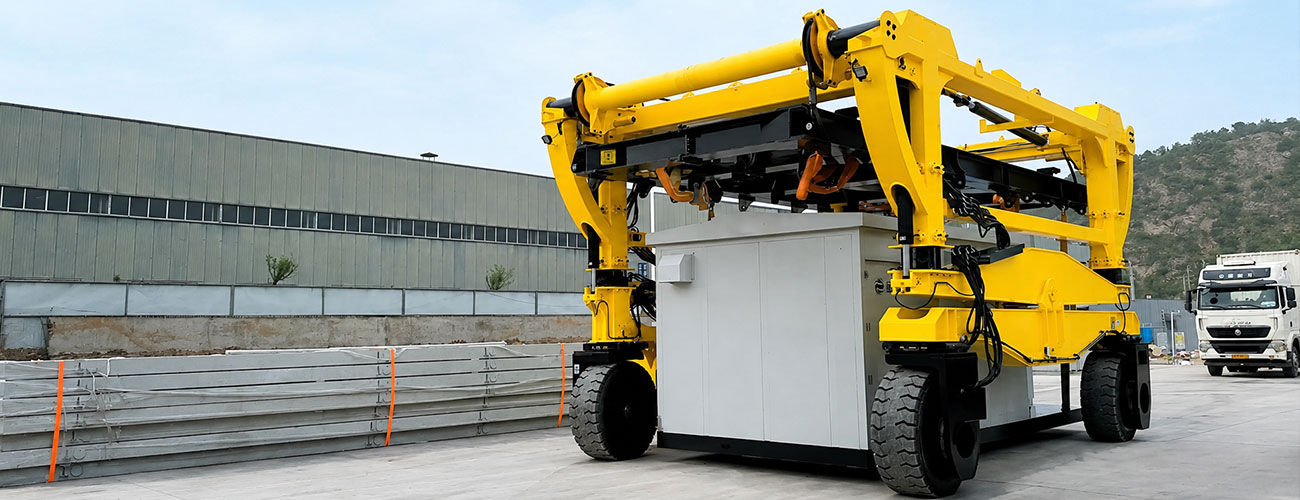
Industrial and specialized logistics yards handle both containers and heavy industrial cargo, requiring equipment that can operate across diverse working environments.
Key Characteristics
- Flexible yard layouts with changing operating areas
- Mixed handling requirements for containers and heavy industrial cargo
- Frequent movement between production areas, storage zones, and loading points
Typical Priorities
- Adaptability to changing workflows and cargo requirements
- Reduced reliance on fixed infrastructure
- Efficient operation within limited or irregular spaces
- Flexible movement across multiple handling areas
Recommended Equipment Solutions
Straddle carriers are often suitable for these operations because they integrate lifting, transportation, and stacking in one mobile system. This reduces equipment handovers and provides flexibility when handling requirements or site layouts change.
While certain handling systems are more commonly associated with specific terminal operations, there is rarely a single solution for any application. High-volume container ports, for example, may use RTG cranes, RMG cranes, or straddle carriers depending on their storage strategy, operational workflow, and infrastructure conditions.
This raises a more important question: what makes one handling system more suitable than another? The answer lies in how each system supports different container flow requirements.
How RTG, RMG, and Straddle Carriers Support Different Container Flows
Although RTG cranes, RMG cranes, and straddle carriers are all used for container handling, they are designed to support different container flow patterns. Rather than focusing solely on lifting capacity or equipment type, terminal operators should evaluate how each system performs in terms of storage, mobility, transport integration, and infrastructure requirements.
RTG Cranes
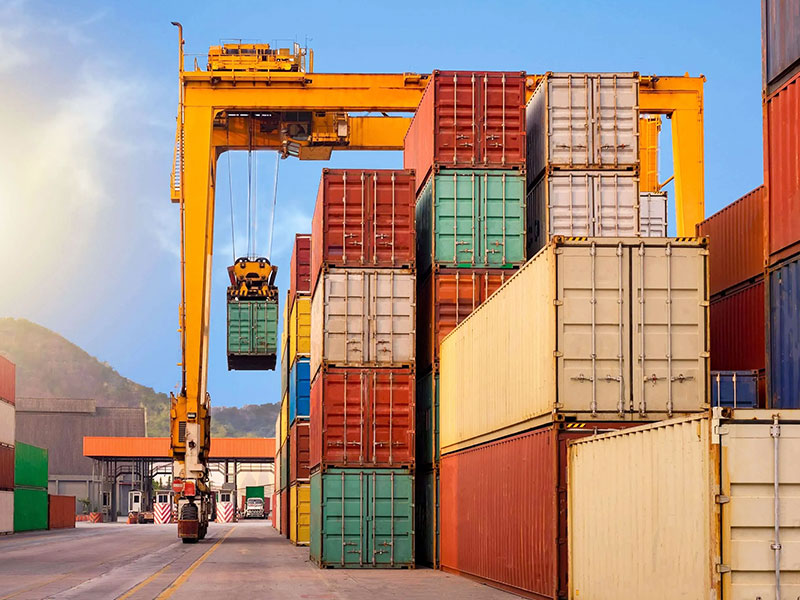
RTG cranes are best suited for container flows that require a balance between efficient stacking and operational flexibility.
Best Suited For
- Flexible container yard layouts
- Medium- to high-density storage
- Operations where storage blocks or traffic patterns may change
- Terminals seeking lower infrastructure requirements than rail-mounted systems
Why It Fits
Rubber-tired mobility allows RTG cranes to move between container blocks without fixed rails, providing greater flexibility while maintaining efficient stacking performance. This makes them well suited for terminals where container flow must adapt to changing operational conditions.
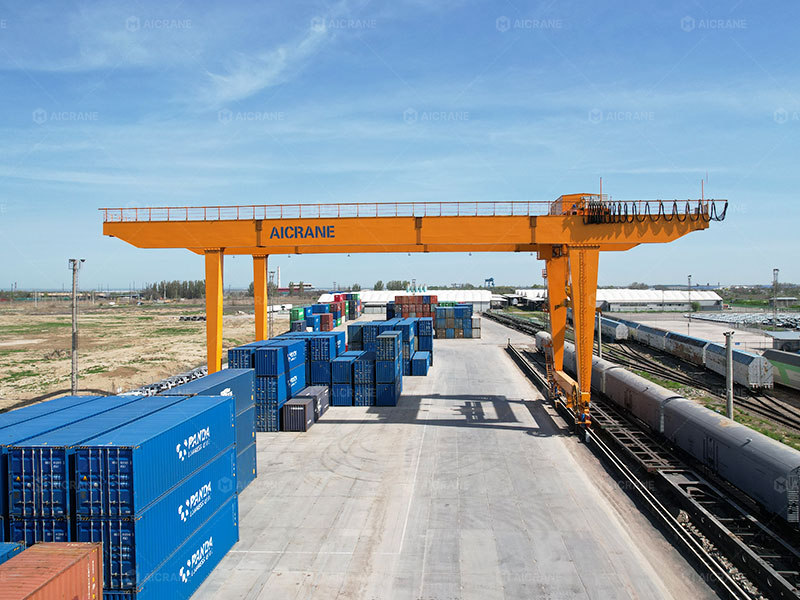
RMG Cranes
RMG cranes are designed for container flows centered on high-density storage and structured yard operations.
Best Suited For
- Fixed container yard layouts
- High-volume storage operations
- Rail-connected terminals
- Automated or semi-automated container yards
Why It Fits
Operating on fixed rails, RMG cranes provide precise container positioning and maximize storage density within organized yard blocks. Their predictable operating path also makes them suitable for automation and standardized terminal workflows.
Straddle Carriers
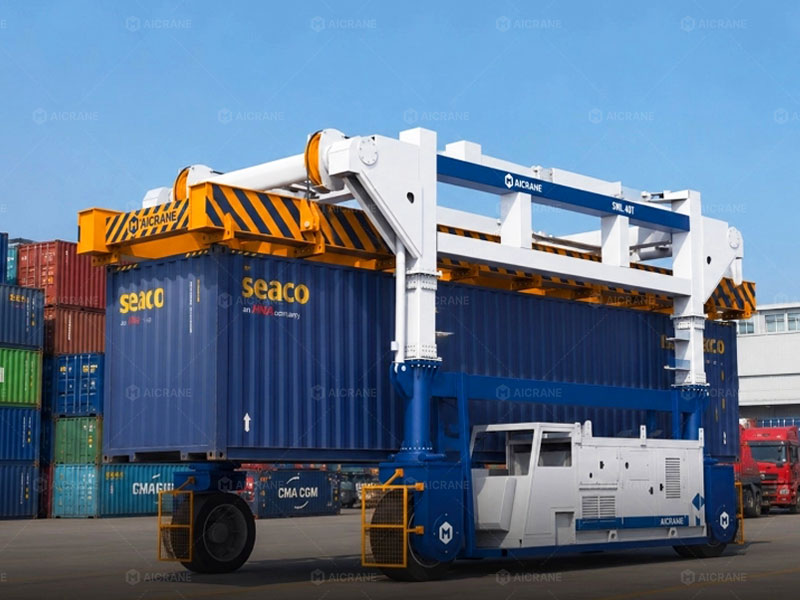
Straddle carriers are best suited for container flows that require integrated lifting, transportation, and stacking within a single handling system.
Best Suited For
- Operations requiring frequent container transfers
- Flexible yard layouts
- Industrial logistics yards
- Terminals seeking to reduce equipment handovers
Why It Fits
By combining lifting, horizontal transport, and stacking functions, straddle carriers can move containers directly between working areas without relying on separate transport equipment. Their rubber-tired mobility also enables efficient operation in terminals where layouts or workflows change frequently.
Comparing Handling Capabilities
| Operational Priority | RTG Crane | RMG Crane | Straddle Carrier |
|---|---|---|---|
| Primary Role | Container stacking | High-density container stacking | Lifting, transport, and stacking |
| Best Container Flow | Flexible yard flow | High-density structured flow | Integrated transport and stacking flow |
| Mobility | Mobile between yard blocks | Fixed rail operation | Fully mobile |
| Storage Density | High | Very High | Medium |
| Infrastructure Requirement | Medium | High | Low |
| Horizontal Transport | Requires separate transport equipment | Requires separate transport equipment | Integrated transport capability |
| Operational Flexibility | High | Medium | Very High |
| Typical Applications | Flexible container terminals, inland logistics hubs | Large container ports, rail terminals | Ports, intermodal yards, industrial logistics yards |
The comparison highlights an important principle: equipment selection is not simply about choosing a machine – it is about selecting the handling capabilities that best support the way containers move through a terminal.
Choosing Container Handling Equipment Starts with Understanding Container Flow
Container flow provides the foundation for effective equipment planning. By understanding how containers move through a terminal – and the operational demands created by those movements – terminal operators can identify the handling capabilities that best support their storage strategy, transfer processes, and long-term operational objectives.
Whether the solution involves RTG cranes, RMG cranes, straddle carriers, or a combination of handling systems, the most effective choice is the one that aligns with the terminal’s container flow and operational requirements.
If you’re evaluating container handling equipment for a new terminal or an existing operation, Aicrane engineering team can help assess your container flow and recommend a solution tailored to your application.