


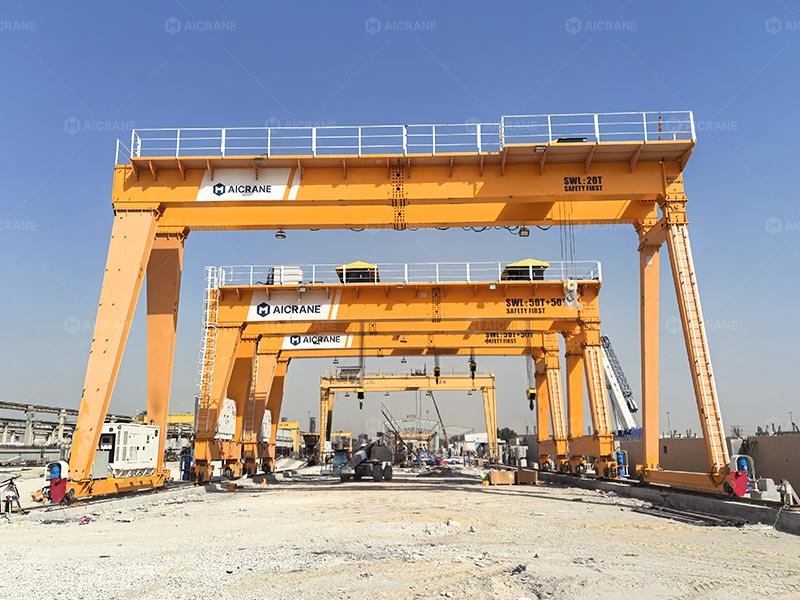
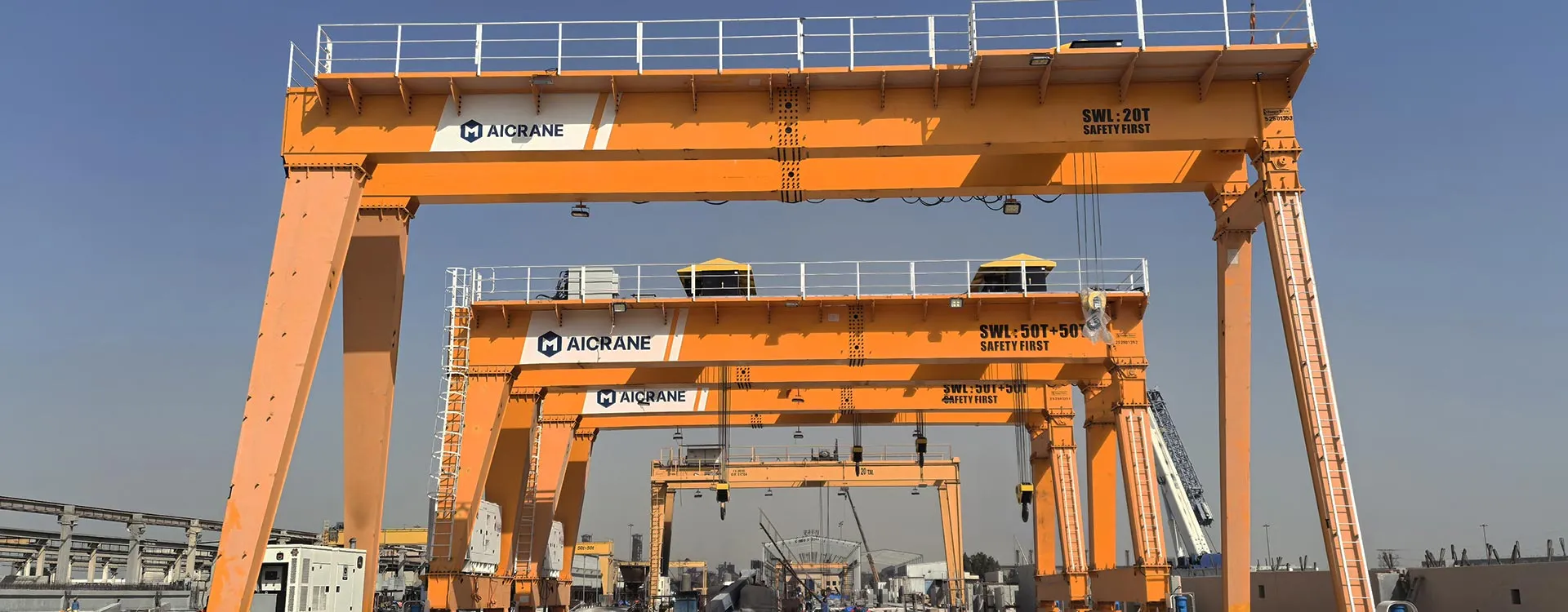
Not sure which gantry crane capacity is right for your project? Aicrane 5-500 ton gantry crane provides versatile lifting solutions for a wide range of industrial applications. From compact cranes for workshop operations to super heavy systems for shipyards, steel plants, and infrastructure projects, each crane is custom designed to handle industrial loads safely, efficiently, and with precision.
5-500 Ton Gantry Crane for Sale: Complete Capacity Overview
5-20 Ton Gantry Cranes – Small-Capacity Lifting for Light Industrial Loads
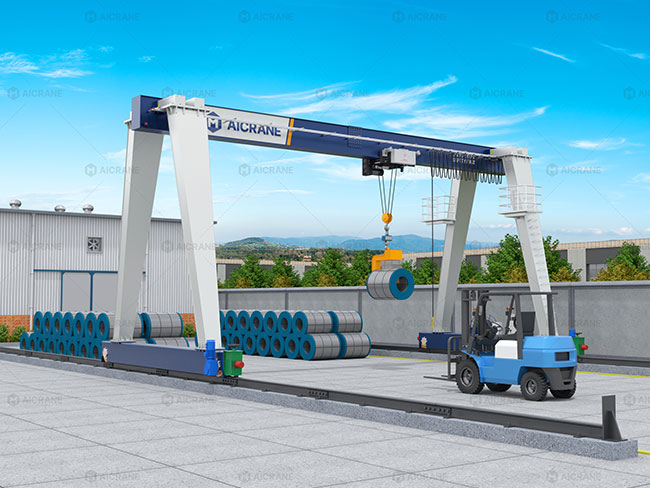
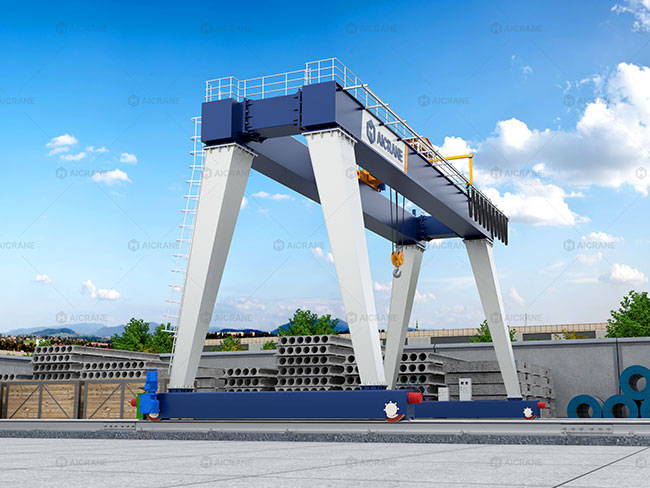
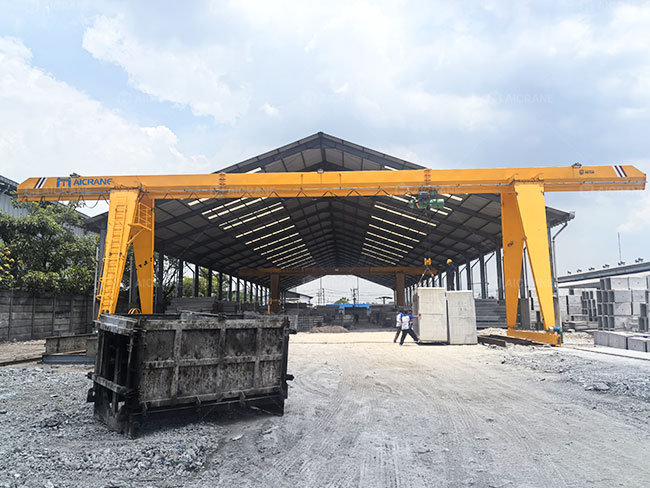
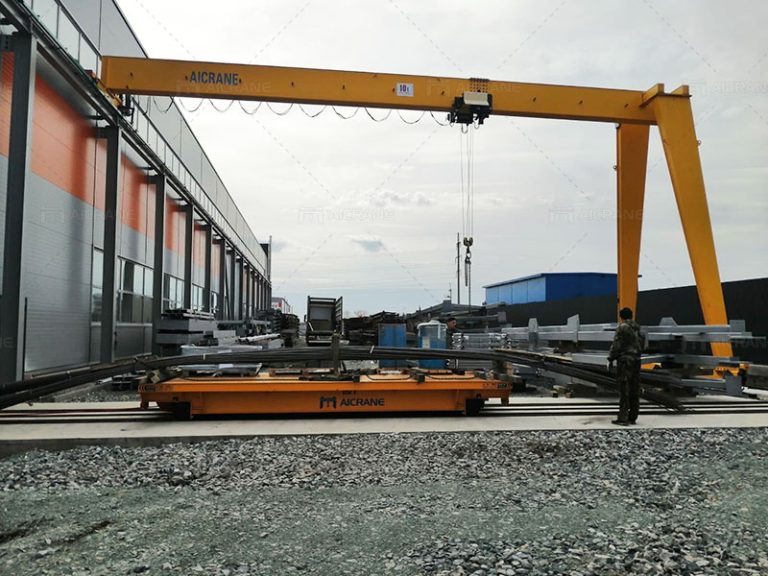
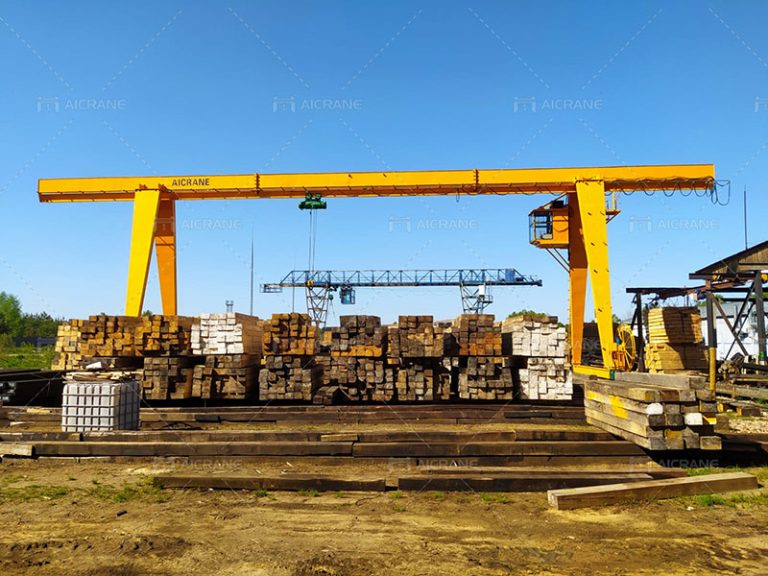
Designed for workshops, warehouses, and light industrial operations, 5-20 ton gantry cranes provide small-capacity lifting solutions that combine reliability, flexibility, and precision. They are suitable for handling small machinery, precast elements, and workshop equipment, with typical loads of 5, 6, 8, 10, 12, 15, and 16 tons, ensuring controlled and accurate lifting in confined or complex workspaces.
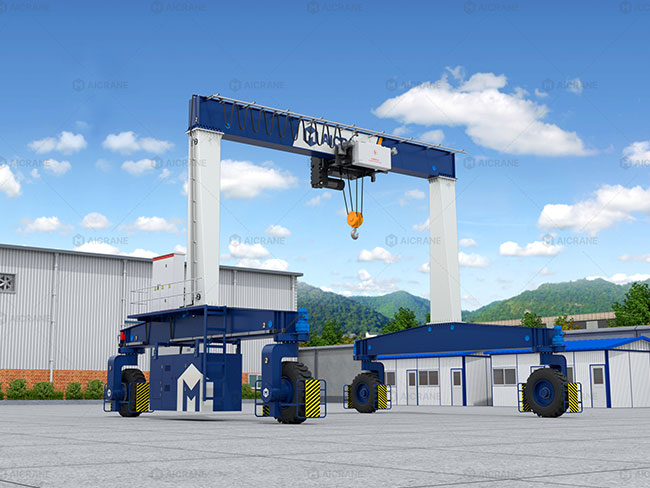
Typical Types, Specifications & Features:
| Crane Type | Specifications | Key Features | Ideal Applications |
|---|---|---|---|
| Single Girder | Capacity Options: 5t, 6t, 8t, 10t, 12t, 15t, 16t (Customizable) Span:8-35m Customizable) Lifting Height: 6-12m Customizable) | Lightweight, compact, simple structure, easy installation & maintenance | Small workshops, assembly lines, light warehouses, general material handling |
| Double Girder | Capacity Options: 10t, 12t, 15t, 16t (Customizable) Span:18-35m Customizable) Lifting Height: 6-18m Customizable) | Stable for medium loads, precise lifting, suitable for slightly larger spans | Light steel fabrication shops, precast component handling, light-duty industrial operations |
| Rubber-Tyred (RTG) | Capacity Options: 10t, 12t, 15t, 16t (Customizable) Span:5-20m Customizable) Lifting Height: 6-12m Customizable) | Mobile and versatile, no fixed rails, easy repositioning | Temporary yards, open storage areas, small container handling, light industrial projects |
20-50 Ton Gantry Cranes – Medium-Capacity Lifting for Industrial Operations
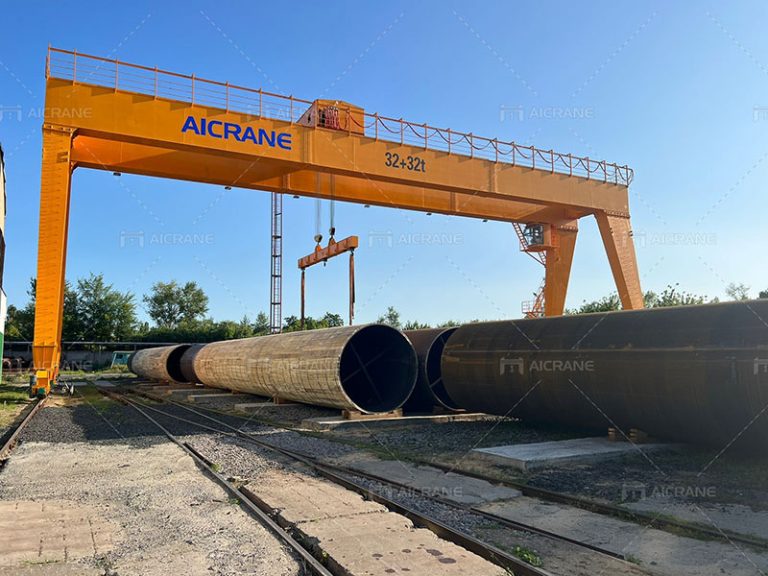
Designed for metal fabrication, precast yards, and medium-scale industrial projects, 20-50 ton gantry cranes provide medium-capacity lifting solutions capable of handling larger machinery, structural steel, and precast components. Typical loads include 20, 25, 30, 40, and 45 tons, making these cranes ideal for efficient, continuous lifting in demanding industrial environments.
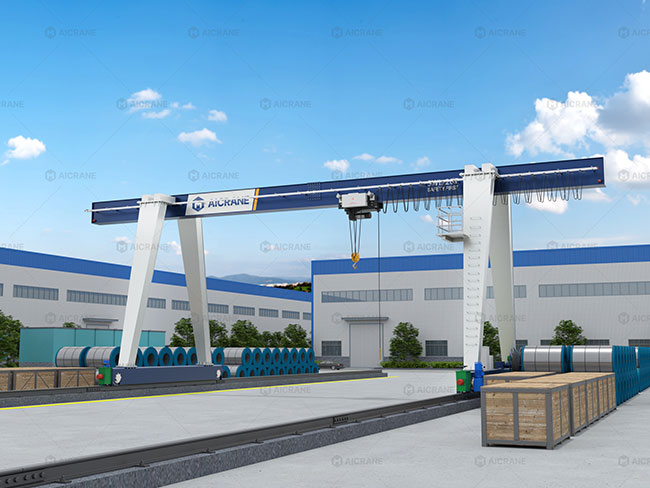
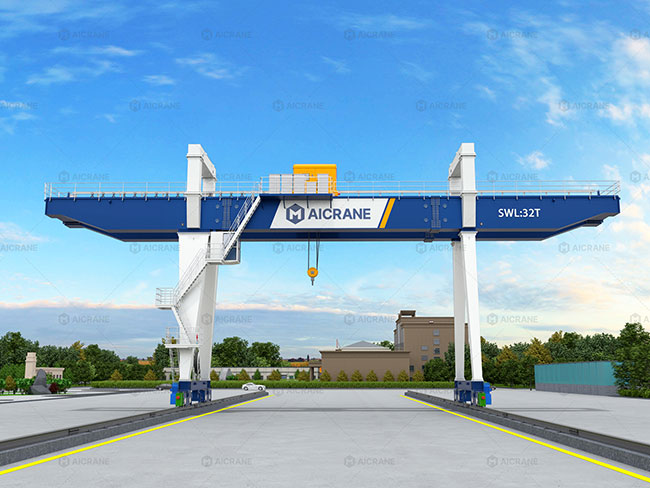
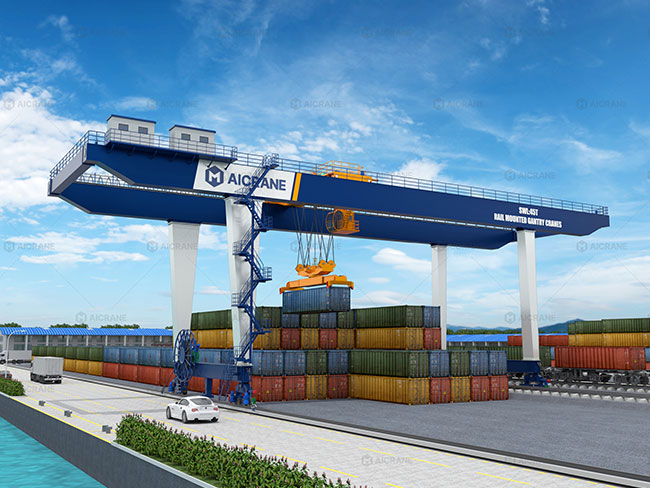
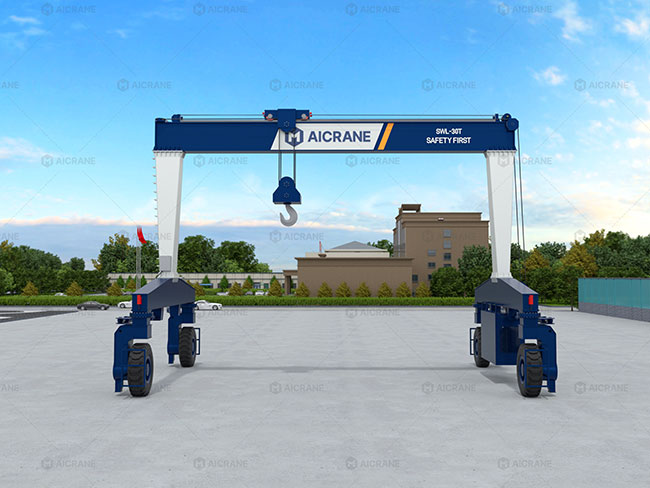
Typical Types, Specifications & Features:
| Crane Type | Specifications | Key Features | Ideal Applications |
|---|---|---|---|
| Single Girder | Capacity Options: 20t, 25t (Customizable) Span:8-35m Customizable) Lifting Height: 6-12m Customizable) | Reinforced bridge and trolley; handles medium loads; more robust structure | Light to medium industrial workshops, smaller factories, precast component handling |
| Double Girder | Capacity Options: 20t, 25t, 32t, 40t, 45t (Customizable) Span:18-35m Customizable) Lifting Height: 6-18m Customizable) | High stability; precise lifting; supports medium-heavy loads; suitable for frequent industrial use | Steel fabrication shops, precast concrete plants, medium industrial operations requiring frequent lifting |
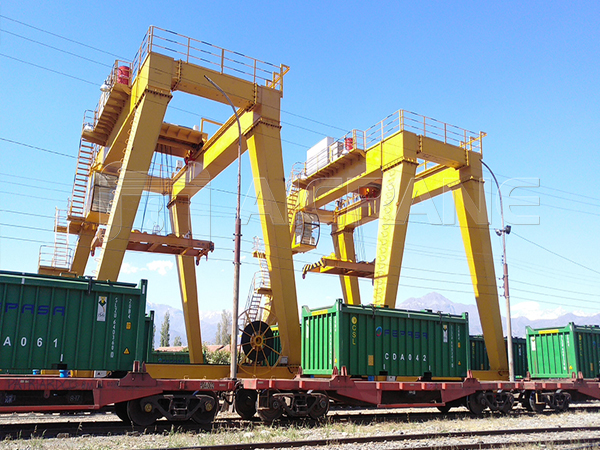
| RMG (Rail-Mounted Gantry) | Capacity Options: 30t, 35t, 40.5t, 45t (Customizable) Span:18-35m Customizable) Lifting Height: 12.3-21m Customizable) | Fixed rails; precise positioning; high duty cycles; | Container terminals, steel yards, industrial sites with fixed rail operations |
| RTG (Rubber-Tyred Gantry) | Capacity Options: 20t, 25t, 32t, 40t, 41t (Customizable) Span:5-20m Customizable) Lifting Height: 6-12m Customizable) | Mobile and versatile; can handle medium loads; | Container yards, open storage areas, industrial yards needing flexible crane movement and medium-heavy load handling |
50-100 Ton Gantry Cranes – Heavy Lifting for Large Components
For projects involving heavy machinery, large steel structures, and industrial assembly, 50-100 ton gantry cranes deliver the lifting power and precision required for demanding industrial and infrastructure tasks. Capable of handling loads include 50, 60, 70, 80, and 90 tons, these gantry cranes are engineered to operate efficiently in shipyards, bridge construction sites, and large factories where reliability, safety, and smooth handling are critical.
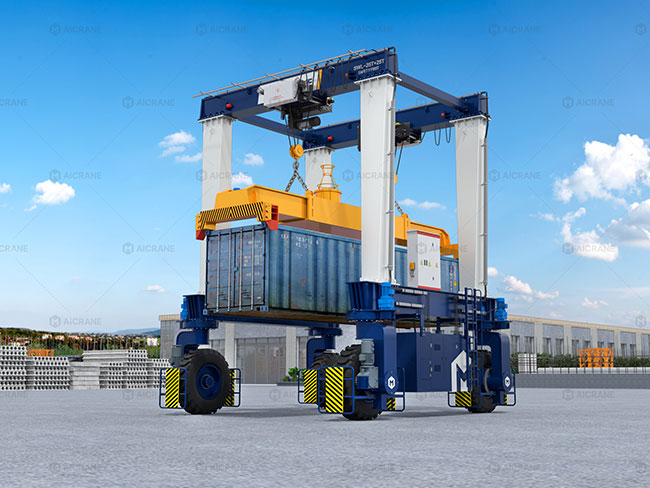
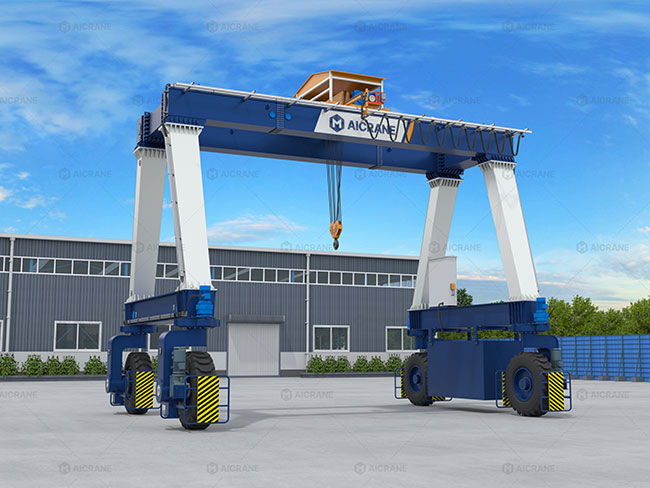
Typical Types, Specifications & Features:
| Crane Type | Specifications | Key Features | Ideal Applications |
|---|---|---|---|
| Double Girder | Capacity Options: 50t, 60t, 64t, 70t, 80t, 90t (Customizable) Span:18-35m Customizable) Lifting Height: 6-18m Customizable) | Engineered for heavy loads; extended spans; precise lifting with minimal hook sway; high stability for frequent industrial operations | Steel fabrication plants, precast concrete yards, heavy industrial workshops |
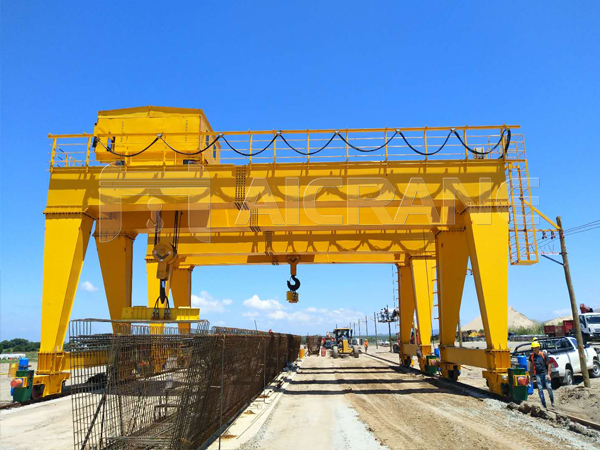
| RTG (Rubber-Tyred Gantry) | Capacity Options: 50t, 60t, 70t, 80t, 90t (Customizable) Span:5-20m Customizable) Lifting Height: 6-12m Customizable) | Heavy-duty mobile gantry; designed for large and heavy components; robust structure; can handle oversized loads safely | Construction sites, shipyards, port container handling, industrial yards requiring heavy lifting and flexible positioning |
100-500 Ton Gantry Cranes – Ultra-Heavy Lifting for Large Industrial and Infrastructure Projects
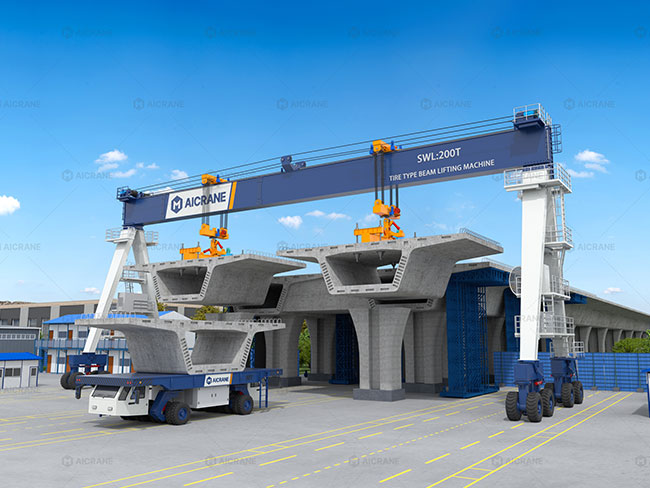
In large-scale industrial projects, certain components can weigh hundreds of tons, requiring lifting systems specifically engineered for extreme loads. 100-500 ton gantry cranes are built to meet these challenges, enabling the safe handling of massive equipment, oversized steel structures, and heavy prefabricated modules. With lifting capacities commonly ranging from 100 ton 200 ton, to 300 ton, 500 ton, and even beyond, these cranes play a critical role in industries such as shipbuilding, power generation, large infrastructure construction, and heavy manufacturing, where reliability and lifting stability are essential.
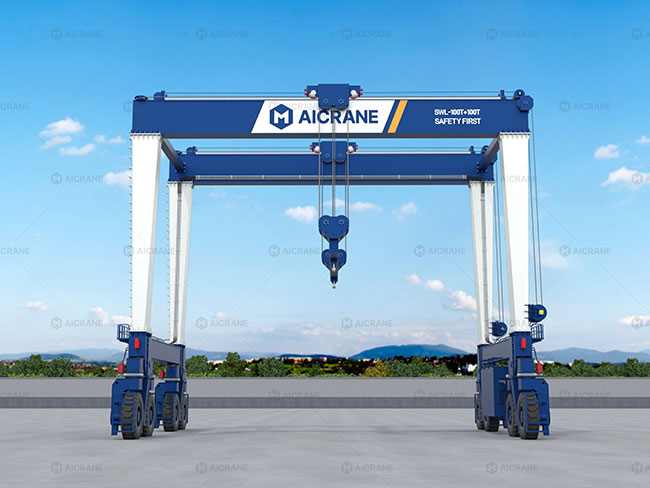
Typical Types, Specifications & Features:
| Crane Type | Specifications | Key Features | Ideal Applications |
|---|---|---|---|
| Double Girder | Capacity Options: 100t, 120t, 160t, 200t, 250t, 320t, 400t, 450t, 500t (Customizable) Span:18-35m Customizable) Lifting Height: 6-18m Customizable) | Heavy-duty double girder; engineered for ultra-heavy industrial loads; reinforced structure for large components; precise lifting with minimal sway; suitable for industrial-scale lifting | Mega steel fabrication facilities, large precast concrete plants, heavy infrastructure projects (bridges, power plants, shipyard heavy lifts) |
| RTG (Rubber-Tyred Gantry) | Capacity Options: 100t, 200t, 300t, 400t, 500t (Customizable) Span:5-30m Customizable) Lifting Height: 6-30m Customizable) | Heavy-duty mobile gantry; robust frame for oversized components; flexible positioning in large yards; designed for industrial-scale lifting of massive modules | Large-scale infrastructure construction yards, mega precast production sites, shipbuilding yards, industrial sites handling oversized modules |
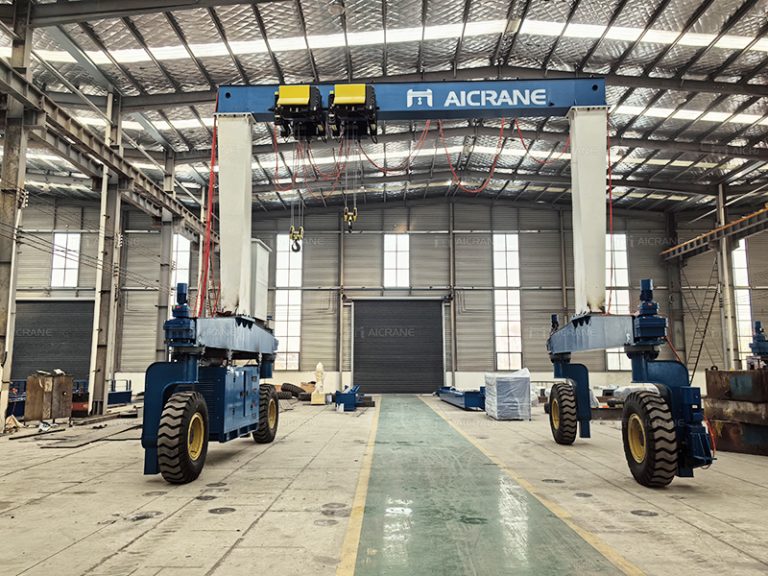
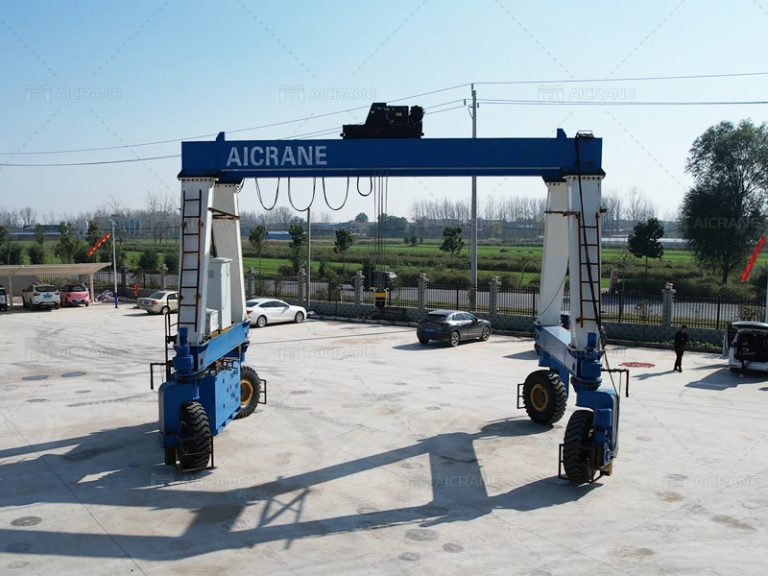
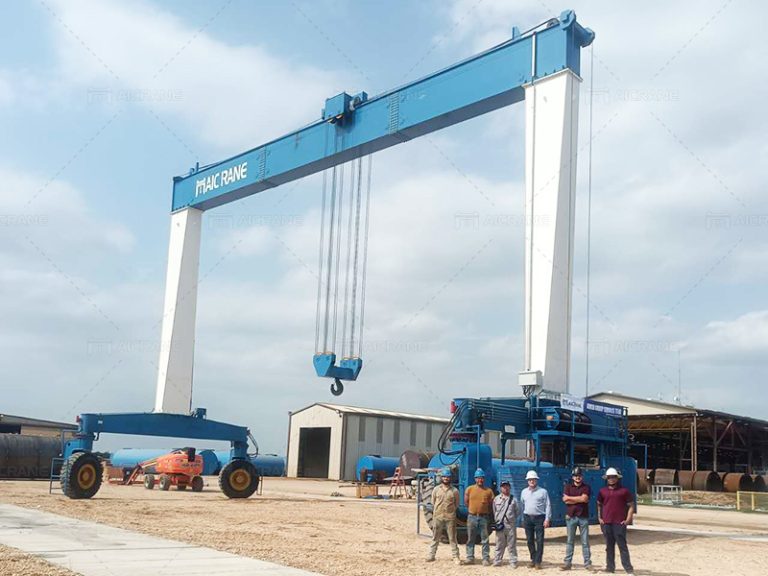
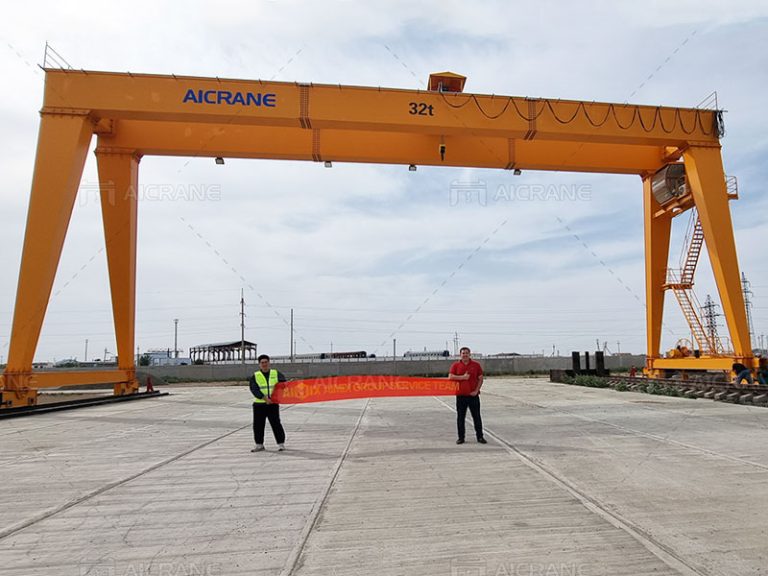
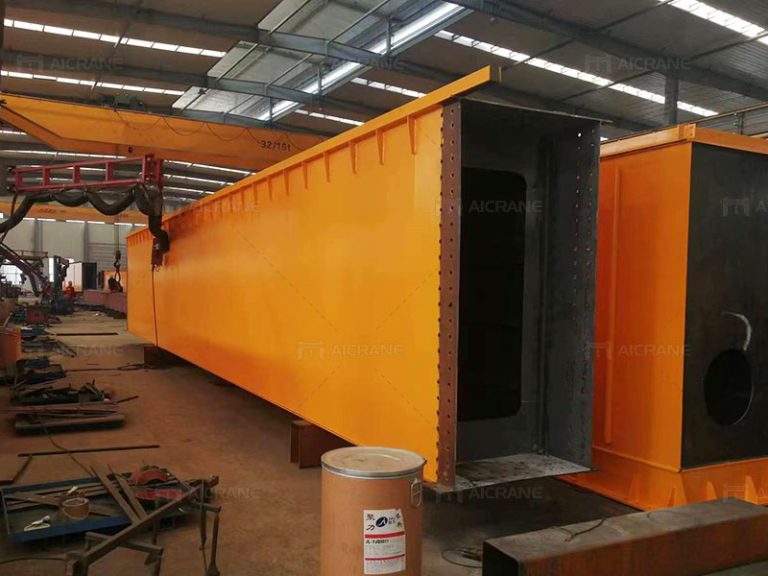
As shown above, gantry cranes from 5 to 500 tons cover a wide range of lifting requirements, from light workshop handling to ultra-heavy industrial operations. While the capacity range provides a general understanding of application scenarios, the actual use of each crane depends on the specific project and environment. The following sections showcase real-world gantry crane projects across different capacity ranges, illustrating how these cranes perform in practice.
5-500 Ton Gantry Crane Project Cases
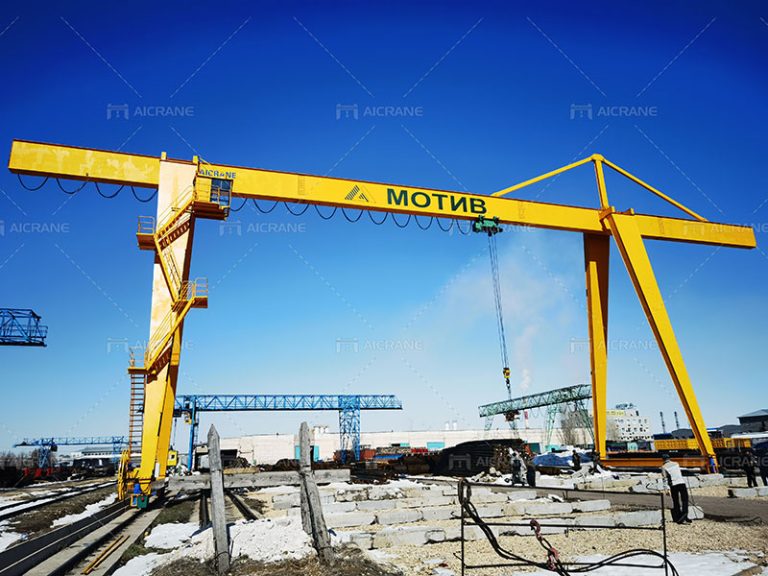
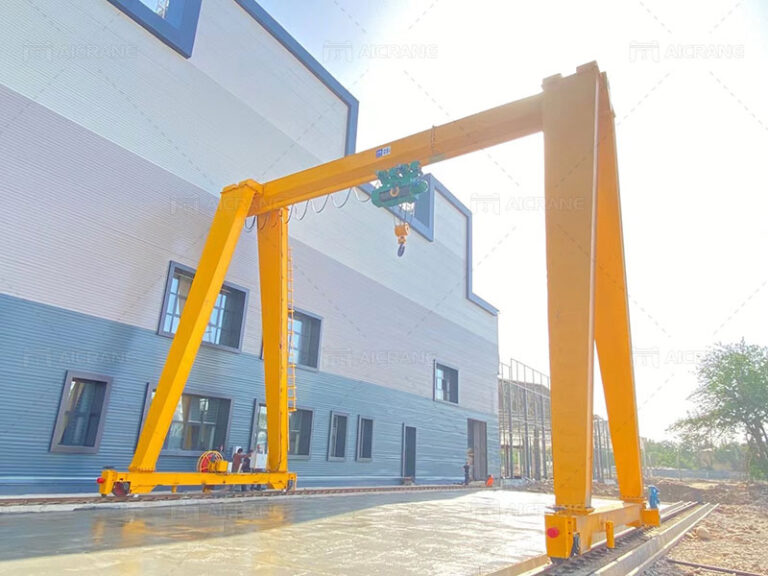
5-20 Ton Gantry Crane Projects



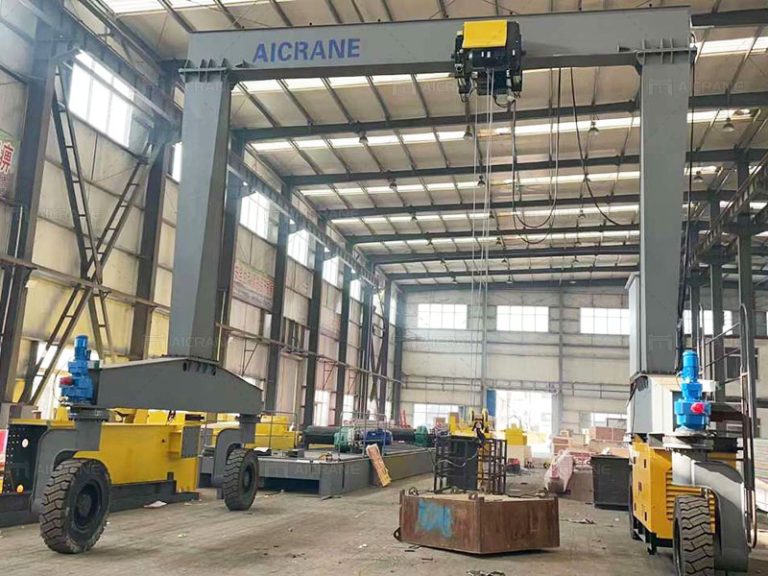
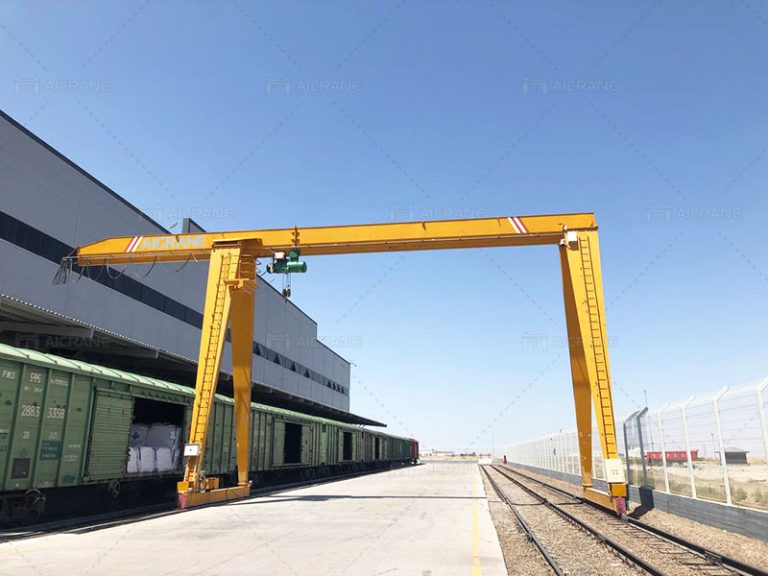


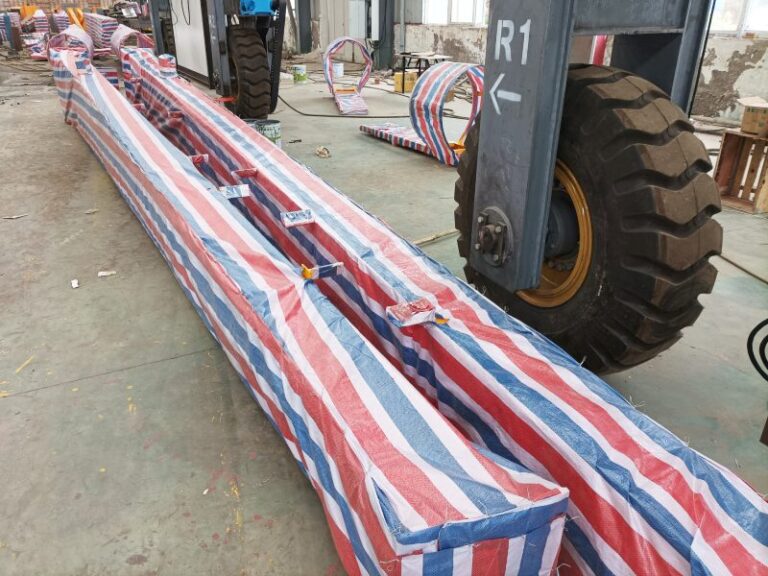
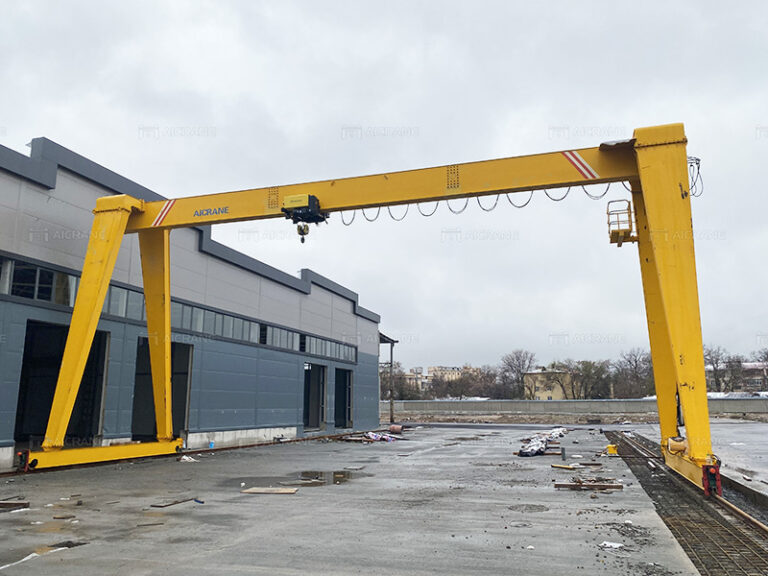


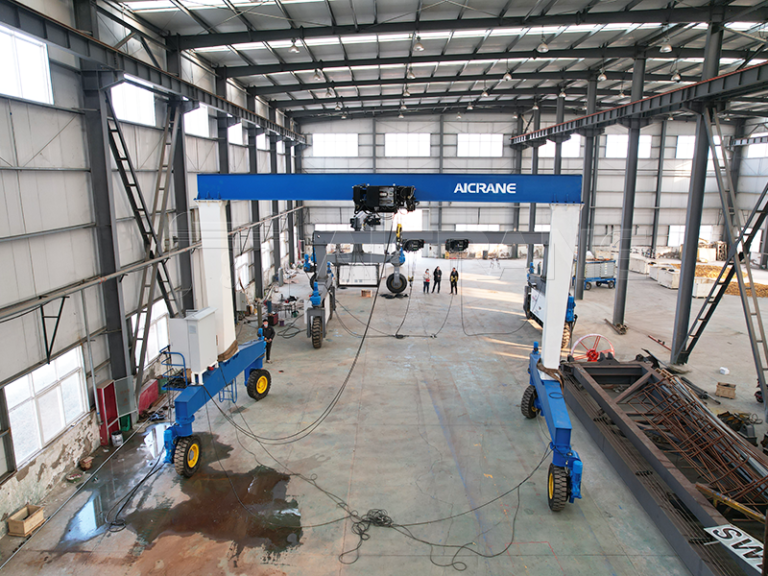
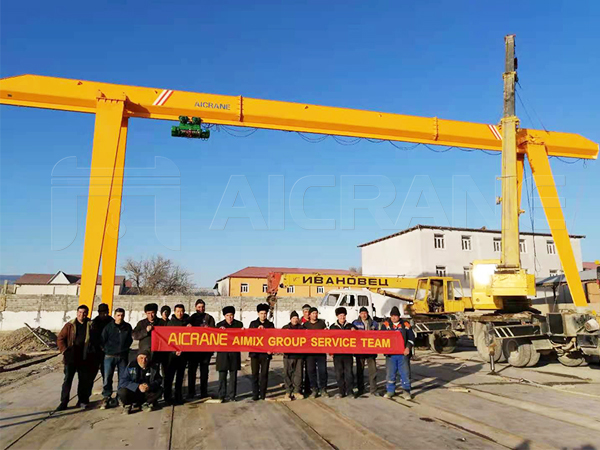

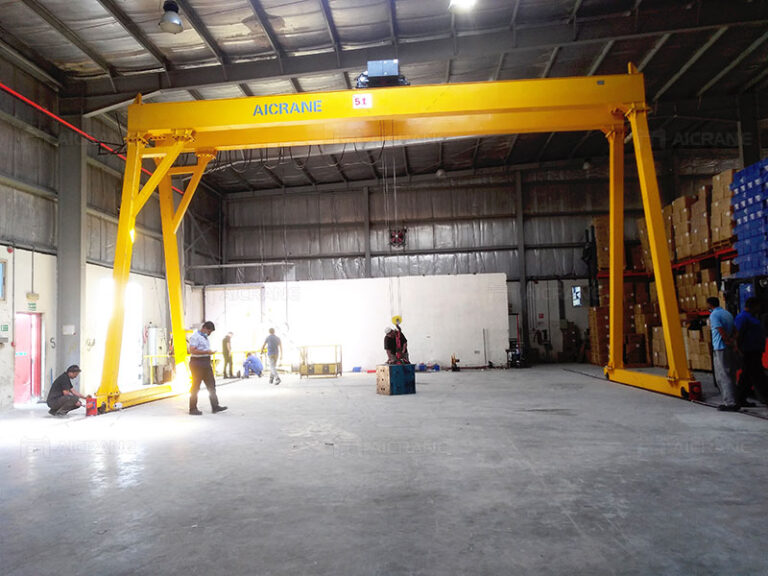
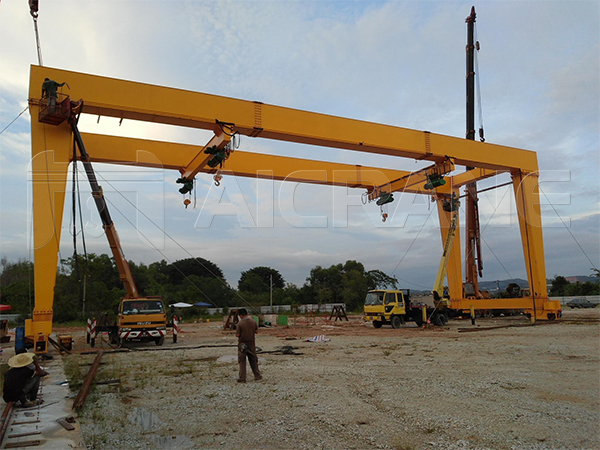
20-50 Ton Gantry Crane Projects
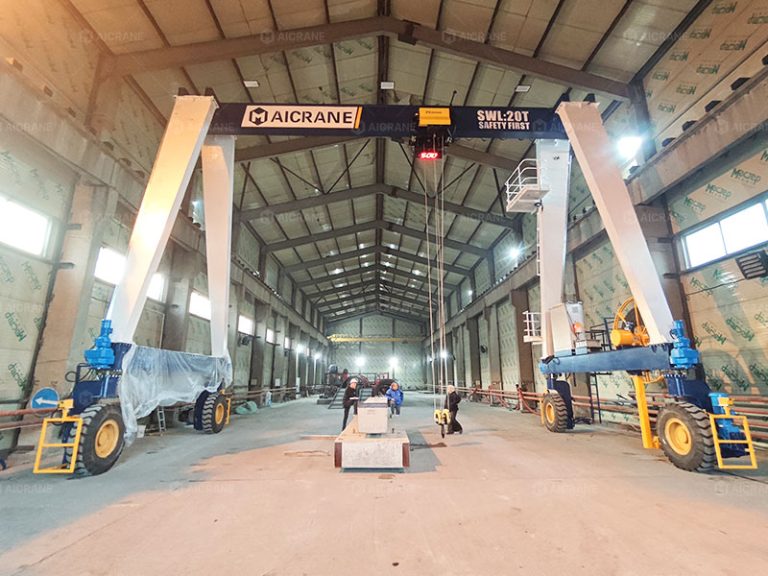
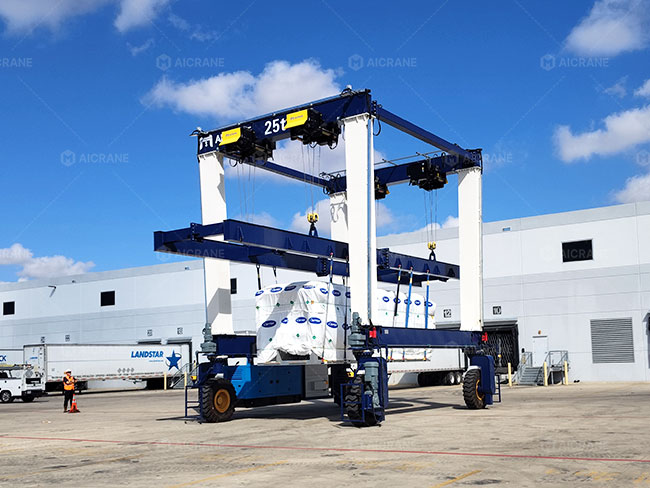
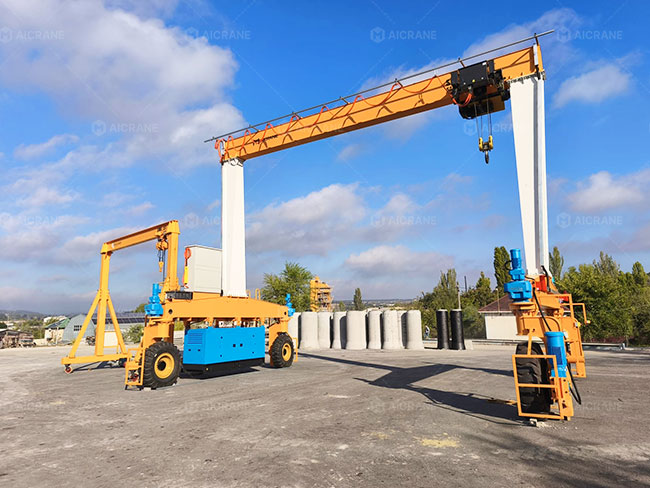
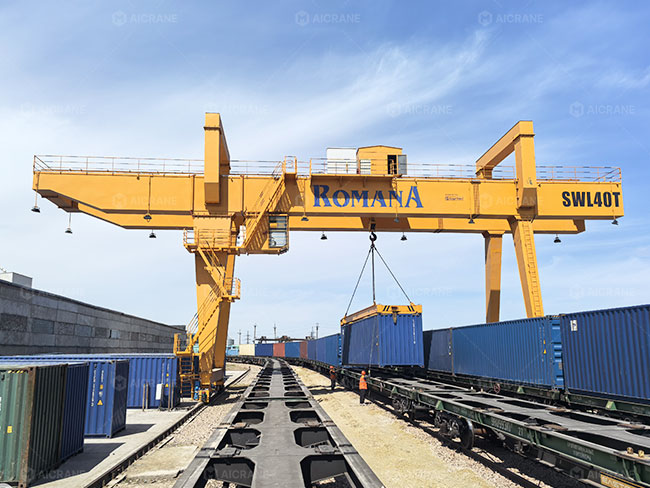


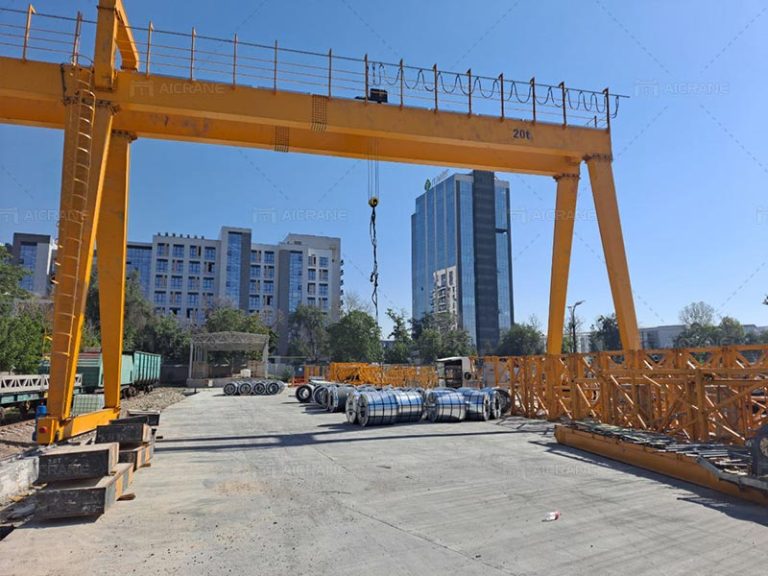





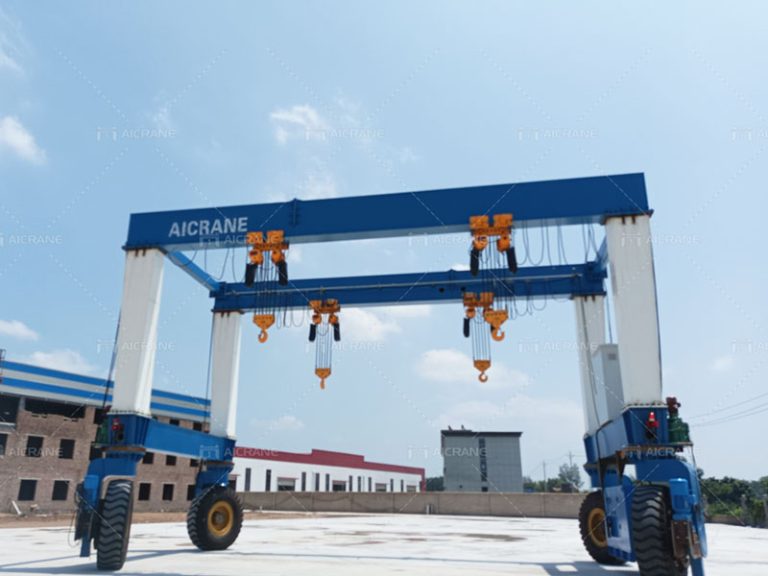
50-100 Ton Gantry Crane Projects


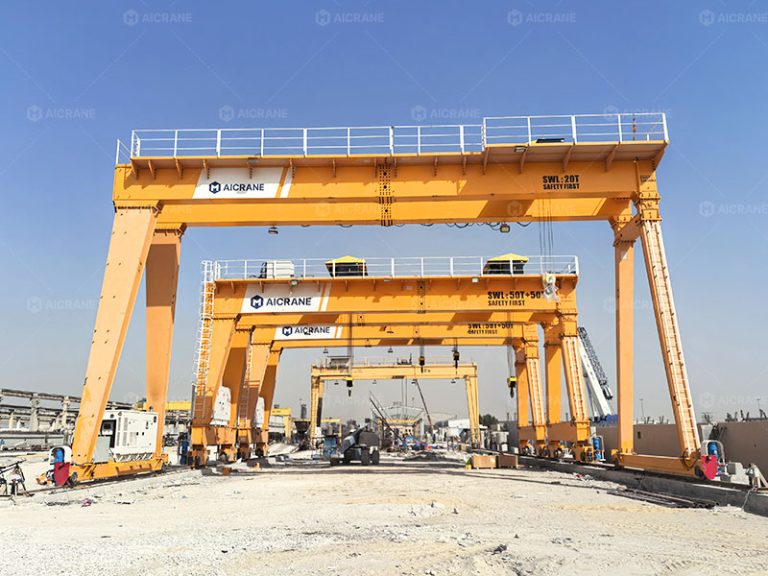

How to Determine the Right Gantry Crane Capacity: 10 Ton, 50 Ton, or 100 Ton?
Choosing the right gantry crane capacity is the foundation of safe, efficient, and cost-effective lifting operations. The correct tonnage ensures your crane can handle current loads, adapt to varying tasks, and accommodate potential future growth.
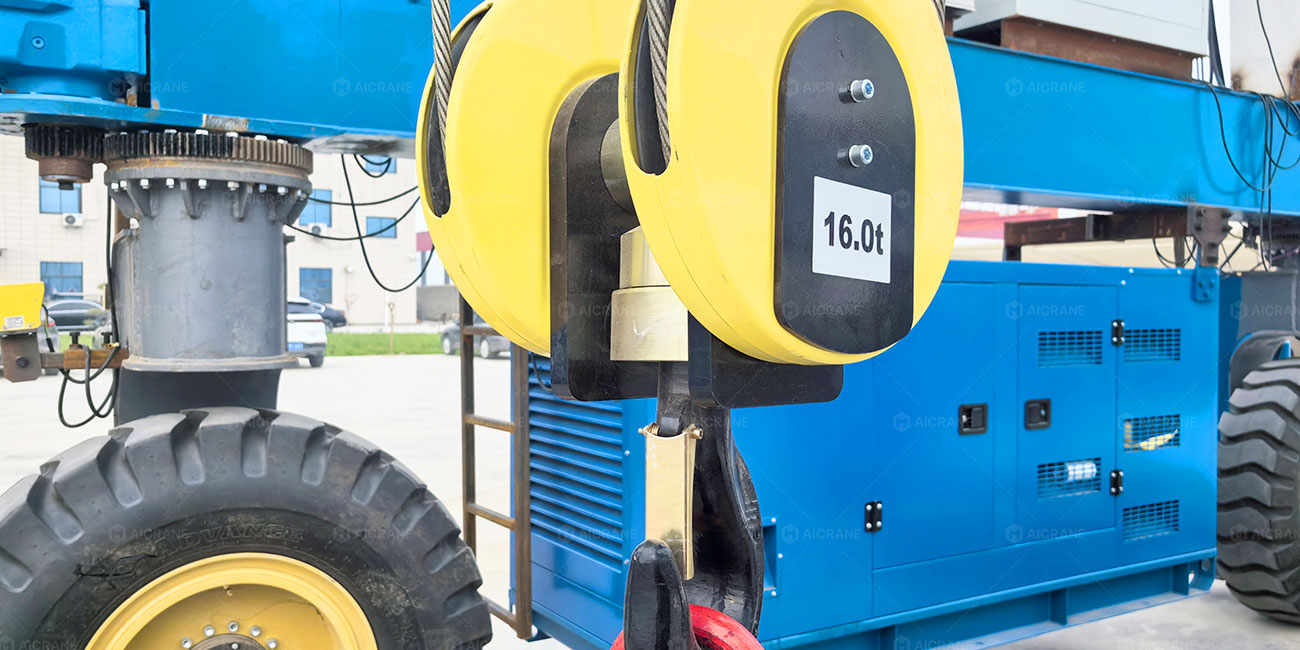
Identify Maximum Load Requirements
Start by determining the heaviest load your operation needs to lift. Whether it’s a 10 ton gantry crane for workshop machinery, a 50 ton gantry crane for steel structures, or a 100 ton gantry crane for heavy industrial components, the selected capacity should exceed the maximum weight. This ensures a safety margin that protects both personnel and equipment.
Question: What is the single heaviest item the crane must lift?
Assess Load Variability
Next, consider the range of weights your crane will handle. Operations rarely involve identical loads every time; some may be lighter, others heavier. Selecting a crane based on average loads alone can lead to overloading during peak lifts.
For projects with mostly moderate loads but occasional heavy items, choosing a crane slightly above the heaviest expected load is prudent.
For continuous or repetitive heavy lifting, capacity planning should prioritize durability.
Question: Are there fluctuations in load weight, and will occasional peak loads exceed the standard range?
Factor in Operational Frequency
The frequency of lifts influences the effective capacity required. A 50 ton gantry crane lifting heavy components several times a day may experience more stress than a similar crane lifting the same load less frequently. High-frequency operations benefit from a higher capacity selection to maintain long-term reliability and reduce wear.
Question: How often will the heaviest loads be lifted, and does that justify a higher tonnage?
Consider Future Growth
Industrial projects evolve. Production volumes may increase, and machinery or structures may become heavier over time. Planning with a slight capacity margin ensures the crane remains suitable for future requirements.
Example: If today’s heaviest load is 45t, a 50 ton gantry crane covers current needs, but a 60 ton or 70 ton gantry crane provides additional flexibility and safety for upcoming projects.
Question: Are larger or heavier loads likely in the next 3-5 years?
Selecting the right gantry crane capacity involves balancing current load requirements, operational frequency, and potential future growth. Once the appropriate tonnage is identified, the next step is to understand how this choice affects cost and long-term value. Explore the 5-500 ton gantry crane price to see how different capacities shape your investment decisions.
Typical Prices for 5 to 500 Ton Gantry Cranes
Investing in a gantry crane starts with understanding how capacity/tonnage impacts cost, operational efficiency, and long-term value. From a 5 ton gantry crane designed for precise workshop operations to a 500 ton gantry crane engineered for ultra-heavy infrastructure, knowing the price ranges for each capacity allows you to plan effectively, compare options, and make informed decisions tailored to your project needs.
| Crane Type | Capacity | Price (USD) |
|---|---|---|
| Single Girder | 5-20 Ton | $14,000-$62,000+ |
| Double Girder | 10-50 Ton | $44,000-$206,000+ |
| RMG Rail Mounted Gantry | 30-50 Ton | $264,000-$471,000+ |
| RTG Rubber Tyred Gantry | 10-500 Ton | Starting from $62,000 |
Note: Prices are indicative. Actual cost depends on span, lifting height, operational environment, and optional features. Contact our project consultants for a tailored gantry crane price quote for your specific gantry crane capacity.
Gantry Crane Structural Design Across 5-500 Ton Capacities
The structural design of a gantry crane is the foundation of its safety, stability, and operational performance. From 5t gantry cranes for workshops to 500 ton super-heavy cranes for ports, shipyards, and large infrastructure projects, design choices vary significantly with lifting capacity. Understanding how structure adapts to different tonnages helps ensure reliability, precision, and long-term service life.
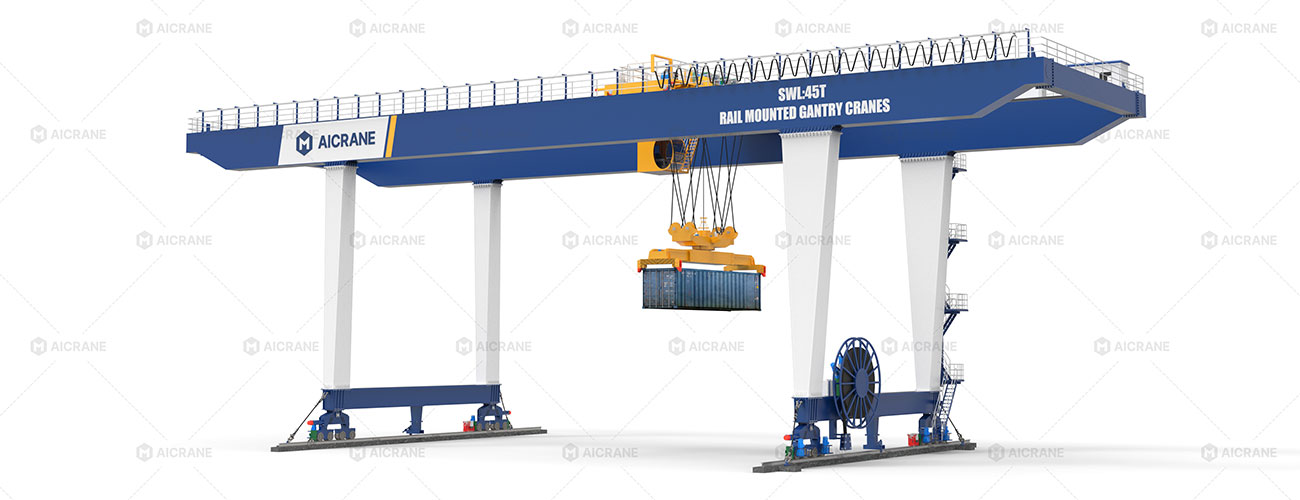
Main Girder Design
- Gantry cranes with typical capacities of 5 ton, 10 ton, 15 ton, and less than 20 tons often use single girders or lightweight double girders. Beam cross-sections are compact, usually welded H-sections or box girders, allowing flexibility and precision in workshop environments.
- For gantry cranes in the 20-50 ton capacity range, such as 20 ton, 30 ton, and 40 ton models, double girder designs provide increased stiffness and load capacity. Girders are taller and thicker, often reinforced with stiffeners, with finite element analysis applied to minimize bending and deflection over medium spans.
- 50-100 ton gantry cranes require deep double girders or stiffened box girders to resist bending and torsion. Span deflection is closely monitored to ensure safe handling of heavy machinery and bridge components.
- Gantry cranes in the 100-500 ton capacity range typically feature massive box girders with additional internal ribs. Precise calculations for stress distribution, fatigue life, and deflection control are critical for safe operation of extremely heavy loads.
Support System and Lower Structure
- The 5-20 ton gantry crane legs are simple, with light-duty wheels running on standard rails. The design prioritizes compactness and easy installation.
- In 20-50 ton gantry cranes, wheel numbers increase and rails are wider to distribute medium-weight loads evenly. Legs and cross members are reinforced to withstand repeated load cycles and prevent uneven stress on the foundation.
- For gantry cranes in the 50-100 ton capacity range, such as 50 ton, 60 ton, 70 ton, and 80 ton models, multiple wheels and stronger lower structures are required to handle heavy industrial components.
- 100-500 ton gantry cranes use multi-wheel, multi-track systems and large cross-section legs, often supported on reinforced concrete or prestressed rail foundations to ensure stability under extreme loads.
Hoist and Drive System
- 5-20 ton gantry cranes are equipped with low-power hoists, typically single- or dual-speed, with basic limit switches for overload protection.
- Gantry cranes in the 20-50 ton capacity range, such as 20 ton, 25 ton, 30 ton, 40 ton, and 45 ton models, typically feature higher-power hoists and variable frequency drives for smooth lifting. Multi-point load sensors improve safety and load control.
- 50 ton, 60 ton, 80 ton, 100 ton and above gantry cranes typically feature multiple hoists working in sync, providing even load distribution and enhanced lifting stability. Advanced control systems, including closed-loop control and electronic synchronizers, maintain load balance and prevent shocks, essential for 100-500 ton operations.
Proper structural design ensures that a gantry crane can safely support its intended 5-500 ton loads, but understanding the difference between rated load and actual load is equally essential to prevent overloading and maintain long-term performance.
Understanding Rated Load and Actual Load for 5-500 Ton Gantry Cranes
For 5-500 ton gantry cranes, understanding the difference between rated load and actual load is critical for safe and efficient operations. Even a perfectly engineered crane can be compromised if the loads exceed its rated capacity, leading to structural stress, premature wear, or catastrophic failure.
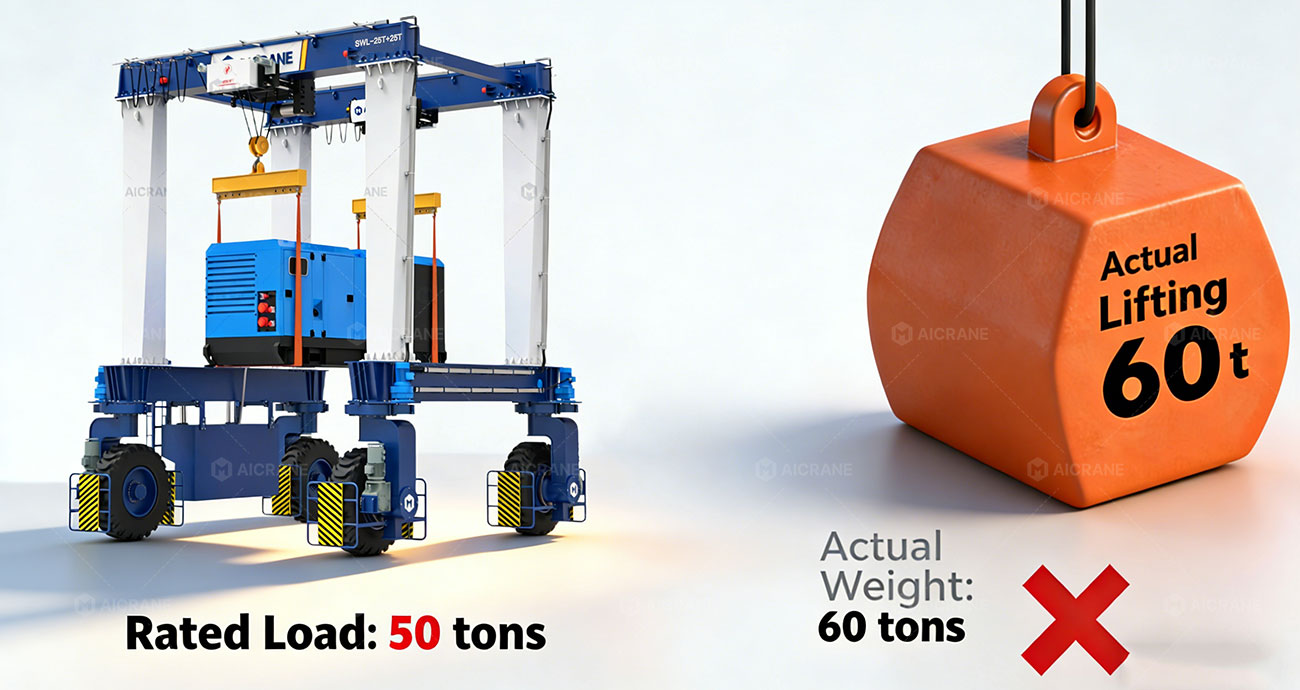
Rated Load: The Design Benchmark
The rated load represents the maximum weight a gantry crane is engineered to lift safely under defined conditions. It reflects the crane’s structural integrity, hoist performance, and mechanical limits, incorporating safety factors that account for long-term usage and wear.
Key considerations included in rated load:
- Beam and girder strength
- Hoist and trolley capacity
- Wheel or rail load distribution
- Built-in safety margins
Example: A 50 ton gantry crane rated for 50 tons ensures that, under standard operating conditions – including beam deflection limits and drive system performance – the crane can lift the load without compromising structural components.
Actual Load: What’s Really Being Lifted
The actual load is the true weight applied to the crane during an operation. This includes the weight of the item itself plus all attachments, such as hooks, slings, spreader bars, or containers.
Why it matters:
Even a crane operating below its rated load can face stress if the actual load exceeds expectations due to additional rigging or uneven weight distribution. Recognizing the actual load ensures accurate planning, prevents unexpected strain, and protects both personnel and equipment.
For any gantry crane, from 5 ton workshop gantry cranes to 500 ton super-heavy systems, the gap between rated and actual load must be carefully managed. Correctly understanding and applying these limits ensures structural integrity, operational safety, and long-term reliability. But what happens if the rated load is exceeded? What risks are involved? Keep reading to find out.
5-500 Ton Gantry Crane Overload Risks and Prevention Strategies
Overloading is a critical safety concern across all 5-500 ton gantry cranes. Exceeding the rated load can compromise structural integrity, reduce service life, and create serious operational hazards. Understanding the risks and adhering to tonnage limits is essential for safe, efficient, and long-lasting crane operation.
Structural and Mechanical Risks
Overloading places excessive stress on main girders, hoists, wheels, and support frames. Even a 20 ton gantry crane lifting slightly above its rated capacity may experience accelerated wear, minor bending, or misalignment of girders, which reduces precision and increases maintenance frequency.
For larger gantry cranes, such as 30-50 ton units, overloading can cause beam deflection, uneven wheel loads, and hoist strain. Repetitive lifting beyond rated capacity accelerates fatigue on structural elements and may compromise the crane’s stability. Ultra-heavy cranes, including 100-500 ton gantry cranes, face amplified risks: foundation integrity can be affected, hoist synchronization may fail, and the crane’s safety systems may be overwhelmed, potentially leading to catastrophic failure.
Operational Hazards
Overloading not only stresses the crane structure but also increases operational risks:
- Load swing or sudden movement becomes more dangerous when handling heavier items on 50 ton or larger gantry cranes.
- Even small gantry cranes, like 5-10 ton units, can suffer reduced accuracy, misalignment, or mechanical wear if lifted beyond rated load.
- Environmental factors such as wind, vibration, or uneven surfaces can amplify effective loads, making overloading more likely across all capacities.
Long-Term Impact and Maintenance
Exceeding the rated tonnage accelerates fatigue and wear on components. Cranes that are consistently overloaded may require more frequent inspections, part replacements, or structural repairs.
For 20-50 ton gantry cranes, beam deflection and wheel strain may shorten operational life. For 100-500 ton gantry cranes, the consequences include not only structural stress but also increased downtime and higher repair costs, impacting overall project efficiency and ROI.
Prevention Strategies
To ensure safe operation:
- Always verify the actual load against the rated load, including slings and attachments.
- Implement electronic load monitoring and alarms for medium to heavy duty gantry cranes.
- Train operators to maintain tonnage awareness and understand dynamic effects.
- Conduct regular inspections and preventive maintenance to detect early signs of stress, ensuring cranes from 5 ton units to 500 ton super-heavy cranes remain safe and reliable.
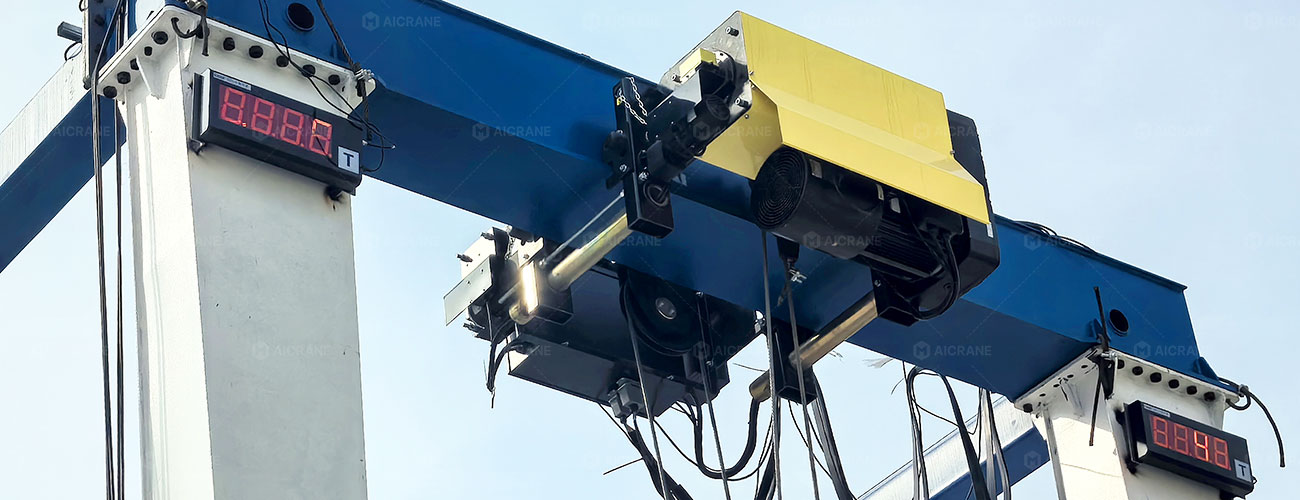
Overloading any gantry crane, from 5 ton compact units to 500 ton super-heavy cranes, carries significant structural, operational, and financial risks. By understanding these hazards and strictly adhering to tonnage limitations, operators can maintain safe, efficient, and reliable crane performance.
Take the Next Step with Your 5-500 Ton Gantry Crane Project
Looking for a 10 ton gantry crane for precise workshop lifting, a 20 or 50 ton unit for medium industrial loads, or a 100 ton gantry crane for large-scale infrastructure? Our team of experts can help you choose the ideal capacity for your specific needs.
Contact Aicrane team today to discuss your project requirements and receive a personalized recommendation for the perfect 5-500 ton gantry crane solution.